Lanzarote Black beaches & mountains of fire - highlights and insider tips for the volcanic island
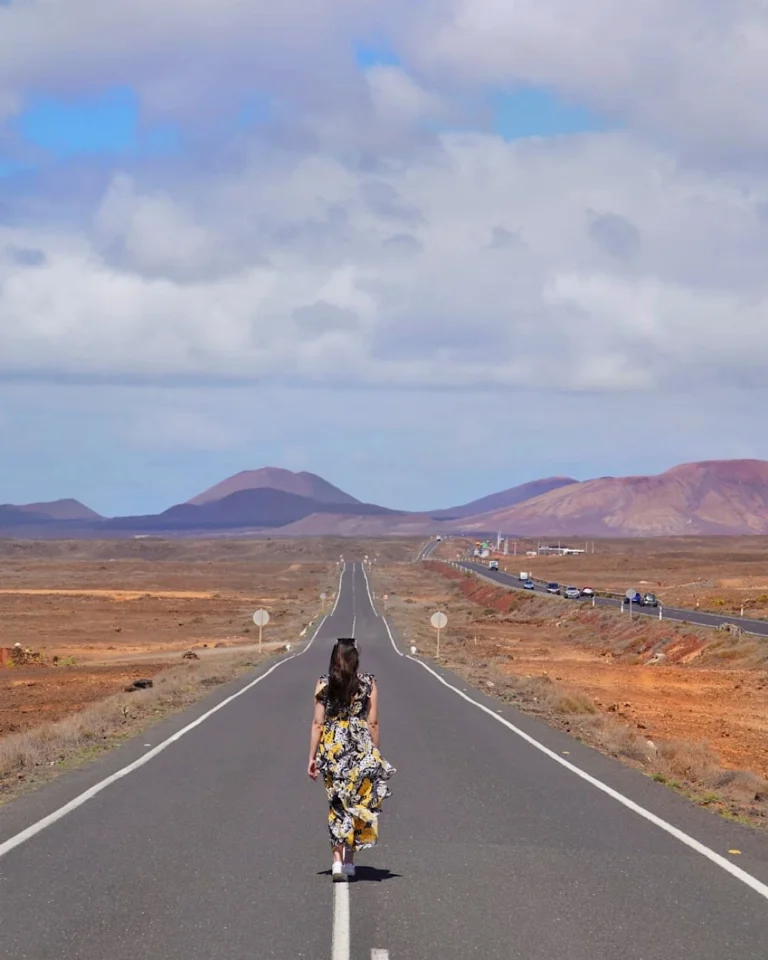
Lanzarote is more than just a spanish holiday destination – it is a masterpiece made of fire, ash, and the artistic genius of César Manrique. In this travel report, we take you on a road trip to the highlights of this Canary Island, from deep black lava fields and volcanoes to turquoise bays and dream beaches.
Key facts:
- Travel period: March (15.03.-22.03.)
- Travel style: Independent travel with a rental car and accommodations booked via Airbnb and Booking
- Recommendation: Make sure to book a rental car for your Lanzarote trip; otherwise, you will miss out on numerous hidden gems and sights.
Unsere Route im Überblick:
- Arrival in Tias
- Wine Region (Vineyards) La Geria
- Jardín de Cactus
- Arrecife
- Ship wreck Barco Telamon
- La Isleta
- Arrieta
- Jameos del Agua
- Puerto del Carmen / Matagorda Beach
- Timanfaya National Park
- Salinas de Janubio
- Papagayo Beach
- Montaña Bermeja
- Los Hervideros
- Lago/Laghetto Verde
- Montaña Blanca / Las Grietas / Stratified City
- Montaña Negra
- Tenesar
- Caldera de los Cuervos
- Volcán de la Corona
- Mirador del Río
- La Graciosa
- Caletón Blanco
- Haría
- Teguise
- Montaña Roja
Tias
La Geria
Jardin de Cactus
Arrecife
Ship wreck Barco Telamon
La Isleta
Arrieta
Jameos del Aqua
Puerto del Carmen
Timanfaya Nationalpark
Salinas de Janubio
Papagayo Beach
Montana Bermeja
Los Hervideros
Lago / Laghetto Verde
Las Grietas
Montana Negra
Tenesar
Caldera de los Cuervos
Volcan de la Corona
Mirador del Rio
La Graciosa
Caleton Blanco
Haria
Teguise
Montana Roja
Day 1–2: Arrival in Tias, La Geria Wine Region, Jardín de Cactus, Arrecife, Shipwreck Barco Telamon, and La Isleta
Tias:
Tías is the ideal base for a Lanzarote vacation. Away from the massive hotel complexes, you can experience authentic Canarian life here in charming Airbnbs (we even had our own private pool). The sight of white houses nestled among huge hibiscus bushes with volcanic hills in the background sets the perfect mood for a wonderful holiday. Insider Tip: Tías offers fantastic local Taperías with authentic island flavors.
La Geria Wine Region:
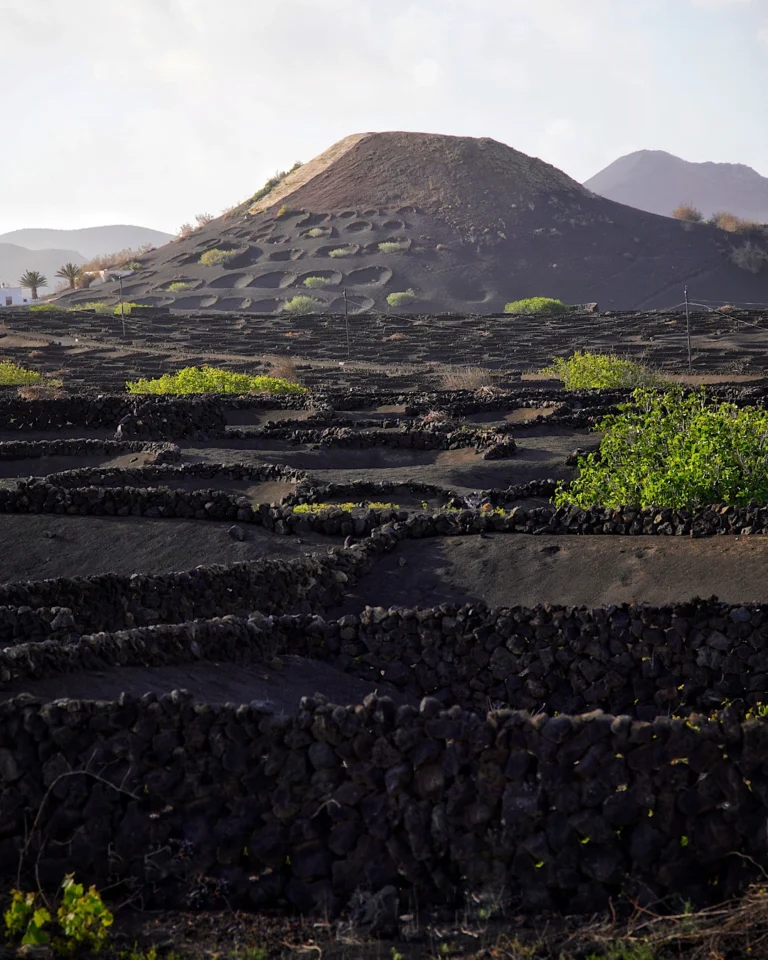
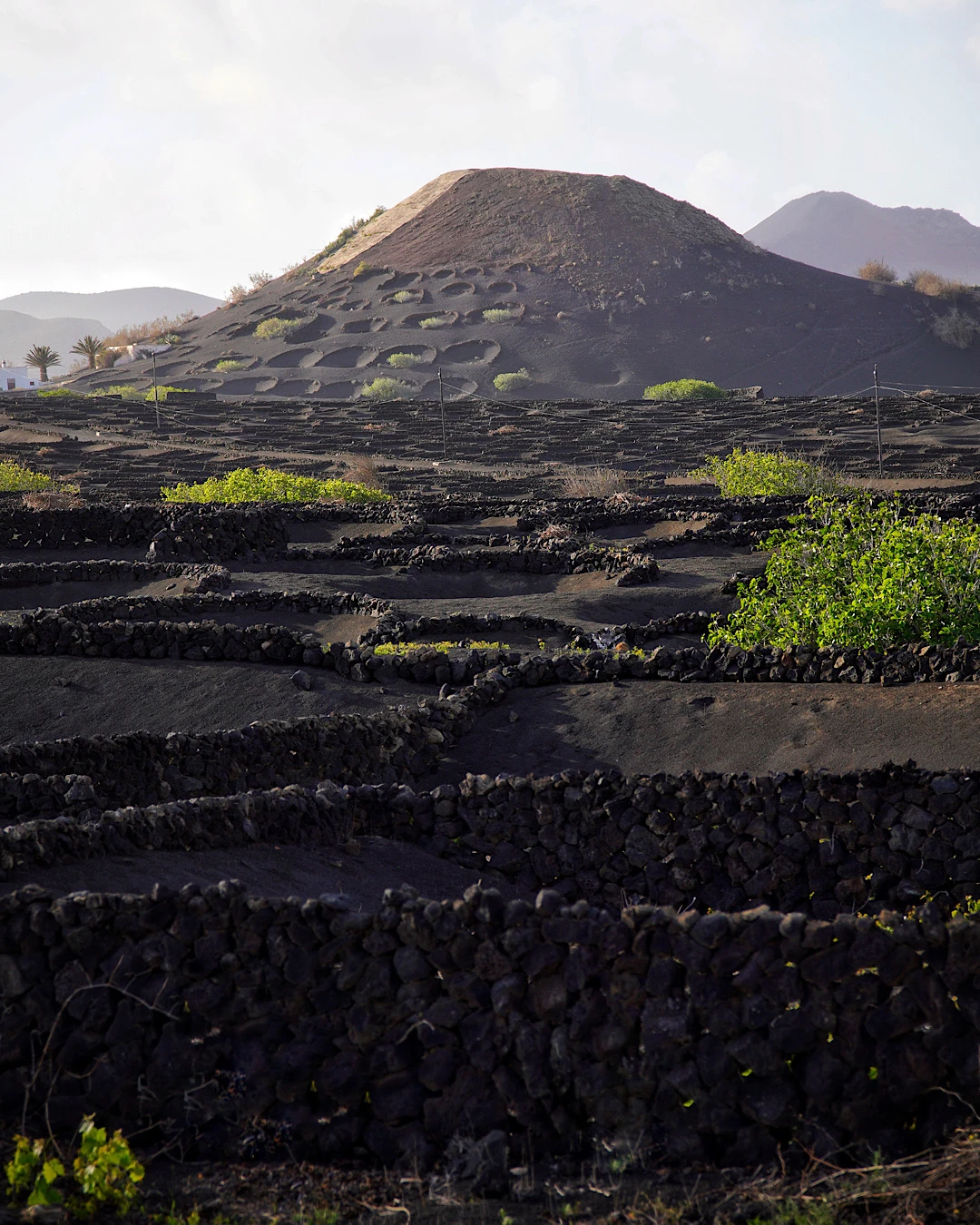
The drive from Tías to the La Geria wine region takes about 15 minutes. La Geria is a globally unique viticultural area where vines grow in protected lava pits called Zocos. A stop at Bodega La Geria or El Grifo (the oldest winery in the Canary Islands) is a must.
We spent about 1.5 hours admiring the surreal vineyards. Be sure to try the local Malvasía wine, famous for its volcanic mineral notes.
Jardín de Cactus:
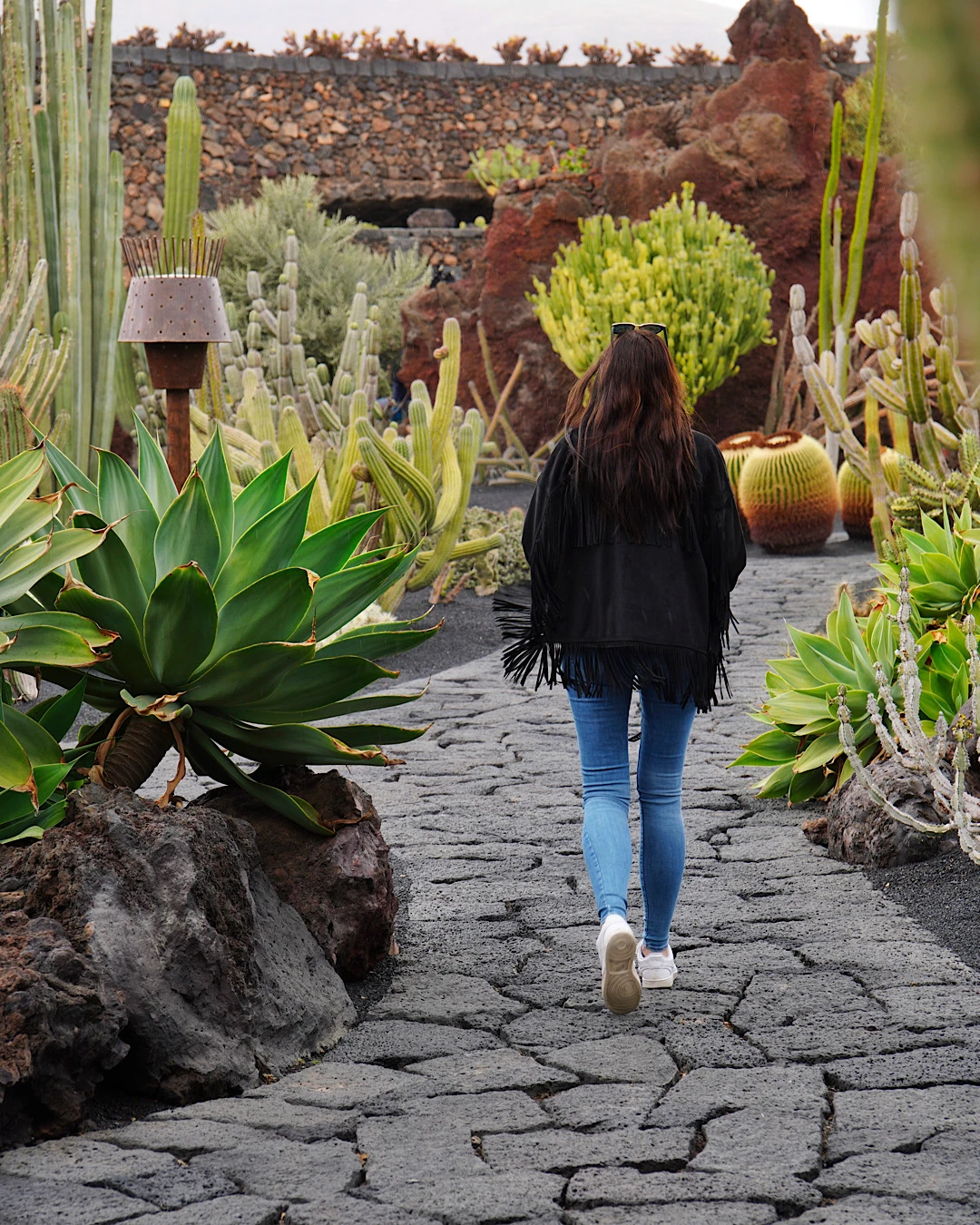
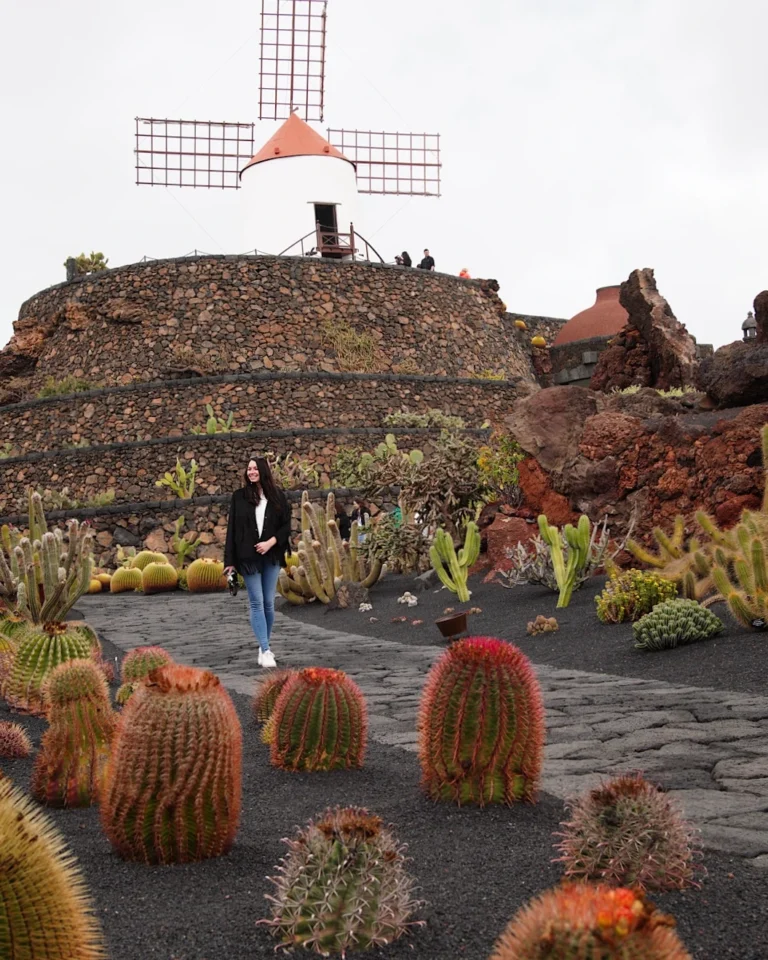
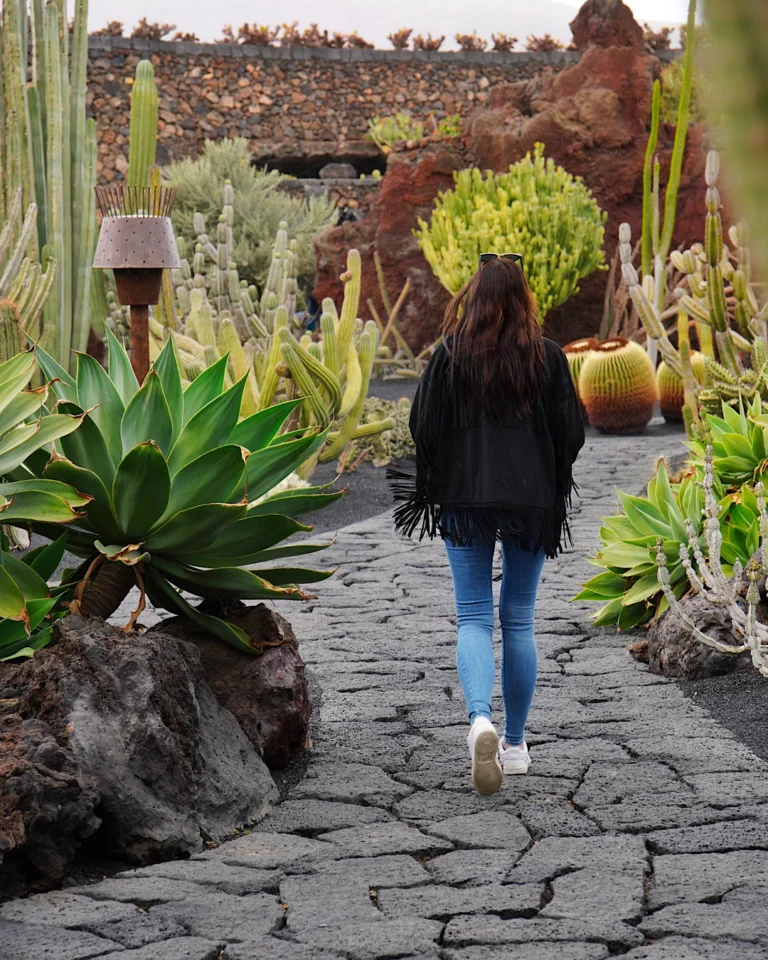
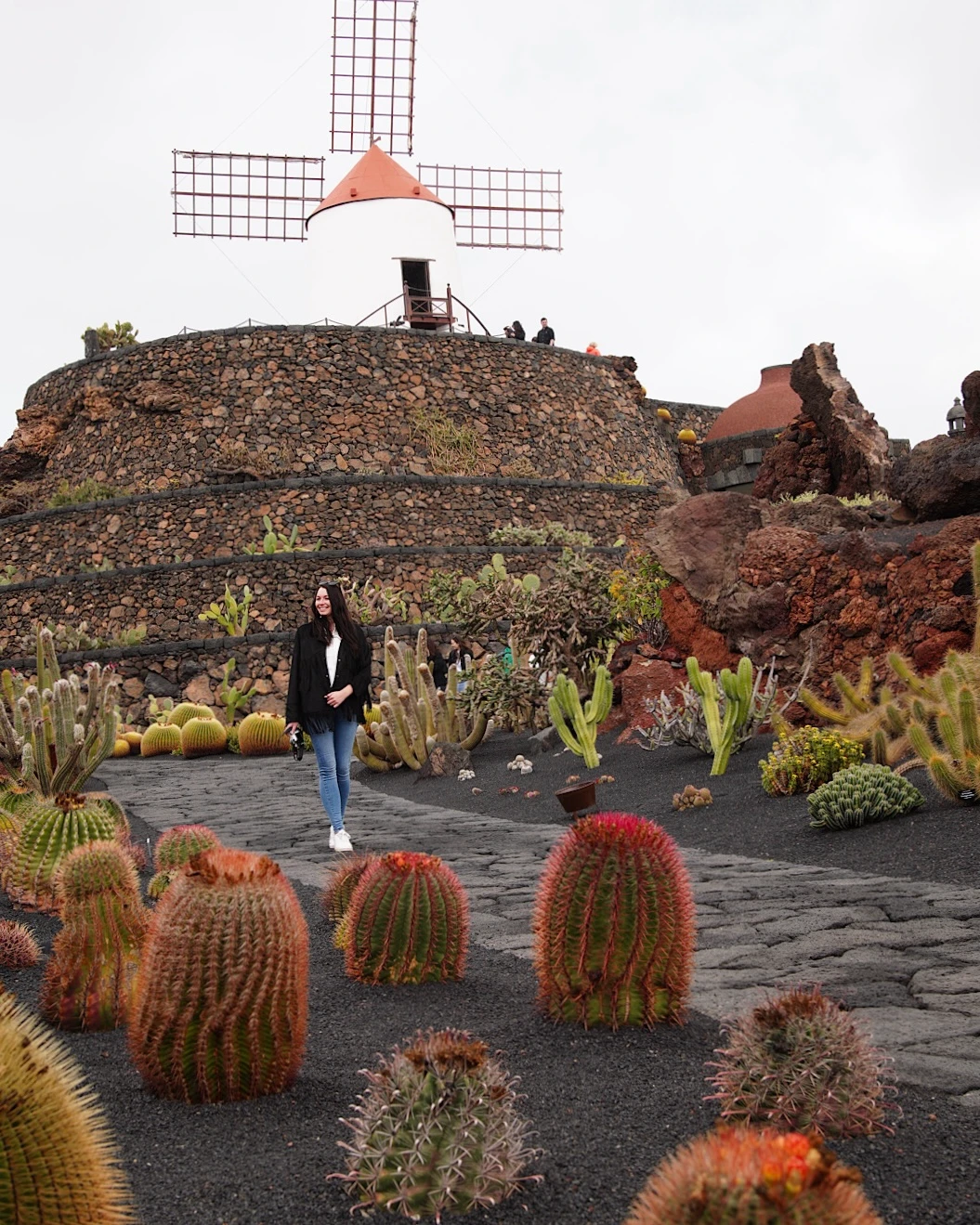
About 30 minutes from La Geria is the Jardín de Cactus – a cactus paradise situated in a former quarry, designed by César Manrique. It is home to around 4,500 species of cacti. The giant white windmill is a stunning centerpiece. In the Jardín de Cactus restaurant, you can enjoy the panorama and even try food and drinks made from cacti. We spent about 1.5 hours here. Expect crowds during peak season.
- Opening Hours: 10:00 AM – 5:00 PM.
- Book Tickets Online: Tickets | CACT – Lanzarote
- Brunch Reservations at Jardin de Cactus: Brunch im Jardín de Cactus auf Lanzarote
Arrecife:
About 20 minutes from the Cactus Garden lies Arrecife, the capital of Lanzarote.
The most beautiful spots are the Charco de San Ginés (a sea lagoon filled with blue and white fishing boats) and Castillo de San Gabriel (a coastal fortress). Everything is within a 15-minute walk, passing through the main shopping street, Calle Real. We spent about 2 hours exploring the city.
Barco Fantasma / Barco Telamon:
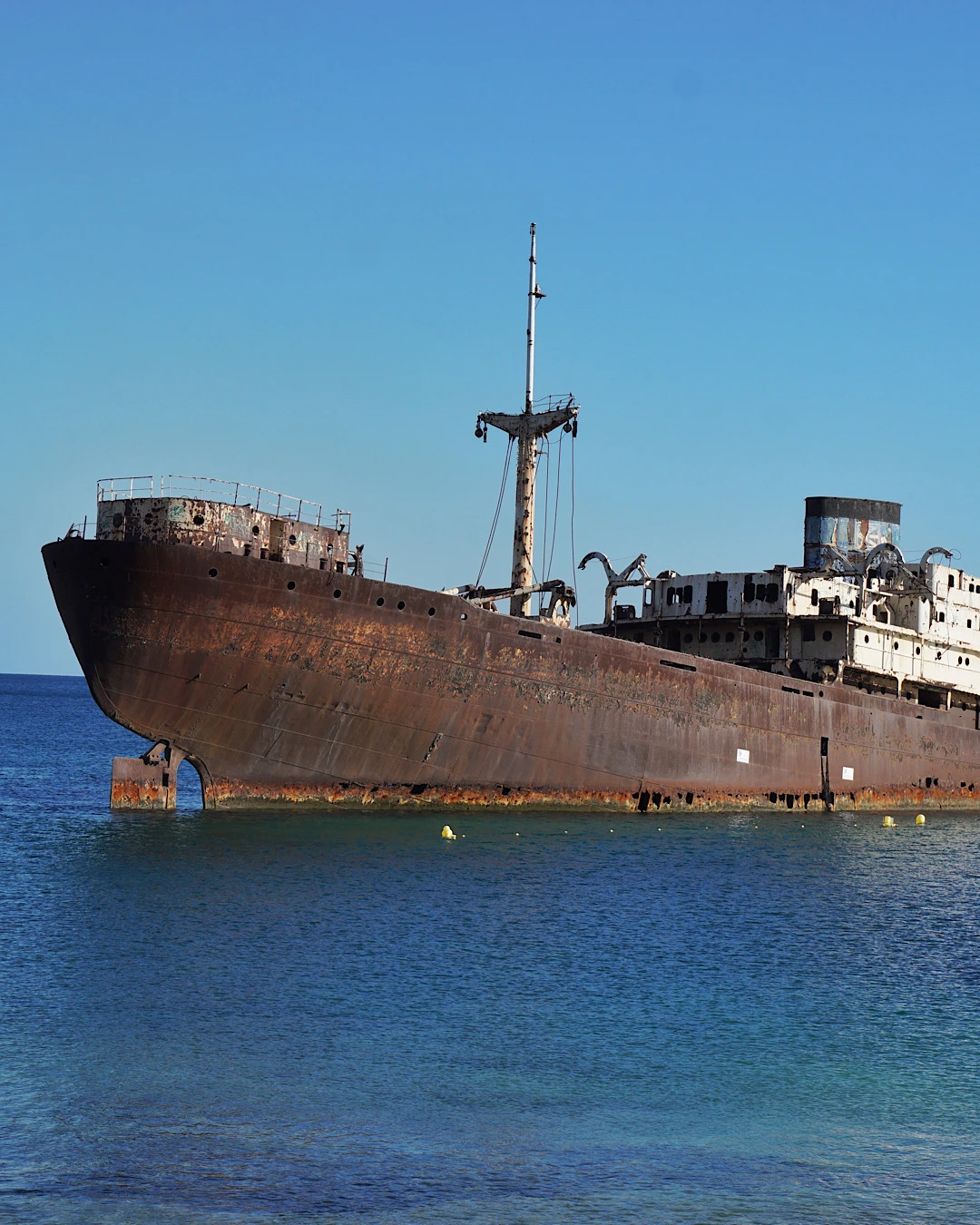
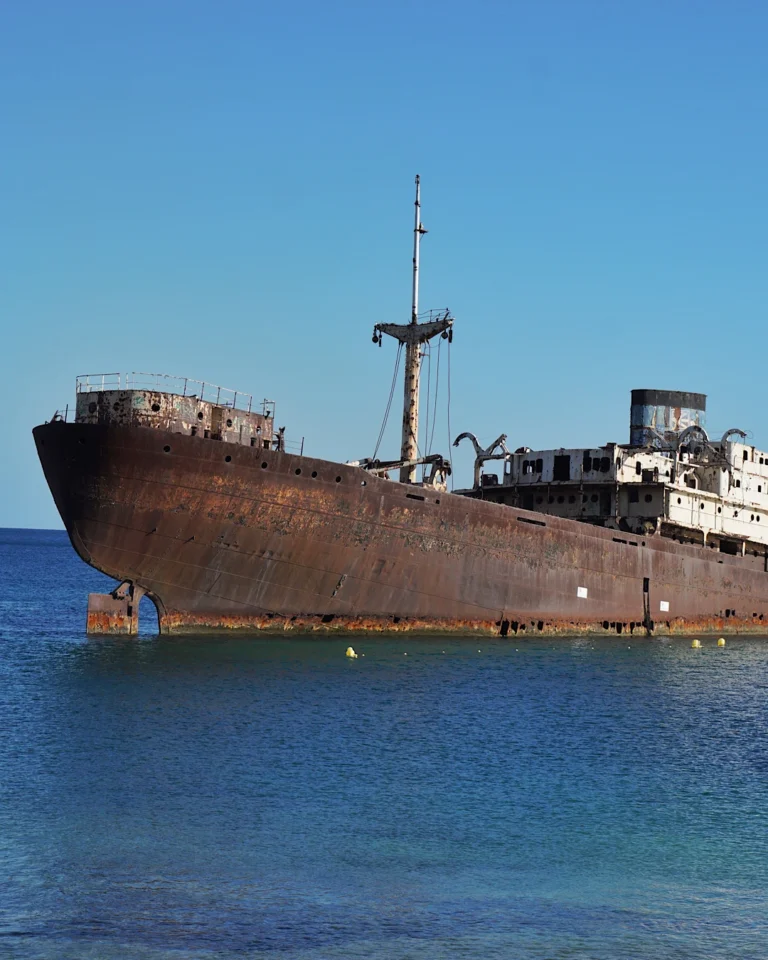
Just 10 minutes from Arrecife, you’ll find the Barco Fantasma (Ghost Ship), also known as the Barco Telamon. This Greek freighter has been stranded in the bay of Las Caletas since 1981 and is a “must” for photographers and Lost Place enthusiasts. Duration: Approx. 20 minutes.
- Safety Note: The wreck is unstable. Stay on the shore – the best photos are taken from the beach, especially at sunset.
La Isleta:
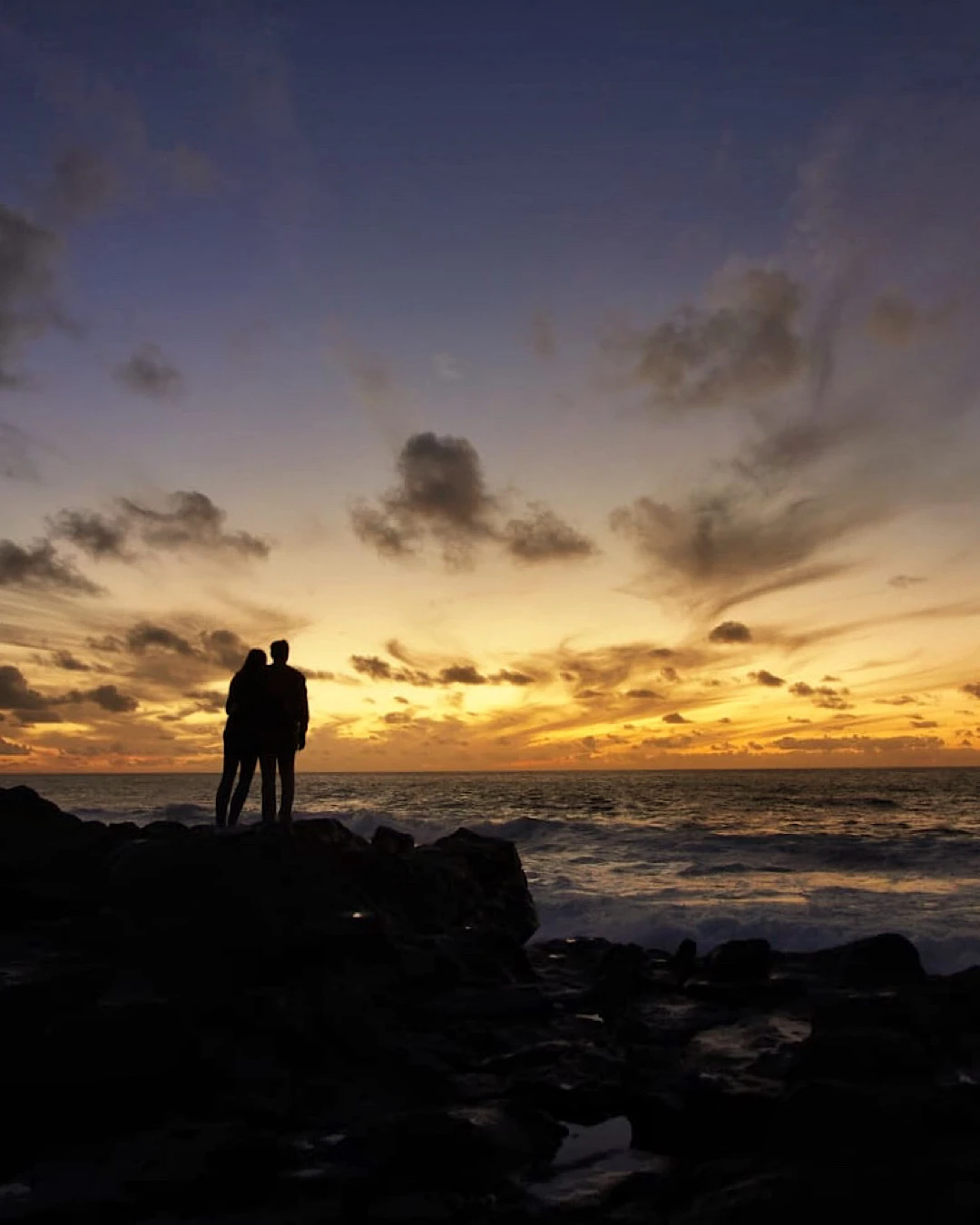
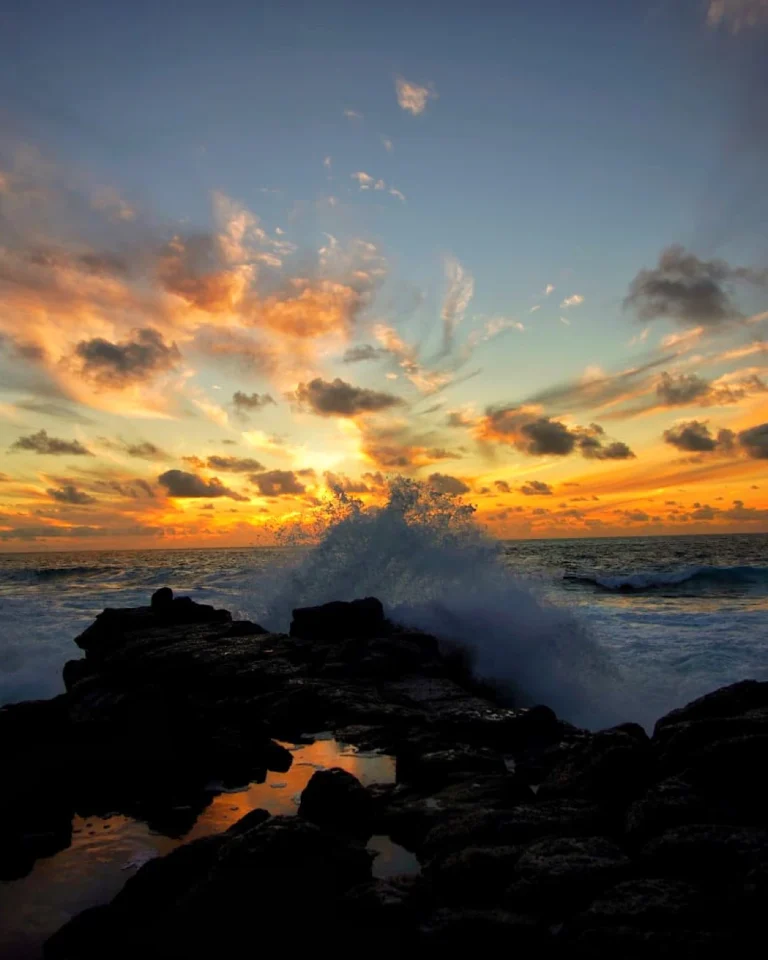
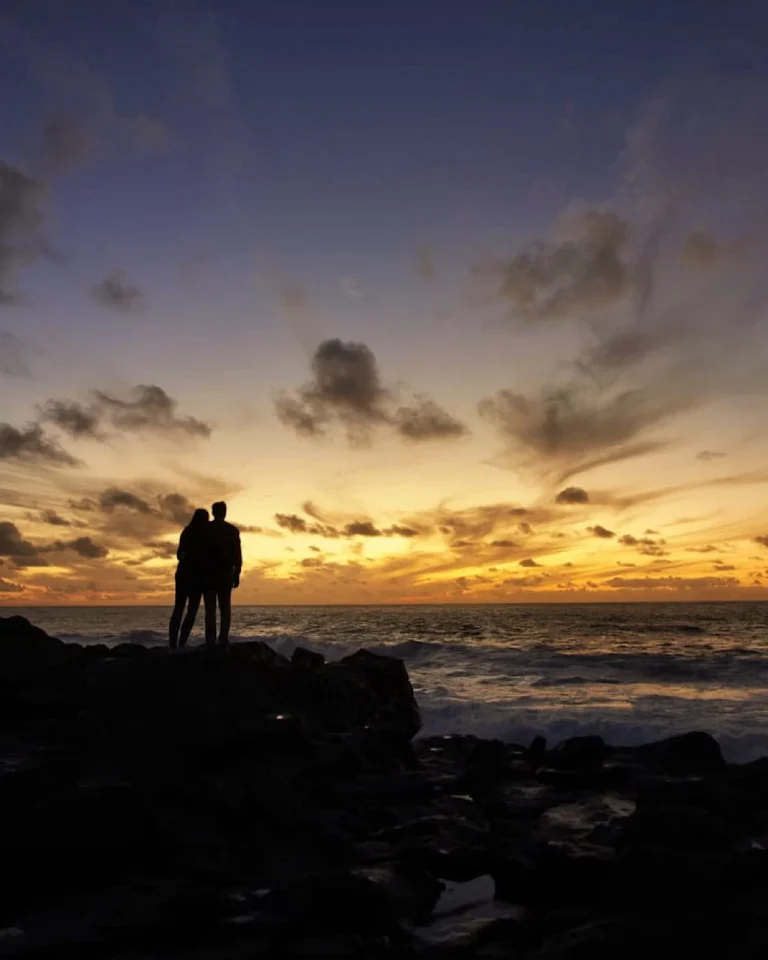
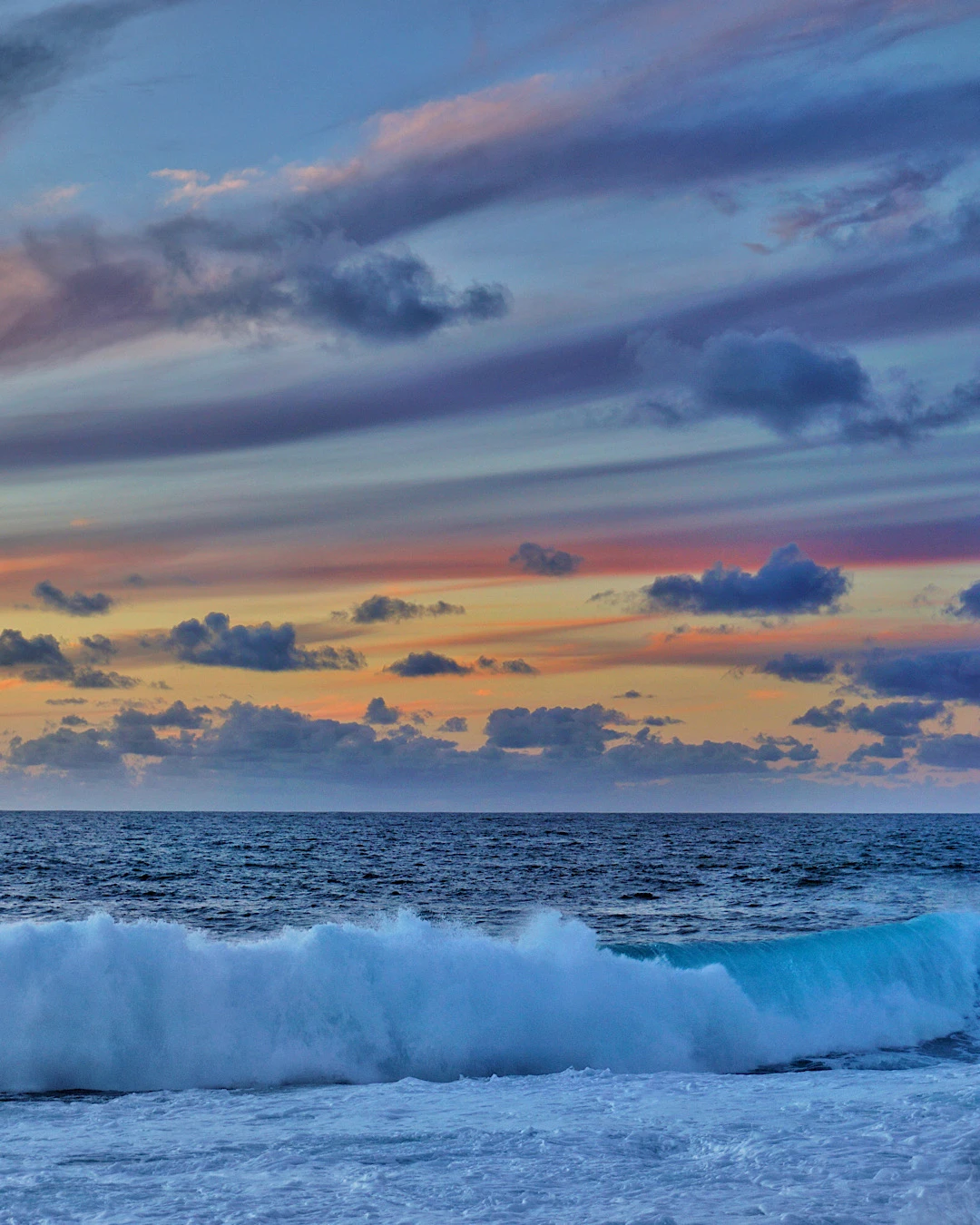
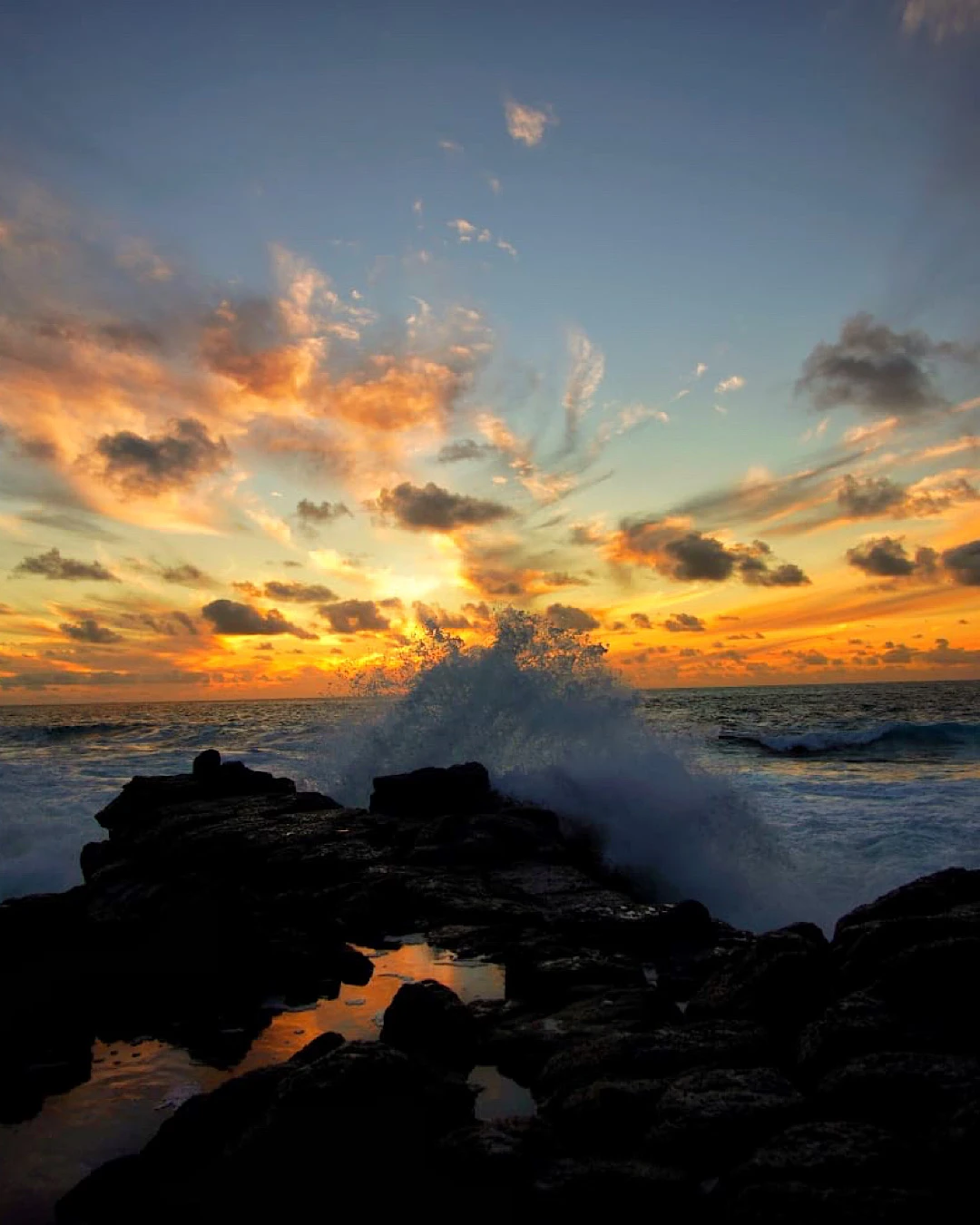
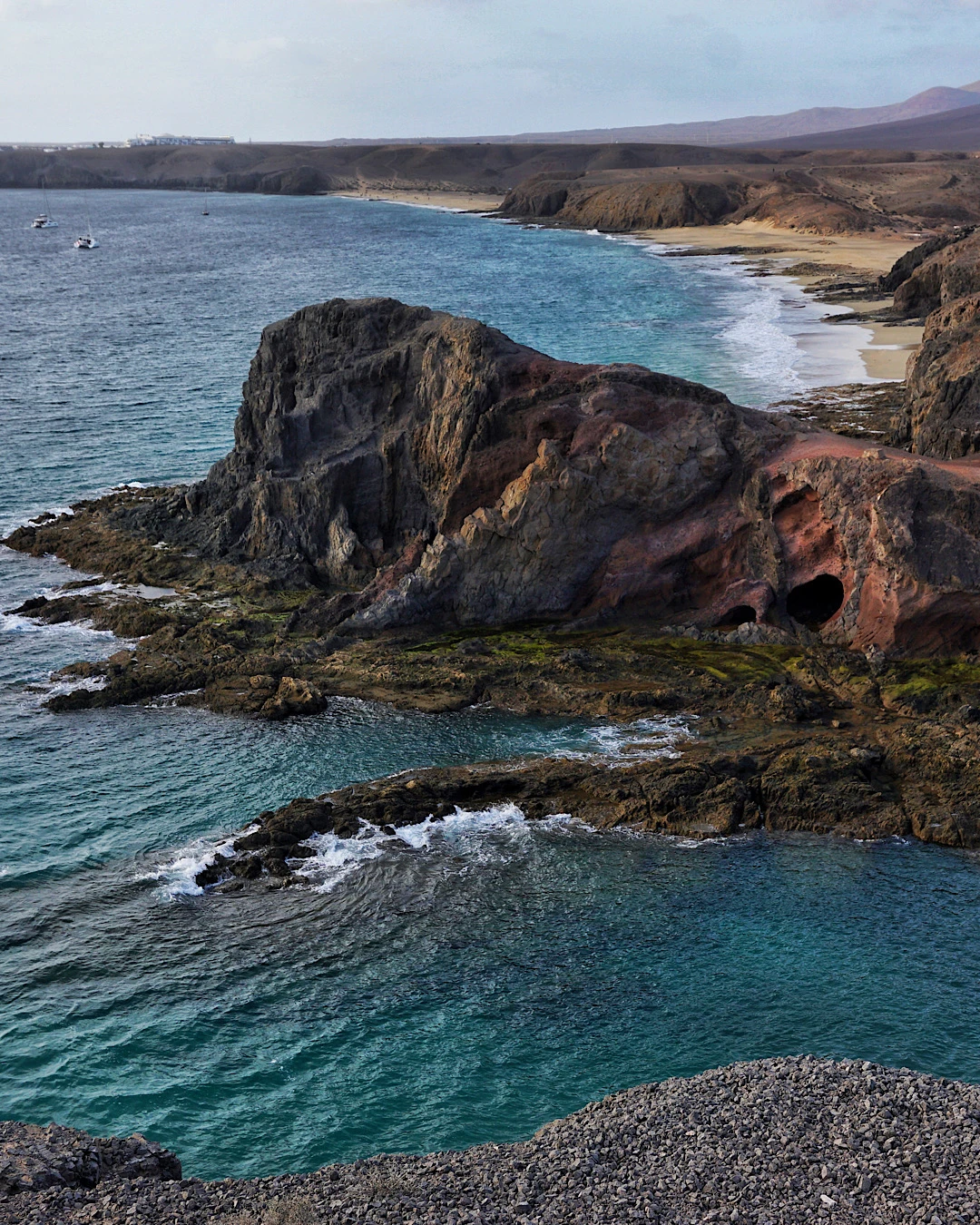
About 20 minutes from the shipwreck lies La Isleta. With almost no tourist infrastructure, it’s the perfect place to breathe deeply after the hustle and bustle of Arrecife. Here, the wild Atlantic surf crashes against dark rock formations.
- Photo Tip: Ideal for long-exposure photography as the sharp rocks jut dramatically out of the water.
- Wear sturdy shoes, as the ground consists of loose volcanic rock and sand. It can be very windy on this headland, so bring a jacket!


Day 3: Arrieta, Jameos del Agua, Puerto del Carmen, Timanfaya National Park, and Salinas de Janubio
Arrieta:
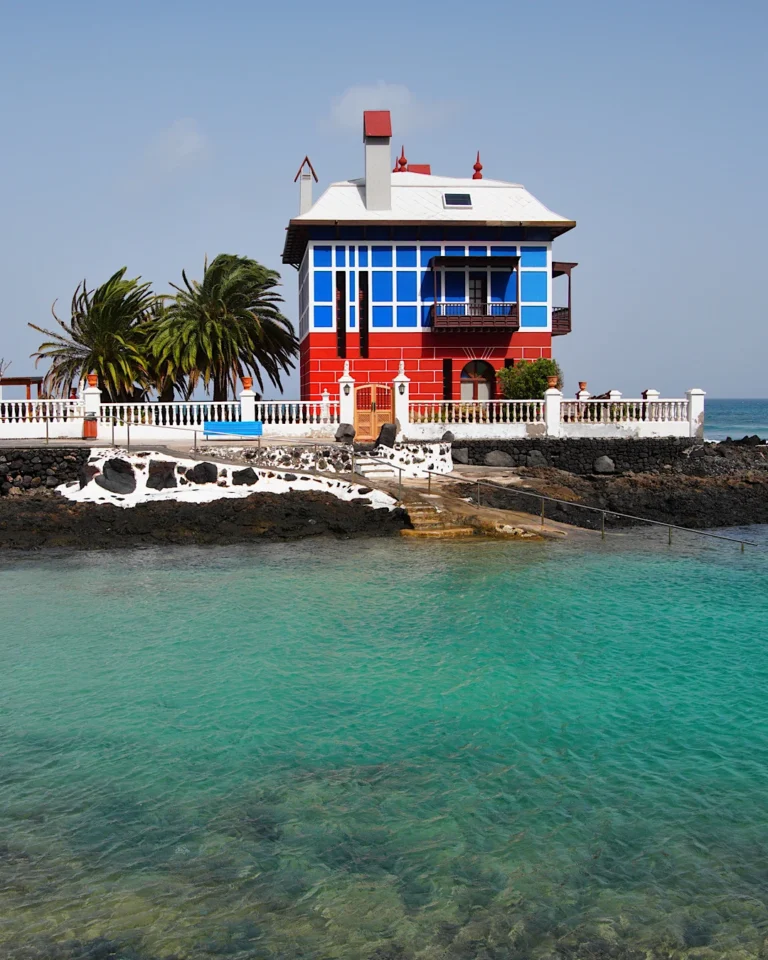
Arrieta is a laid-back and quiet fishing village. The charming “Blue House” (La Casa Juanita) right by the ocean and the golden sands of Playa de la Garita were absolute highlights. Dining Tip: If you are there around lunchtime, stop by one of the local restaurants. The fish is freshly caught and significantly cheaper than in the major tourist hubs. We spent about 1 hour exploring this cozy village.
Jameos del Agua:
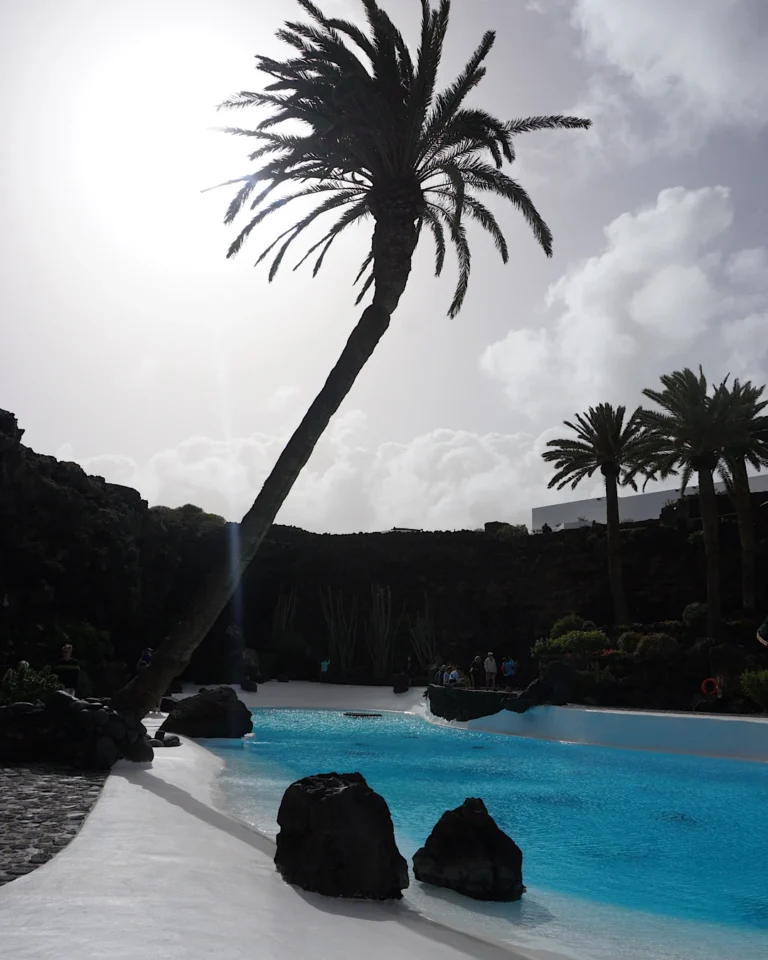
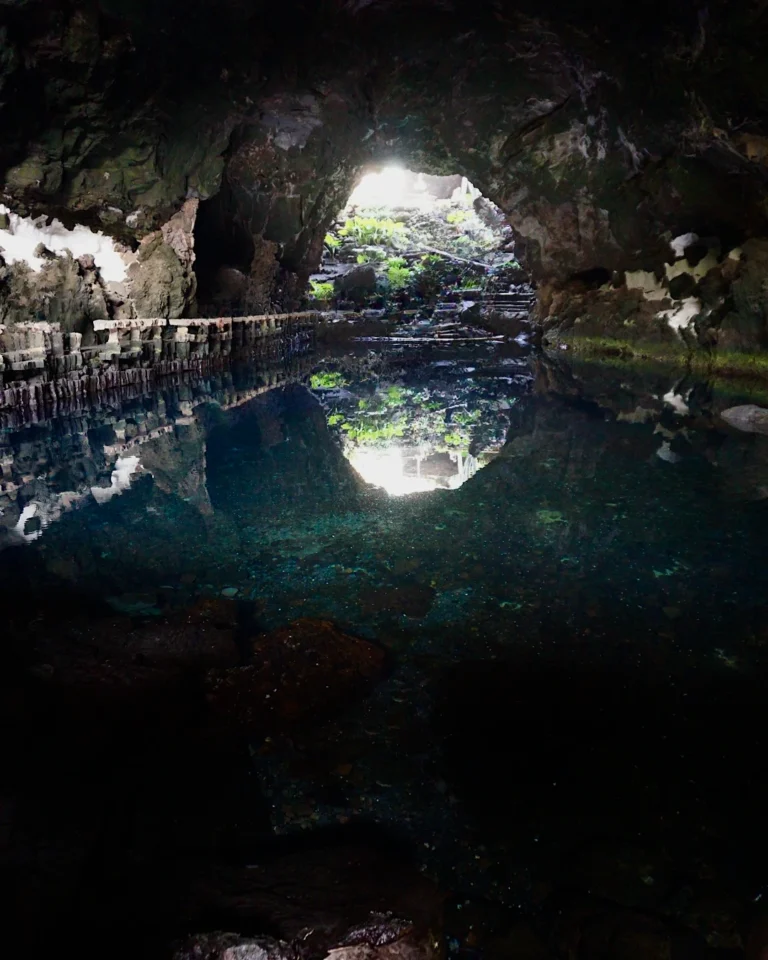
Only 10 minutes from Arrieta lies the “place of well-being” created by artist César Manrique: Jameos del Agua. This cultural center is part of a lava tube formed by the eruption of the Corona Volcano. The Highlight: An underground saltwater lake home to tiny albino crabs, which exist nowhere else on Earth. We spent about 1.5 hours here. Even in the low season, it can get crowded as many tour buses stop here.
- Important: Do not use flash photography, as the crabs are extremely light-sensitive.
- Opening Hours: 10:00 AM – 6:00 PM
- Official Website: Jameos del Agua – CACT Lanzarote
- Book Tickets: Tickets | CACT – Lanzarote
Puerto del Carmen / Matagorda Beach:
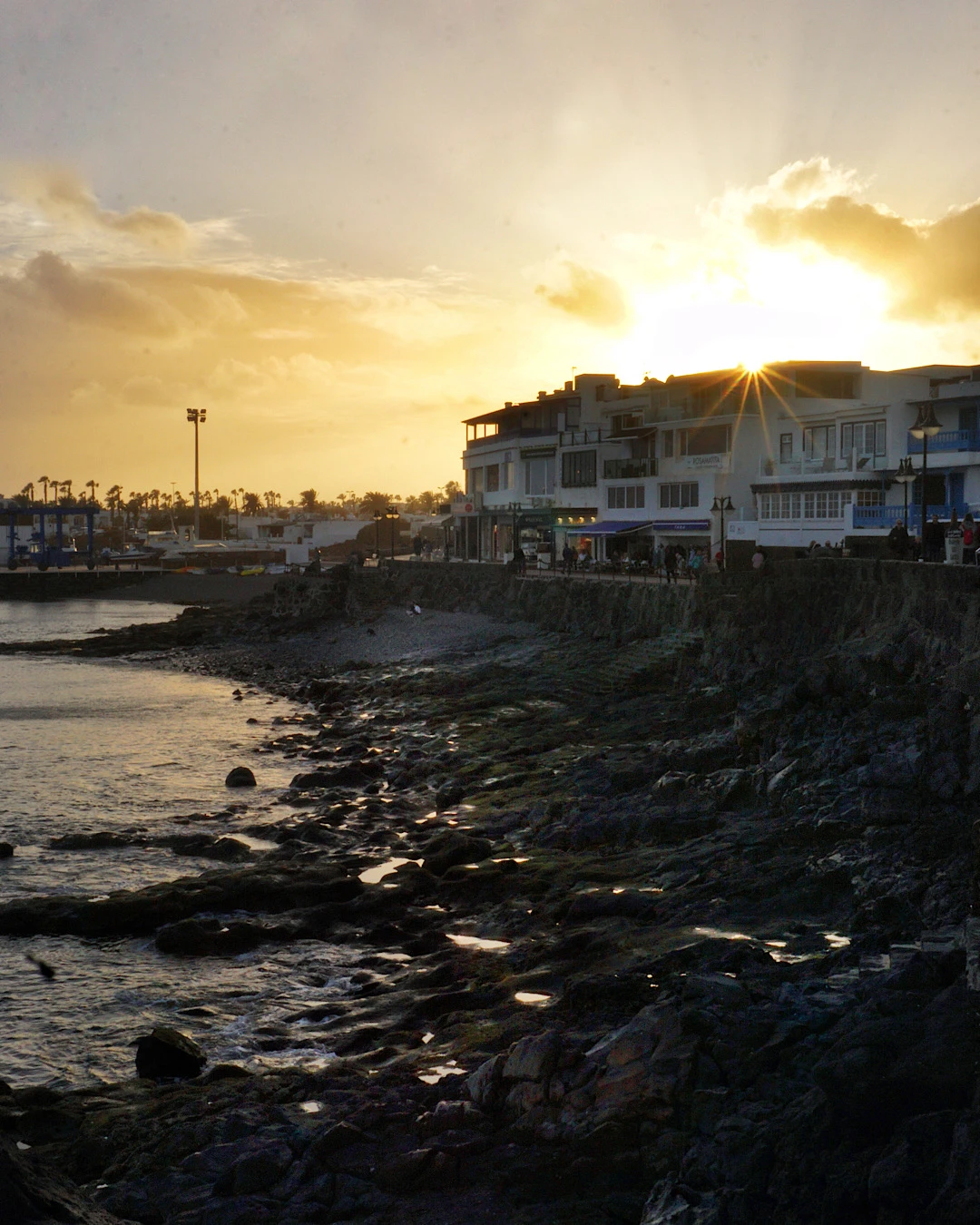
About 20 minutes from Jameos del Agua is Puerto del Carmen, the perfect spot for a stroll along the long beach promenade, Avenida de las Playas. You can also stop at the old harbor (Puerto Viejo) for a coffee or ice cream with a stunning view of the boats. We spent about 1,5 hours here.
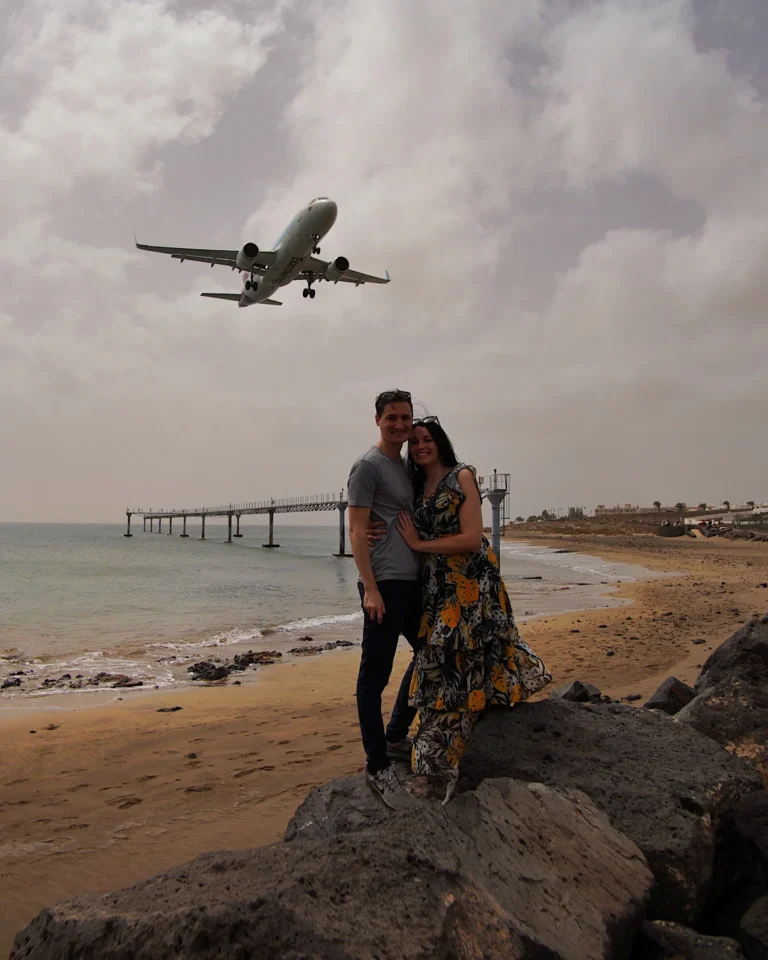
A true highlight for photographers is plane spotting at Matagorda Beach. Since the runway begins almost directly at the shore, holiday jets thunder at low altitudes right over your head. Stand by the airport perimeter fence – you won’t get closer to landing aircraft anywhere else in the world!
Timanfaya Nationalpark:
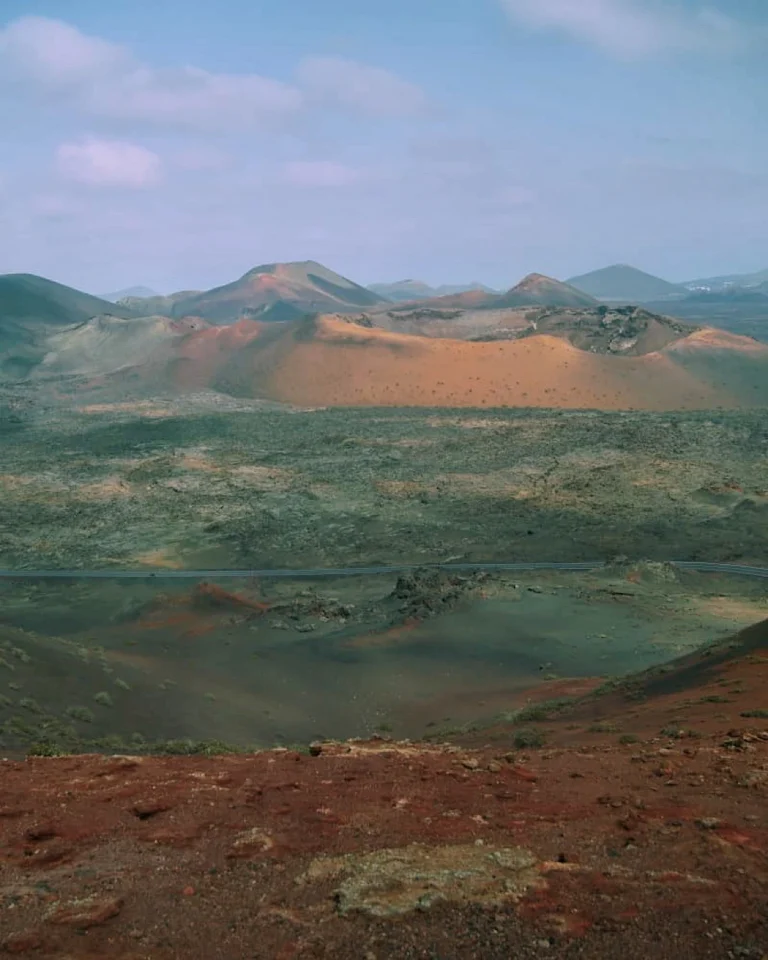
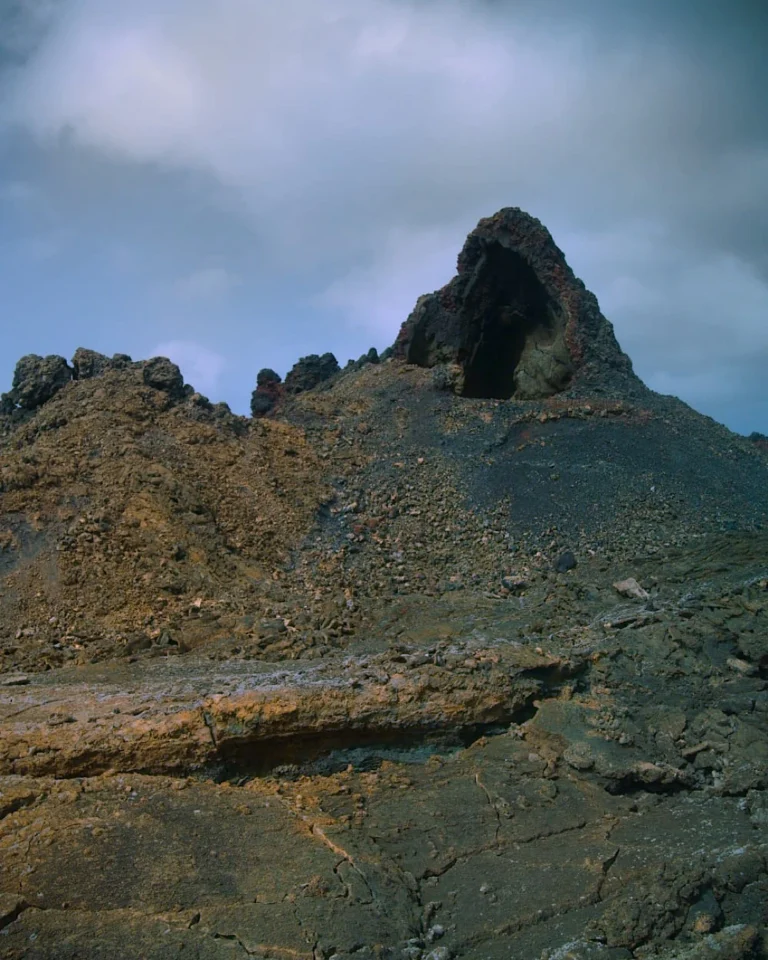
After a 25-minute drive from Puerto del Carmen, you reach Timanfaya National Park – an absolute MUST for any Lanzarote trip! This active volcanic area, formed in the 18th century, features an otherworldly lava landscape.
The volcanic area can only be explored via guided bus tours. We recommend visiting early in the morning or late in the afternoon to avoid long queues.
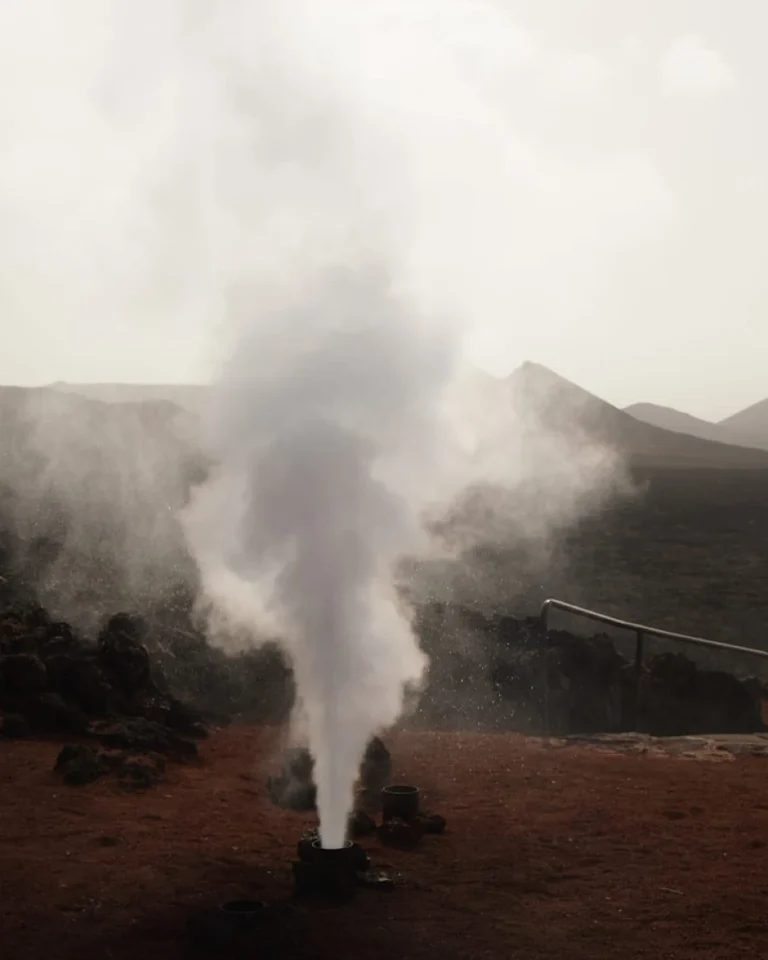
Beside the bus tour, the geothermal demonstrations at Islote de Hilario are mind-blowing. Watch as rangers pour water into a hole in the ground, only for a massive lava fountain (steam geyser) to shoot skyward with a loud hiss – proof of the intense heat just beneath the surface.
- Opening Hours: 9:30 AM – 3:45 PM
- Restaurant Tip: Visit El Diablo, where meat is grilled using only the natural heat of the earth!
- More Information here: Discover the Timanfaya National Park | Lanzarote.com
- Tickets: Montañas del Fuego (Timanfaya) Eintrittskarte | CACT – Lanzarote
Salinas de Janubio:
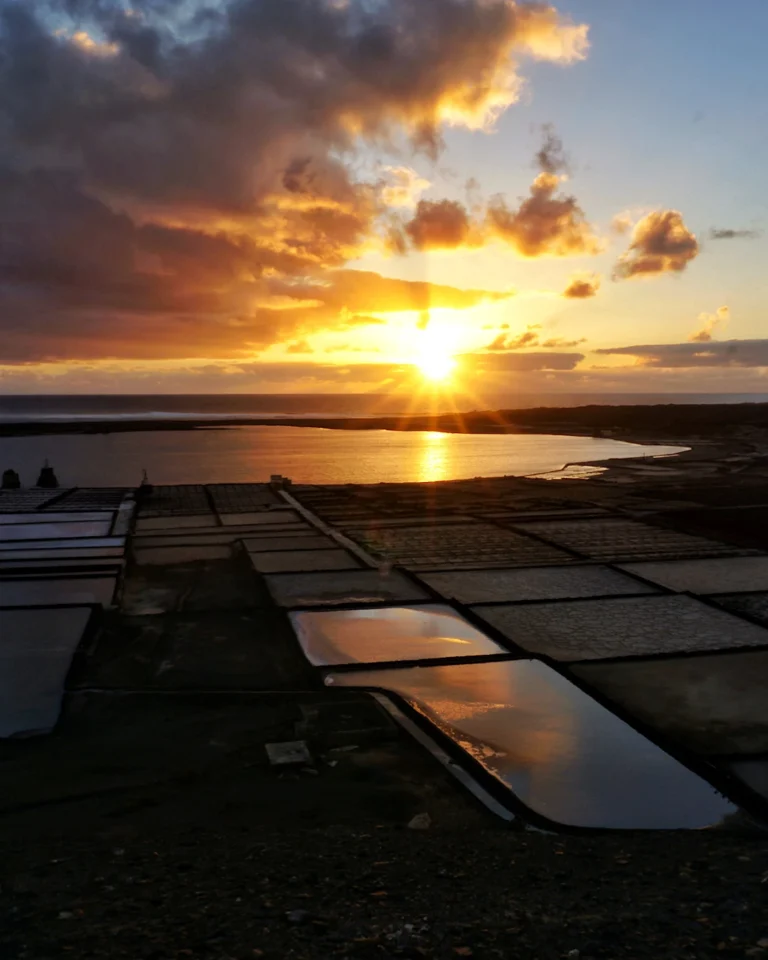
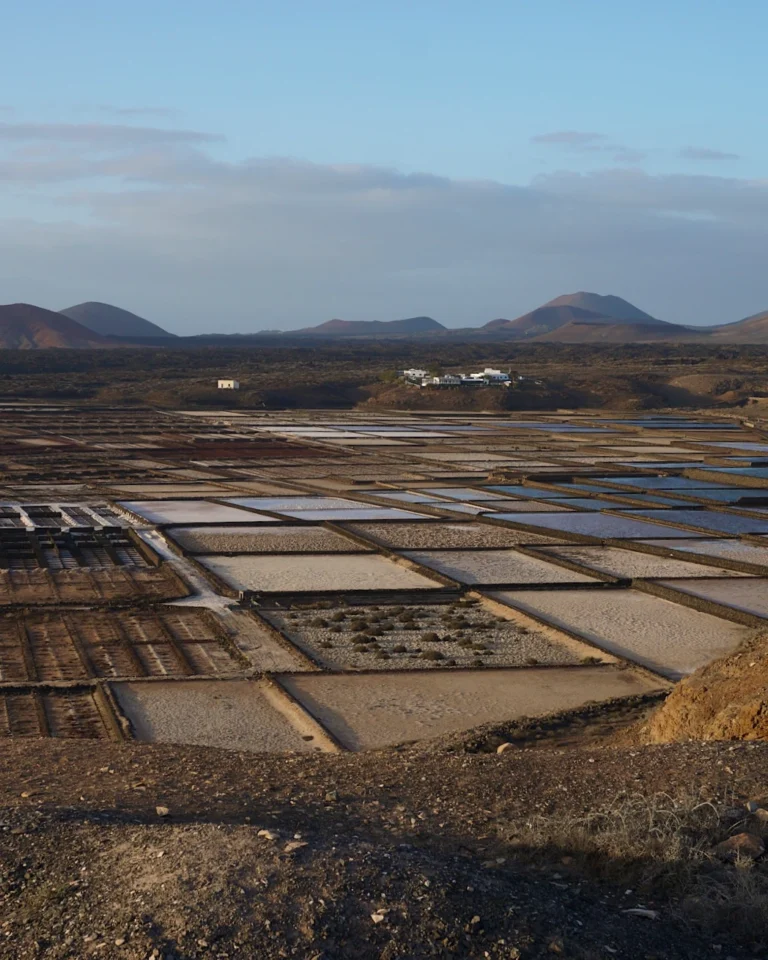
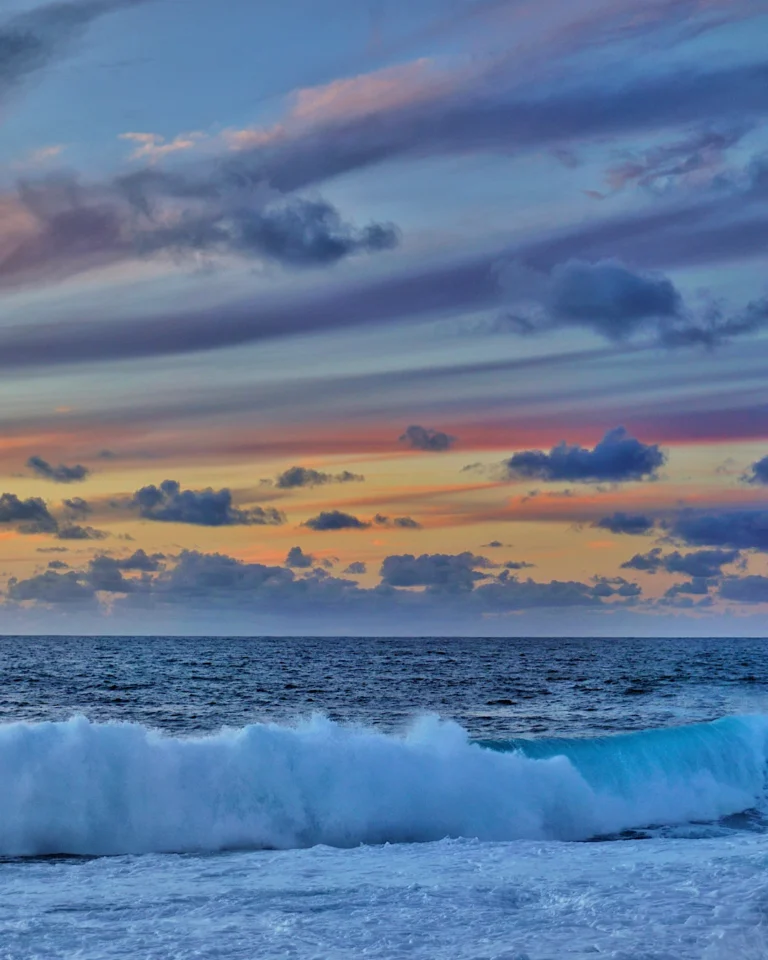
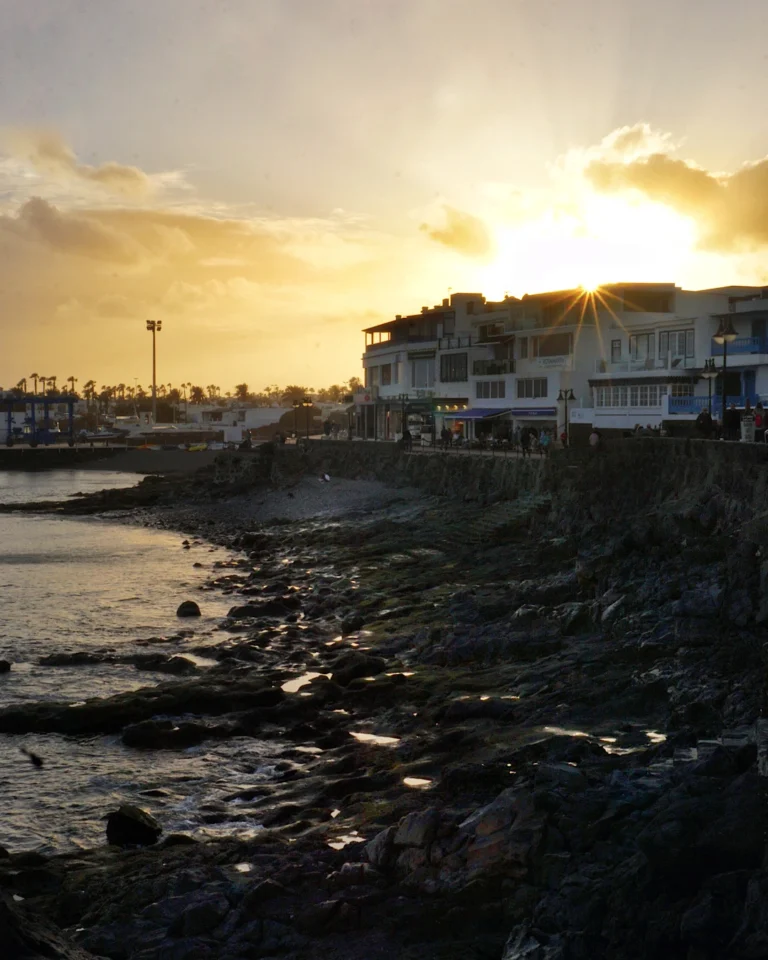
End your day about 15 minutes away at the Salinas de Janubio. These are the largest salt pans in the Canary Islands and, depending on the sun’s position, they glow in shades of white, pink, or deep red. We spent about 1 hour here watching the sunset; during the day, 15–30 minutes is enough to take in the views.
Day 4: Papagayo Beach, Montaña Bermeja, Los Hervideros, and Lago Verde Papagayo Beach: Golden Sands & Turquoise Waters
Papagayo Beach:
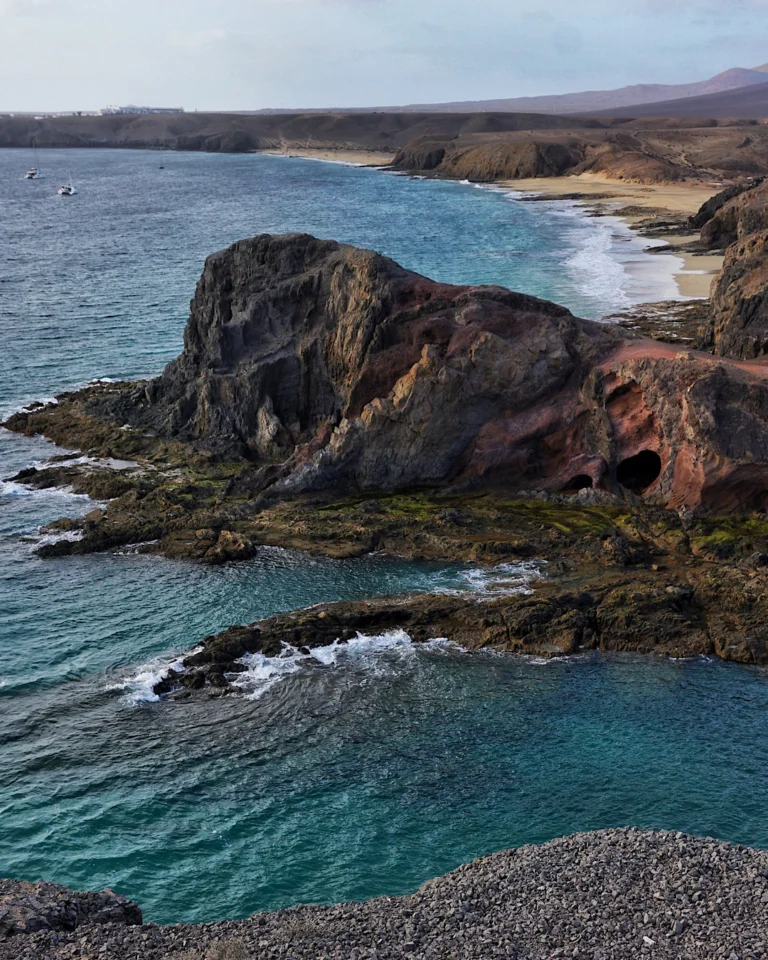
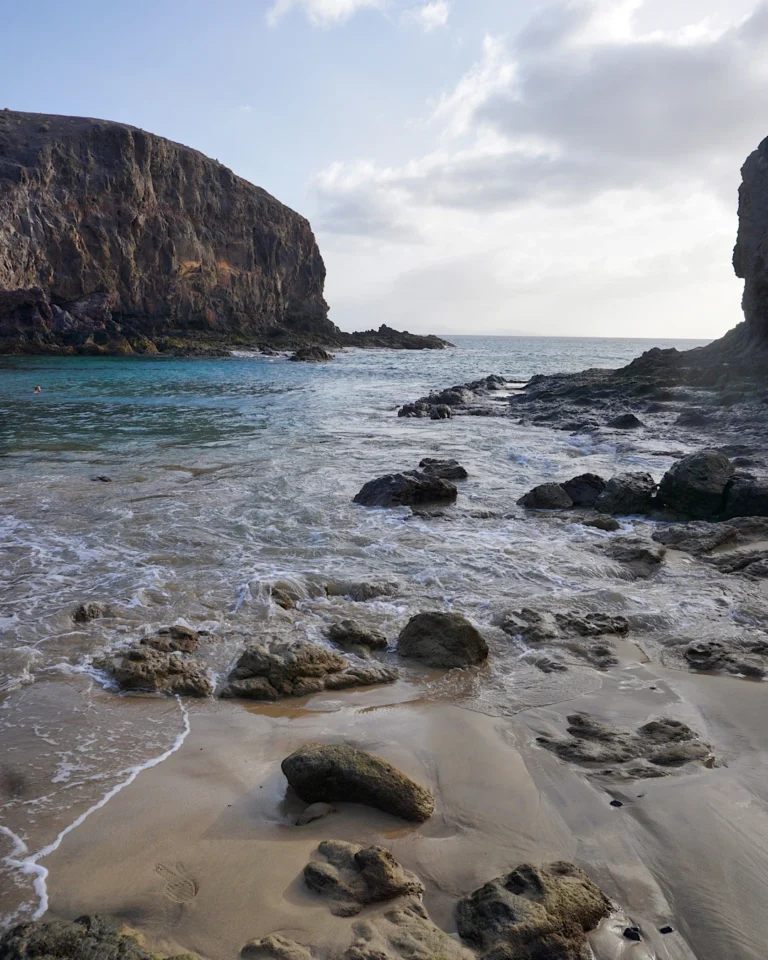
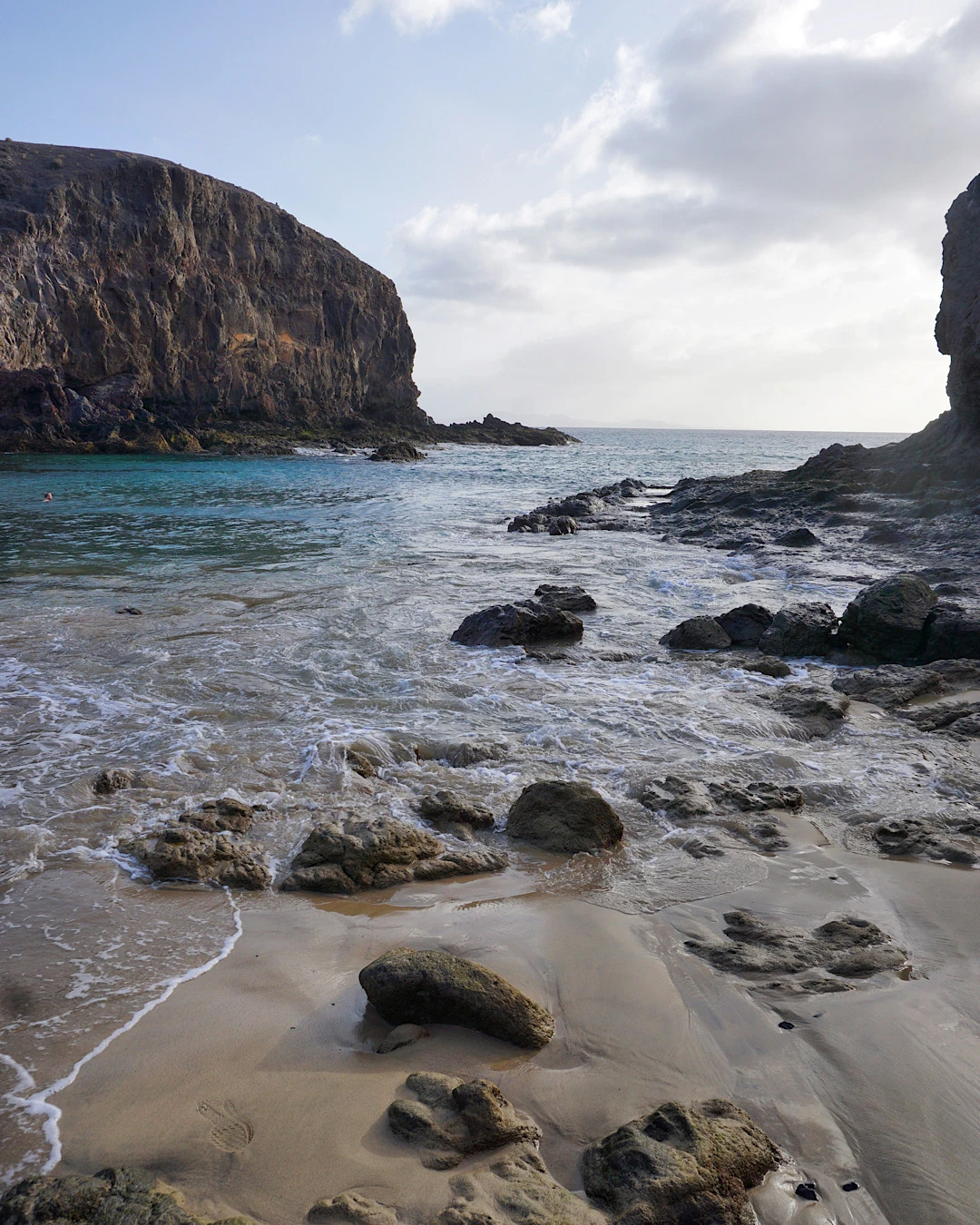
We start the day very early at Papagayo Beach to enjoy one of the most beautiful bays in the south of the island. The drive to the beach is a bit of an adventure – about 5 km of gravel road – but the postcard views are absolutely worth it. Crystal-clear water meets golden sand, sheltered by dark cliffs.There are several coves to explore, such as Playa Mujeres or Playa del Pozo. The main bay, Playa de Papagayo, is the most famous and features a small bar (Chiringuito) perched on the cliffs. You could easily spend a full day here; we stayed until 1:00 PM.
- Toll Fee: Approx. €3 per car for the gravel road access.
- Important: Check your rental car contract, as many providers do not insure driving on unpaved roads.
- Arrive before 10:00 AM to beat the crowds and secure a parking spot.
Montaña Bermeja:
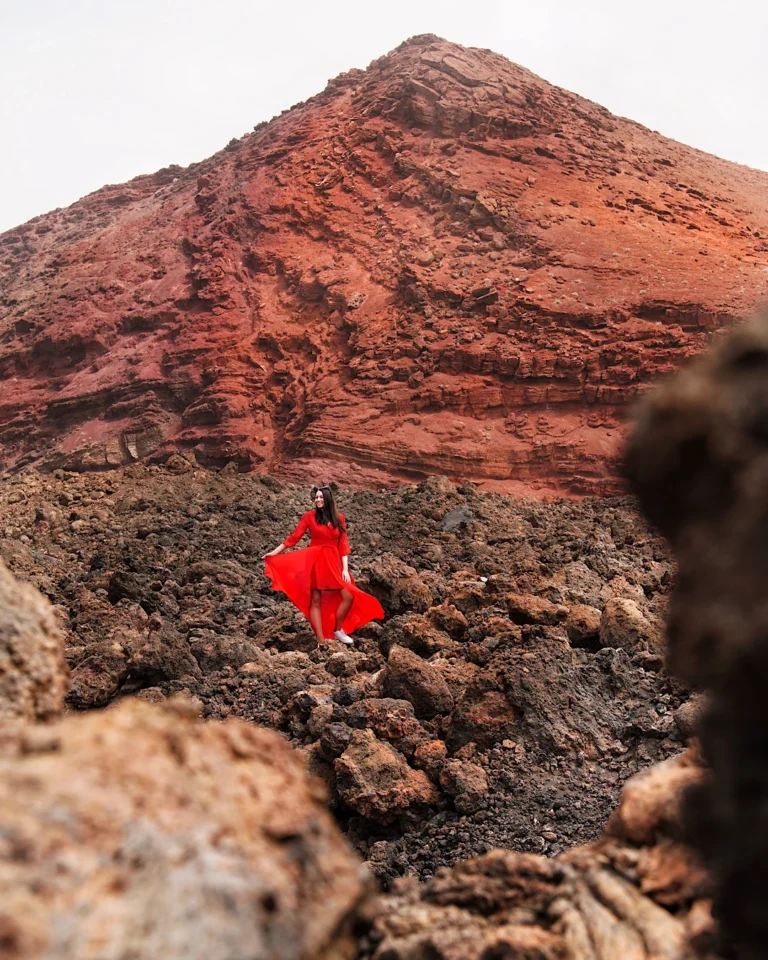
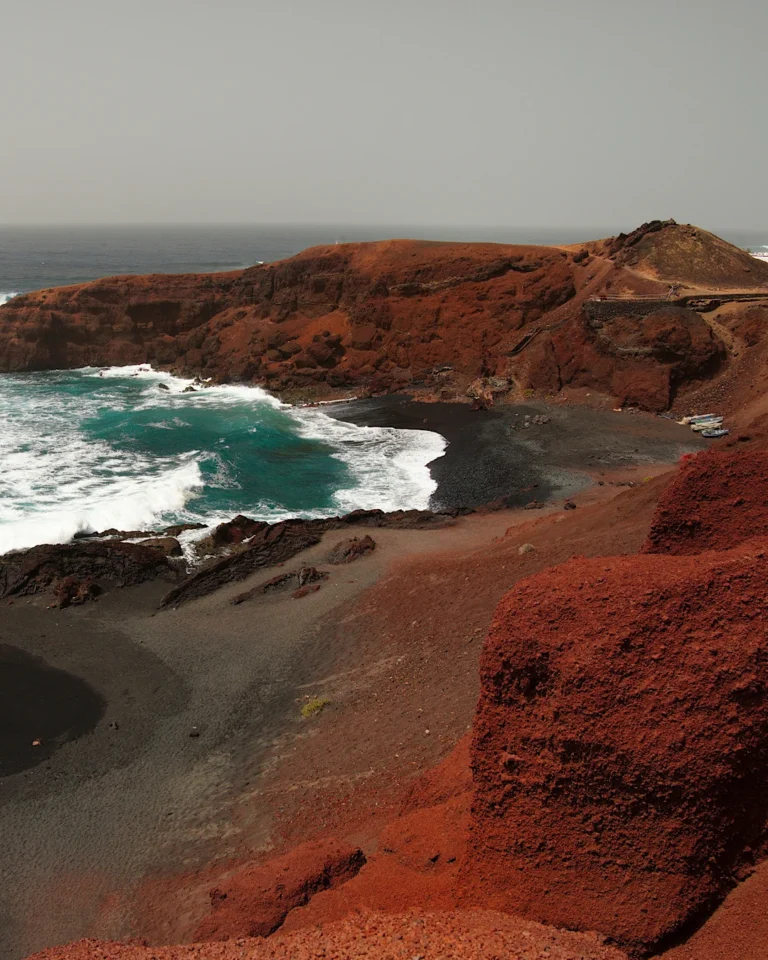
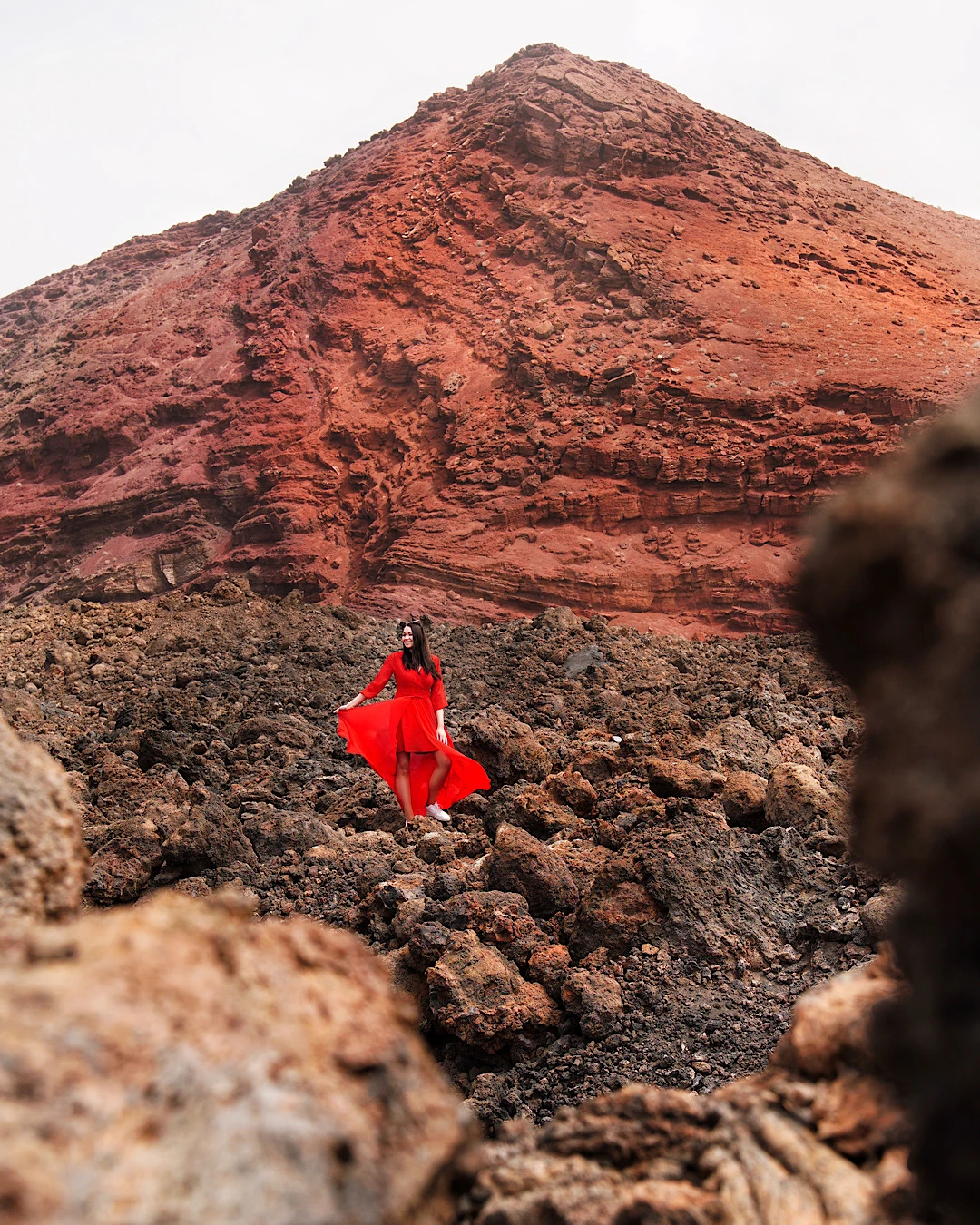
About 25 minutes away lies a deep red cinder cone volcano right next to a black beach—Montaña Bermeja. This is a true hidden gem. The intense color contrast between the crimson rocks and the pitch-black coastline is unique. Right in front of the volcano lies a small green lagoon that is often overlooked by travelers. We spent about 40 minutes admiring the vibrant volcanic formations.
Los Hervideros:
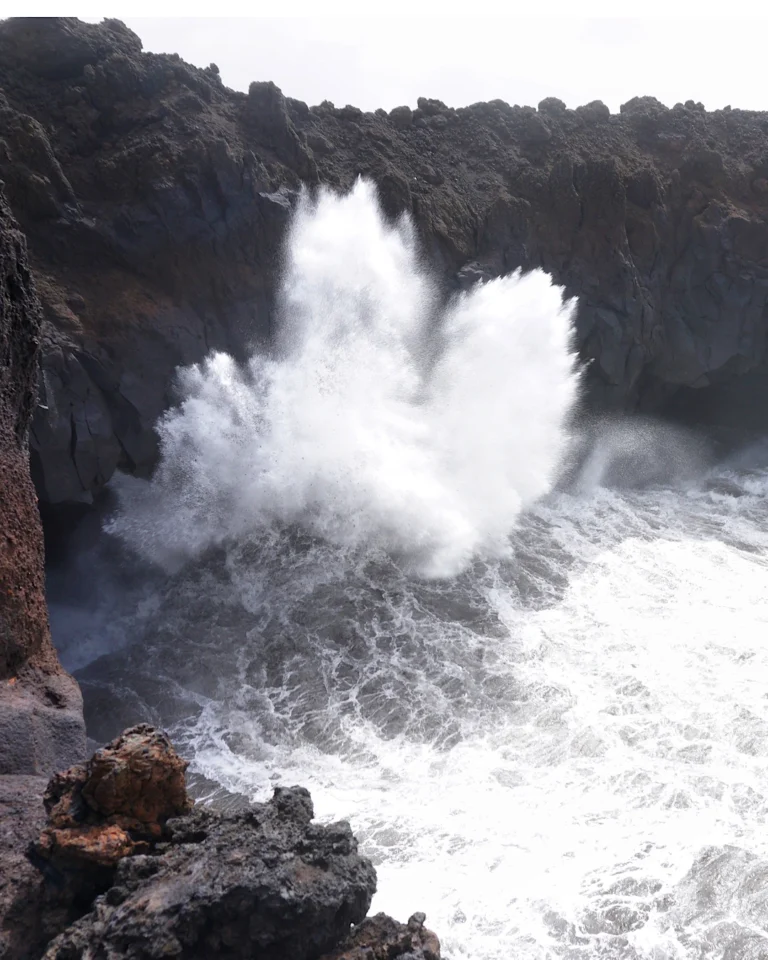
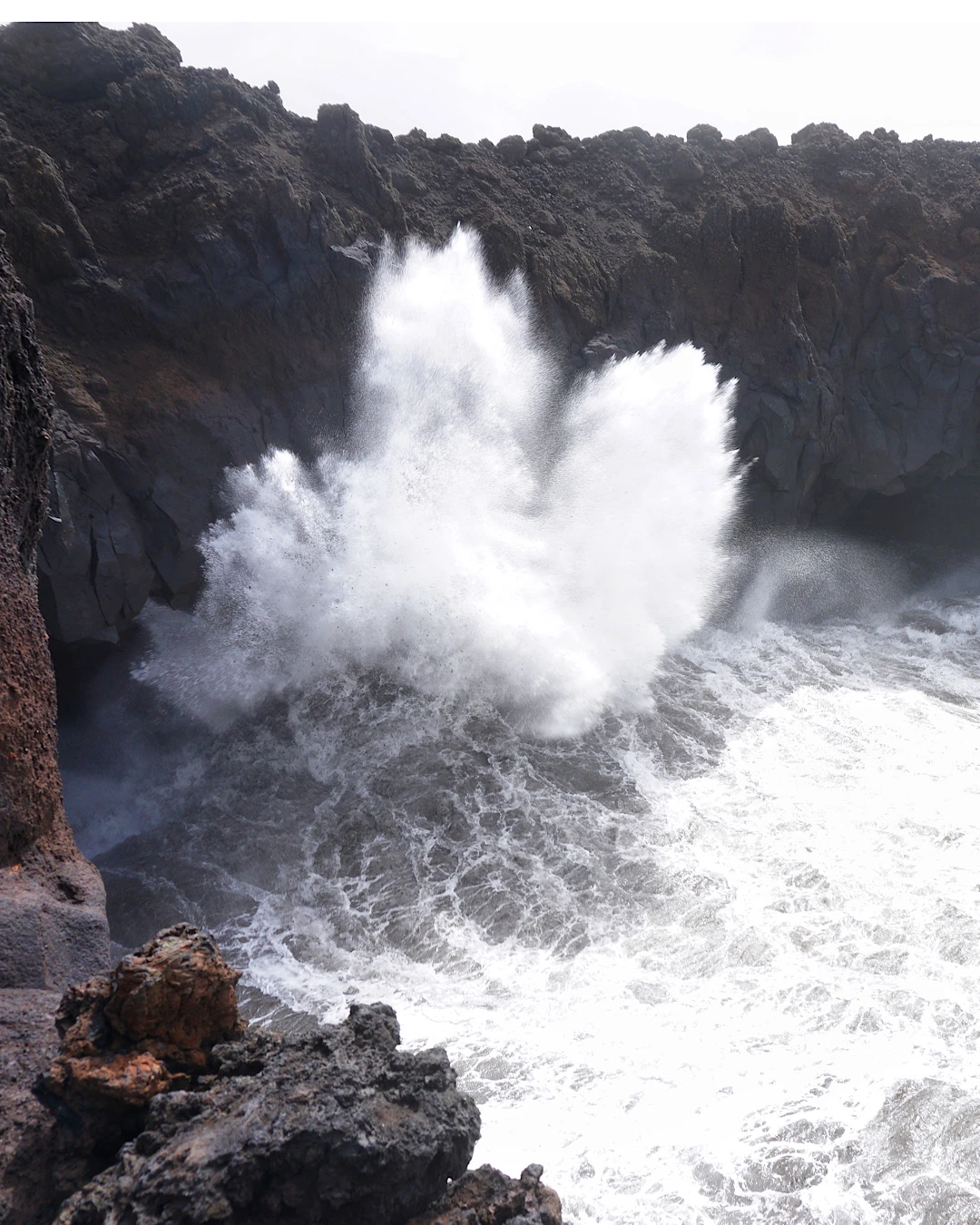
Just 5 minutes from Montaña Bermeja, you’ll reach Los Hervideros, a breathtaking natural spectacle. Massive Atlantic waves crash with full force into volcanic sea caves. A labyrinth of paths leads you directly over the precipices. During high surf, the water surges into the holes with such power that it sprays upward like boiling water (hence the name “The Boilings”). Entry and parking are free. Duration: Approx. 45 minutes.
Lago Verde & Laghetto Verde:
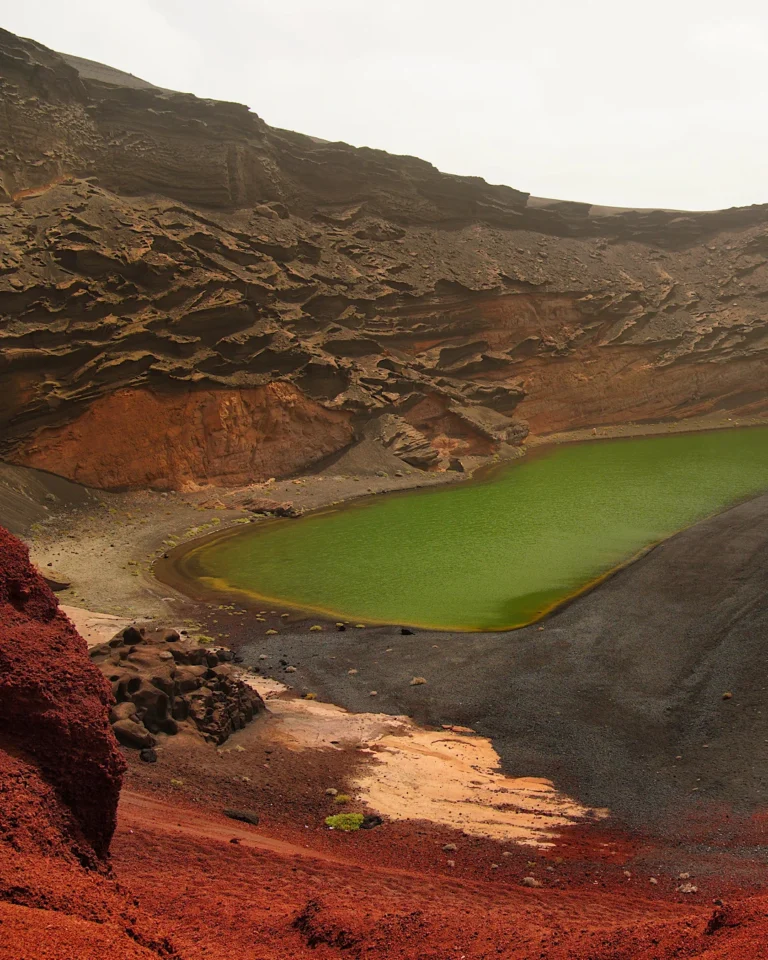
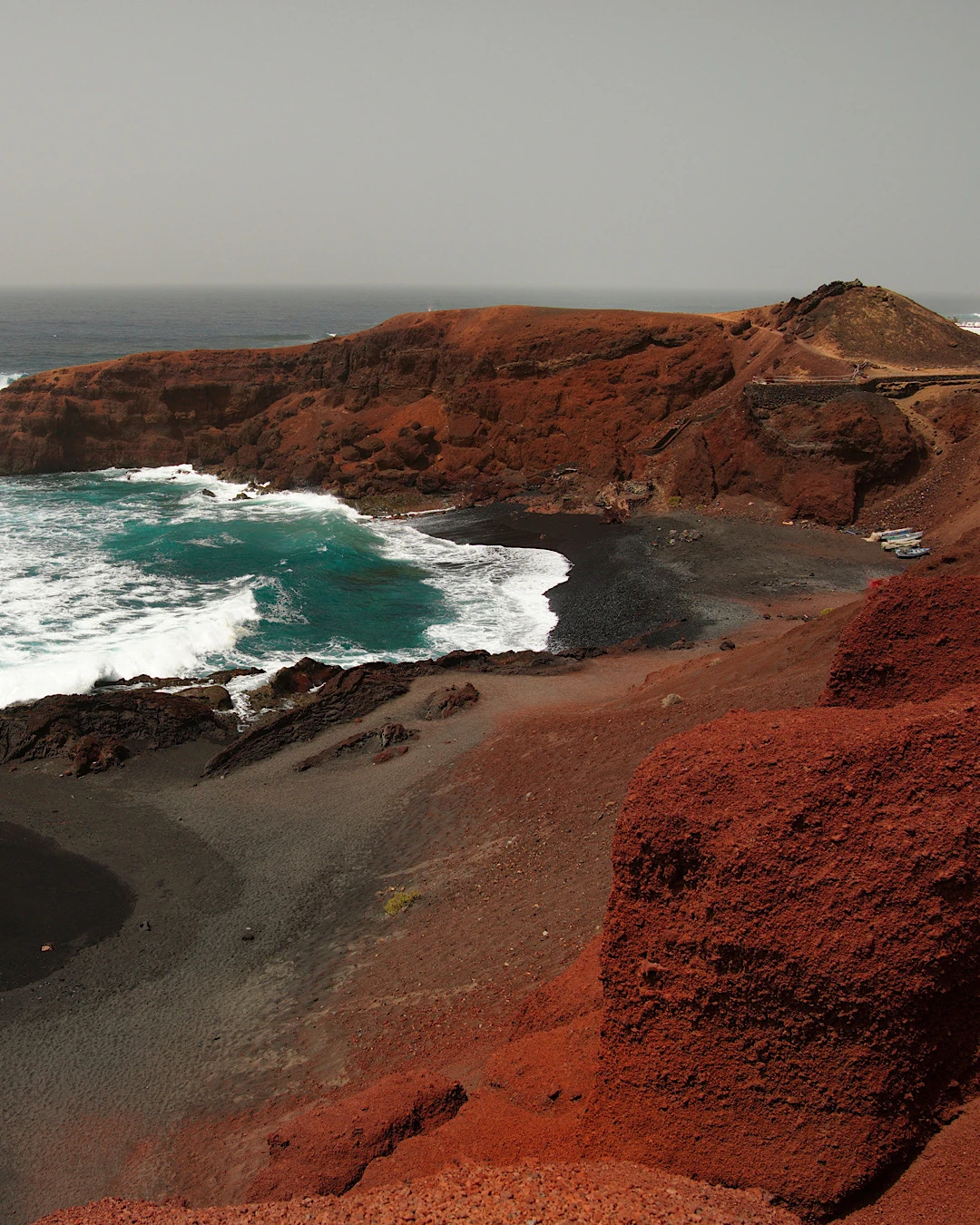
Our final stops for the day are Lago Verde and the Laghetto Verde. The lake’s brilliant green color (caused by a unique type of algae) creates an extreme contrast against the black sand beach and the reddish crater walls. Lago Verde is just a 5-minute drive from Los Hervideros. From the parking lot at the village entrance, it’s only a 5-minute walk along a well-maintained path to the viewpoint. We spent about 30 minutes here. Even in the evening, the narrow path was still quite busy.
- Pro Tip: Try to visit early in the morning or late in the evening to avoid the crowds.
- Photo Tip: Late afternoon sun is perfect for capturing the vivid green of the lake without harsh shadows.
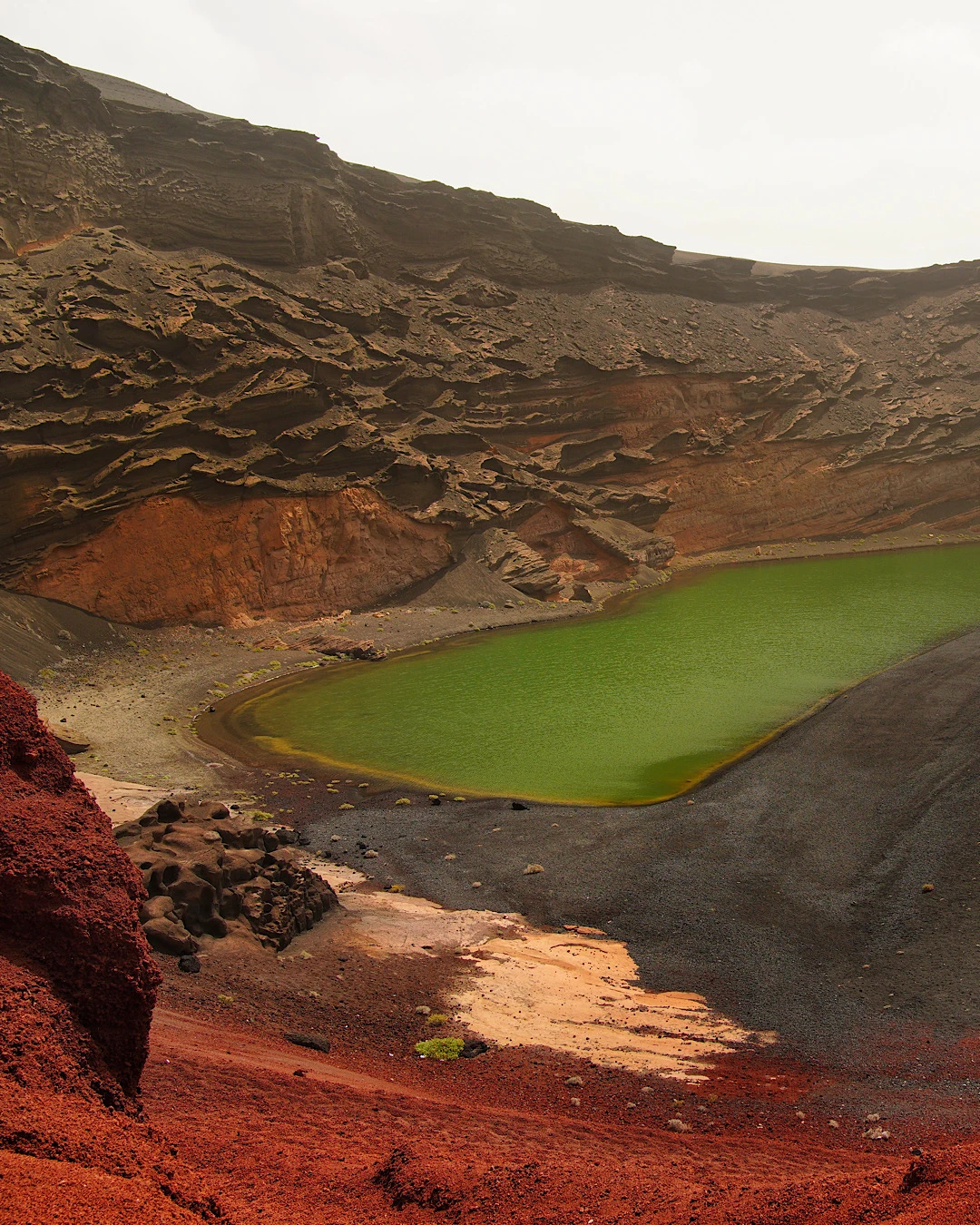
- Swimming in or entering the lagoon is strictly prohibited.


Day 5: Montaña Blanca, Las Grietas, Montaña Negra, Tenesar, and Caldera de los Cuervos
Montaña Blanca & Montaña Negra:
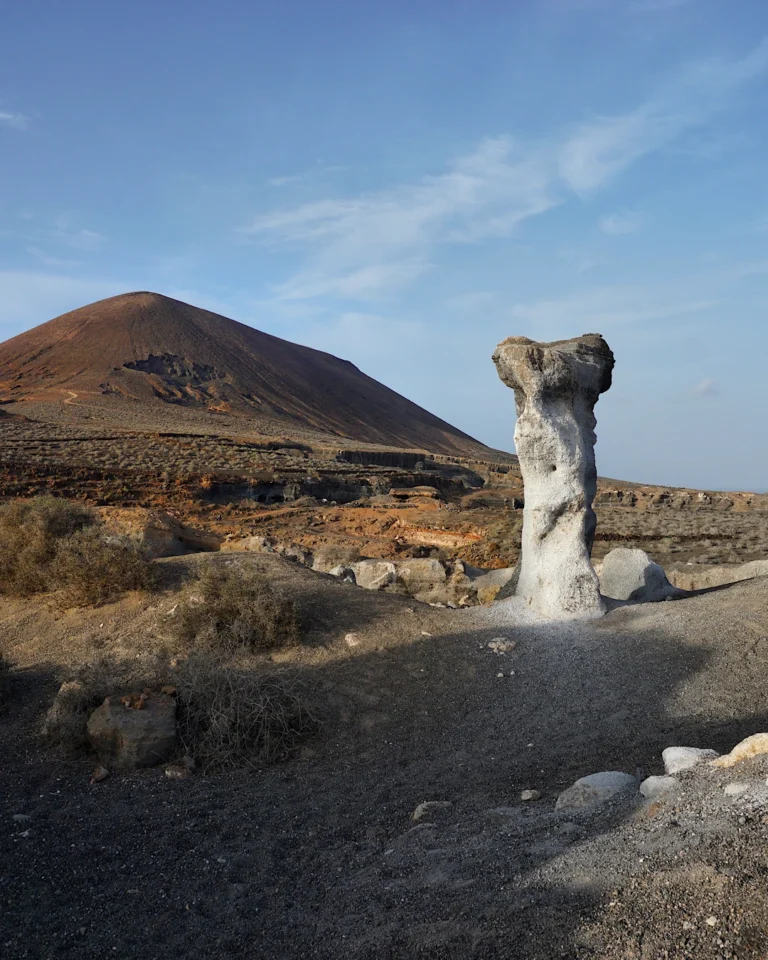
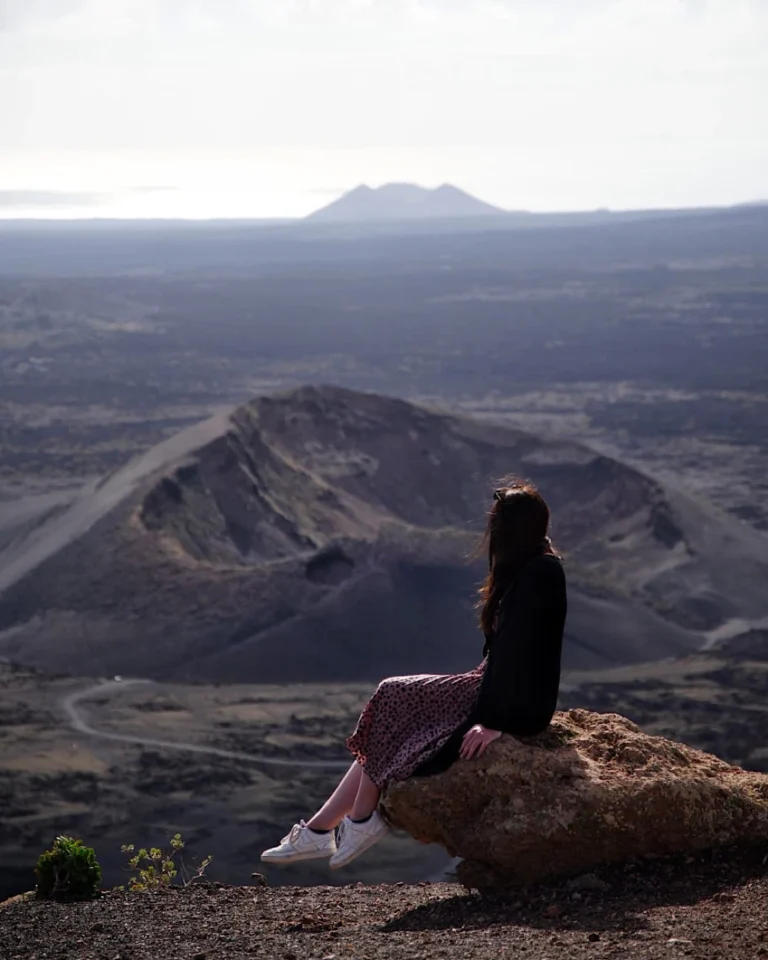
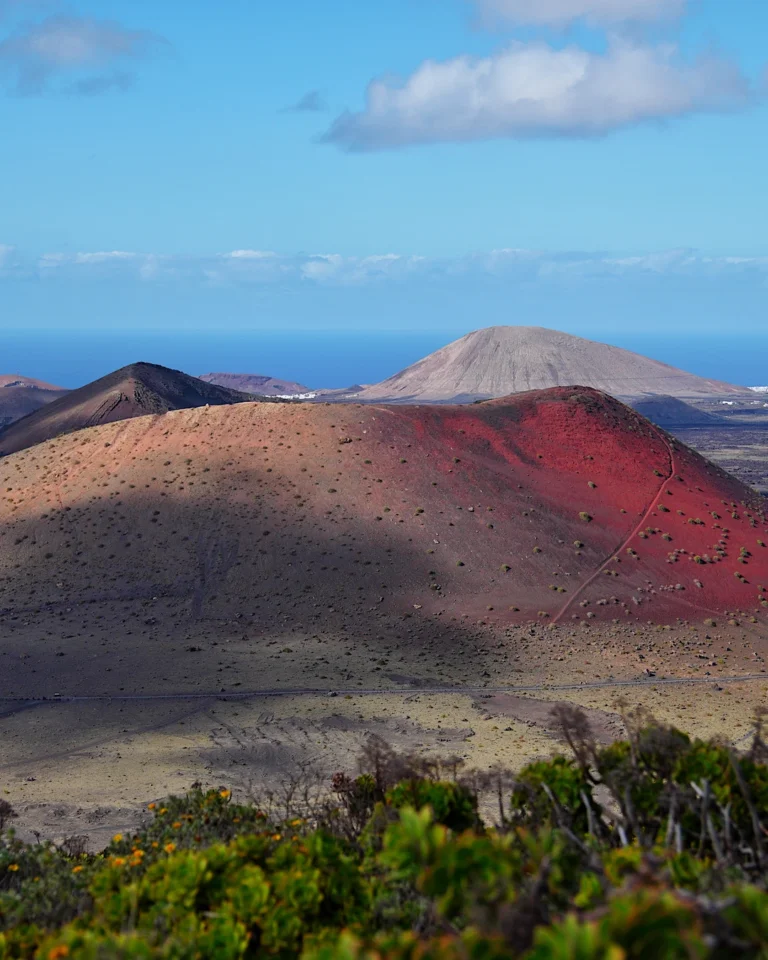
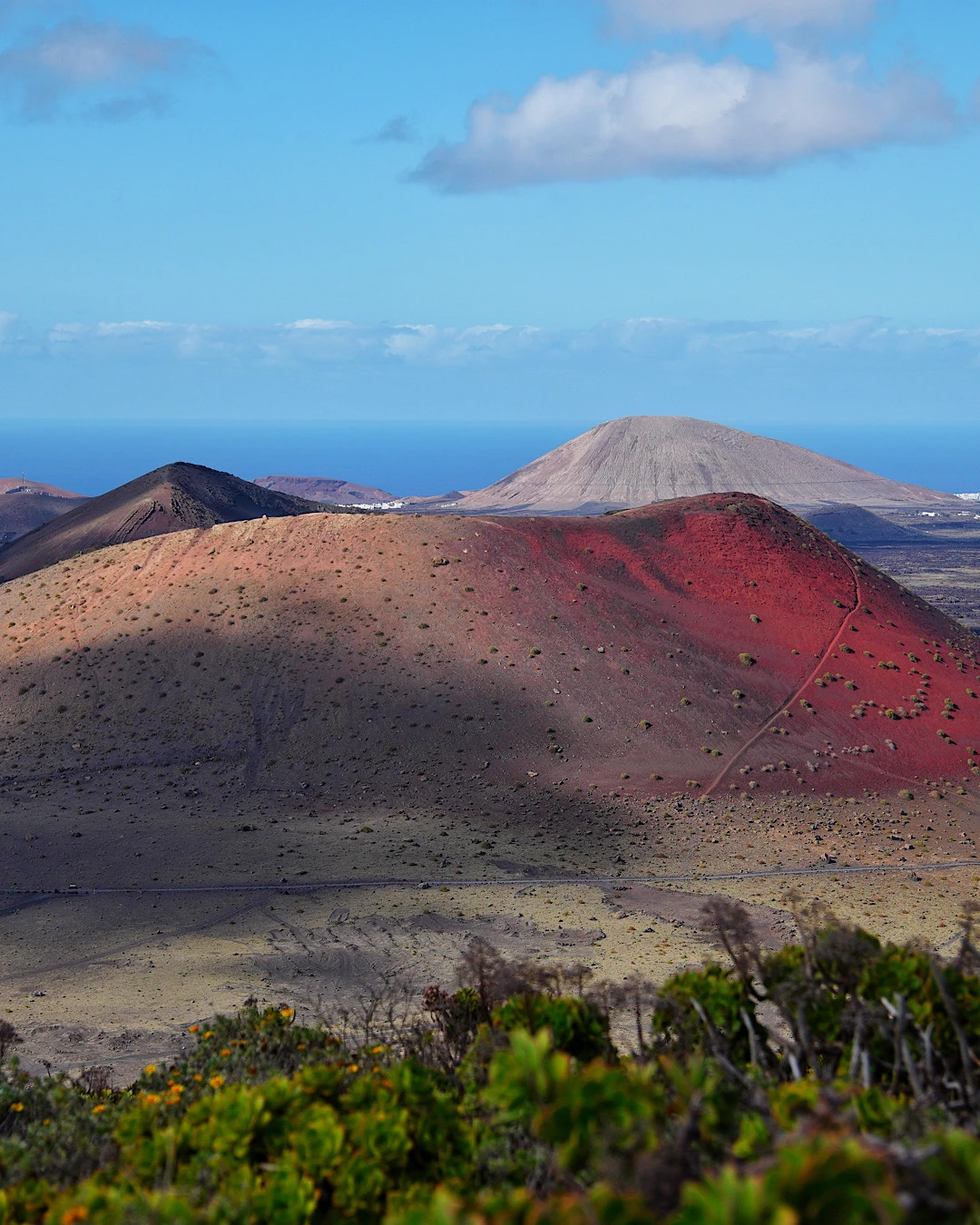
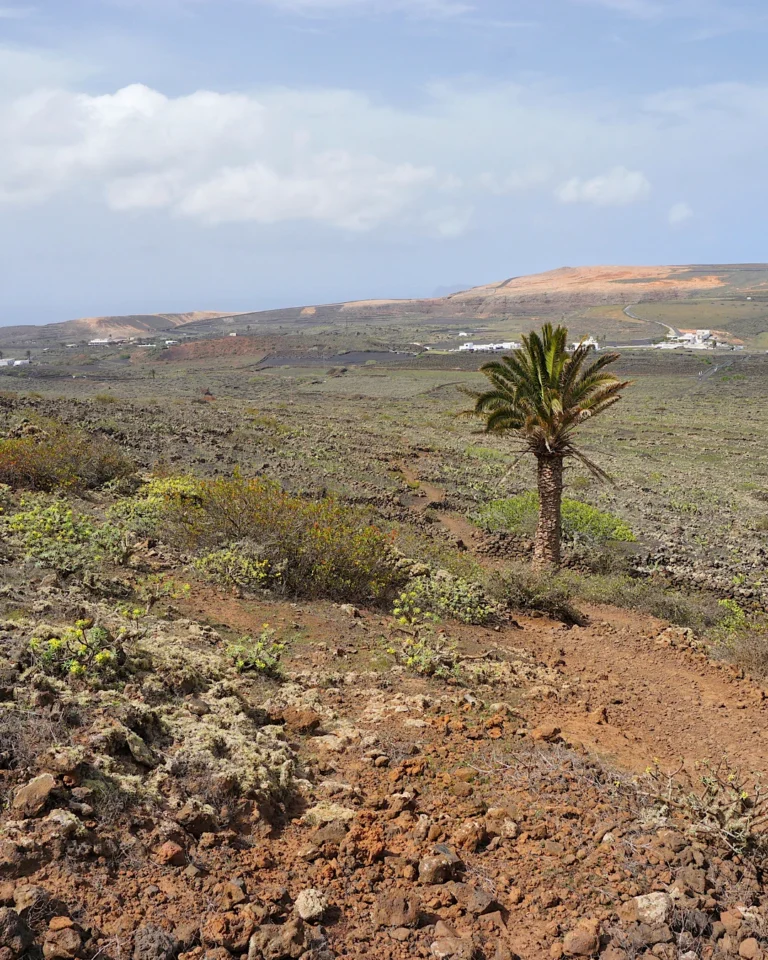
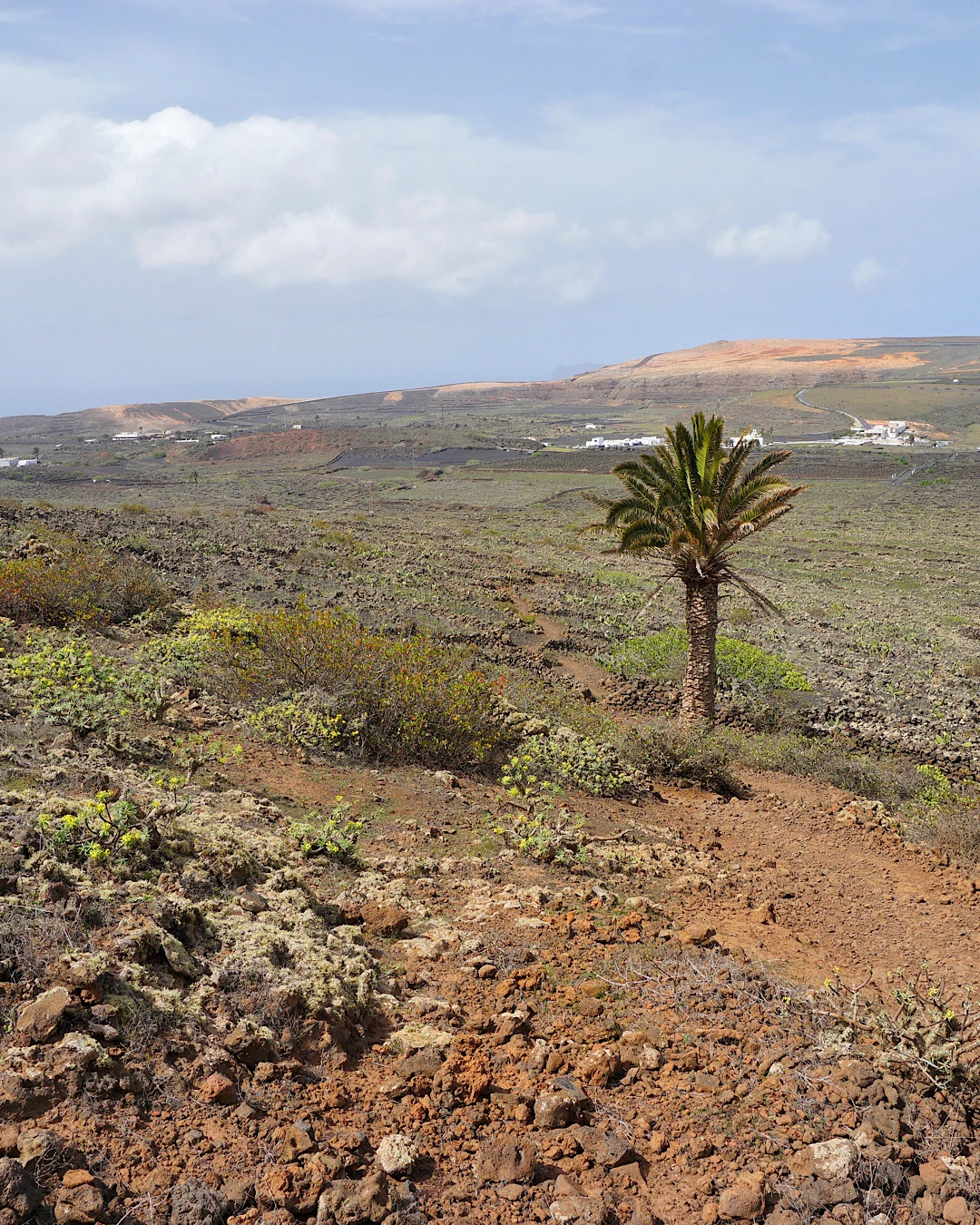
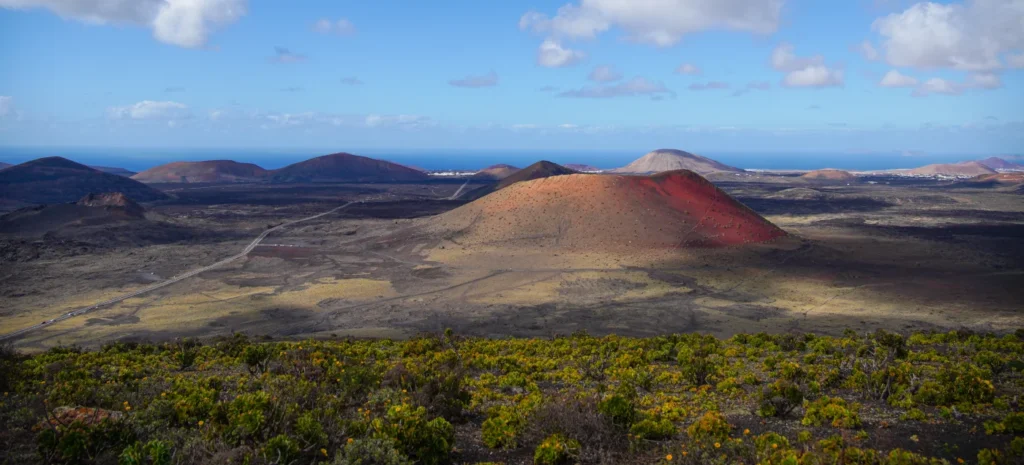
Montaña Blanca & Montaña Negra: Two volcanoes that couldn’t be more different sit side by side here. Montaña Blanca is a rarity on this otherwise black island with its pale, almost beige-white color. Its neighbor, Montaña Negra, offers one of the best 360-degree views over the entire wine region and Timanfaya National Park. The ascent to the summit of Montaña Negra is about 1.2 km with 160 meters of elevation gain. In June, the Bejeque de Malpaís plants bloom in vibrant pink at the top. It took us about 1.5 hours for the round trip, including photo stops. The view of the colorful Montaña Colorada nearby is simply dreamlike.
Stratified City (Las Ciudad Estratificada)
Before heading to the famous canyon, make sure to stop at Stratified City. These bizarre rock formations, shaped by centuries of erosion, look like an abandoned city from another world. It is the perfect spot to scramble between the layered stones and capture surreal photos.
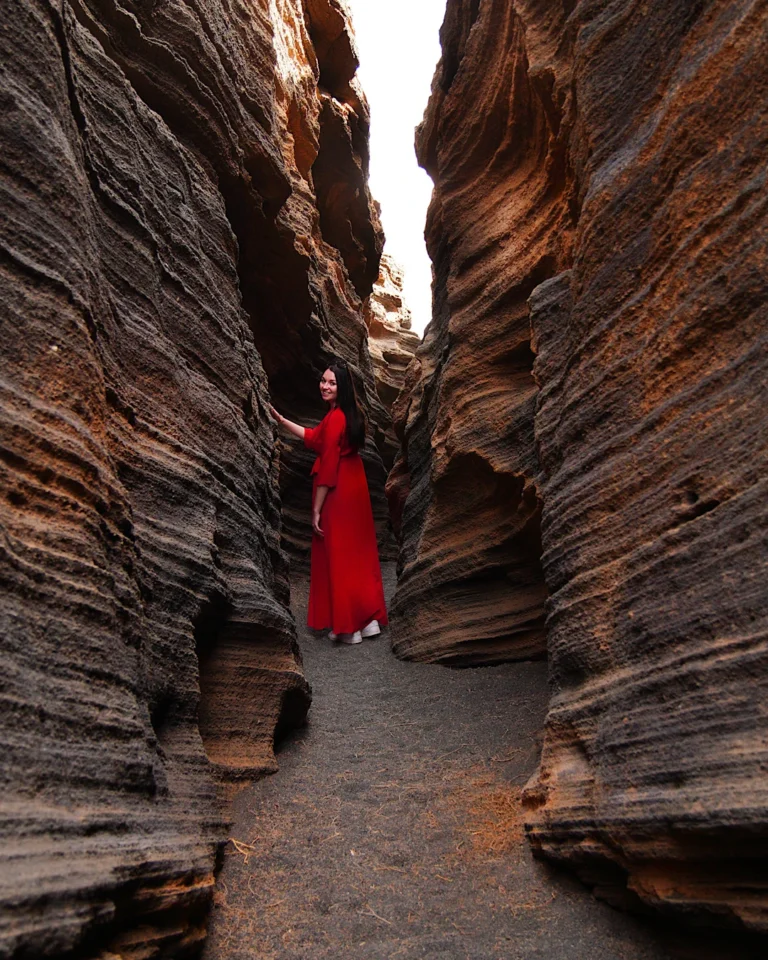
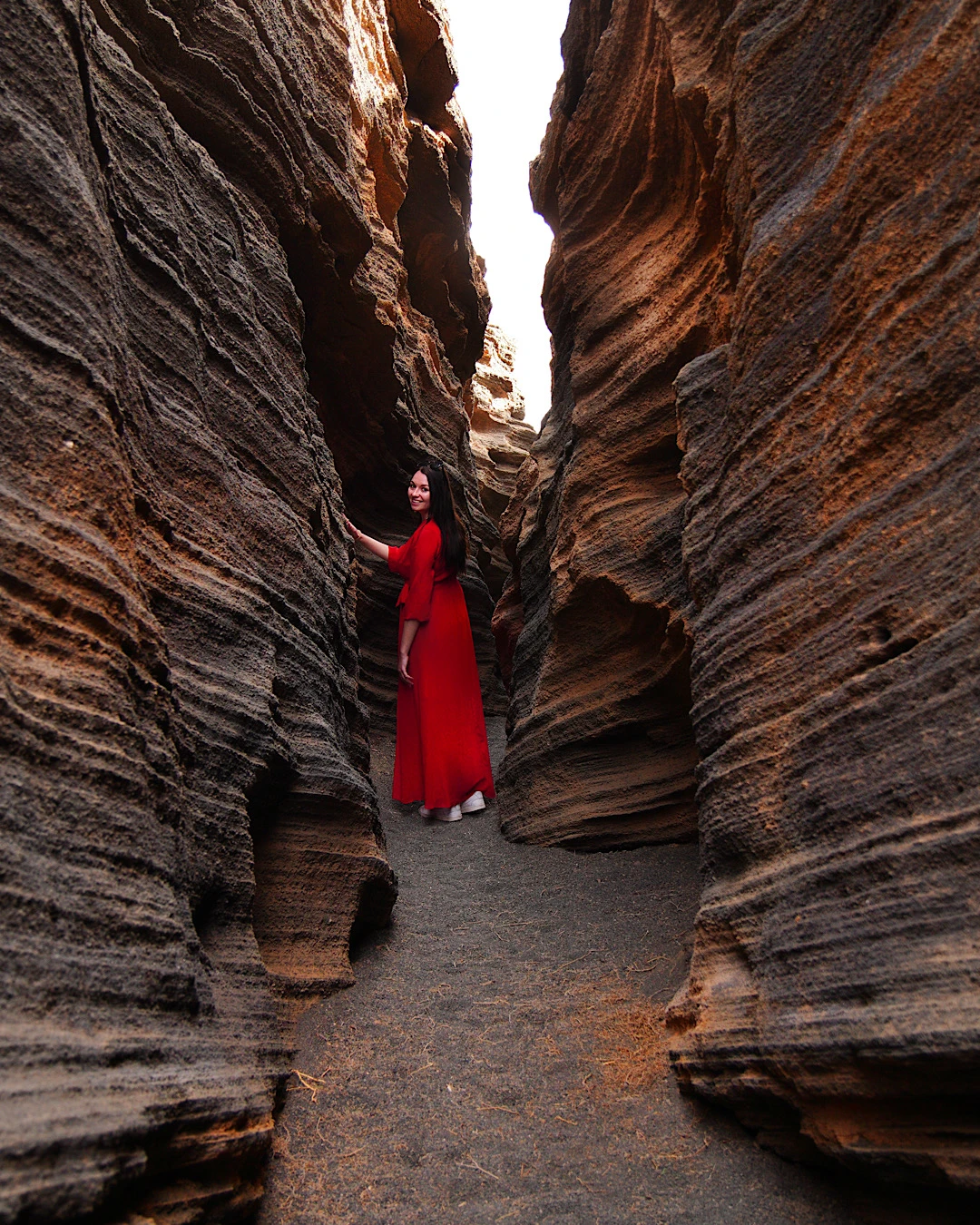
Las Grietas – the Antelope Canyon of Lanzarote
- Essential Parking Tip: Do not park on the roadside opposite the cracks—it is dangerous and strictly enforced. Use the official gravel parking lot about 600 meters away (towards San Bartolomé).
- Safe Access: You don’t have to cross the highway. There is a pedestrian underpass beneath the LZ-35 that leads you safely from the parking lot directly to the canyons.
- Sturdy footwear is a must, as the lava rock can be very slippery.
Tenesar:
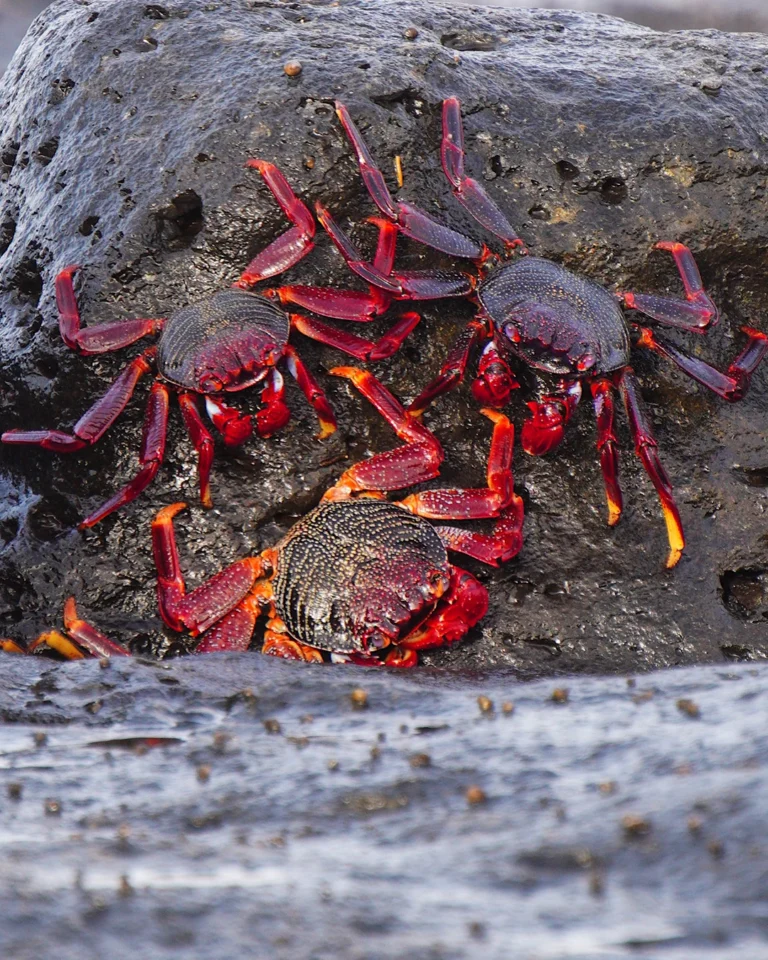
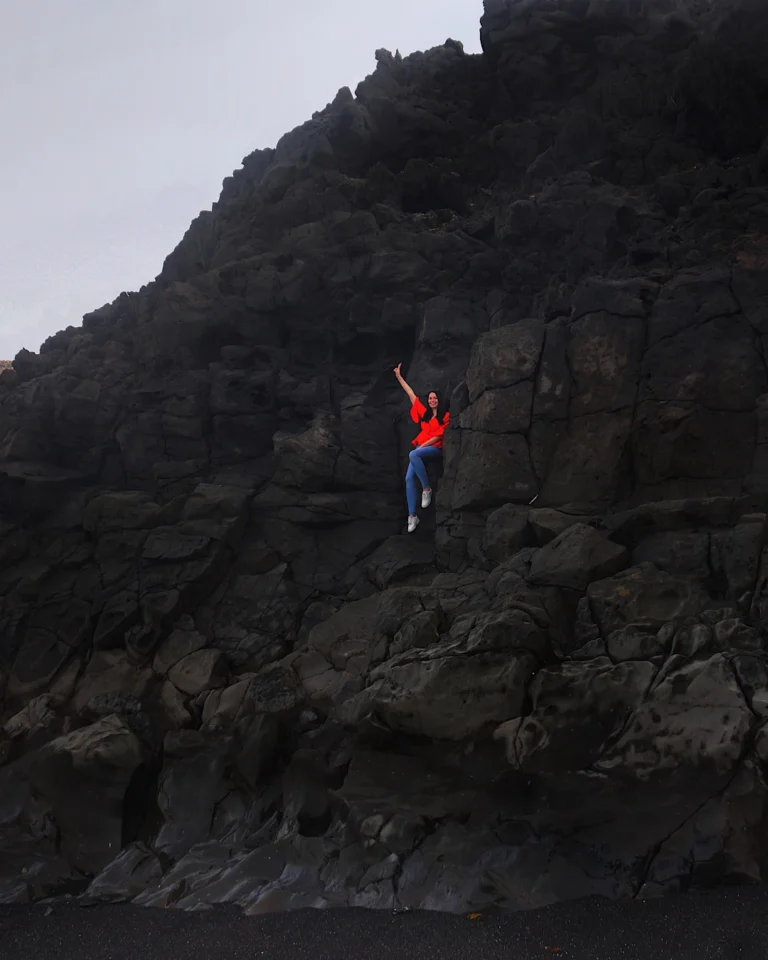
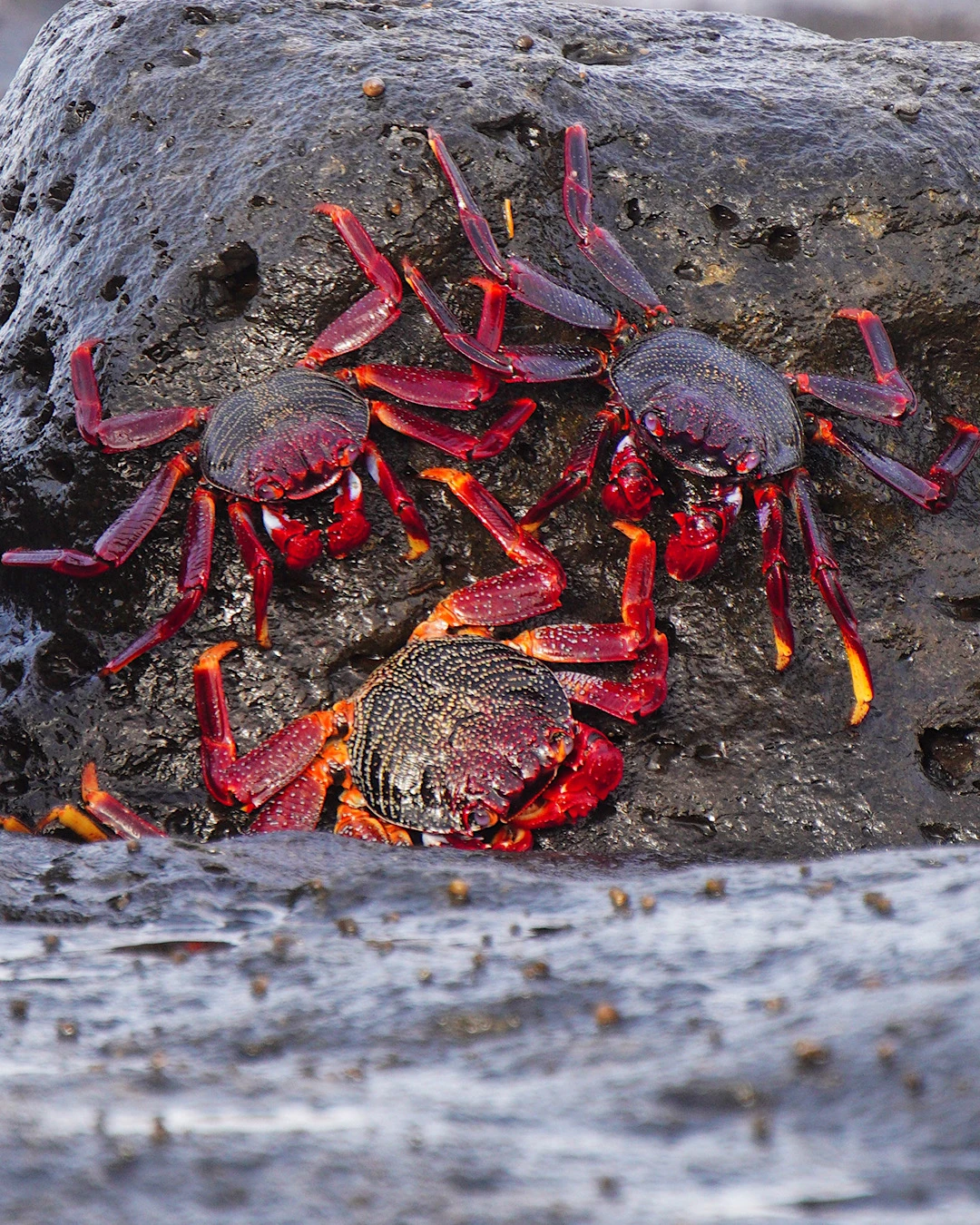
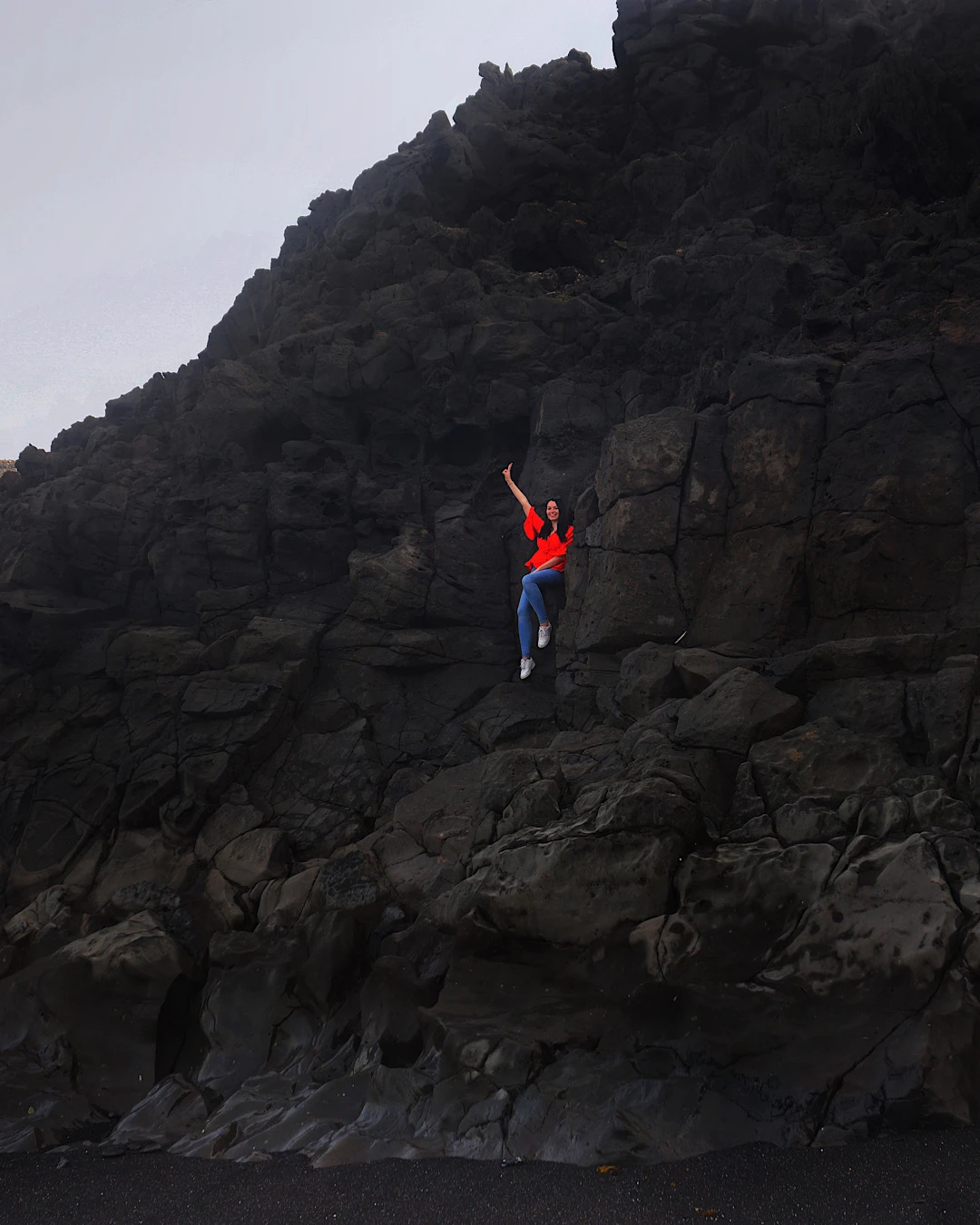
About a 15-minute drive away lies the nearly deserted fishing village of Tenesar at the edge of the lava flows – a place of absolute peace. Surrounded by the solidified lava from the Timanfaya eruptions, Tenesar feels like a world of its own. We spotted bright red rock crabs near the ocean crevices and admired the stunning black basalt columns. Duration: Approx. 2 hours.
- There are no cafes or shops here – just silence and nature. It is the perfect escape from mass tourism.
- Be careful on the narrow roads through the lava fields during your drive.
Caldera de los Cuervos:
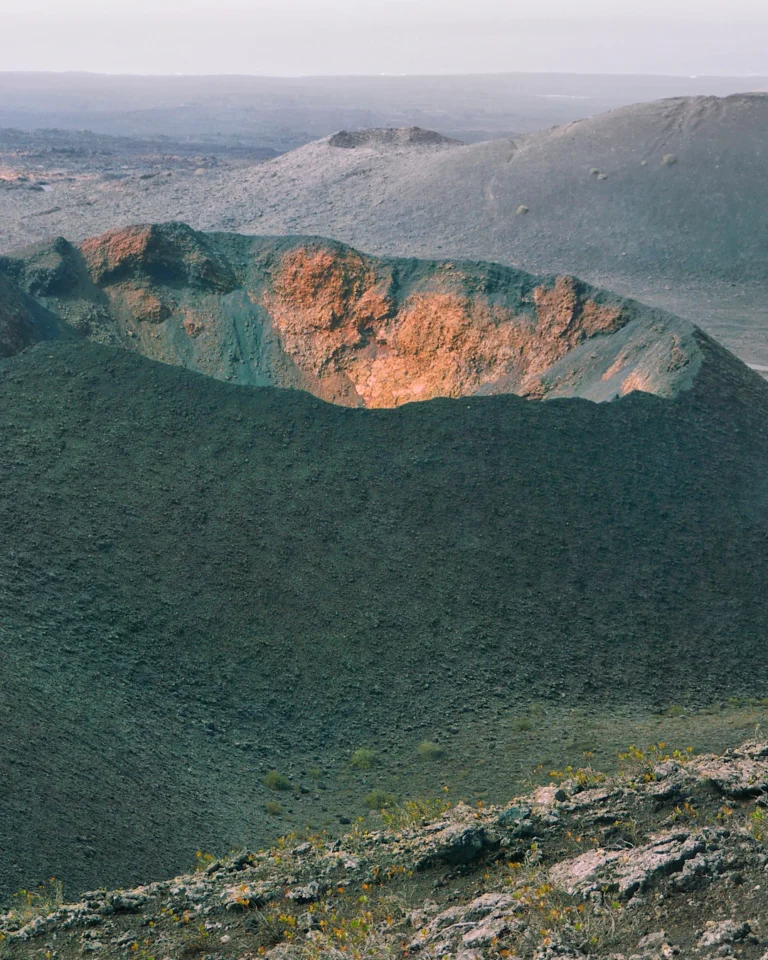
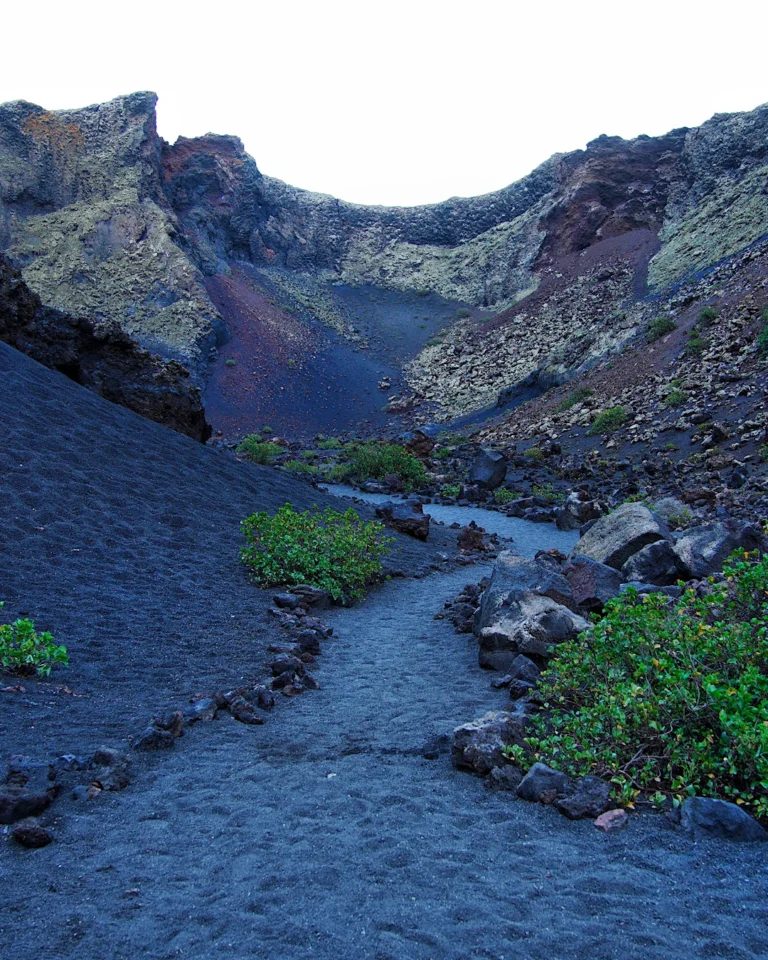
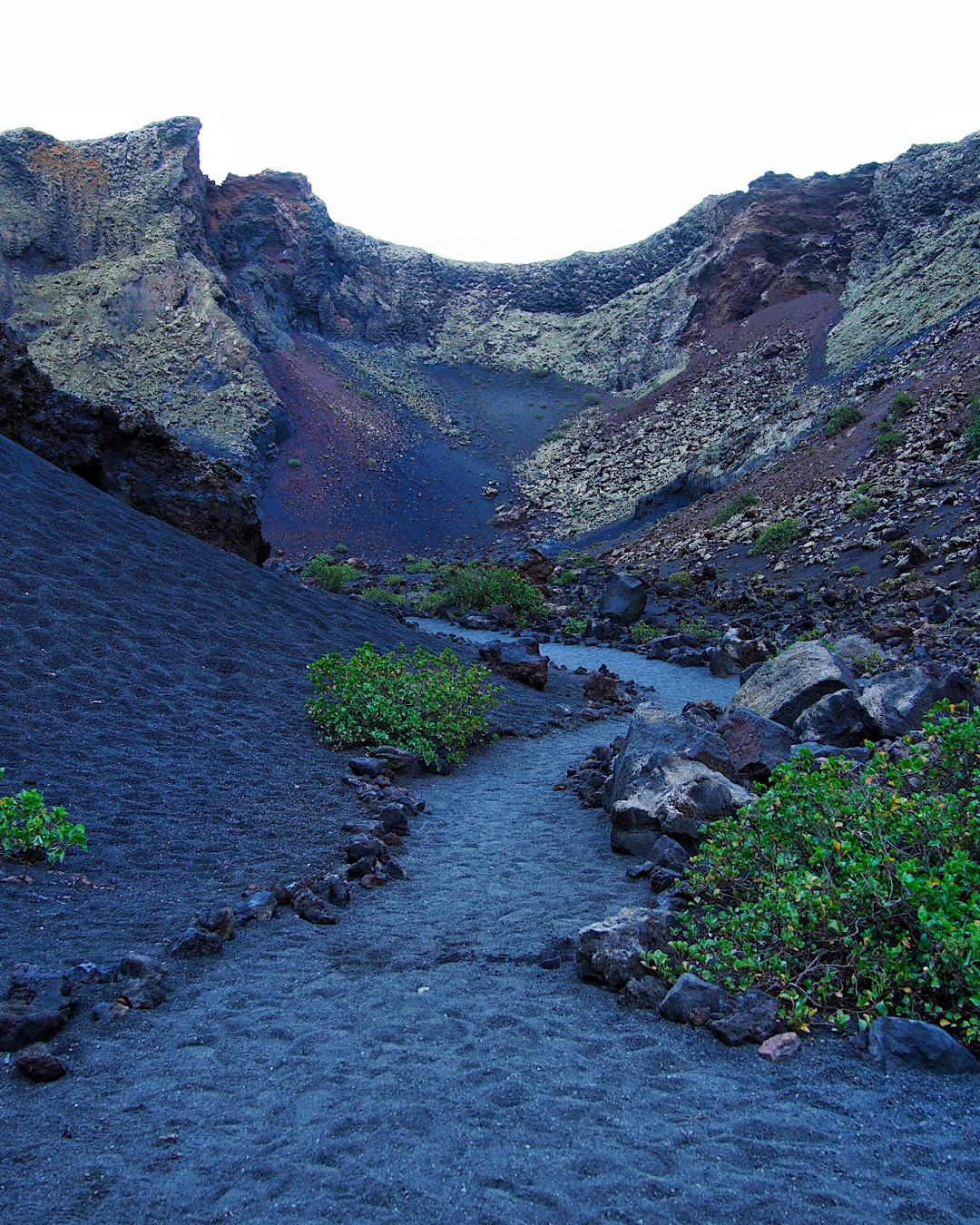
Another 15 minutes away, you can actually walk into a volcanic crater – the Caldera de los Cuervos. Formed during the 1730 eruption, it is one of the few places where you are officially allowed to enter the crater floor. The 4 km circular path is relatively flat and manageable even for inexperienced hikers. We spent about 1.5 hours here.
- Parking: Use the official hiker’s parking lot directly on the LZ-56 road.


Day 6: Volcán de la Corona and Mirador del Río (Optional: La Graciosa)
Volcán de la Corona:
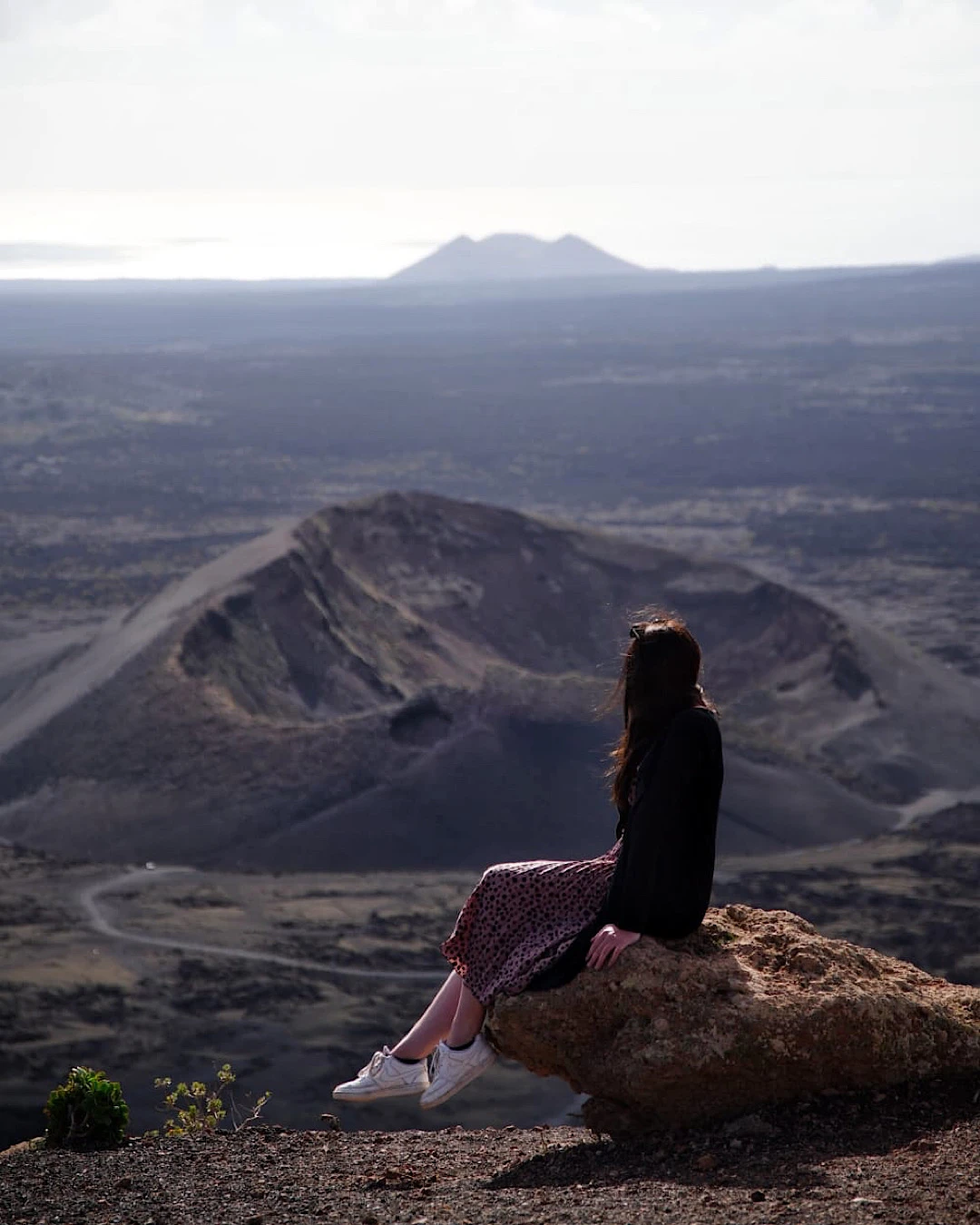
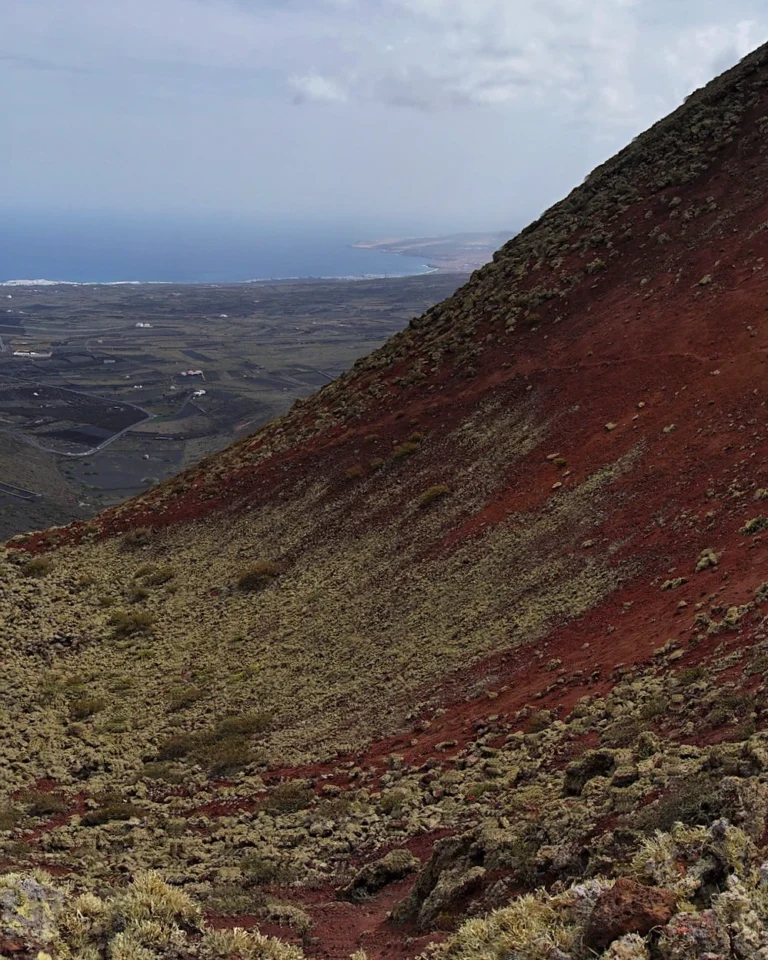
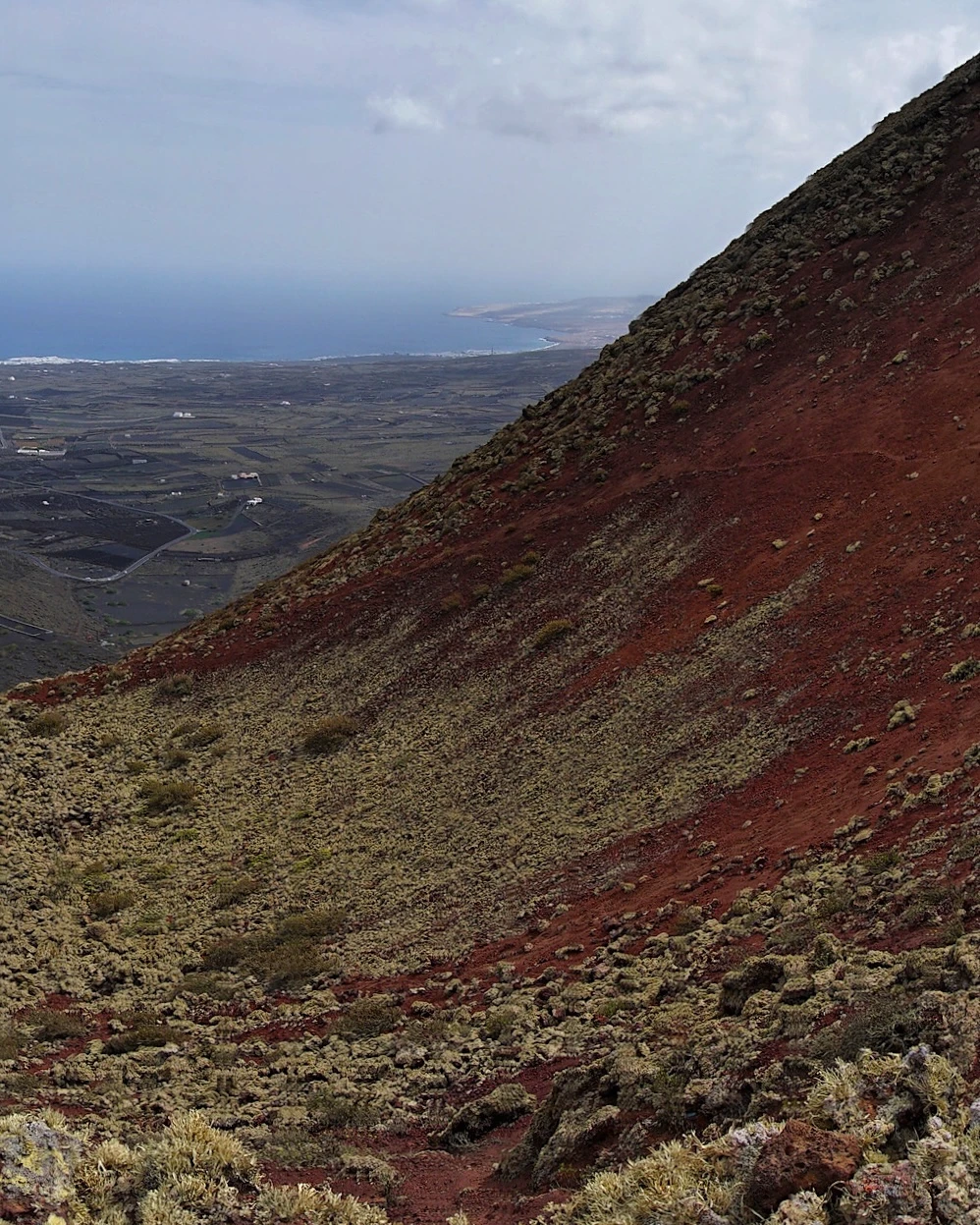
We start the day with a hike to the crater rim of the highest volcano in the north – Volcán de la Corona. the summit offers a breathtaking view into a gigantic, deep crater and a panoramic vista across the northern coastline to the sea. The path leads past vineyards and fig trees that thrive in the fertile northern soil. The ascent starts in the village of Ye. The trail is moderate, but it can get very windy at the crater rim. The contrast between the red crater walls and the blue ocean is spectacular.
Mirador del Río:
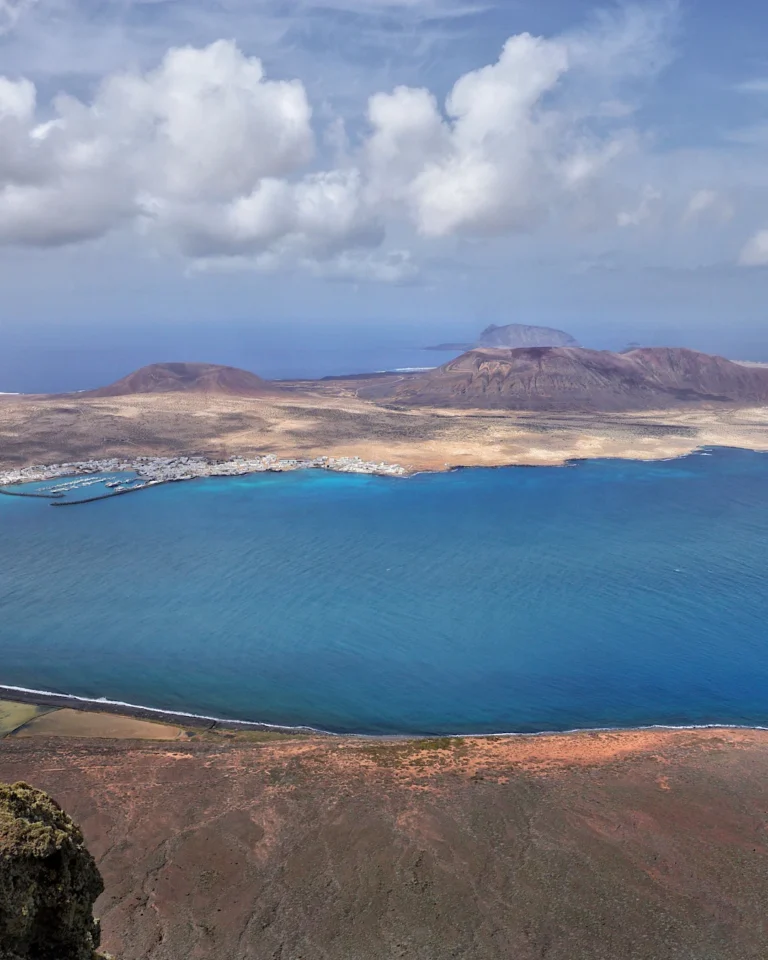
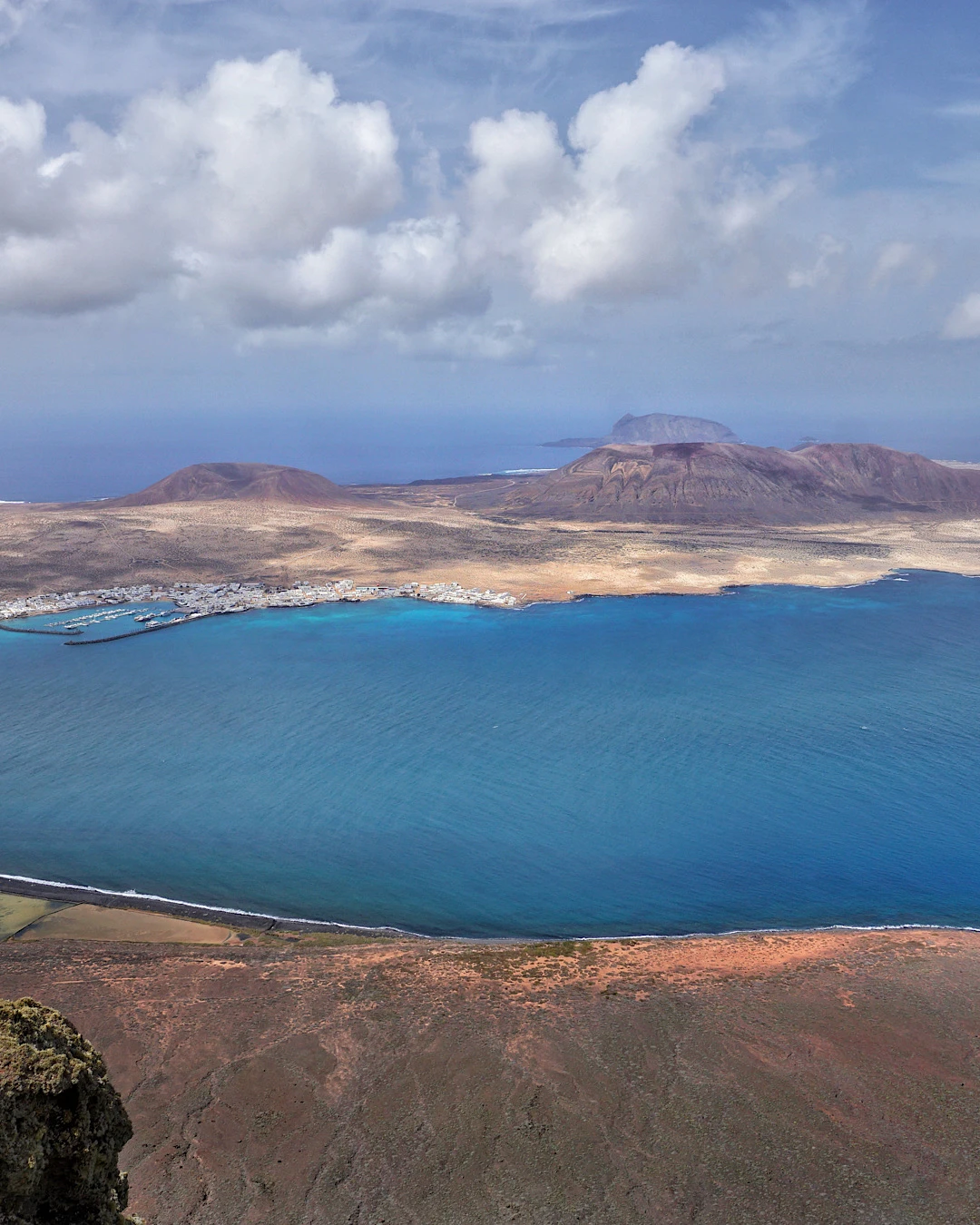
The Mirador del Río in northern Lanzarote is much more than just a viewpoint – it is another masterpiece by the famous artist César Manrique. From here, you have the most iconic view in the Canary Islands looking over to the neighboring island of La Graciosa. What makes Mirador del Río special is how it was integrated almost invisibly into the cliffs of the Risco de Famara. You look directly down onto the “El Río” strait and the entire island of La Graciosa with its striking volcanic cones. On a clear day, you can even see the smaller islands of the Chinijo Archipelago, such as Montaña Clara and Alegranza. We spent about 1 hour here.
- Opening Hours: 10:00 AM – 5:00 PM
- Important: Check the weather in the north before you head out. If it’s cloudy, the mist often hangs directly on the Risco de Famara, and you might see nothing but white fog.
- More information: Mirador del Río Lanzarote
- Tickets: Mirador del Río Eintrittskarte | CACT – Lanzarote
- Parking: Carretera de Ye, S/N, 35541 Haría.
La Graciosa:
If you have an extra day, consider a day trip to La Graciosa. From the port of Órzola, you can take a ferry to this neighboring island and experience a true step back in time. There are no cars and no paved roads on La Graciosa. You can rent a mountain bike directly at the harbor to reach remote, pristine beaches. Bring plenty of sunscreen and water, as there is almost no shade on the island and no restaurants or shops outside the main village.


Day 7: Caletón Blanco, Haría, Teguise, and Montaña Roja
Caletón Blanco:
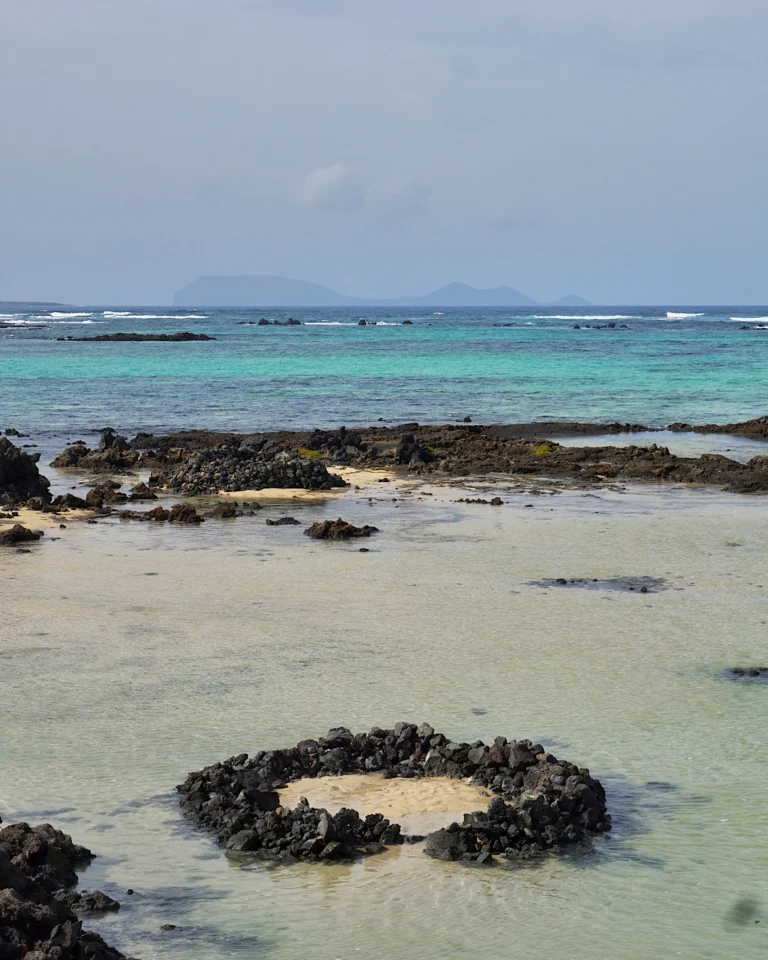
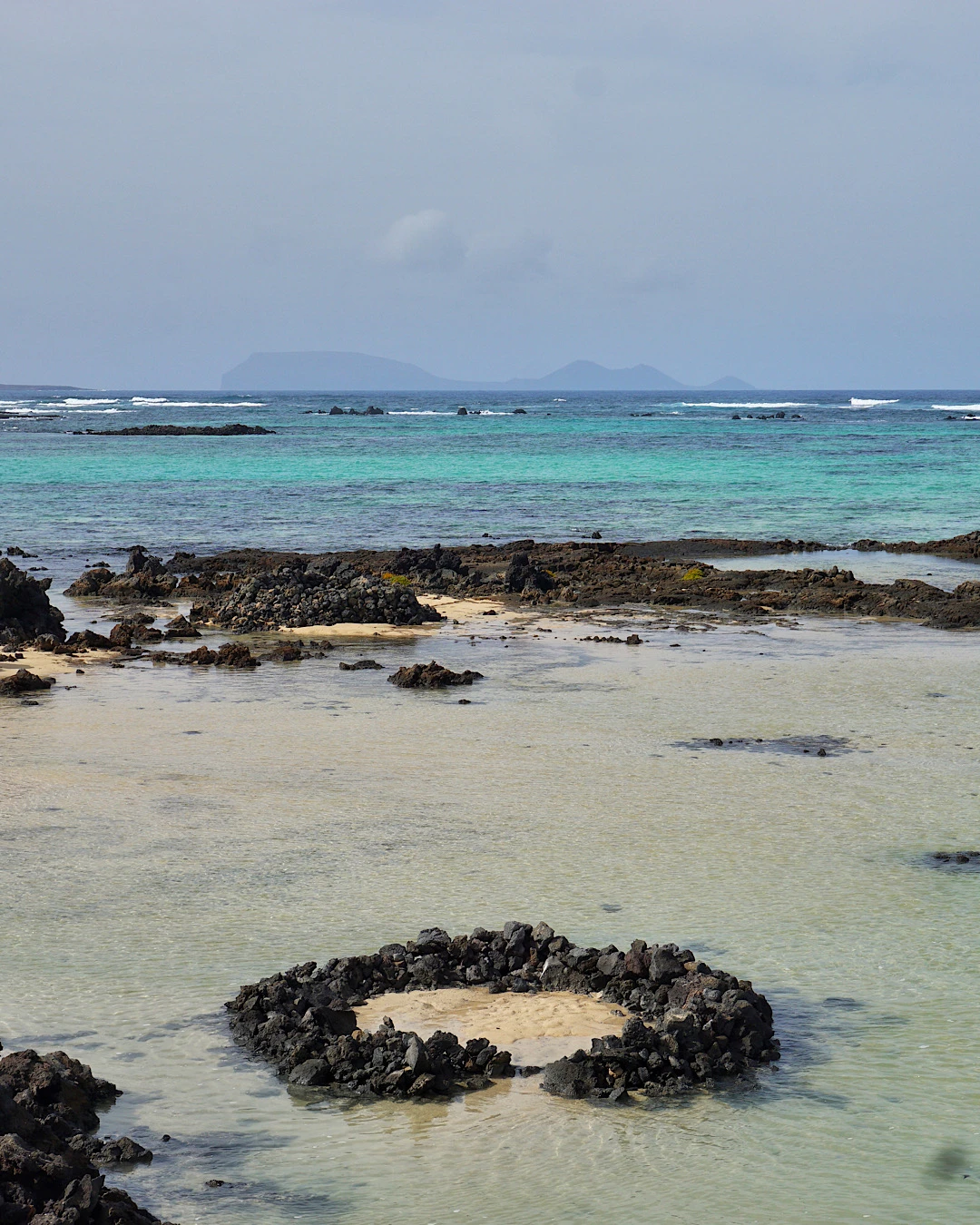
We begin our final day at the white natural beach of Caletón Blanco, often called the “Caribbean of Lanzarote.” It is famous for its shallow, crystal-clear lagoons that form during low tide. These natural pools are perfect for relaxing and offer shelter from the Atlantic surf. Since the water is very shallow here, it warms up faster than at other beaches—making it ideal for a morning swim. Be sure to pack your snorkeling gear, as you can spot many fish in the rocky crevices. We spent about 3.5 hours here, including swimming time.
Haría:
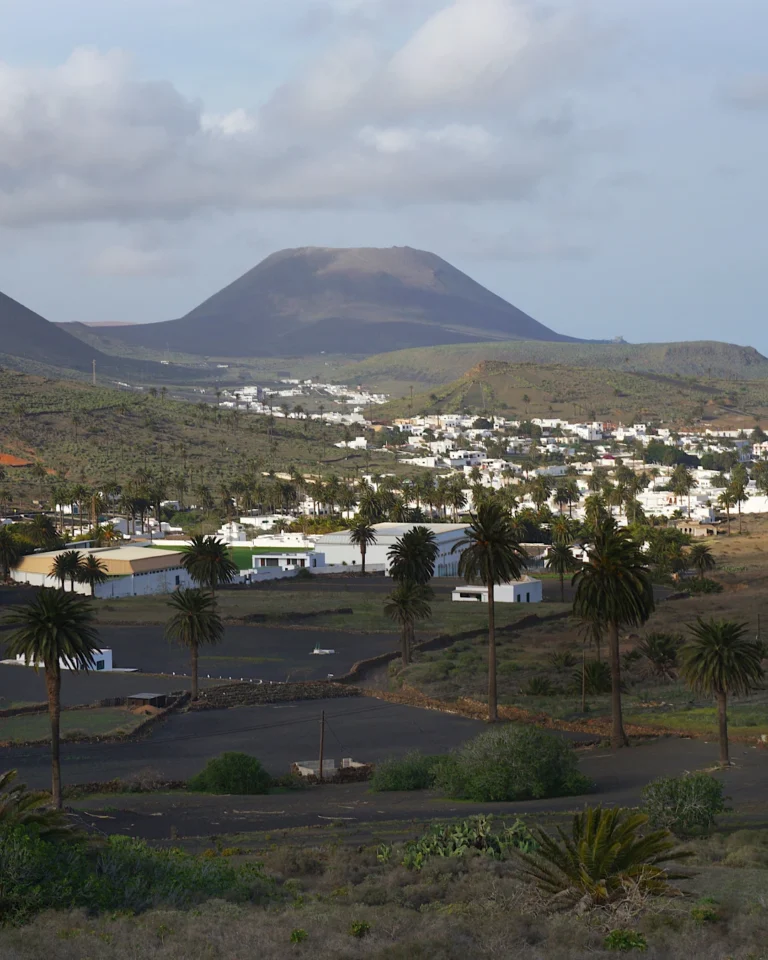
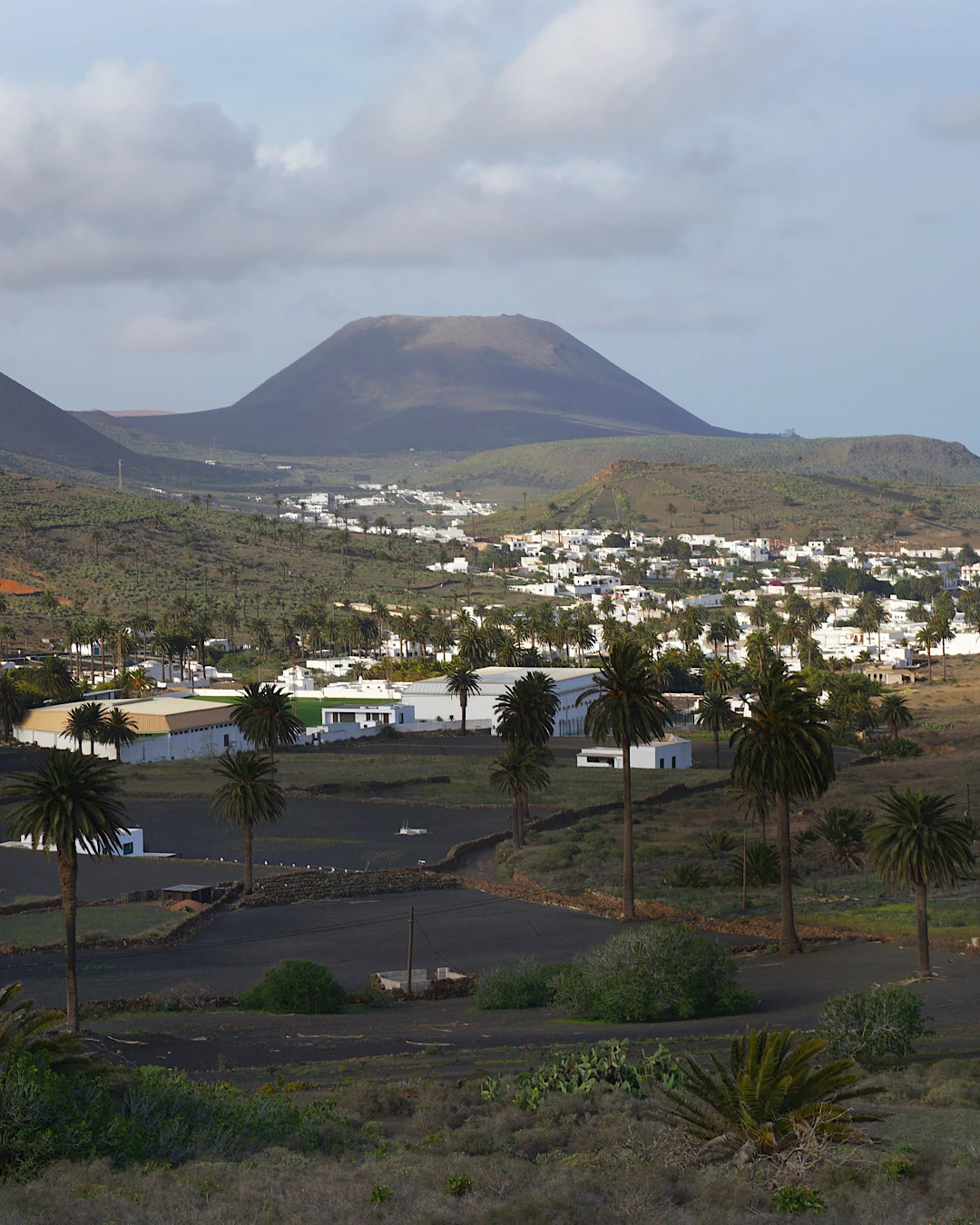
A 15-minute drive from Caletón Blanco brings you to the “Valley of a Thousand Palms,” leading toward the historic town of Haría. Nestled in a lush green valley, Haría is widely considered the most beautiful village on the island. We strolled through the charming alleys of the town center, Plaza León y Castillo. If you visit on a Saturday, don’t miss the traditional craft market. Duration: Approx. 1–1.5 hours.
Teguise:
Teguise was the former capital of Lanzarote and is now a protected historic site. The magnificent church, Iglesia de Nuestra Señora de Guadalupe, and the Plaza de la Constitución are well worth a short stop. Teguise is famous for its massive Sunday market. However, if you prefer a quieter atmosphere to photograph the stunning architecture in peace, it’s best to visit during the week. Duration: Approx. 40 minutes.
Montaña Roja:
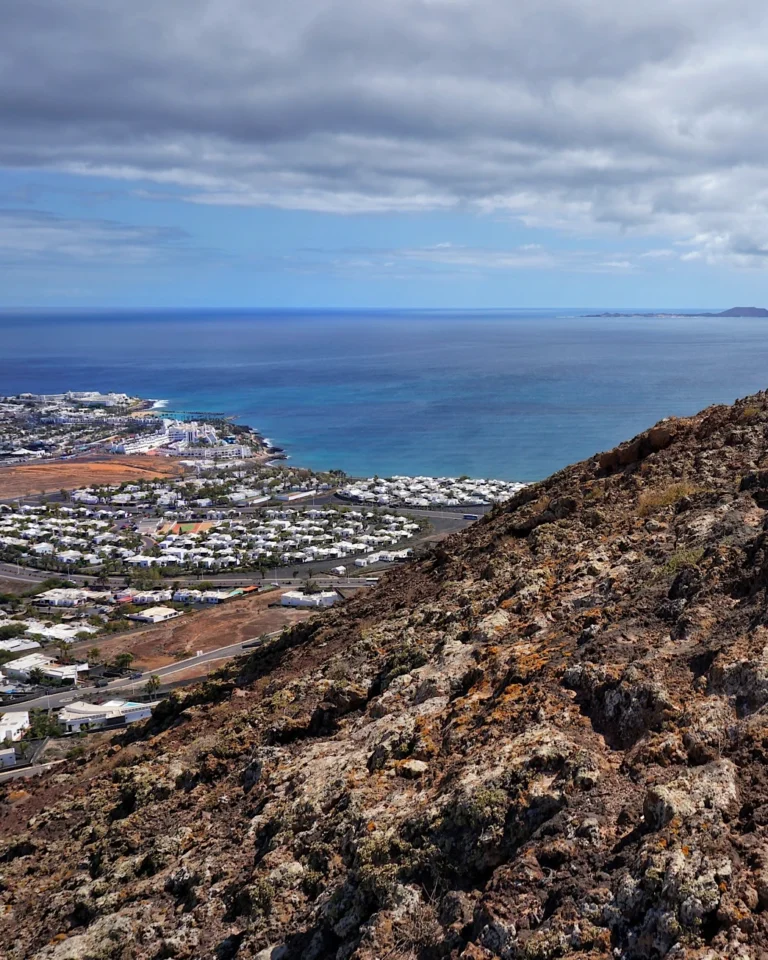
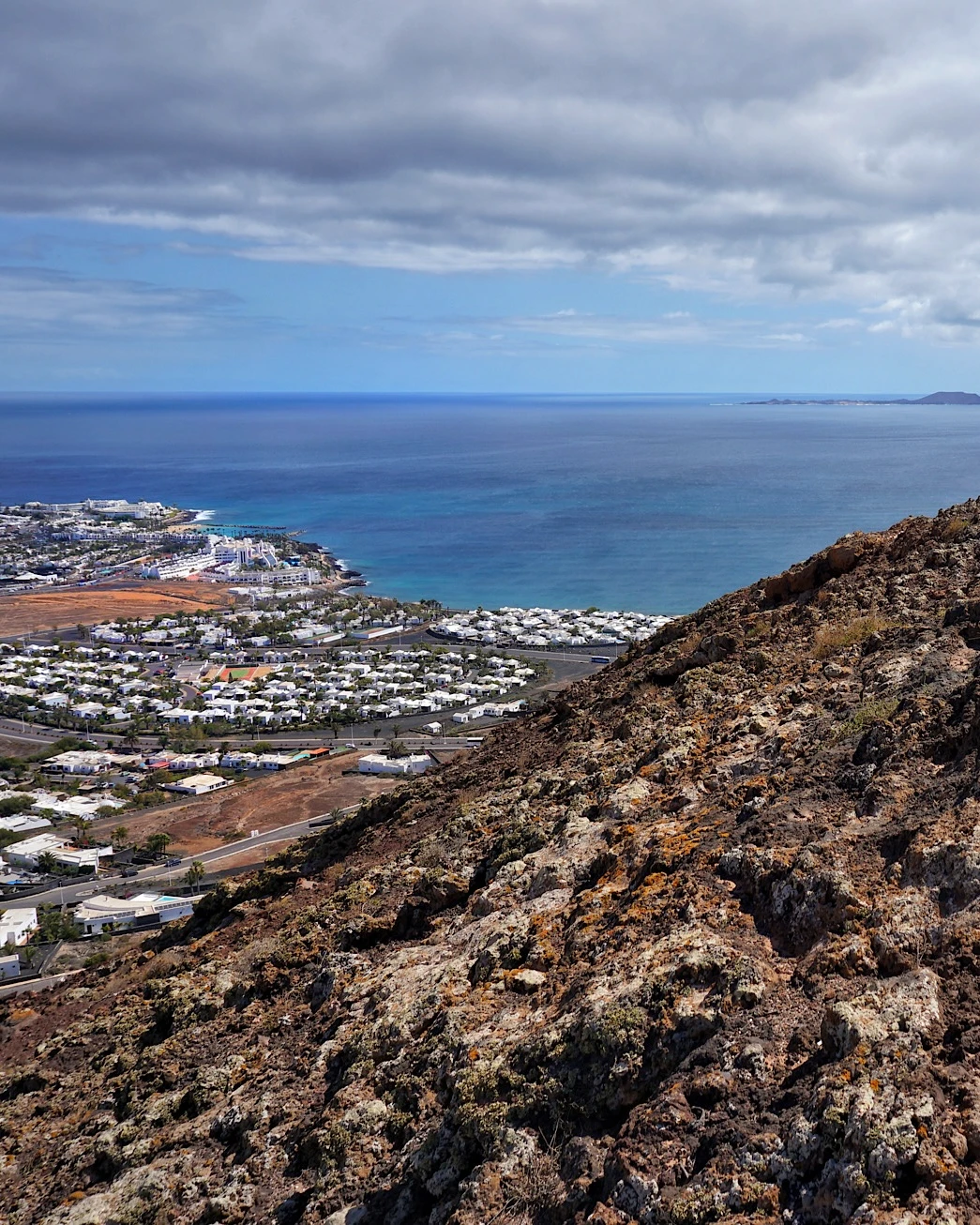
To conclude our journey, we tackle the ascent of Playa Blanca’s local landmark – Montaña Roja (Red Mountain) – for a panoramic view reaching all the way to Fuerteventura. The climb takes about 30 minutes and is technically straightforward. It’s the perfect spot to say goodbye to the island while watching the ferry boats cross the strait between Lanzarote and Fuerteventura.


Our Travel Conclusion: A Road Trip Across Lanzarote
Lanzarote is far more than just a destination for beach lovers. After seven days on the island, we can truly say: it is a place that captivates through its unique symbiosis of art and nature. Thanks to the enduring influence of César Manrique, the island has preserved its authentic character – free from massive hotel complexes and full of attention to detail. Lanzarote’s raw beauty and deep black lava landscapes left a lasting impression on us. However, we found the island to be almost “too touristy” at times; there are only a few corners where you can truly enjoy peace and quiet, as most famous spots are often quite crowded.
Our Personal Highlights:
- Timanfaya National Park: Visiting this place felt like stepping onto another planet.
- Las Grietas: Stunning rock fissures that are much less crowded than the famous Antelope Canyon in the US.
- Montaña Negra: The panoramic view of the red volcano Montaña Colorada and the surrounding volcanic cones was simply dreamlike.
Our Top Tips for Your Trip:
- Layer Up: Always remember to bring a light jacket, especially when visiting the west coast near Tenesar—it is almost never windless on Lanzarote.
- Timing is Key: To avoid the large tour buses, visit popular spots like the Jardín de Cactus either right at opening time or in the late afternoon.