journeysofearth

Morocco road trip – One Thousand and One Nights

Rabat, Casablanca, Marrakech, Atlas Mountains and the Coast

Travel Period: November

Barbeque Steakhouse & Bar

Add an optional description to your map pin

itinerary Morocco road trip: From Rabat via Casablanca and Marrakech to the Atlas Mountains and down to the coast.

We explored Morocco as a couple on our own, staying in beautiful Airbnbs and Riads while experiencing the full spectrum: breathtaking nature and warm hospitality, but also the exhausting hustle and bustle of Marrakech’s souks.
In this report, we take you along on our Morocco road trip from Rabat to the mini-Sahara in Tamri, and we’ll tell you honestly why you sometimes need a thick skin for a road trip through southern Morocco. If you really want to get to know Morocco, you should rent a car. It gives you the freedom to stop wherever the view is best – for instance, in the mountains or along secluded stretches of coastline. If you want to truly get to know Morocco, you should rent a car. It gives you the freedom to stop wherever the view is most beautiful – for example, in the mountains or along lonely stretches of coastline.

Key Travel Facts:

  • Travel Period: November (Nov 22nd – Dec 1st).
  • Travel Style: Independent travel (DIY travel) with a rental car. Make sure to get good insurance and be prepared for “chaotic” traffic in cities like Casablanca!
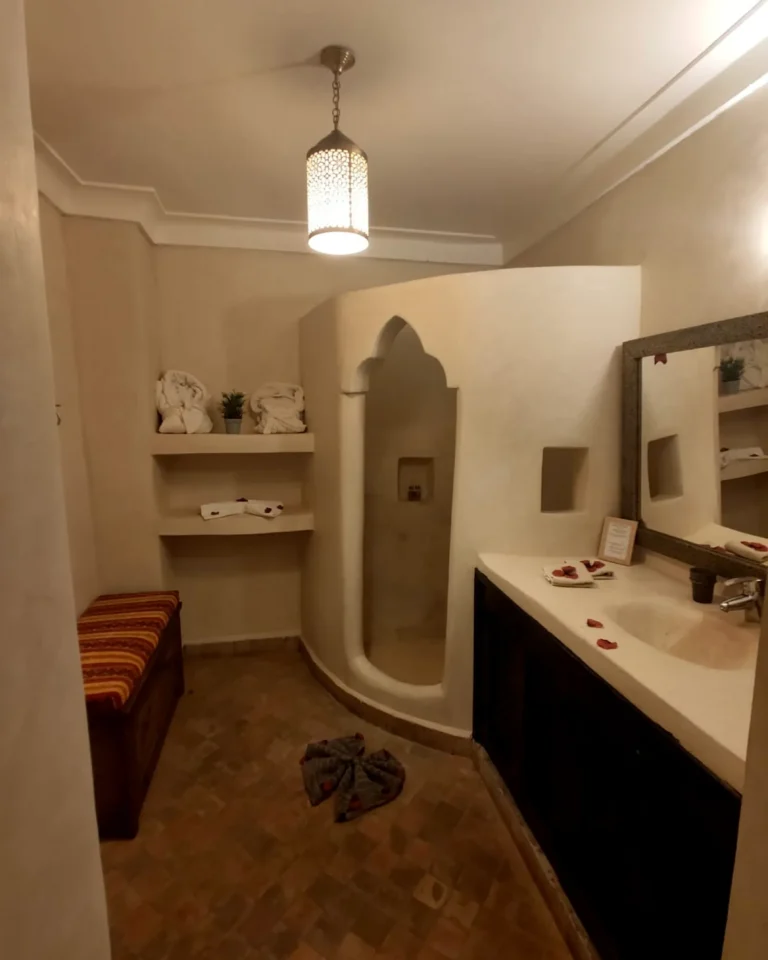
  • Accommodations via Airbnb and Booking.com. Our stays were a mix of modern Airbnbs and traditional riads. Note: Riads in the Medina are beautiful but often not accessible by car (plan for parking).
  • Navigation: Use offline maps (e.g., Google Maps download), as reception in the Atlas Mountains can be patchy.

Our Route at a Glance:

Rabat

Casablanca

Ouzoud Falls

Atlas Mountains

Marrakech

Agadir

Paradise Valley

Dunes of Tamri

Day 1–2: The Capital Rabat on the Atlantic

Our adventure began with a small surprise: we landed in Rabat, but our suitcases had decided on a different route. Despite the bumpy start, we didn’t let it spoil our mood, picked up our rental car at Rabat-Salé Airport, and headed to our first accommodation.

The Magic of Riads: Hidden Treasures in Narrow Alleys

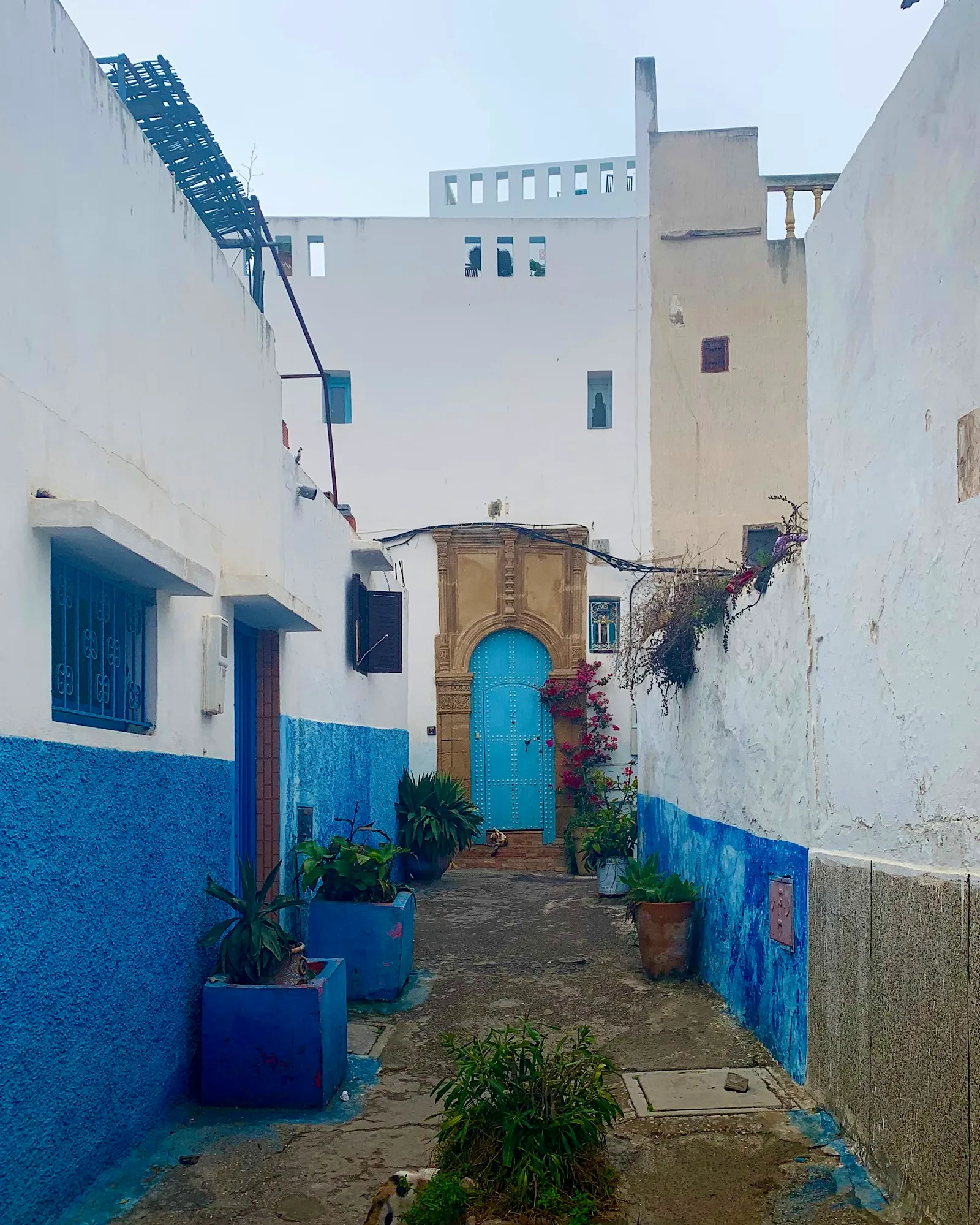
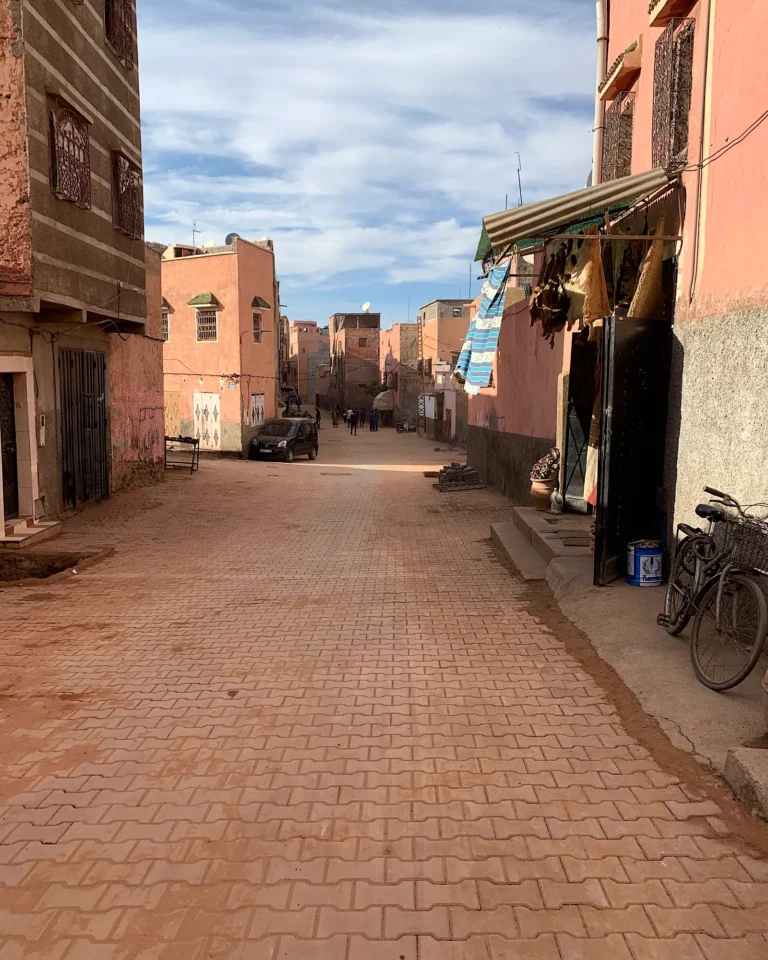
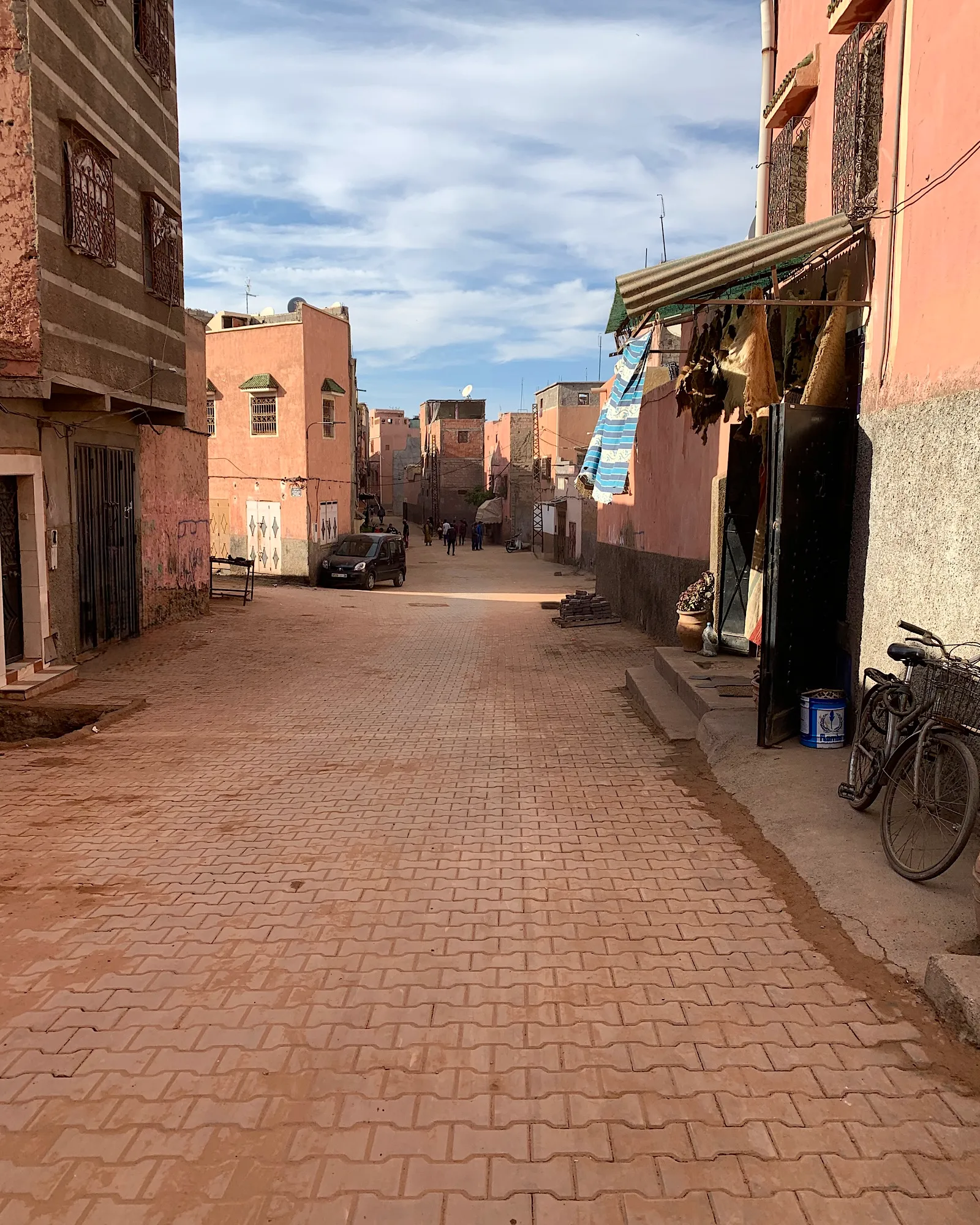
Searching for our first riad in the Medina was an experience in itself. We navigated through narrow, almost deserted alleys where we initially felt a bit uneasy. It hardly looked like a hotel was hidden behind the plain walls. But that’s exactly what we learned: this is typical Morocco. While the streets often look lonely or run-down from the outside, magnificent courtyards and oases of calm are hidden behind the inconspicuous doors.

Compared to bustling metropolises like Marrakech or Fès, Rabat is incredibly relaxed. The city feels well-maintained, safe, and almost European in its structure without losing its traditional charm. For anyone planning a road trip, Rabat is the ideal starting point:

  • Traffic: The roads are wide and well-developed. It’s the perfect place to get used to the Moroccan driving style without stress.
  • Atmosphere: Fewer pushy vendors and an authentic insight into modern Moroccan life.
What to see and do in Rabat:
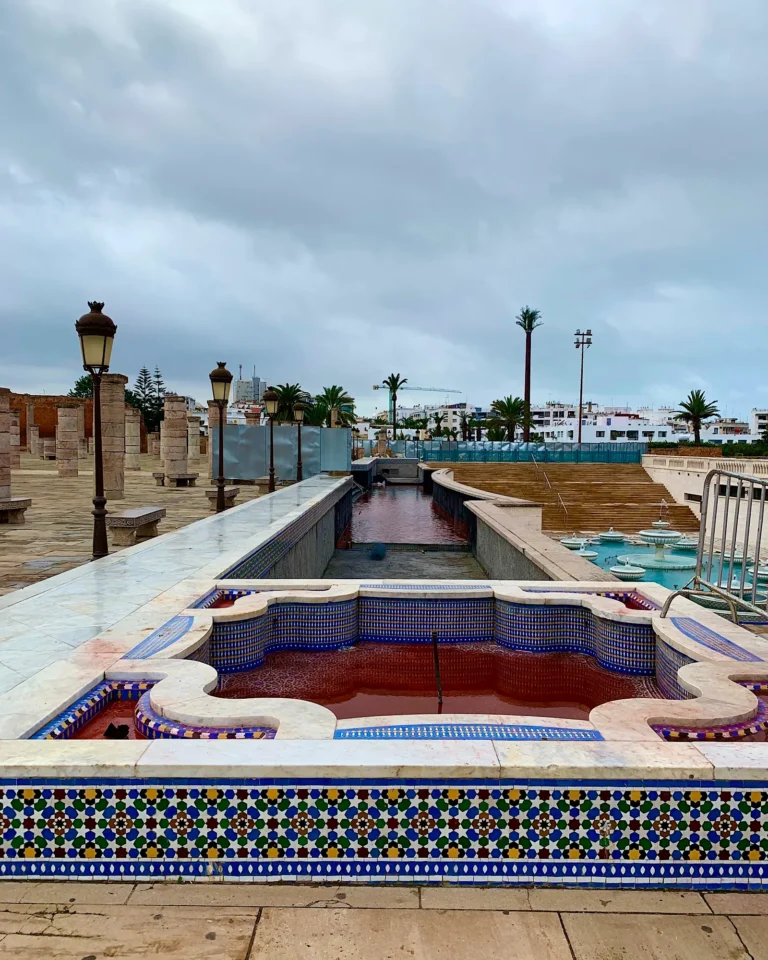
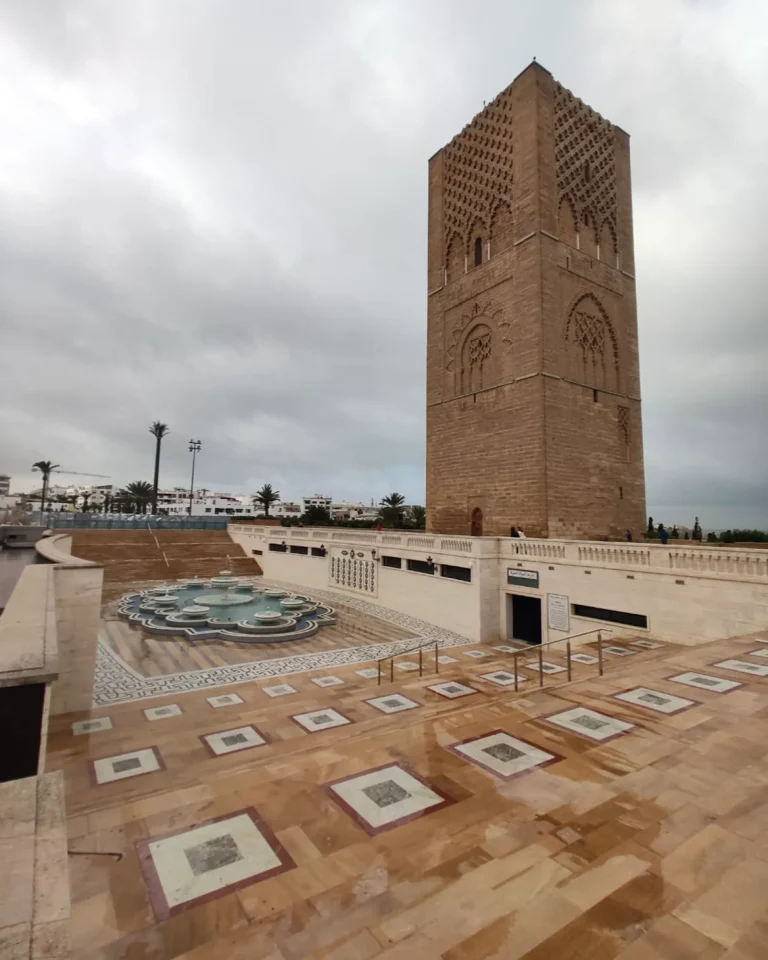
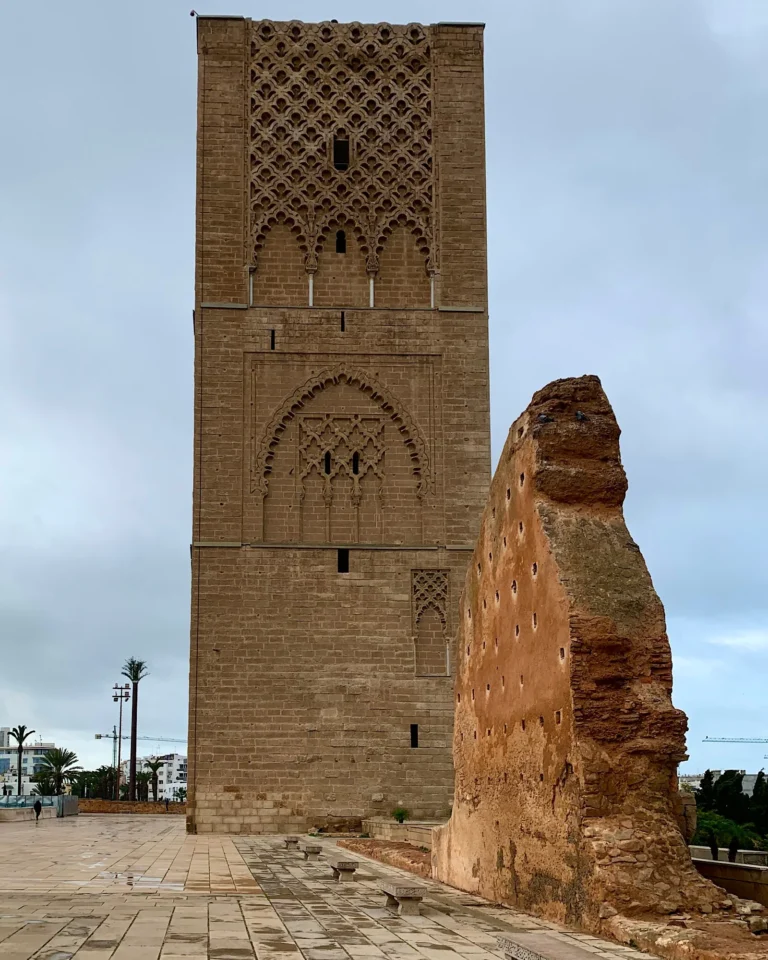
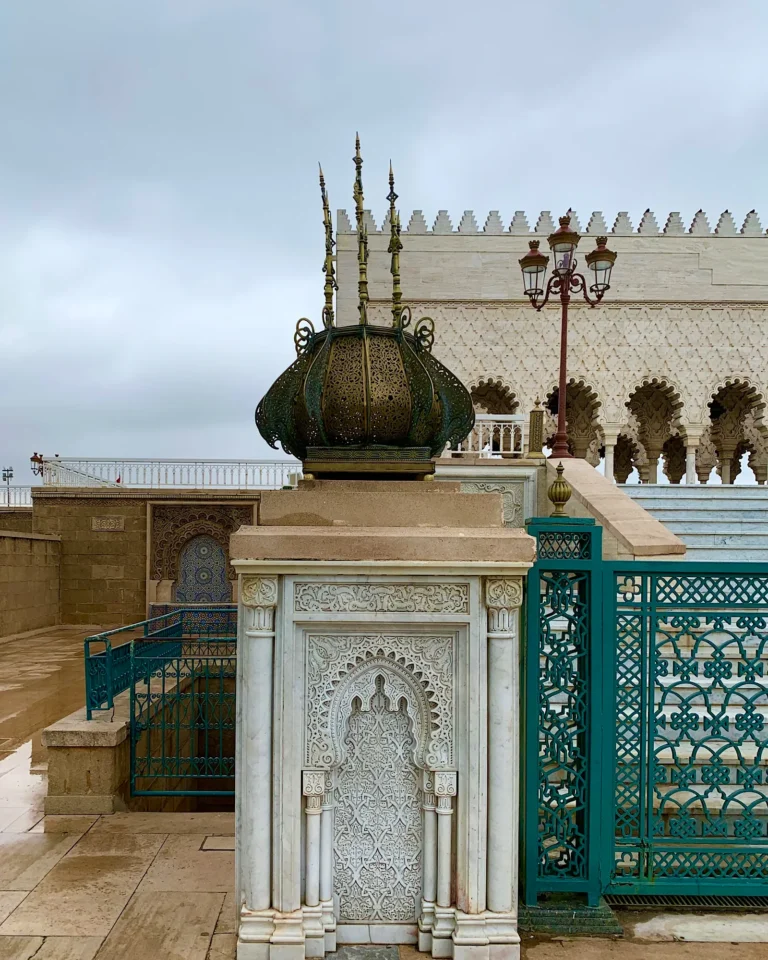
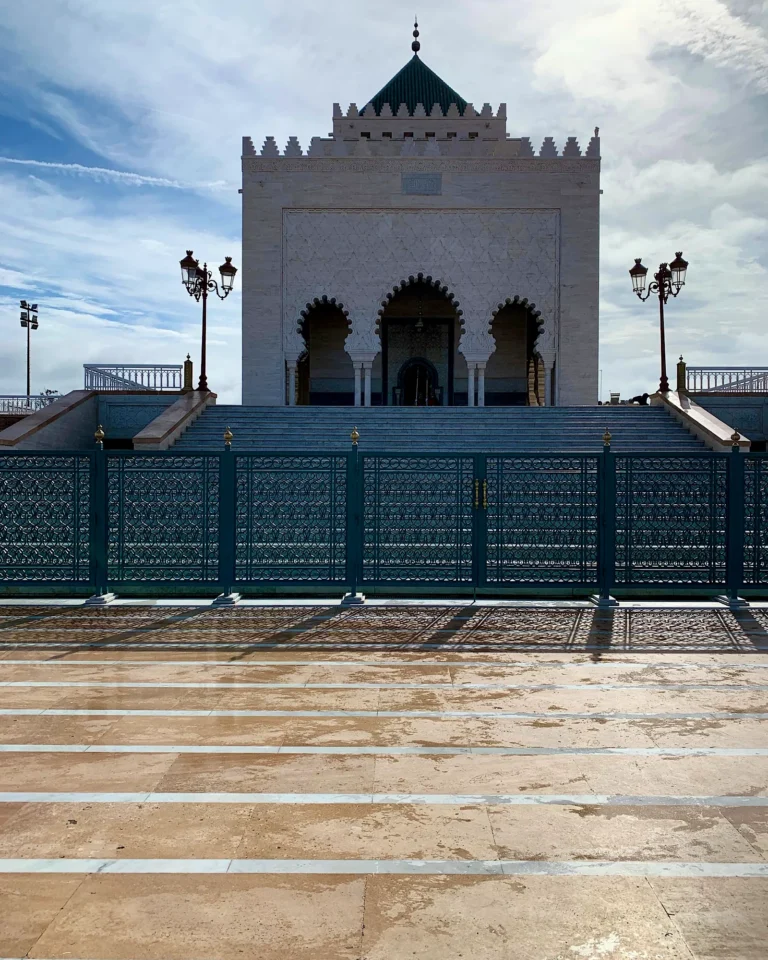
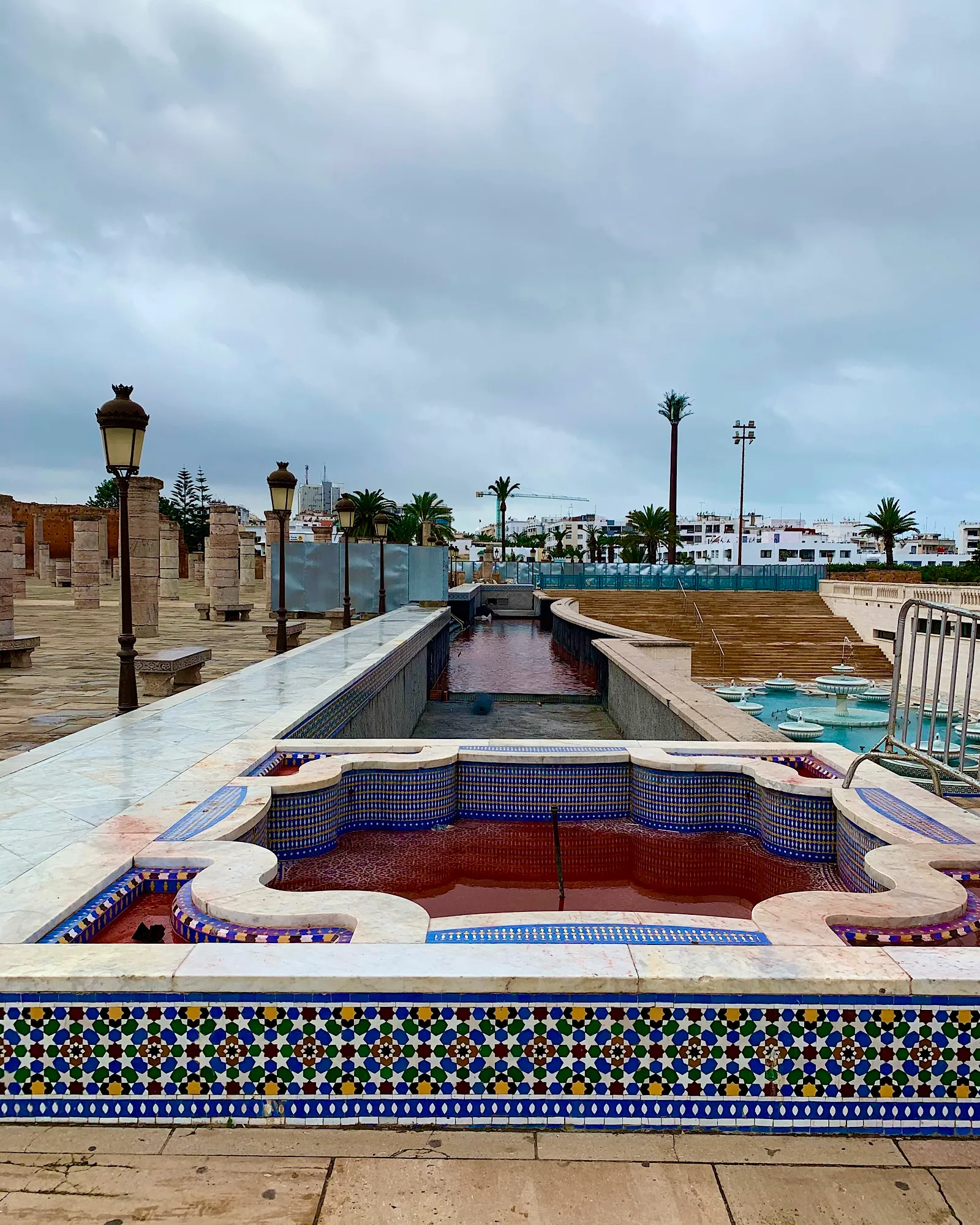
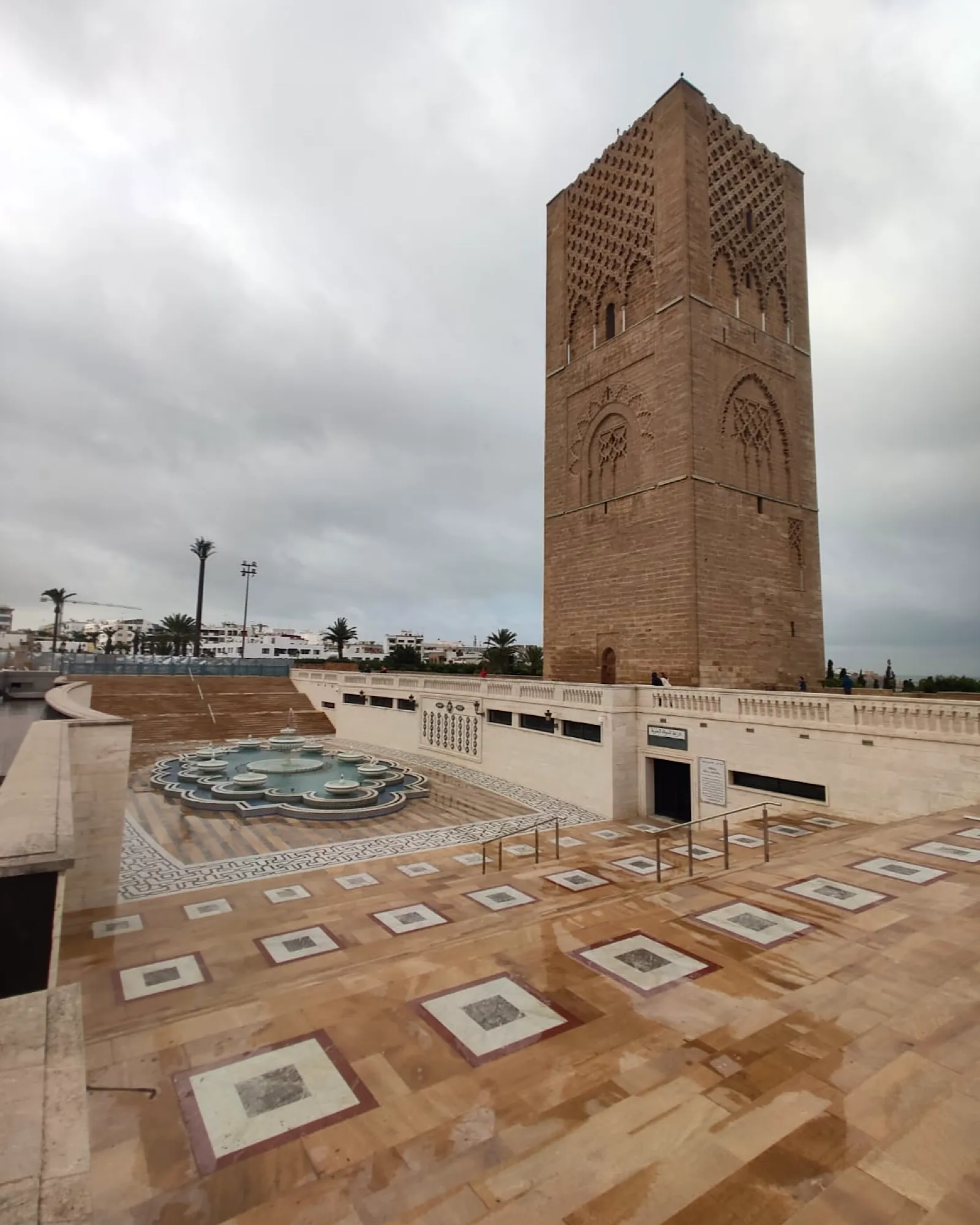
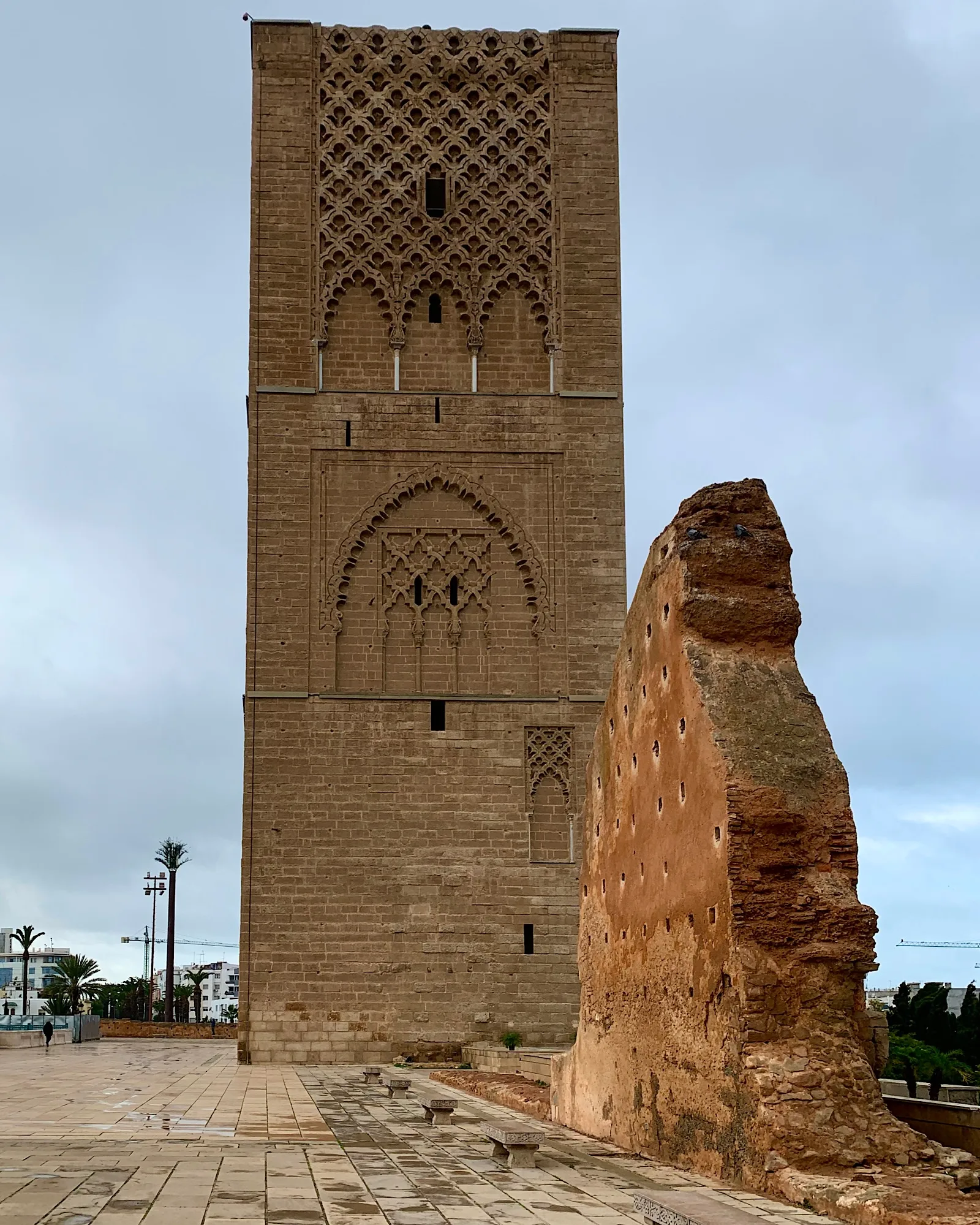
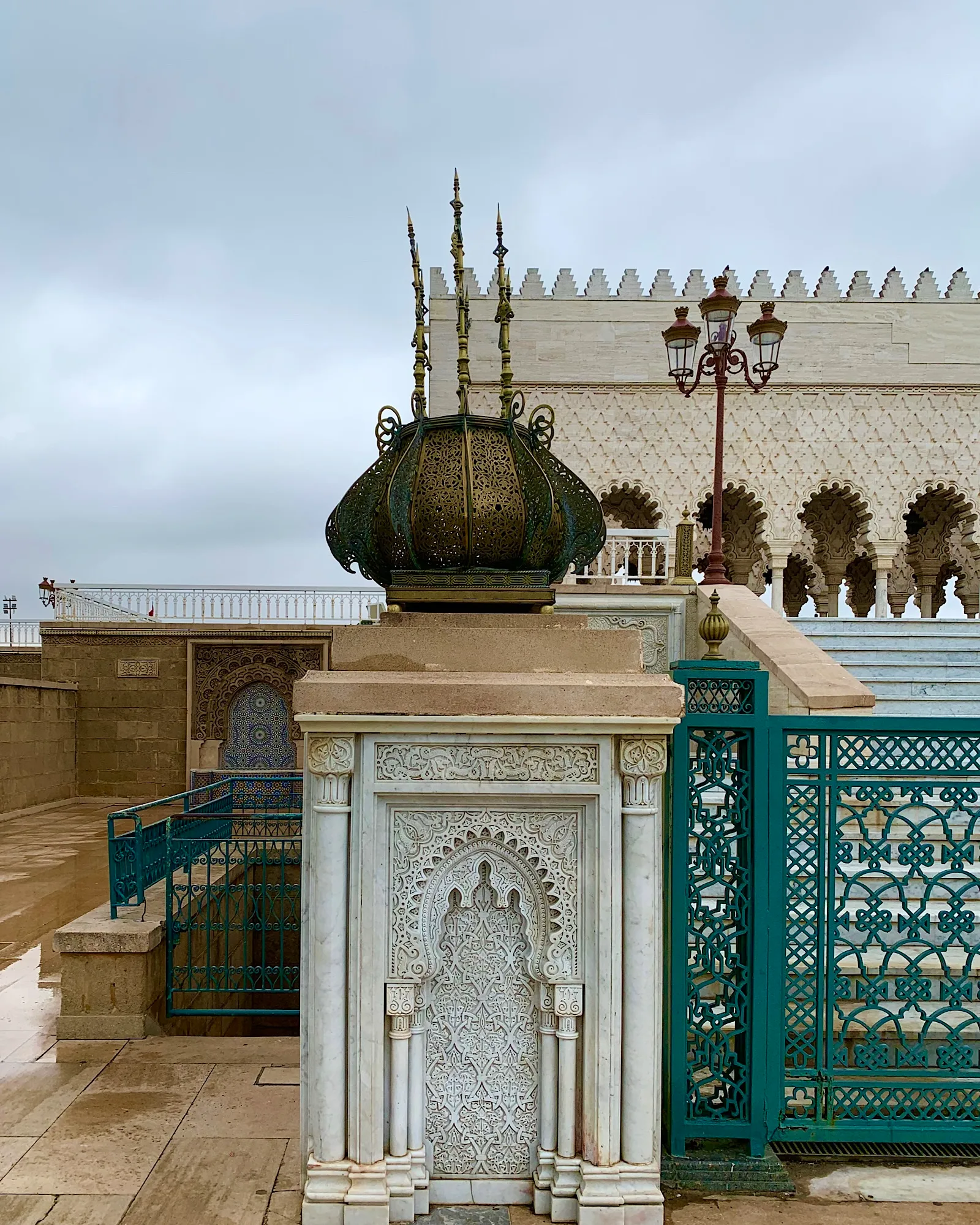
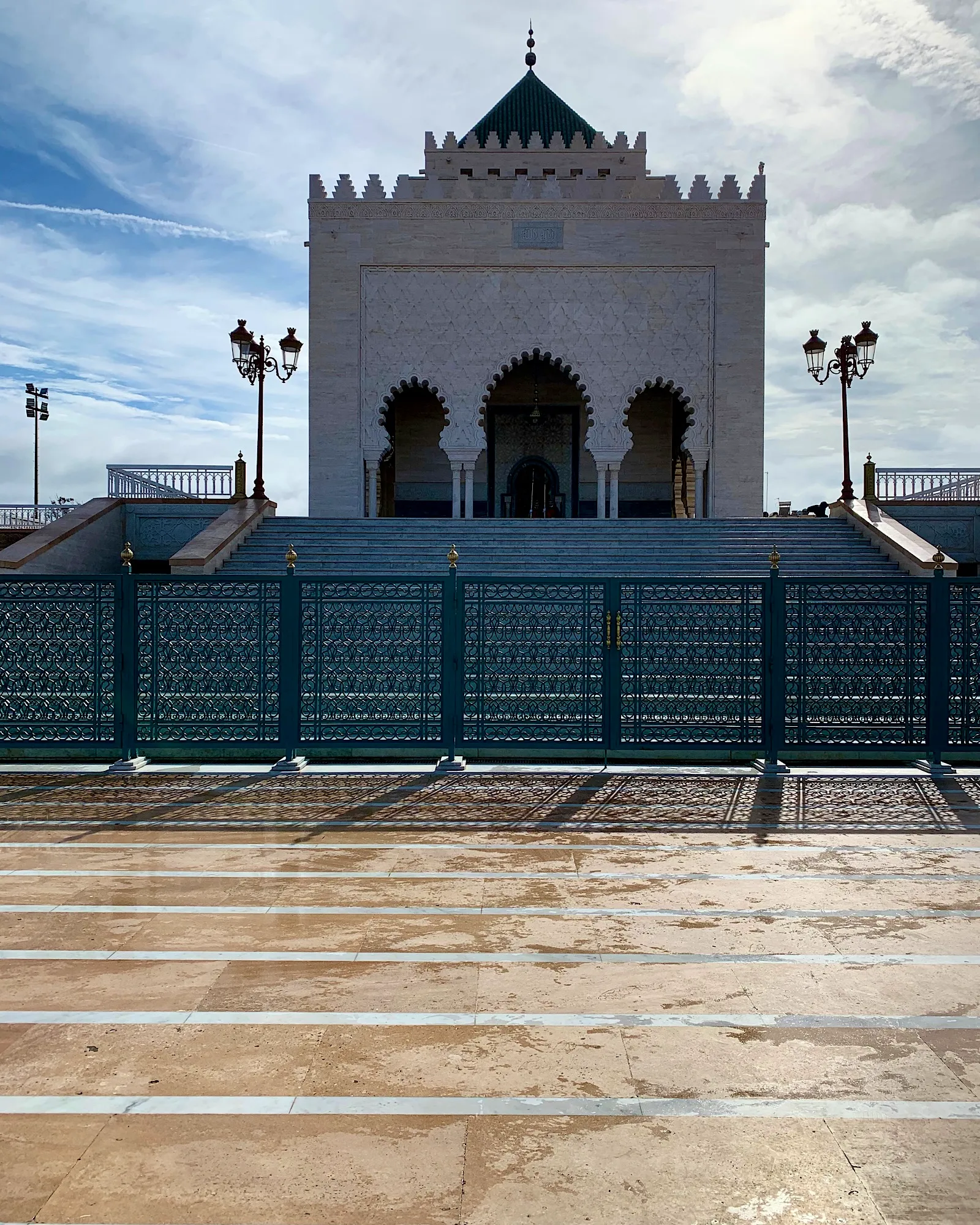
  • Hassan Tower & Mausoleum: The city’s landmark. The unfinished minaret and the 200 columns of the mosque offer an impressive backdrop for photos. Right next to it is the magnificent Mausoleum of Mohammed V.
  • Plateforme du Semaphore: A real insider tip for the view. From here, you look over the mouth of the Bou-Regreg River toward the neighboring city of Salé and the endless Atlantic.
  • Chellah: This medieval necropolis is located slightly outside the center and offers a beautiful mix of Roman ruins and enchanted gardens.
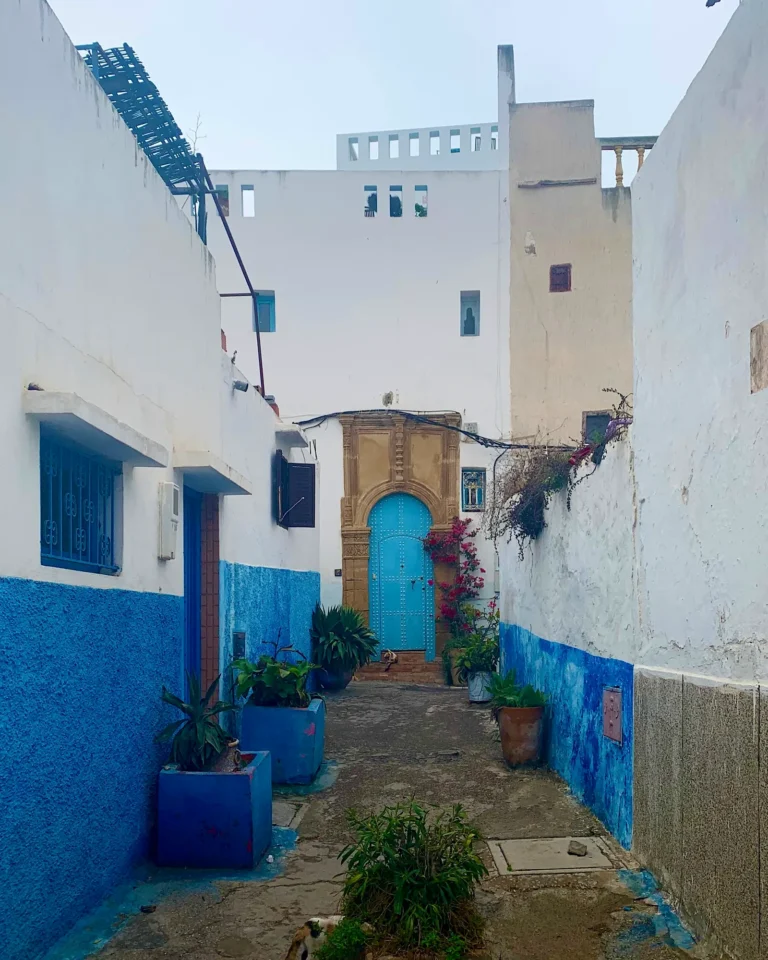
  • Kasbah des Oudaïas: We strolled through the famous blue alleys of Rabat. The Kasbah perches on a cliff above the Atlantic. Walk through the main gate (Bab Oudaïa) and let yourself drift until you reach the observation deck at the end for a spectacular view over the beach.
Tips and Tricks for Rabat:
  • Culinary Tip: Breakfast in the Oudaya Kasbah. Visit “Café Maure” for traditional mint tea and Moroccan almond pastries.
  • Parking: Look for guarded parking lots (Parking Surveillé) outside the Medina walls.
  • Travel Hack: Always pack a change of clothes, a toothbrush, and chargers in your carry-on (the “Survival Kit” in case your luggage goes missing!).
Day 3–4: Casablanca - Cosmopolitan Flair and Architectural Giants

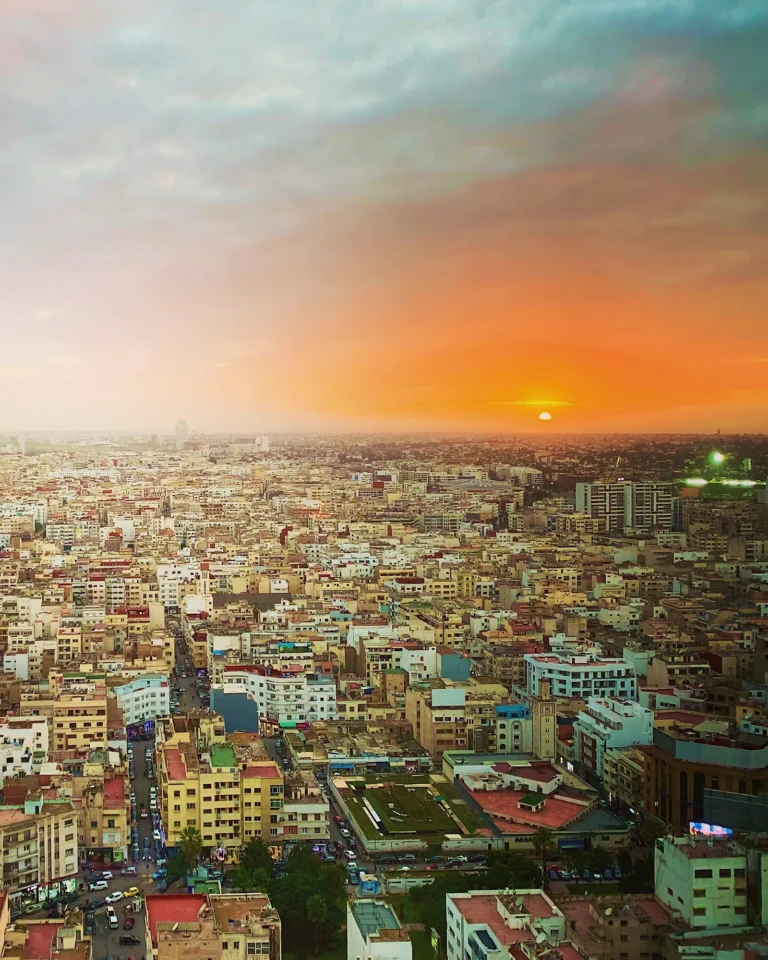
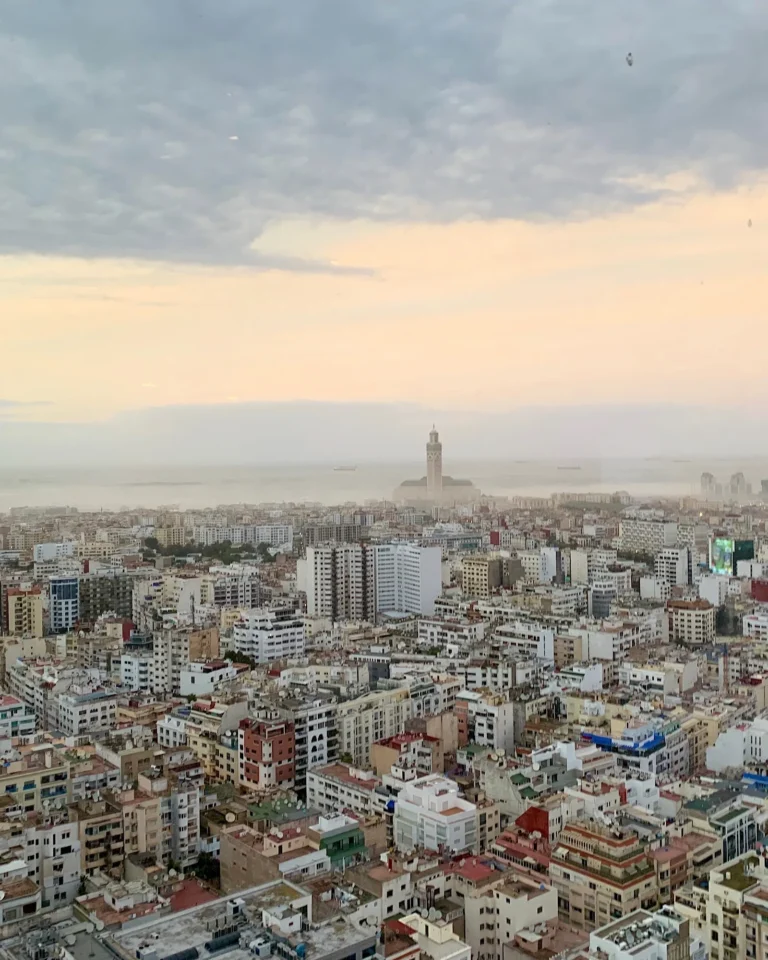
Casablanca is big, loud, and full of energy. Here, you can feel the pulse of modern Morocco. Anyone who only knows the city from the classic movie of the same name will be surprised by how metropolitan, busy, and modern “Casa” actually is. It is the economic heart of the country and offers an exciting contrast to the traditional imperial cities.
What to see and do in Casablanca:
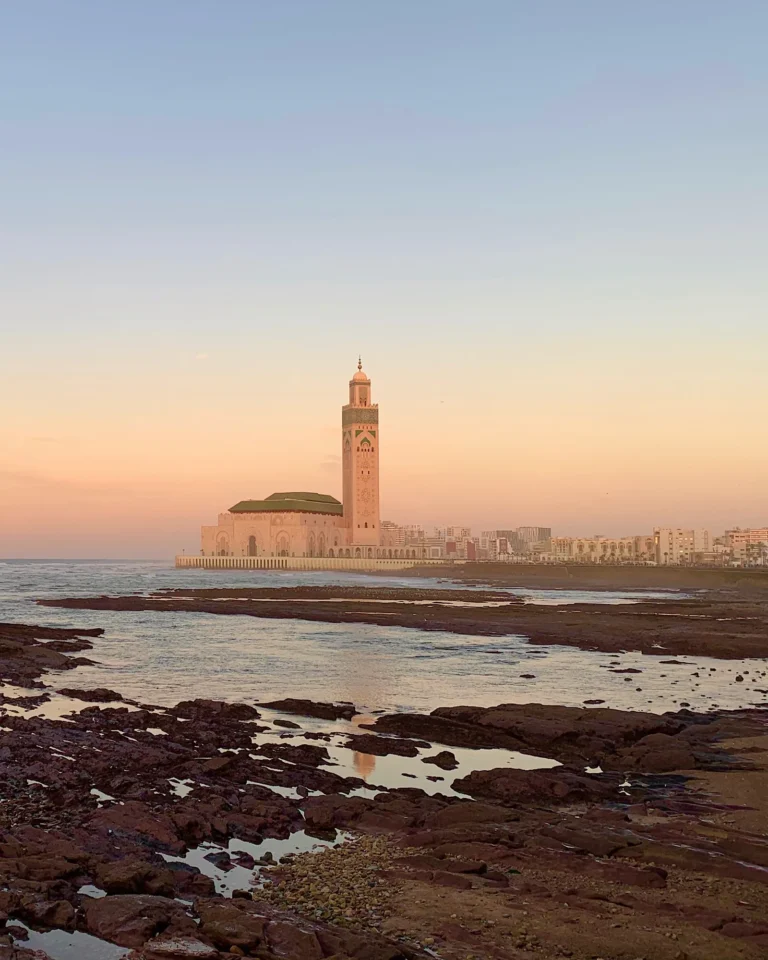
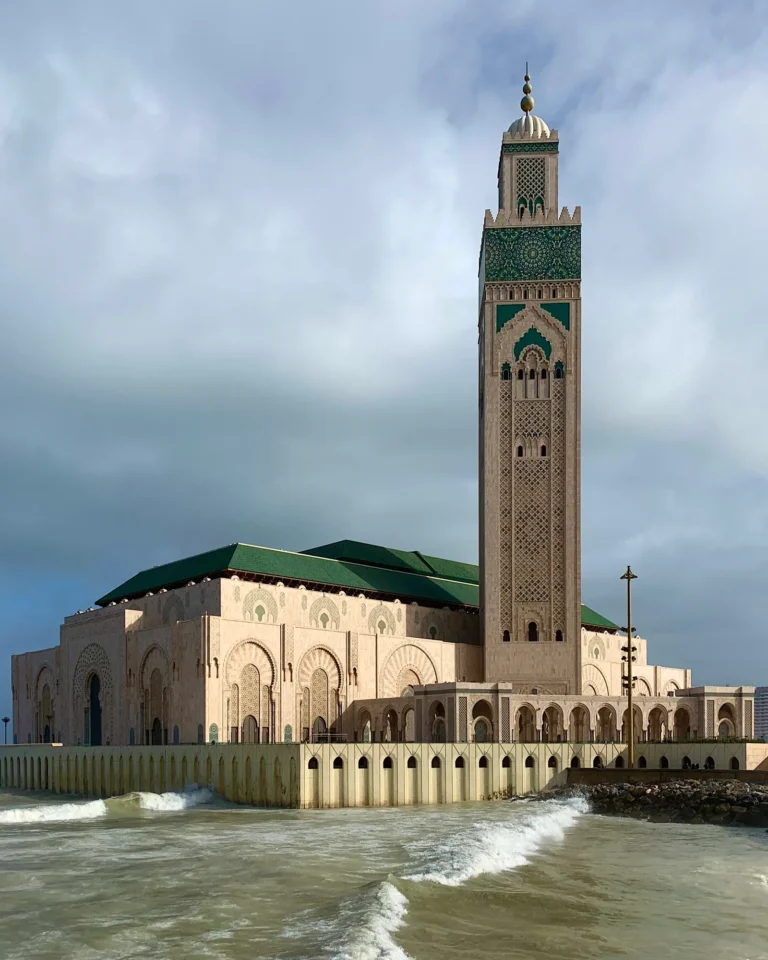
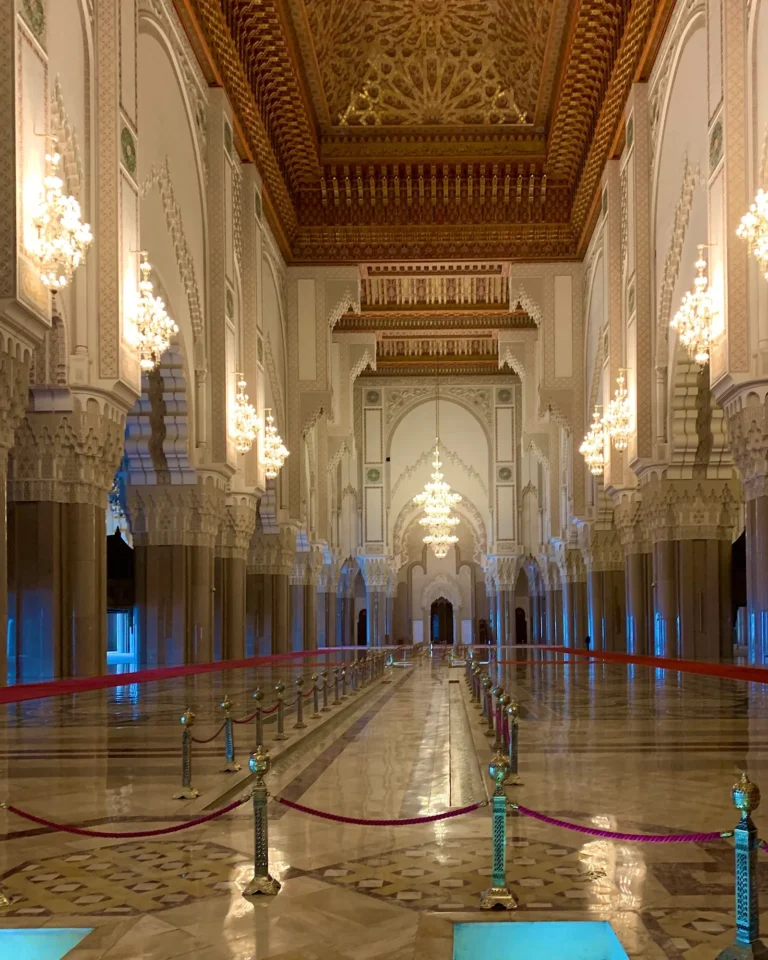
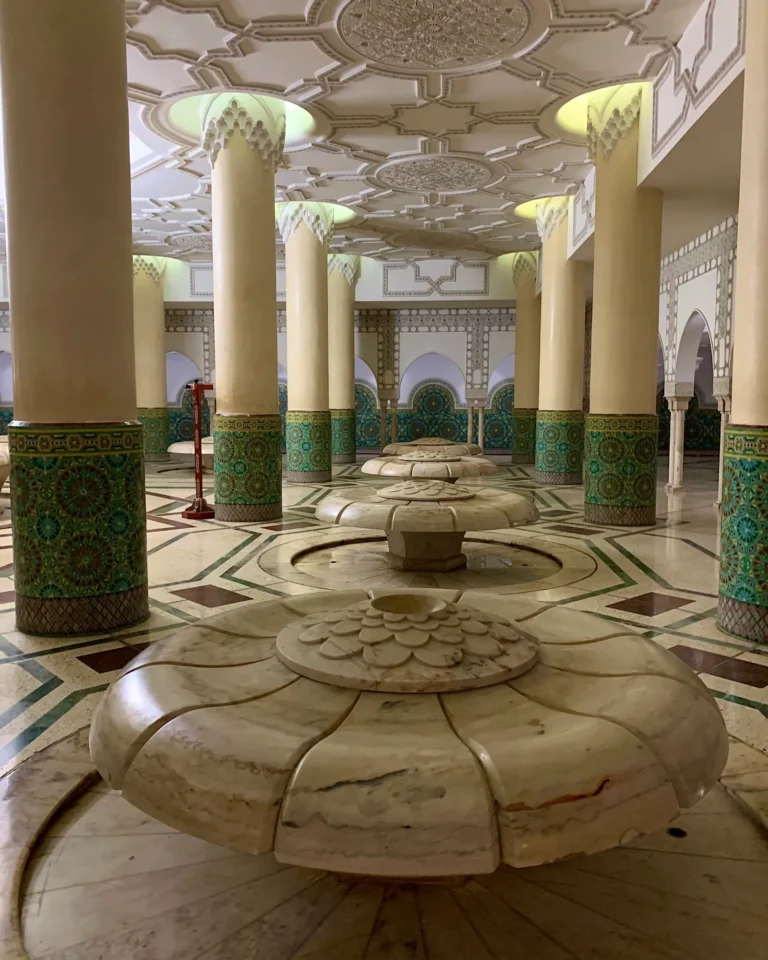
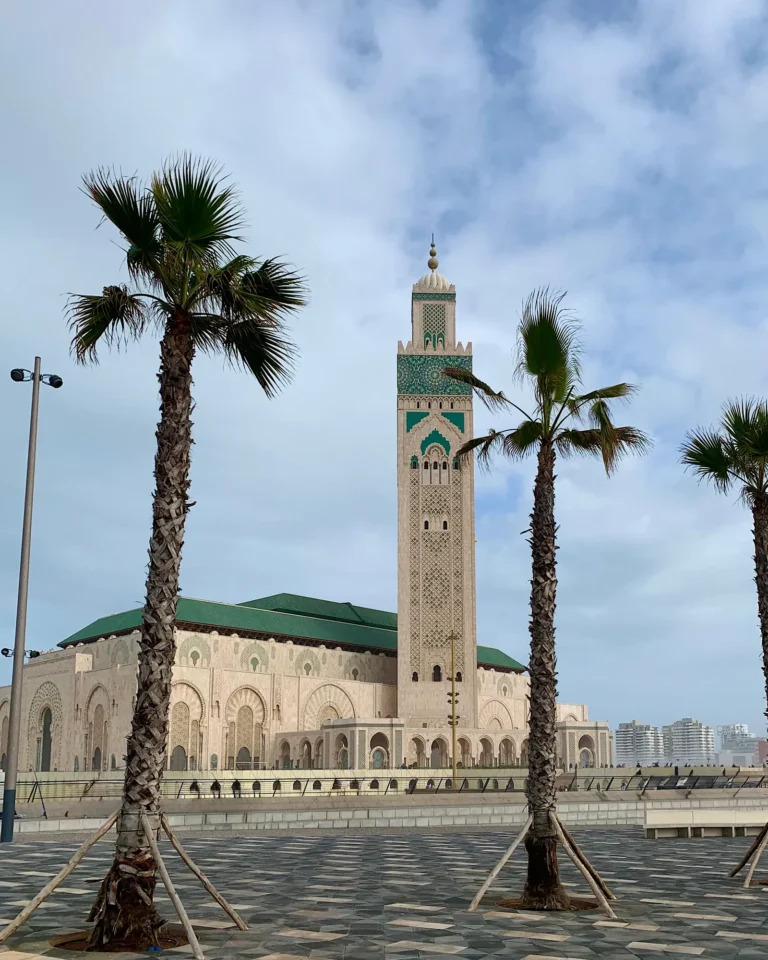
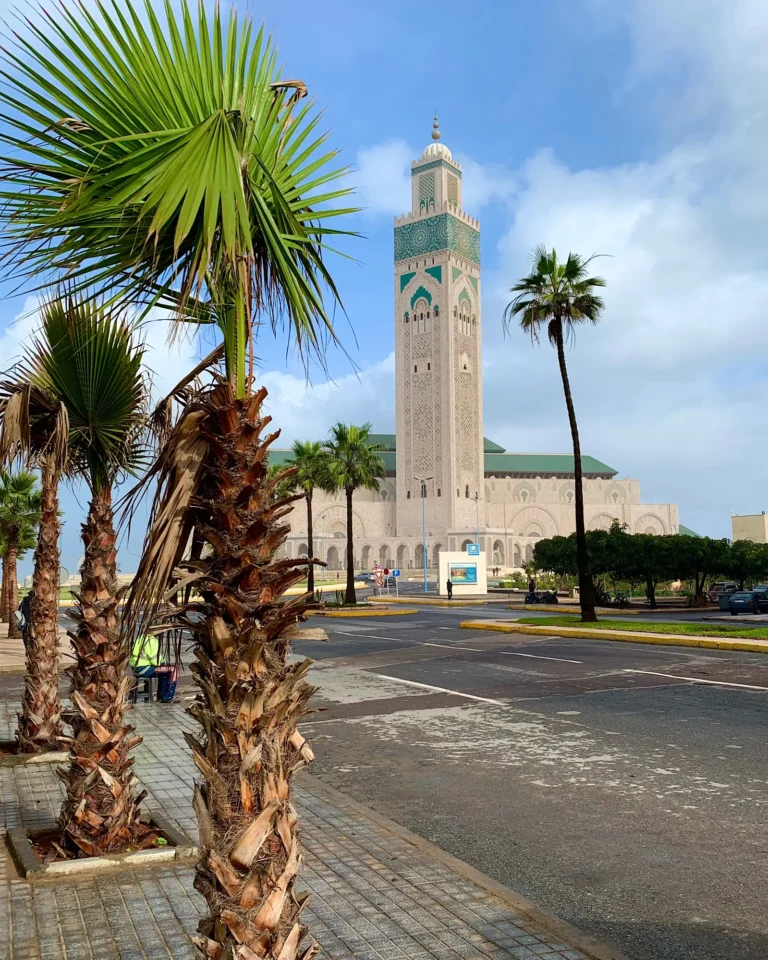
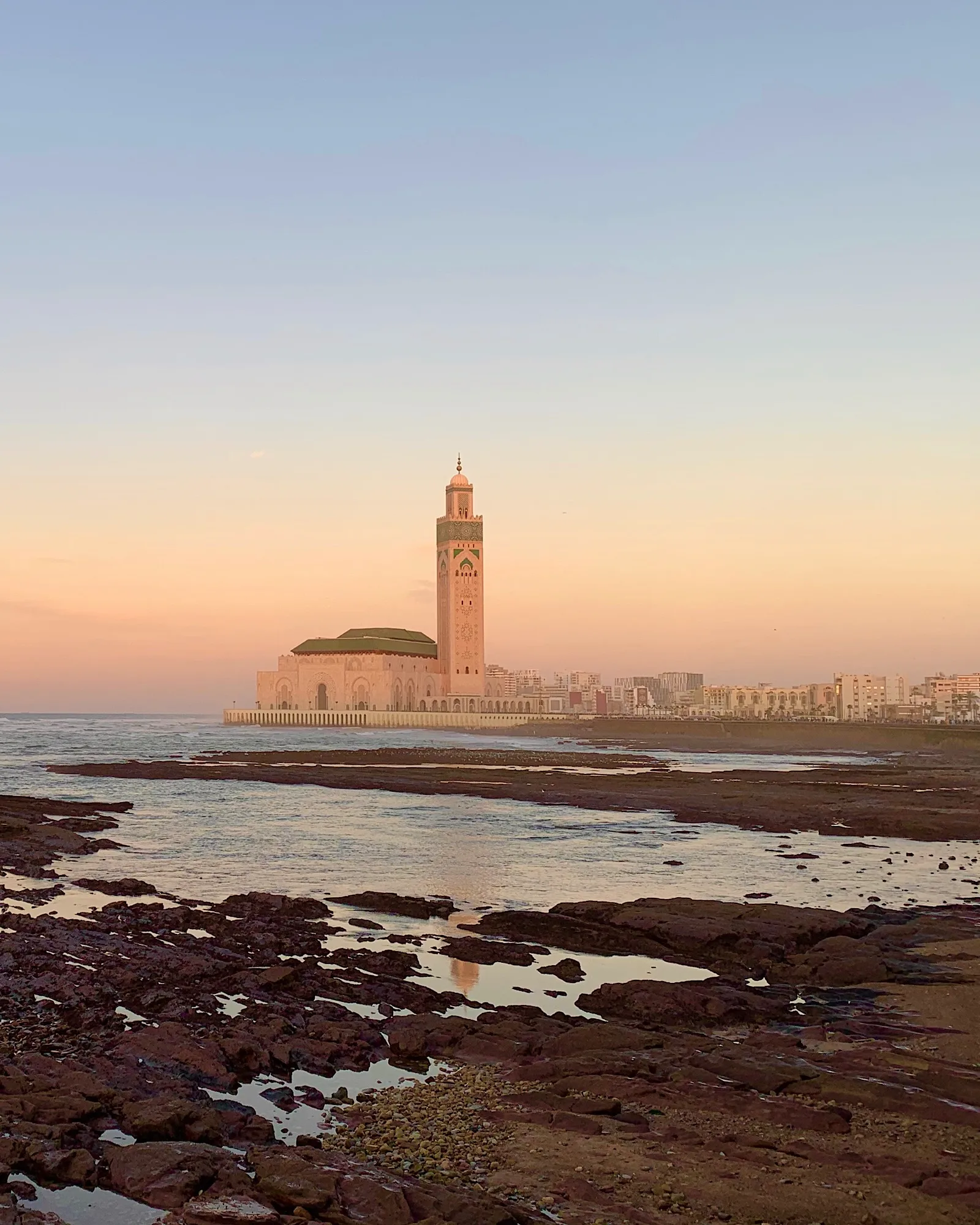
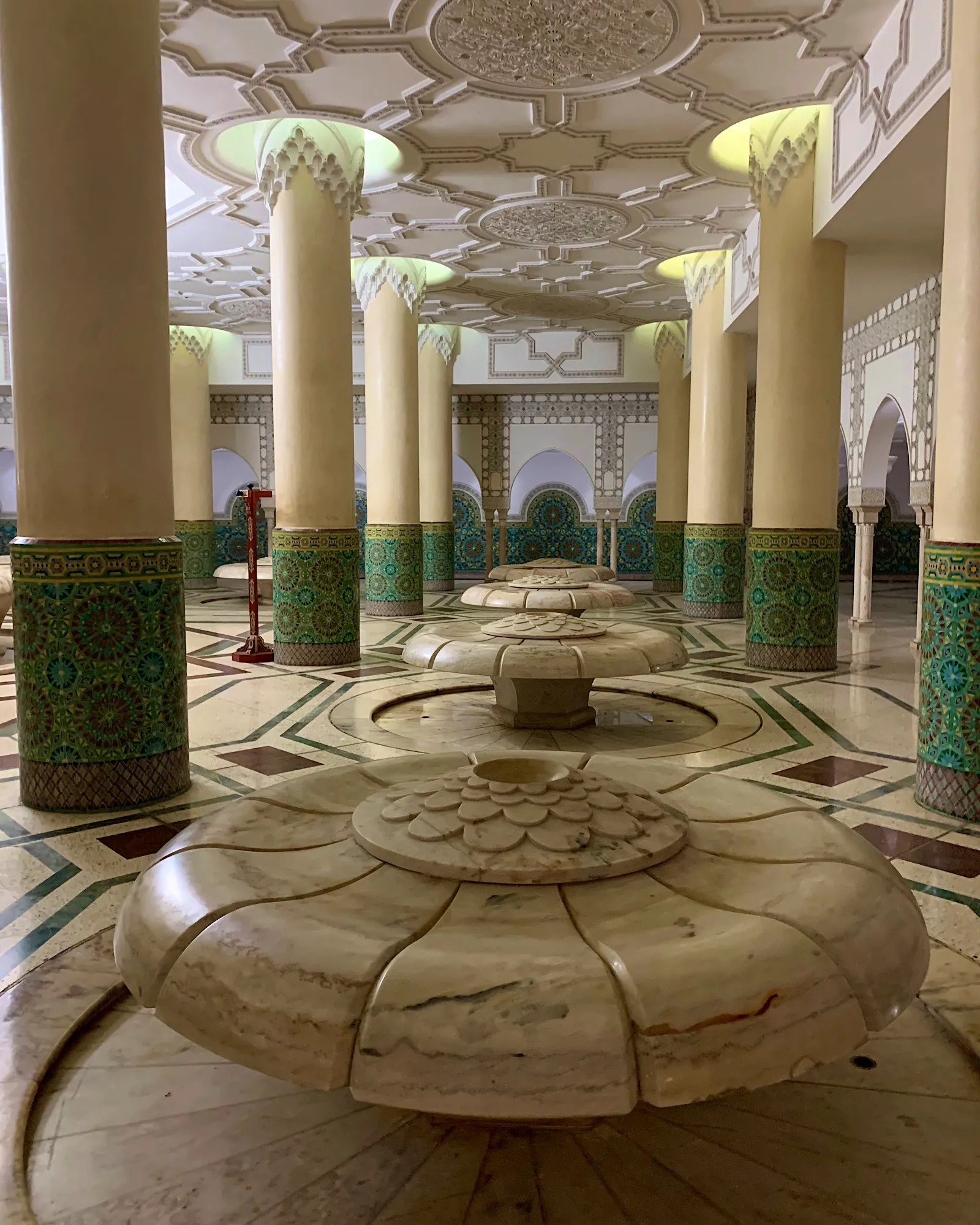
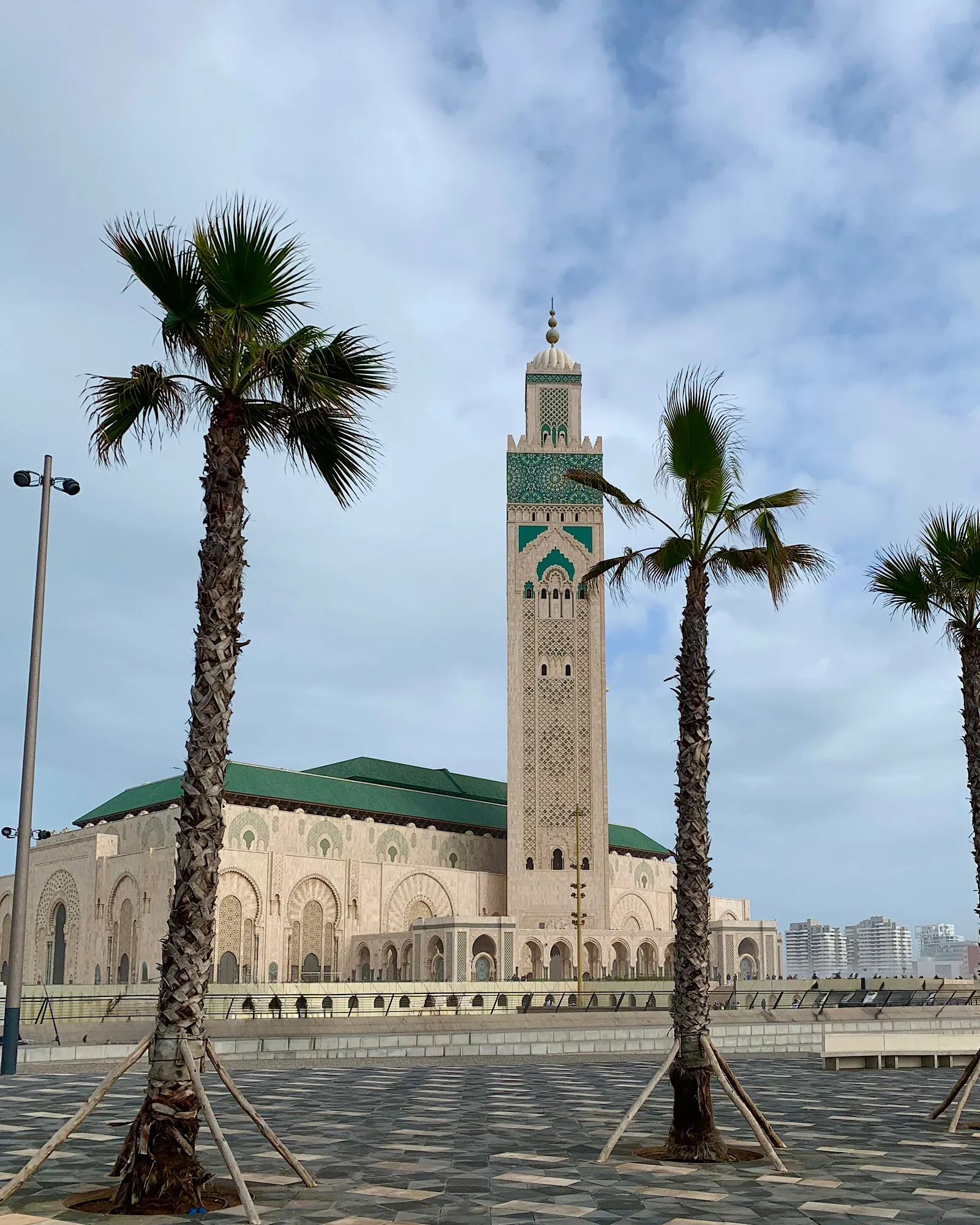
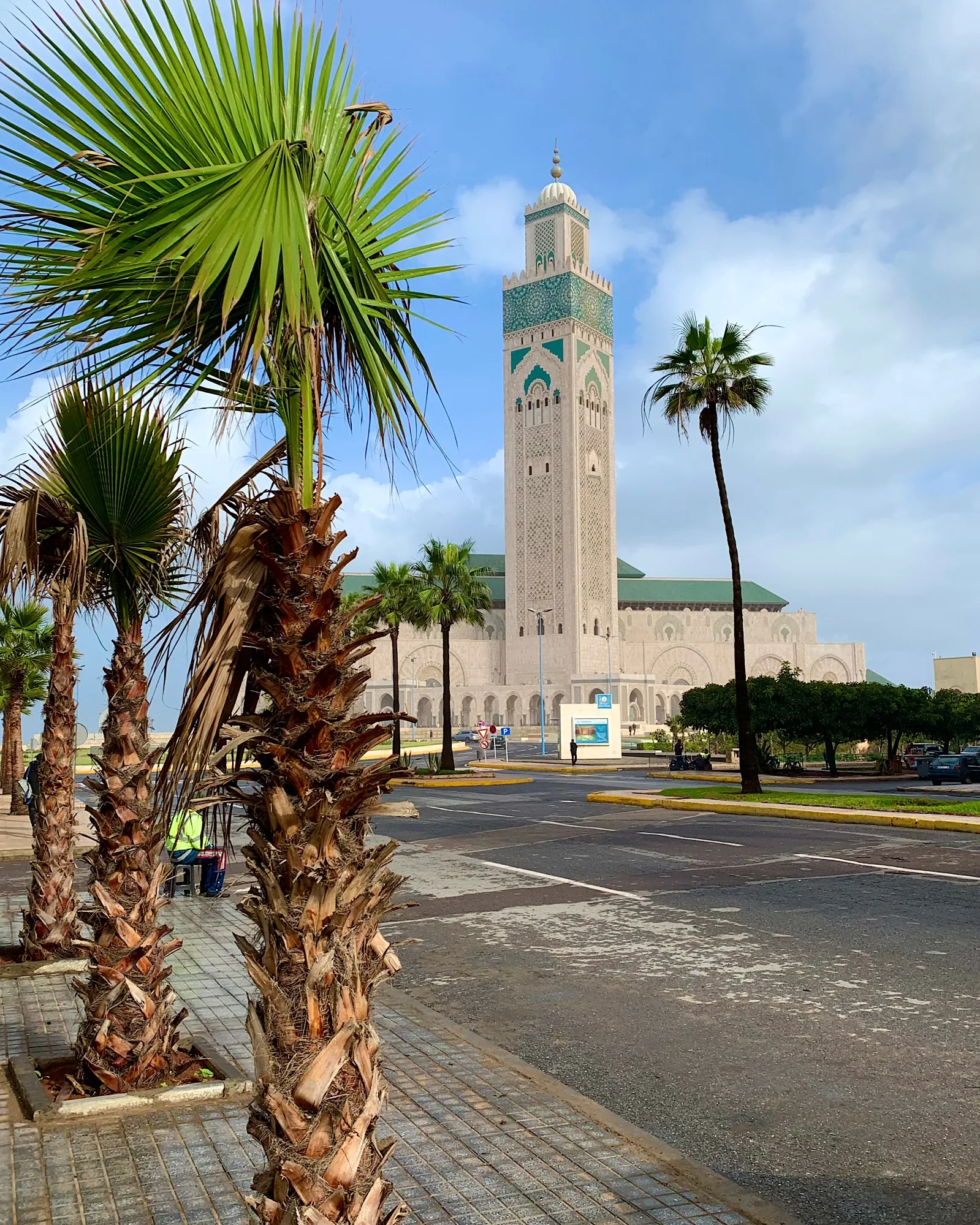
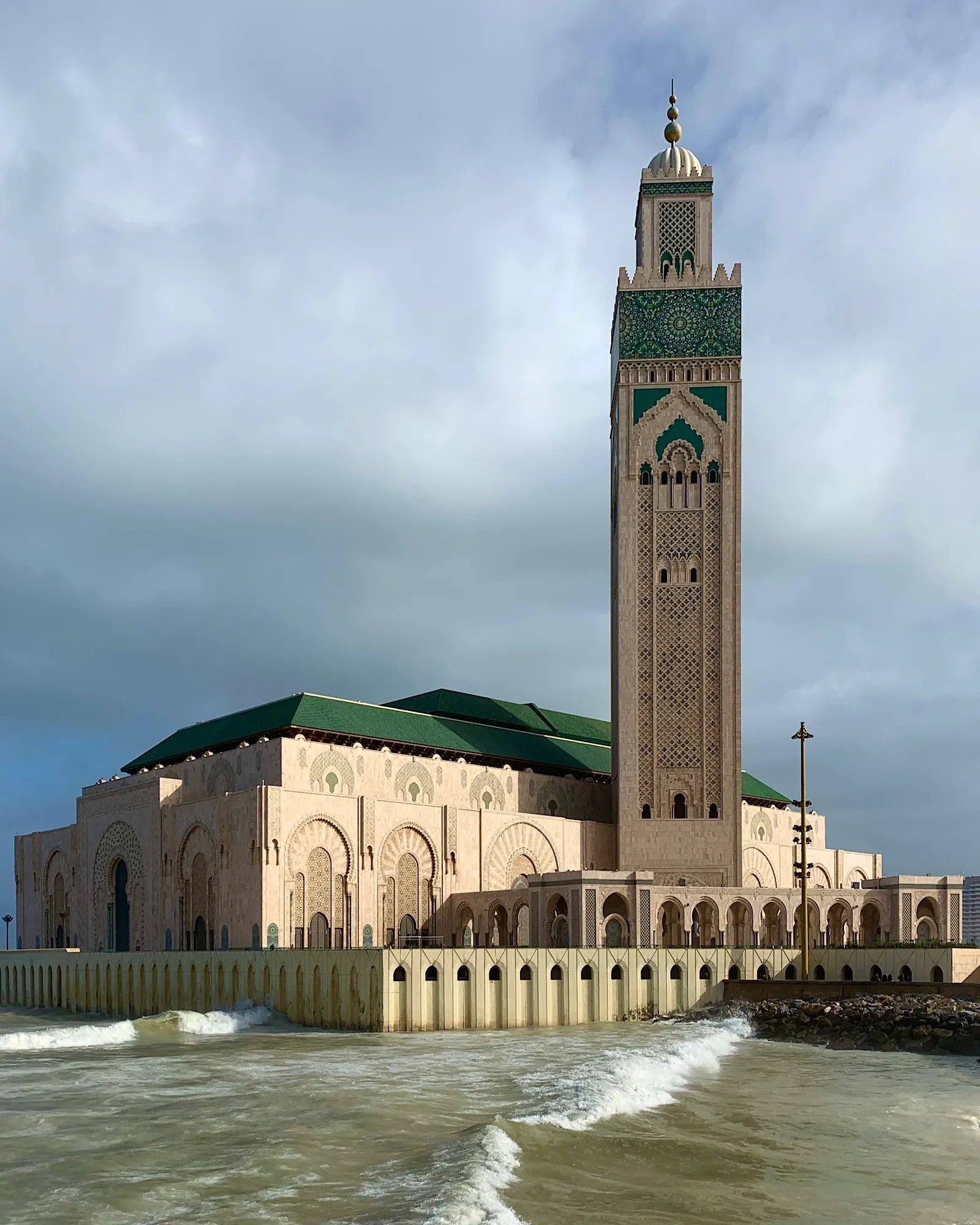
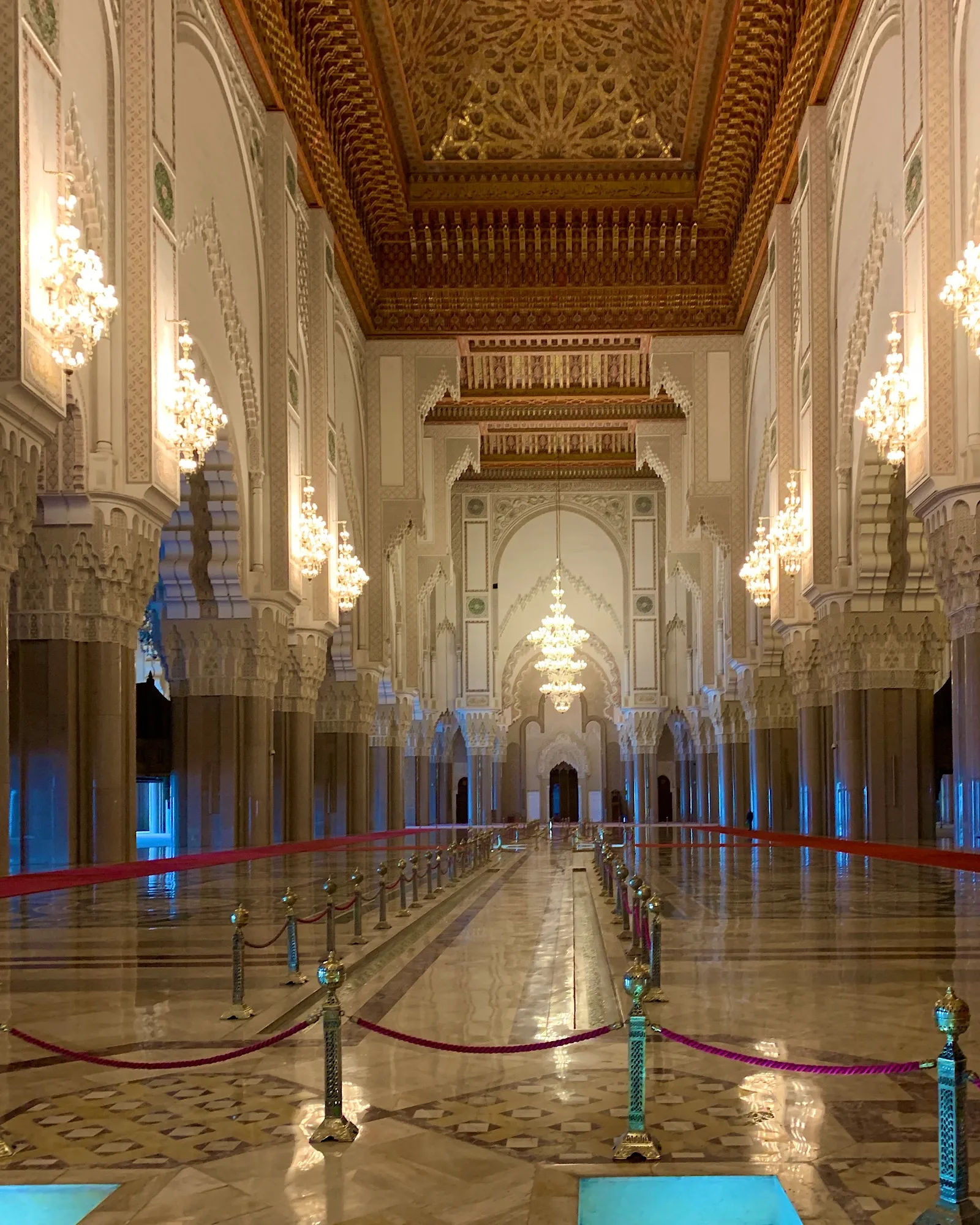
  • Hassan II Mosque (Our Highlight): It is not just a religious site, but a marvel of engineering. With the world’s tallest minaret (210 meters) and a glass floor through which you can see the ocean, it is absolutely unique. Important: It is one of the few mosques in Morocco that non-Muslims can visit from the inside as part of a guided tour – be sure to do this!
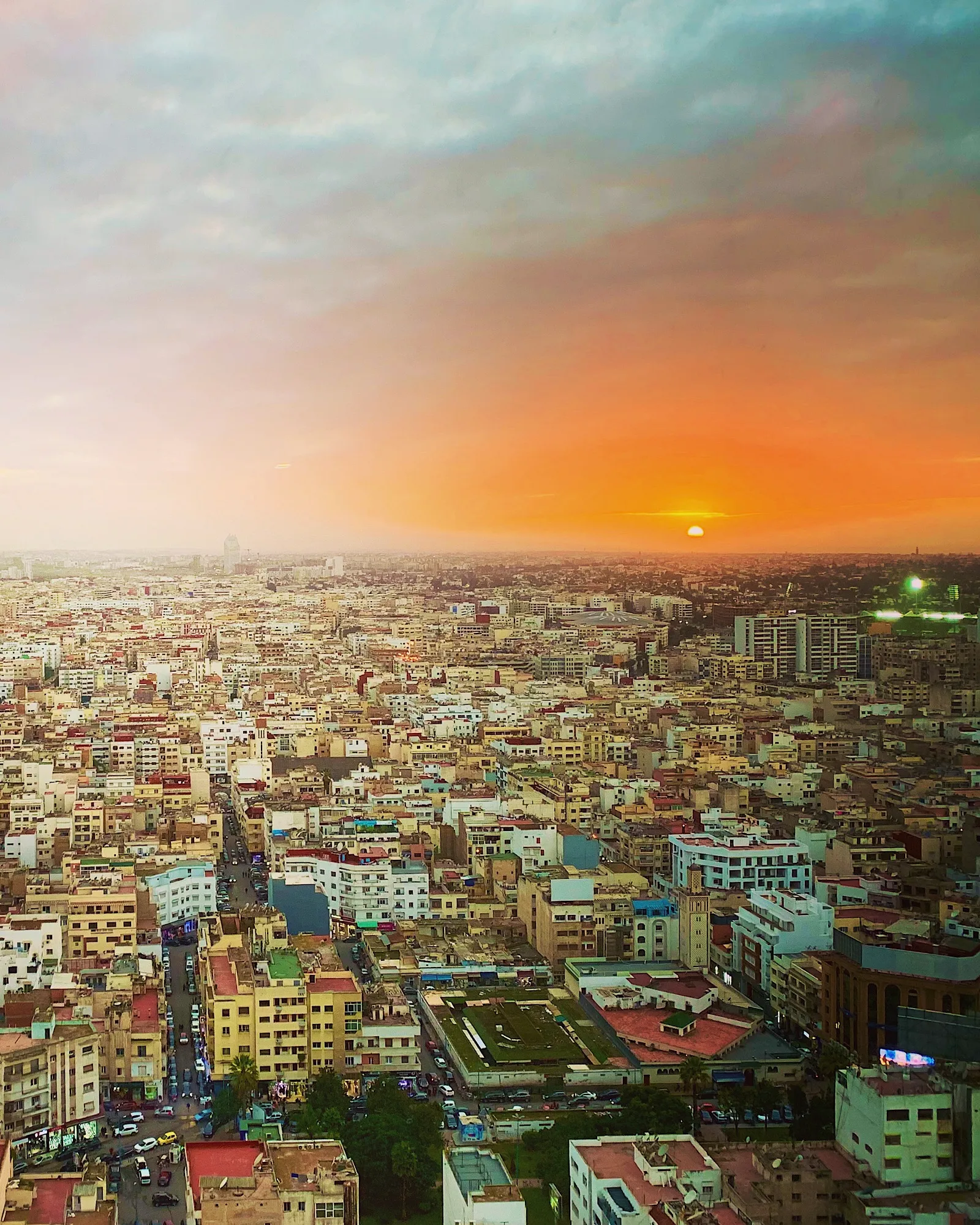
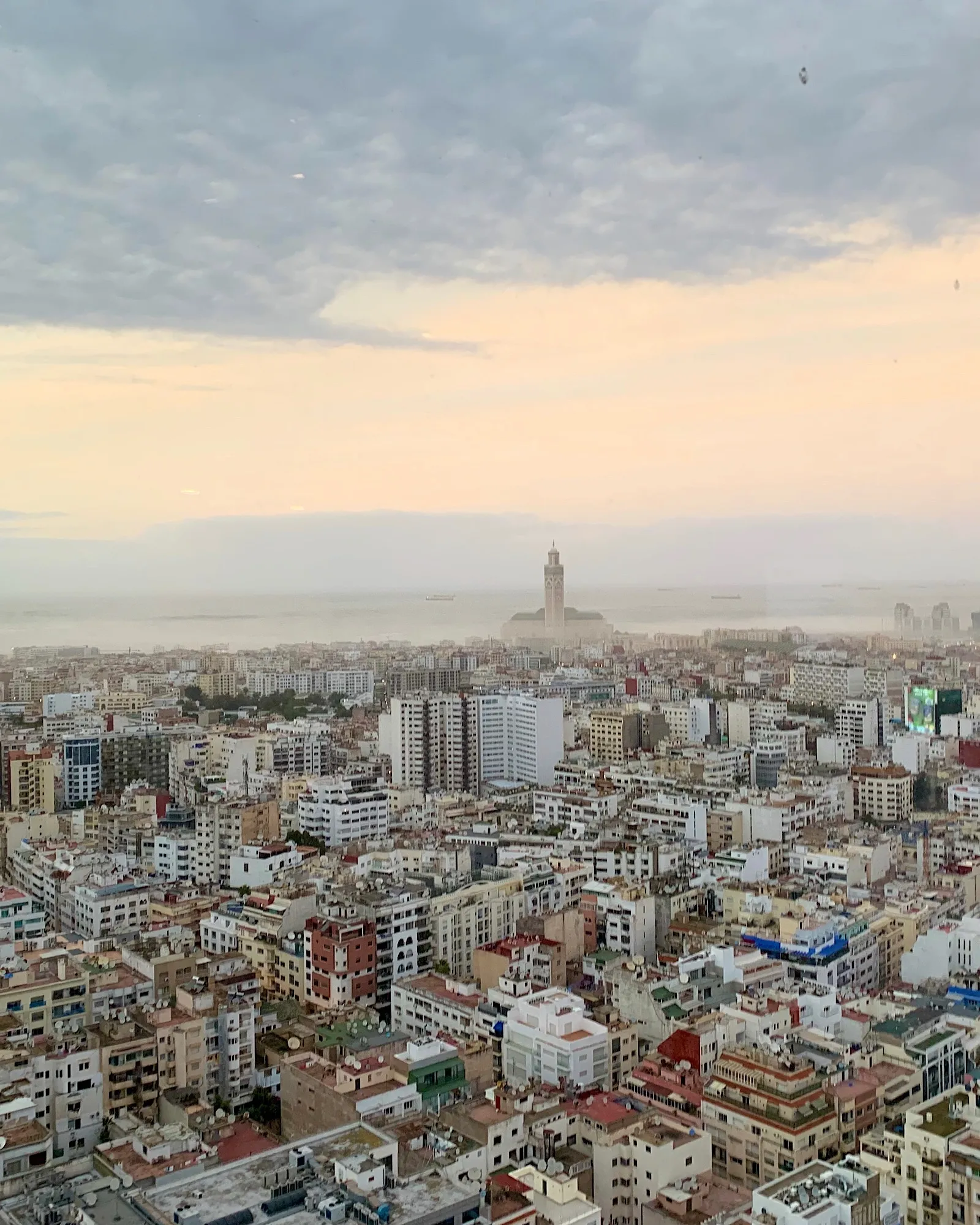
  • Sky 28 (Kenzi Tower): For the best overview of the sea of houses in “Casa,” you should head to the 28th floor of the Kenzi Tower. Having a drink here really shows you how gigantic the city is.
  • Marché Central: If you want to see the real, unvarnished life of the locals, the Marché Central is a must. Between fresh fish, colorful spices, and fragrant flowers, you can eat fantastically here. Buy fresh fish directly at a stall and have it prepared for you in one of the small surrounding grill restaurants. It doesn’t get any fresher!
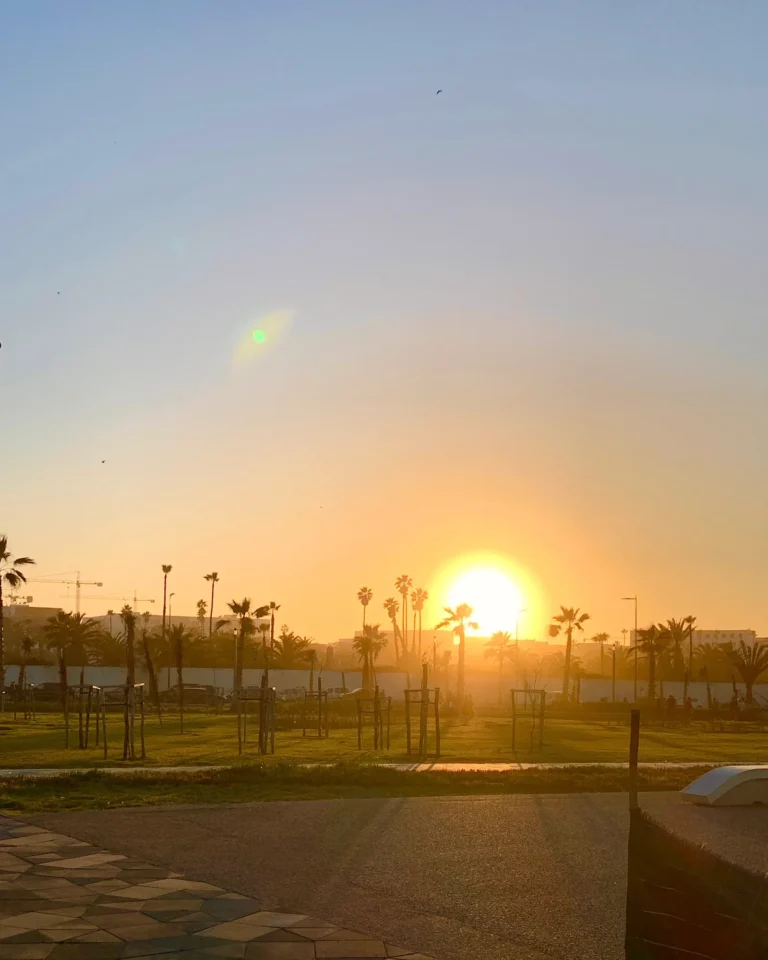
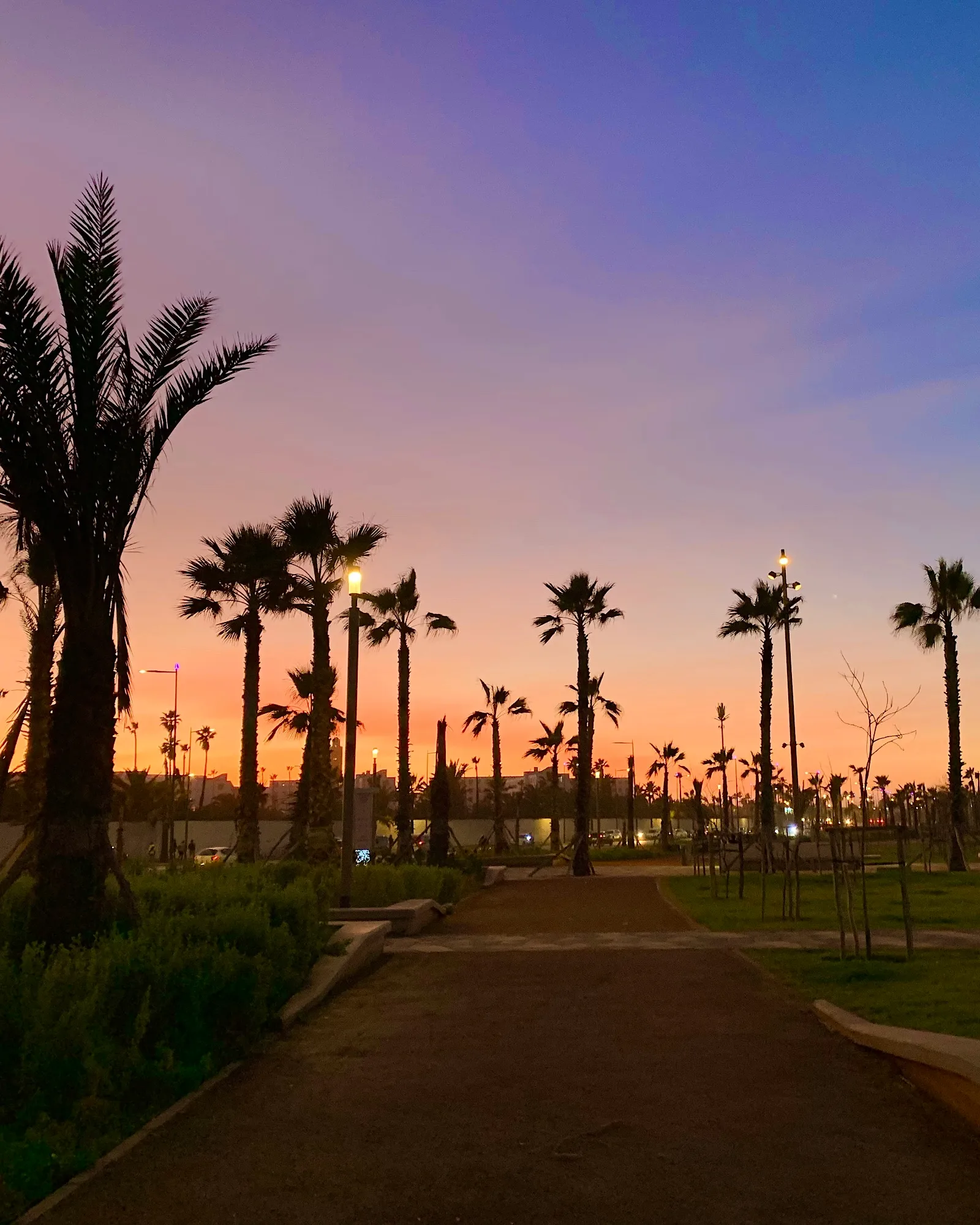
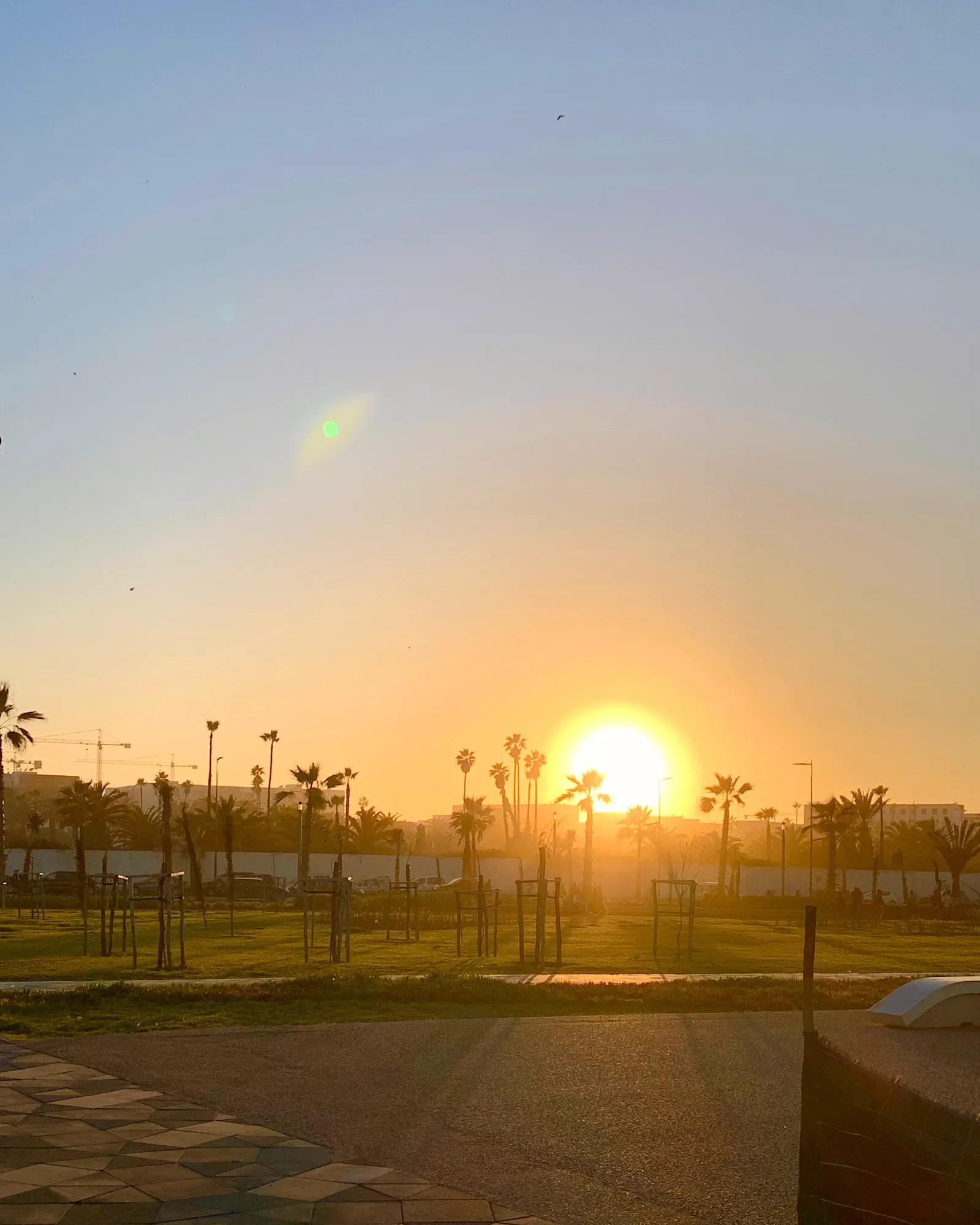
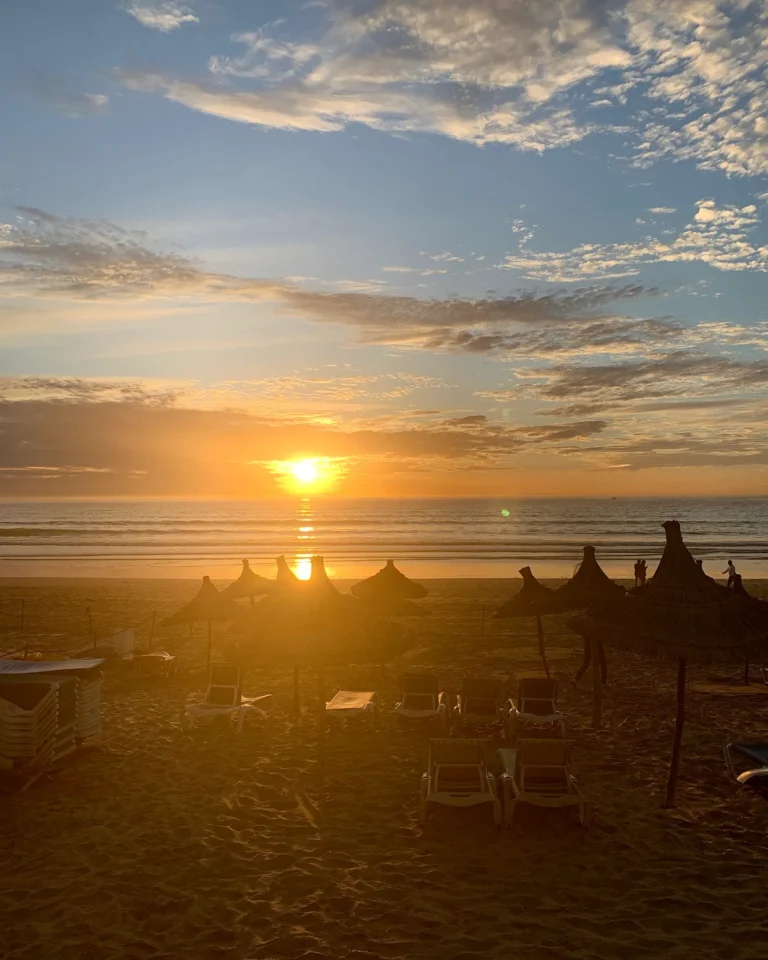
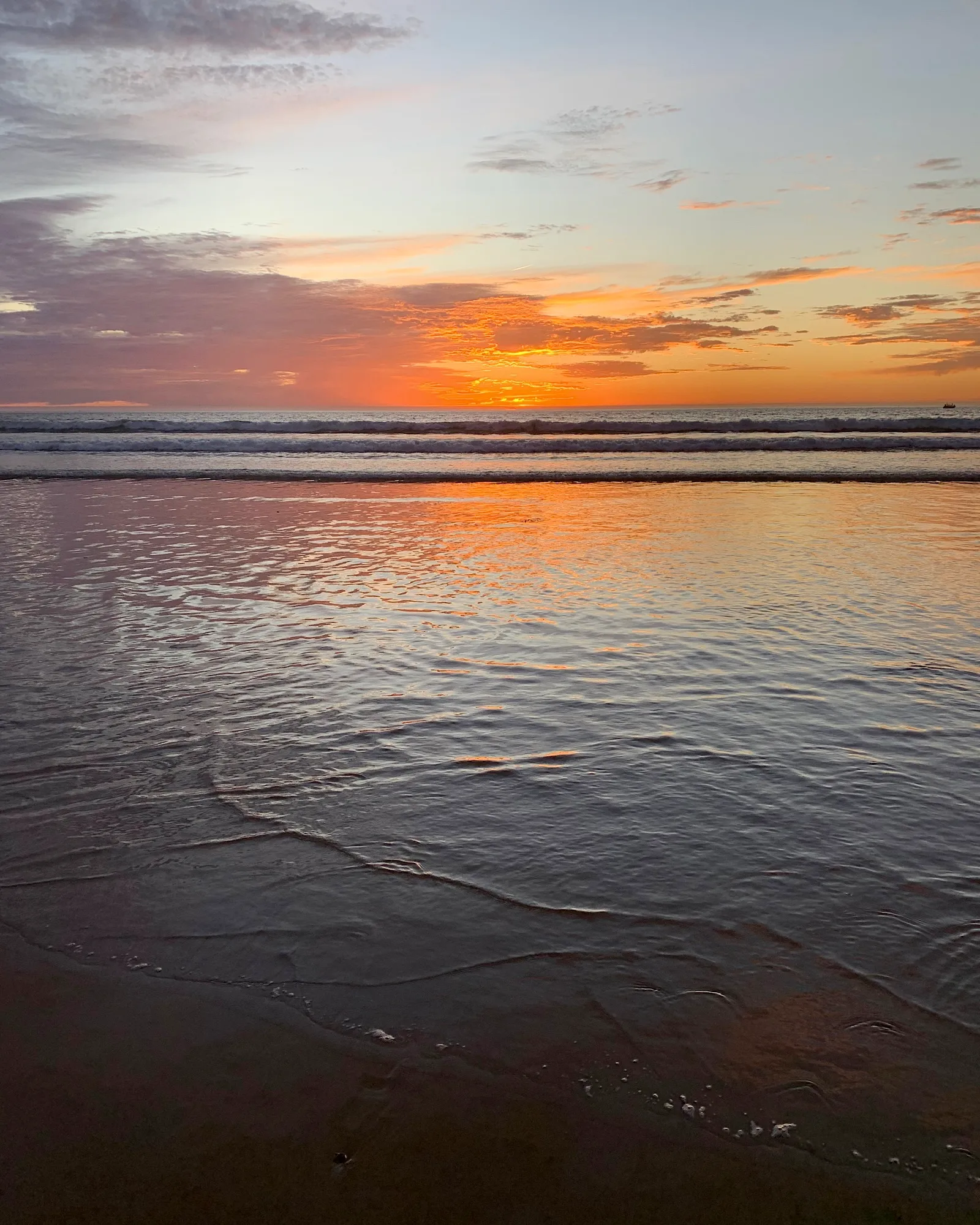
  • La Corniche & Miami Plage: The entertainment mile right by the sea. People meet here for jogging, walking, or simply to “see and be seen.” Watching the sunset at Miami Plage while the surf crashes against the rocks was one of our most beautiful moments on the coast.
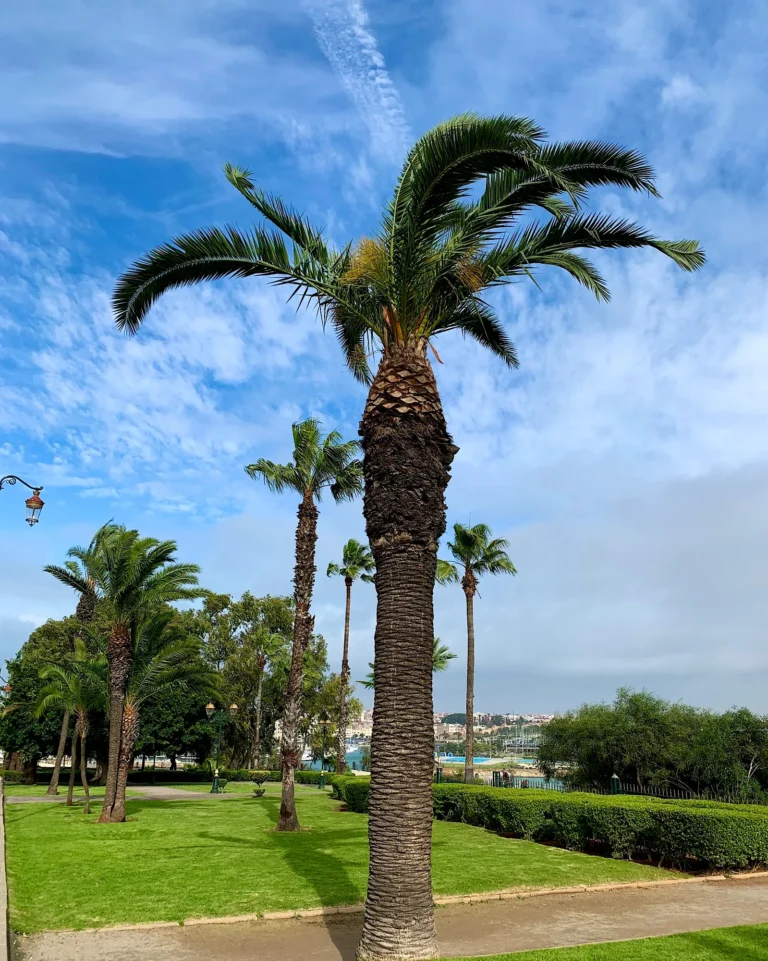
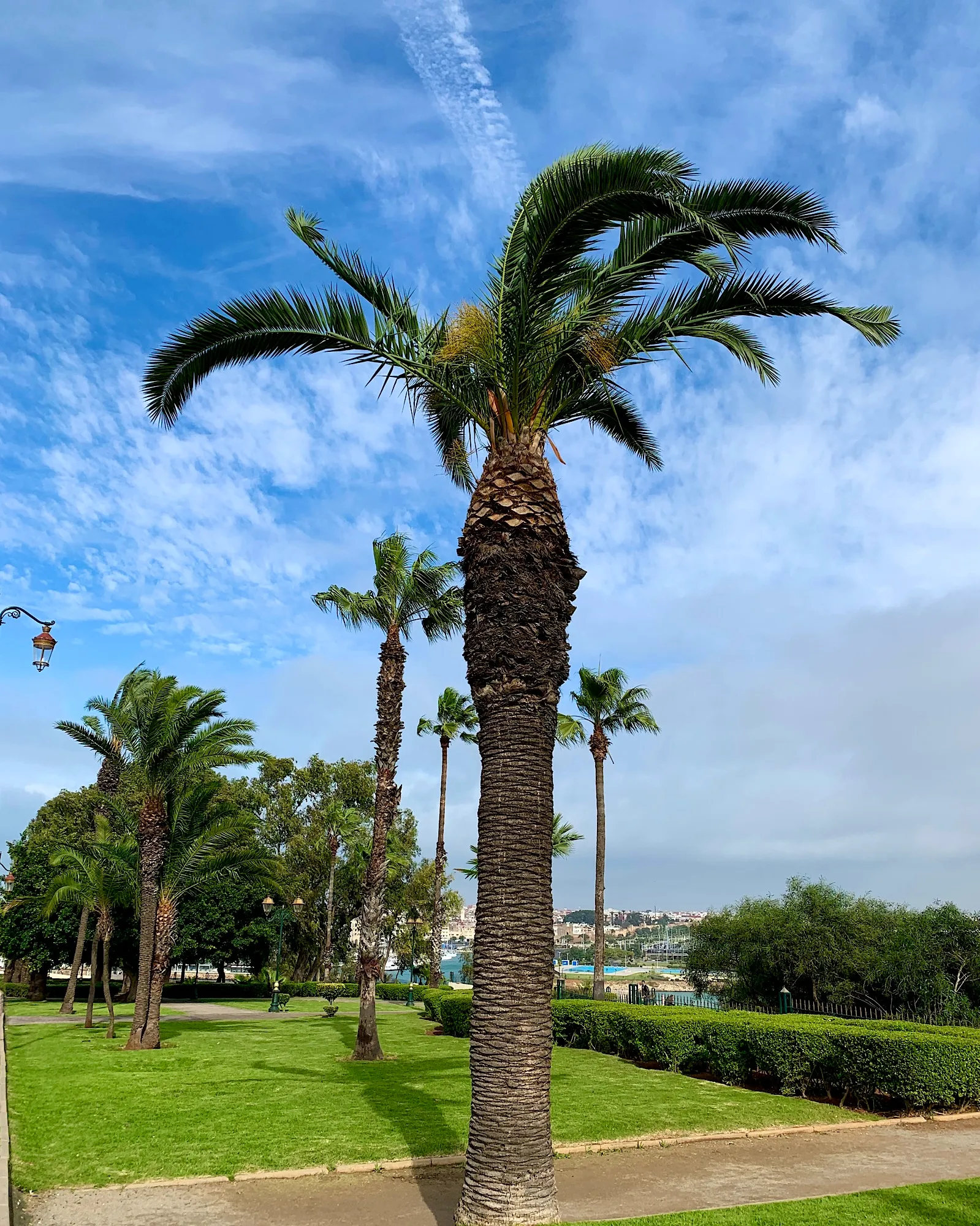
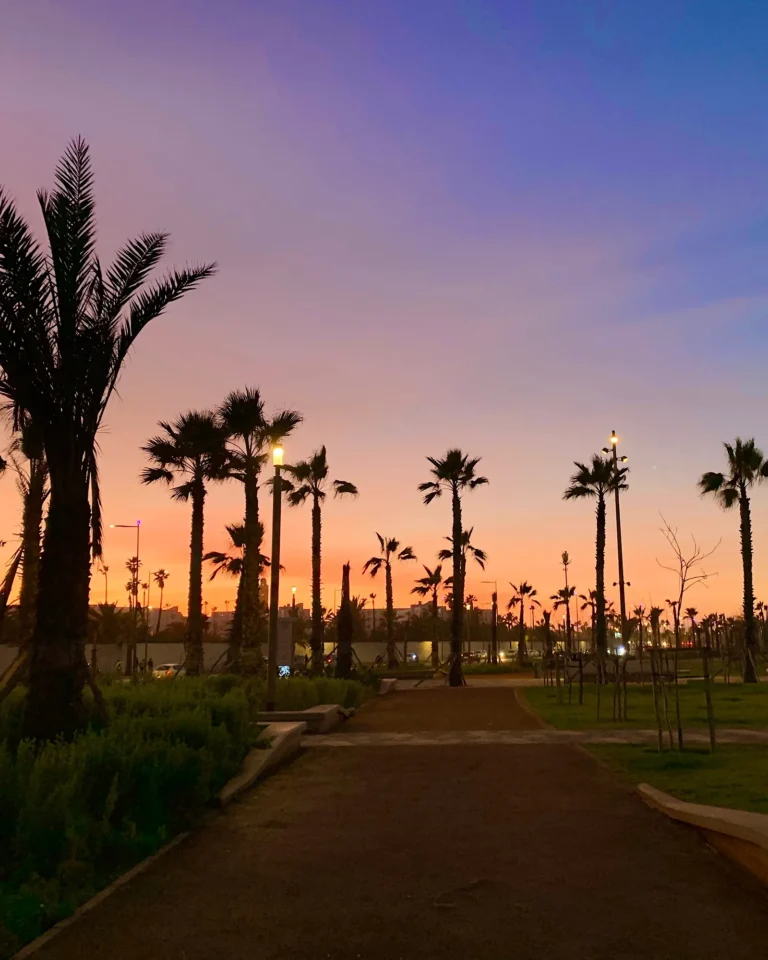
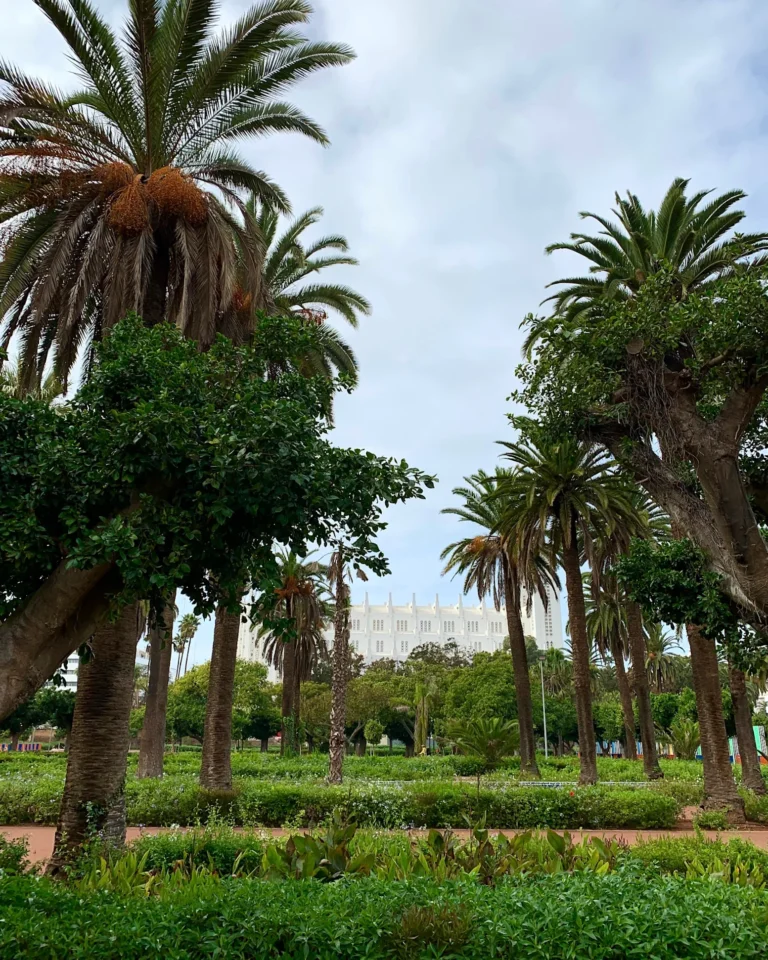
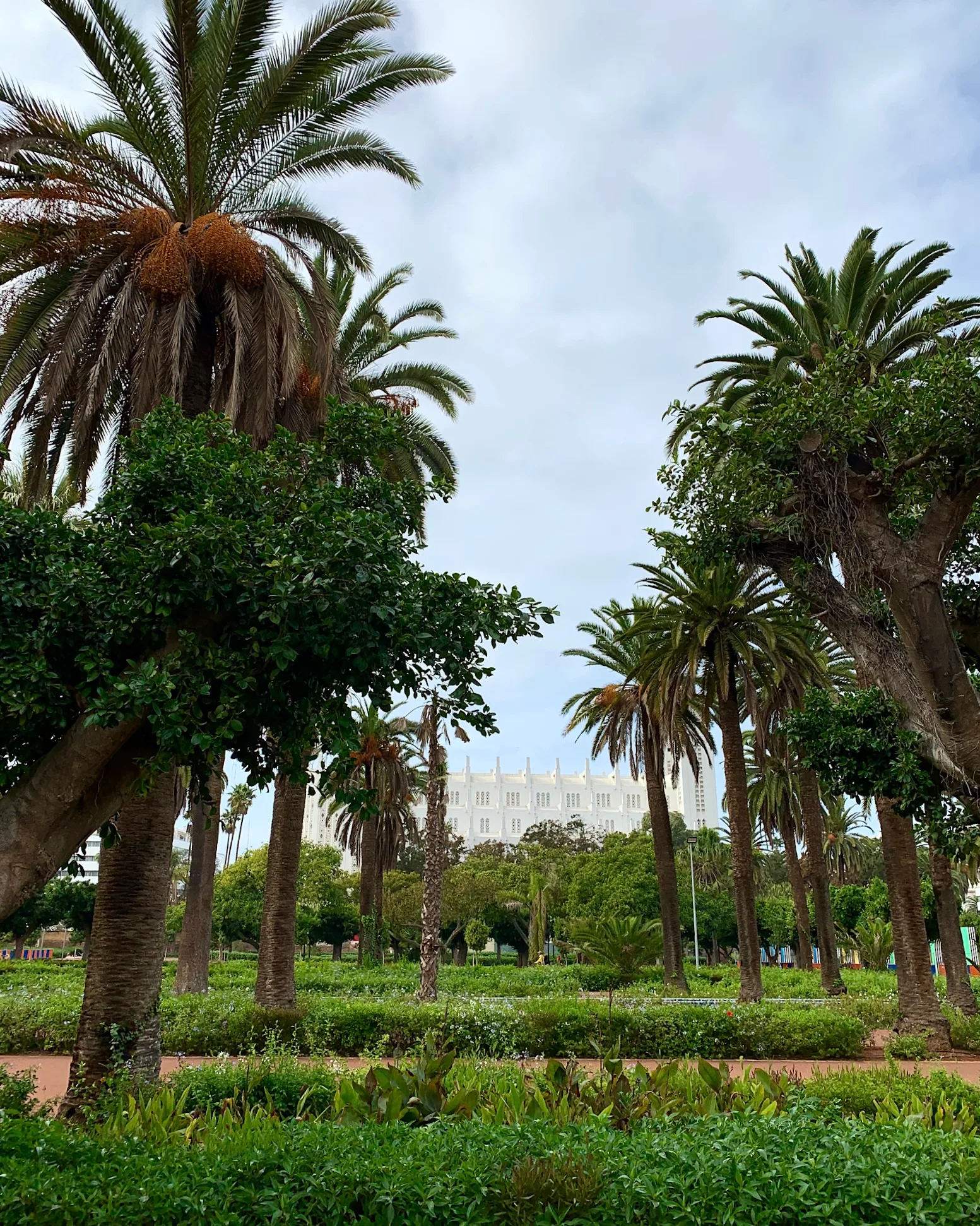
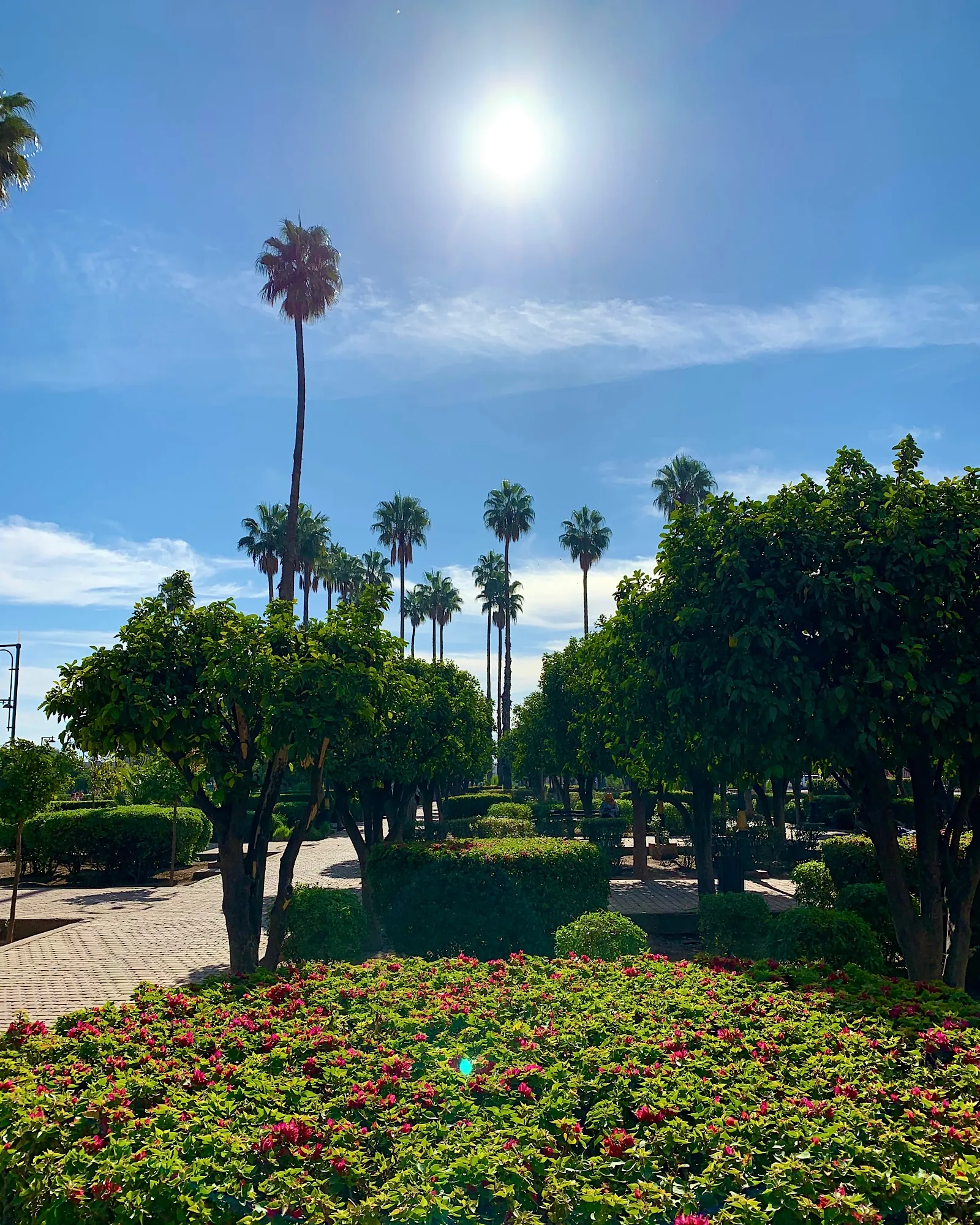
  • Parc de la Ligue Arabe – The city’s green lung: After the hustle and bustle of the big city, the Parc de la Ligue Arabe is the perfect place to take a breath. The huge park was recently extensively renovated and impresses with its long palm avenues, well-kept lawns, and modern fountains. A walk here feels almost like a little break in California and offers great views of the nearby Sacred Heart Cathedral (Cathédrale Sacré-Cœur).
Tips and Tricks for Casablanca:
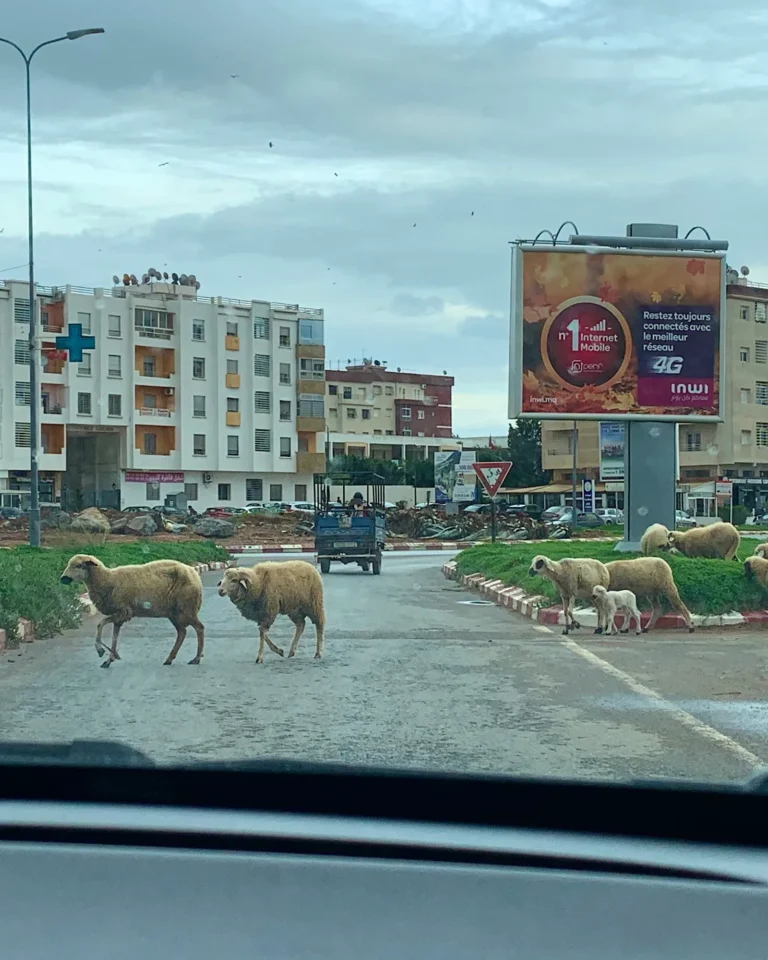
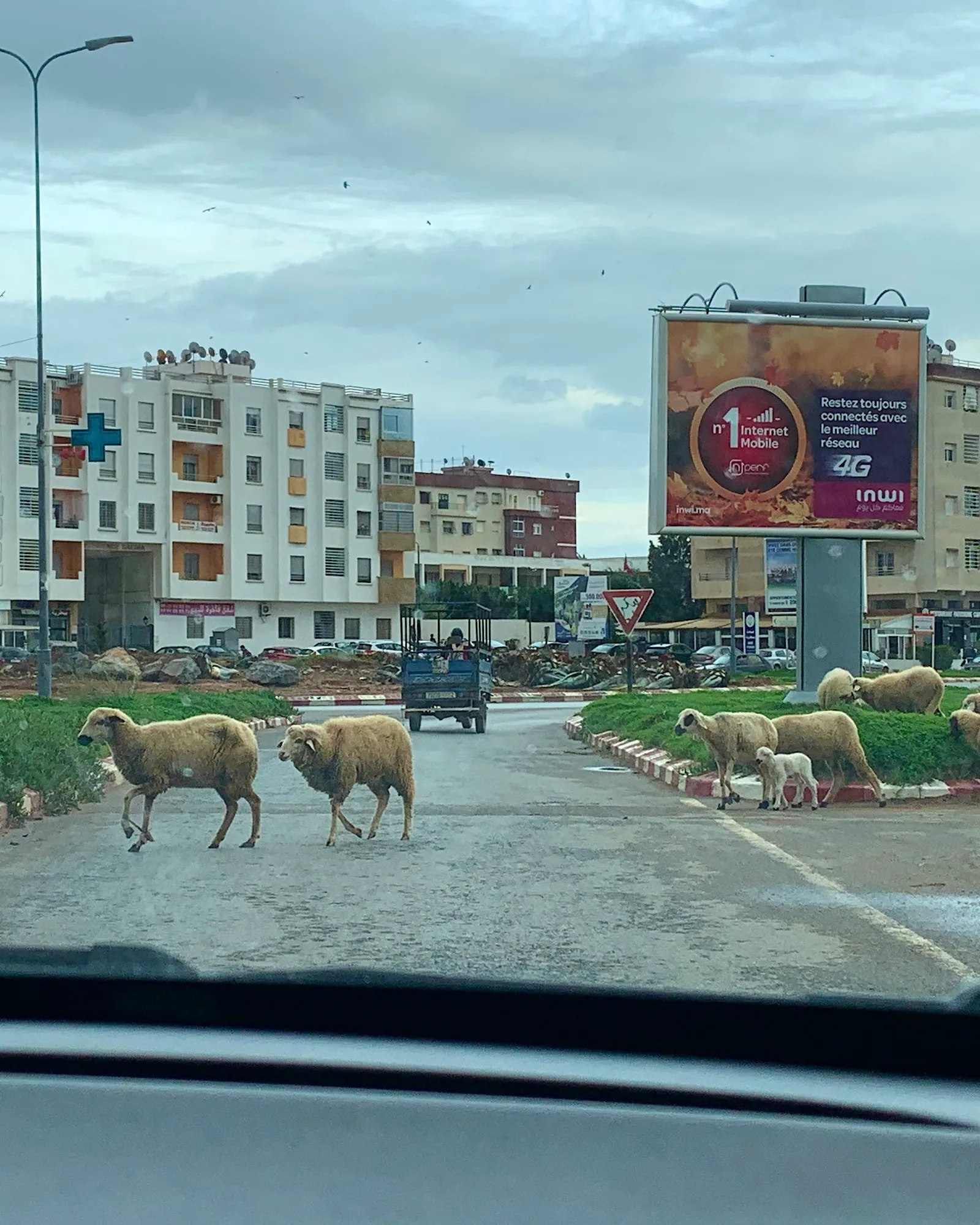
  • Traffic: If you are driving yourself, prepare mentally for heavy traffic without much regard for traffic rules. On the roads, the rule is: “Whoever pushes and honks enough, moves forward.” If the traffic feels too chaotic, it’s best to use “Petit Taxis” (red cars) in the city. Make sure the meter is turned on.
  • Clothing: Since Casablanca is very modern, the dress code is more liberal than in the countryside. Nevertheless, you should make sure your shoulders and knees are covered when visiting the mosque.
  • Safety: As in any metropolis, you should watch your valuables in busy areas, but overall, we felt very safe in the lively neighborhoods.

Useful Links and Resources:


Day 5: Ouzoud Falls and Atlas Mountains

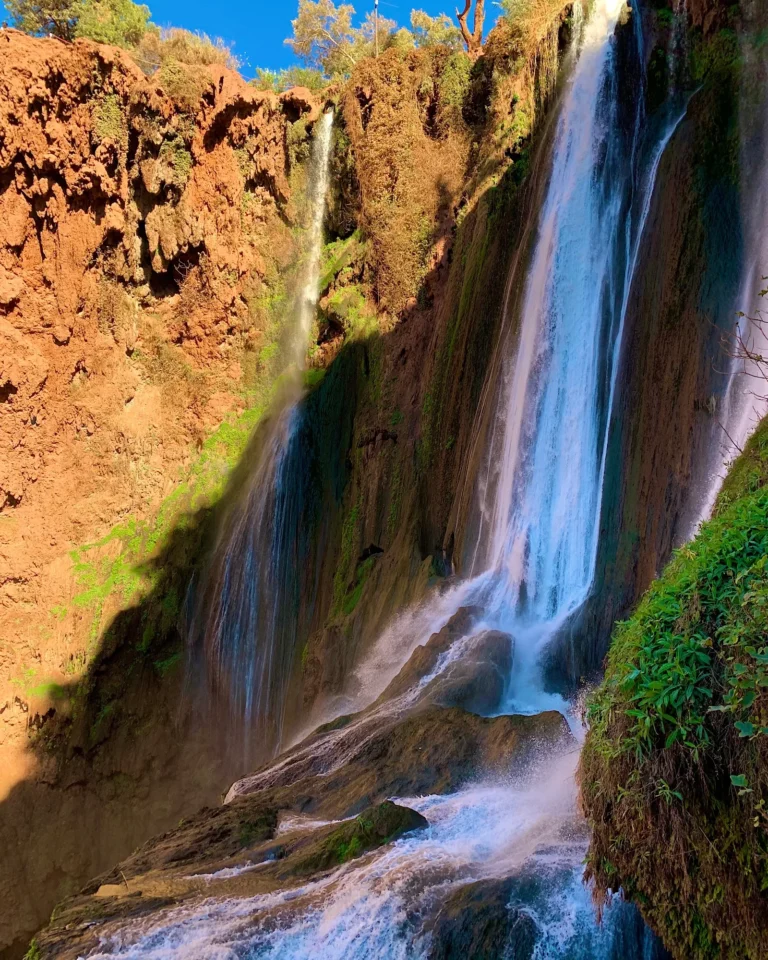
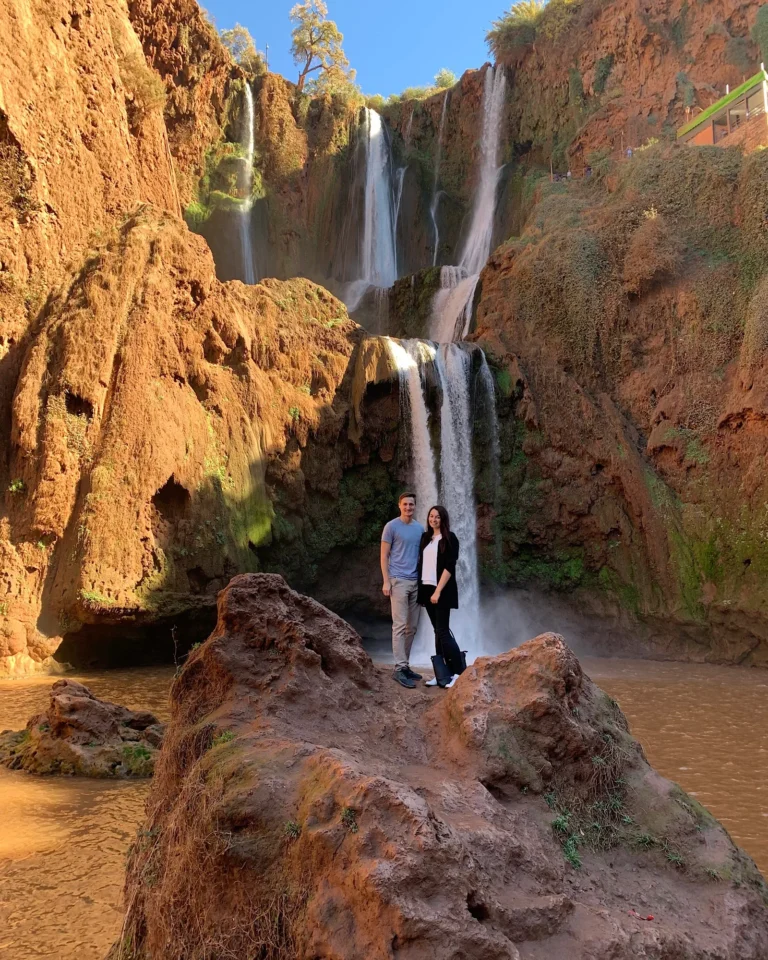
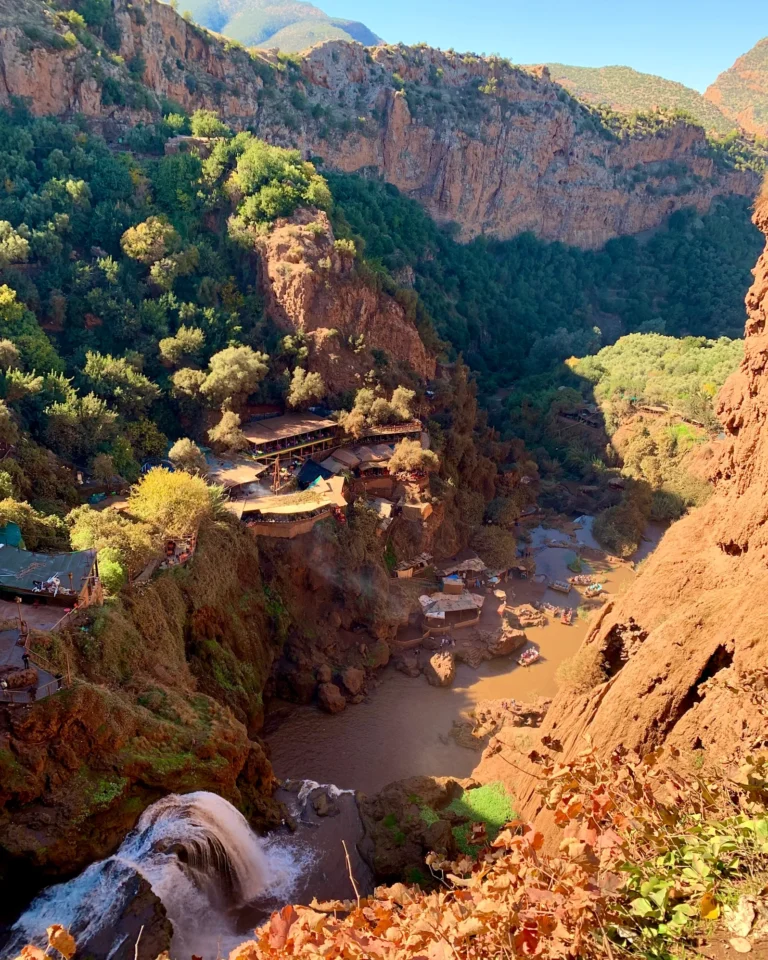
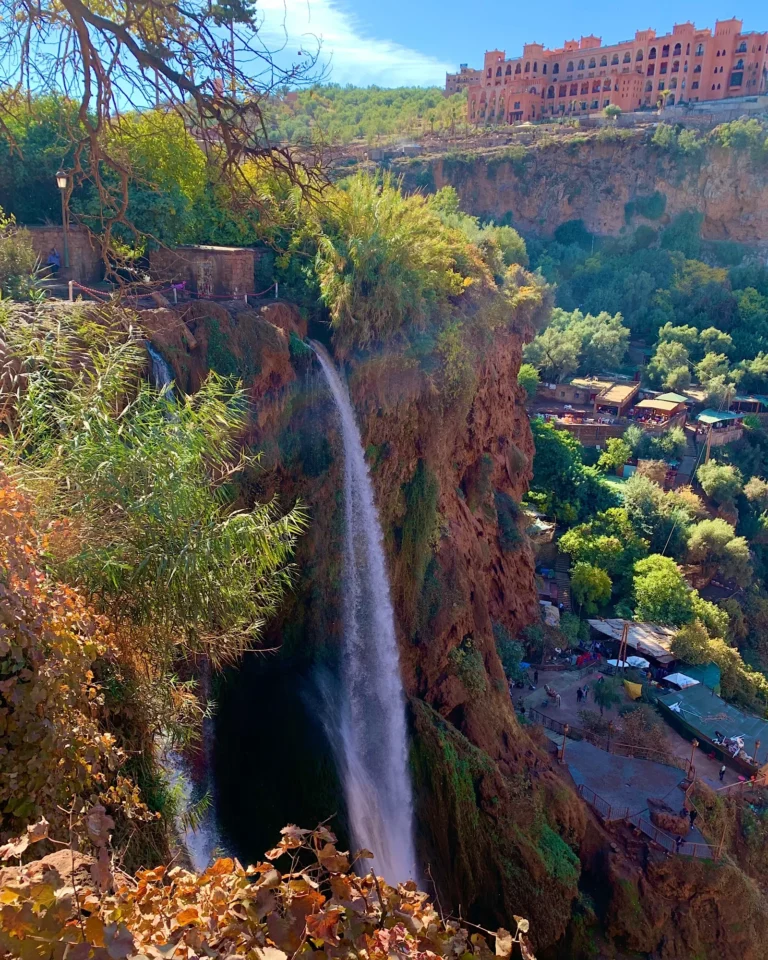
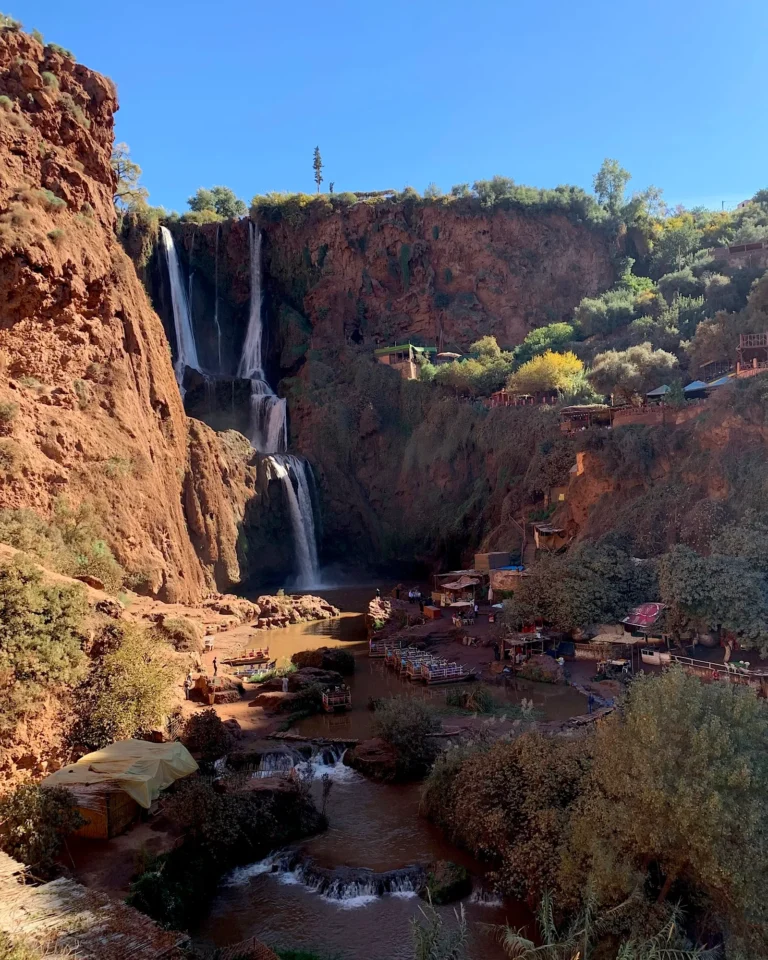
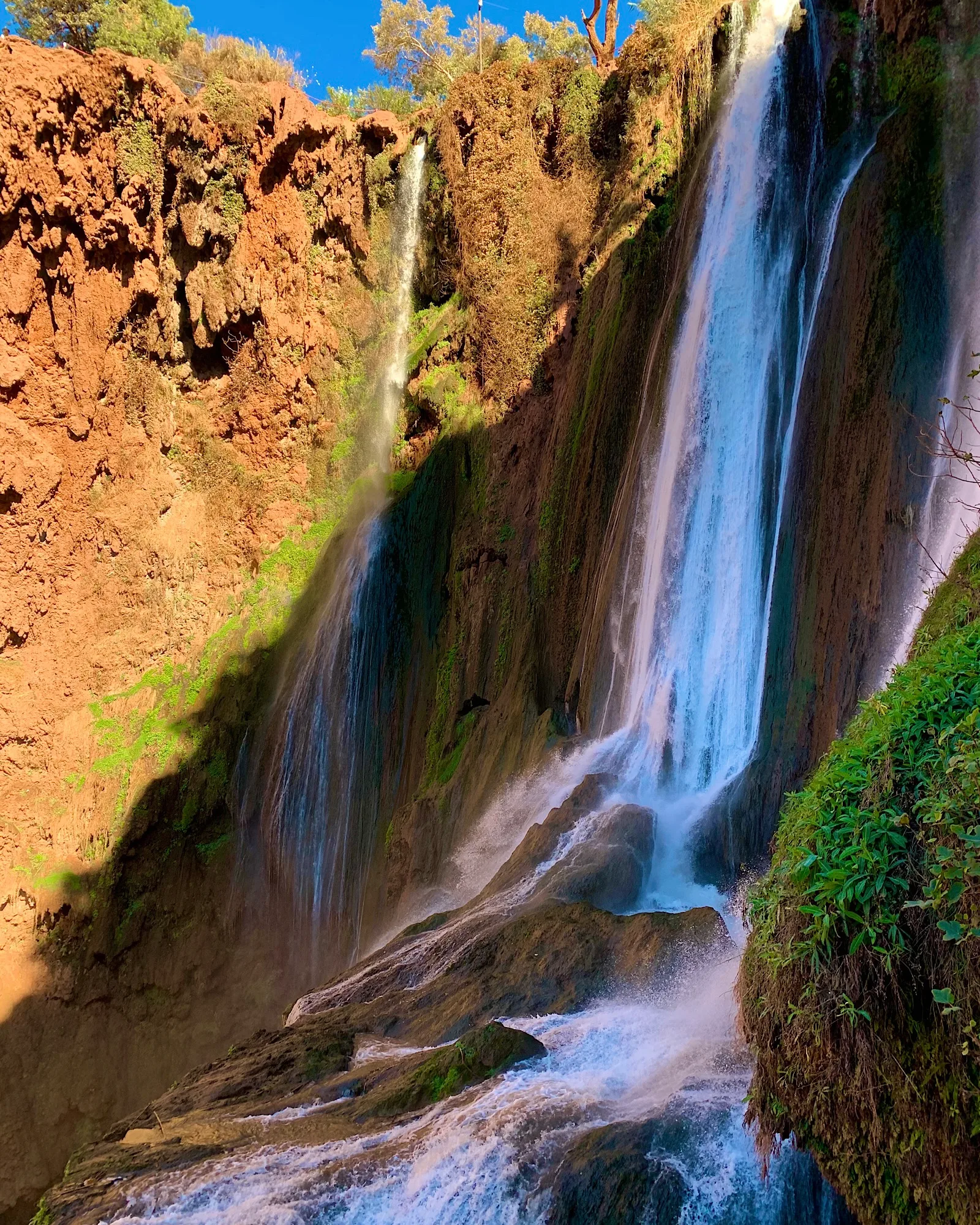
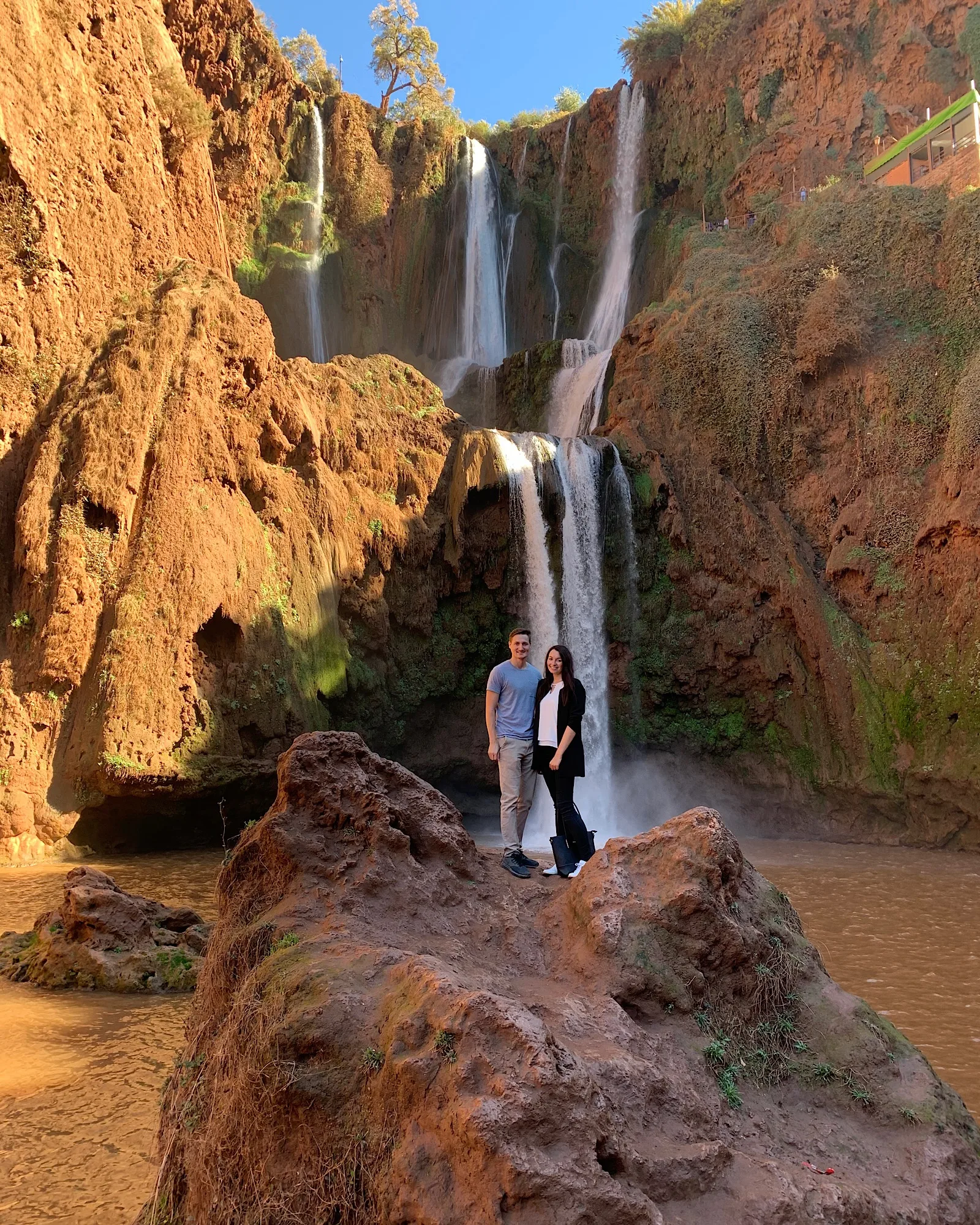
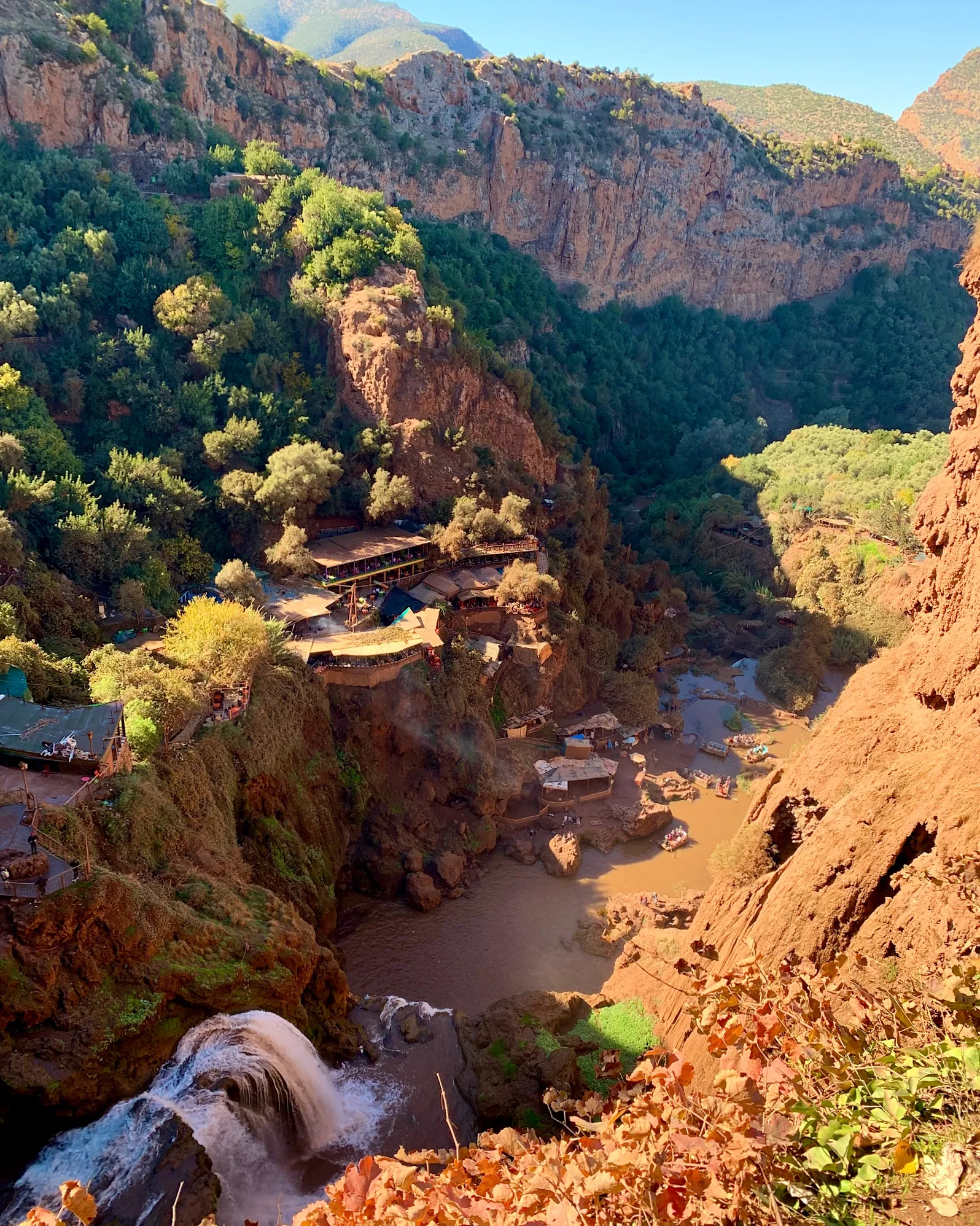
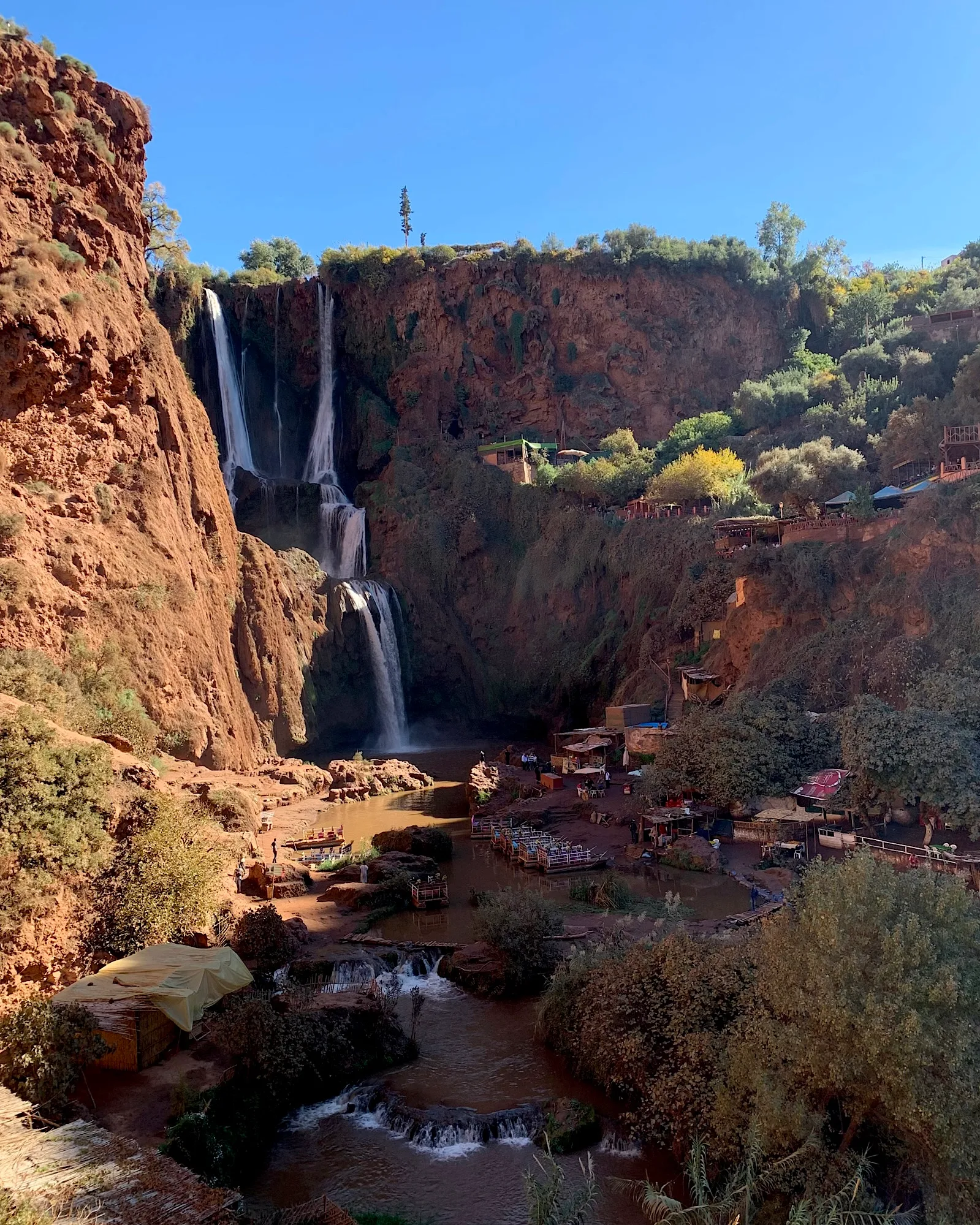
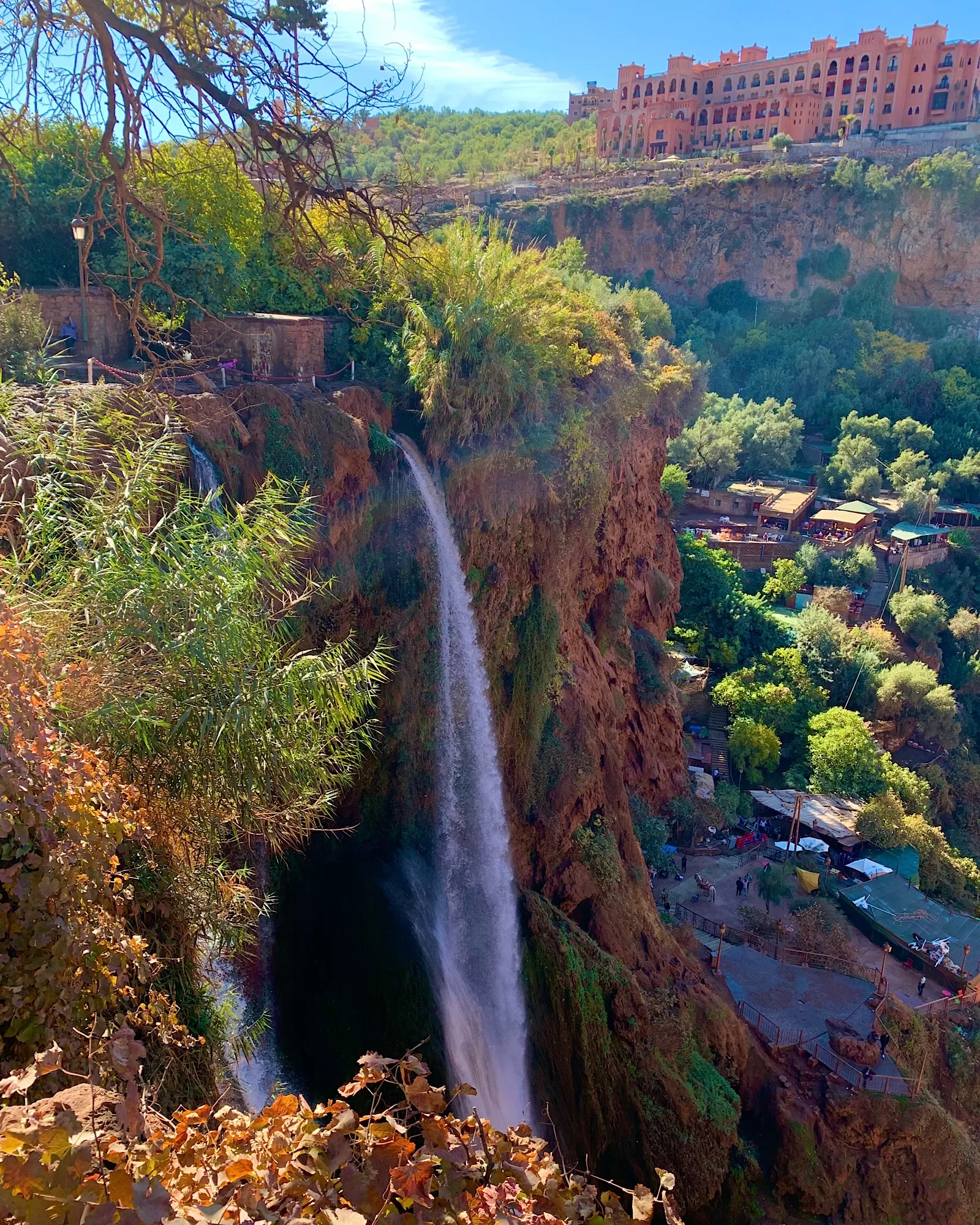
The contrast to the pulsating coastal life could not have been greater as we headed inland. The drive into the Atlas Mountains is spectacular: the roads wind through rugged landscapes, past traditional Berber villages, until suddenly the Ouzoud Falls appear before you. The waterfalls are a true green oasis in the middle of the dusty, red rocky landscape. With a drop of about 110 meters, the water plunges over three tiers – a sight that is unparalleled in Morocco.

What to see and do in Atlas Mountains / Ouzoud Falls:
  • Hike to the foot of the Ouzoud Falls: The path leads via winding trails and stairs down to the basin. Plants bloom everywhere, and you constantly find new, breathtaking photo perspectives.
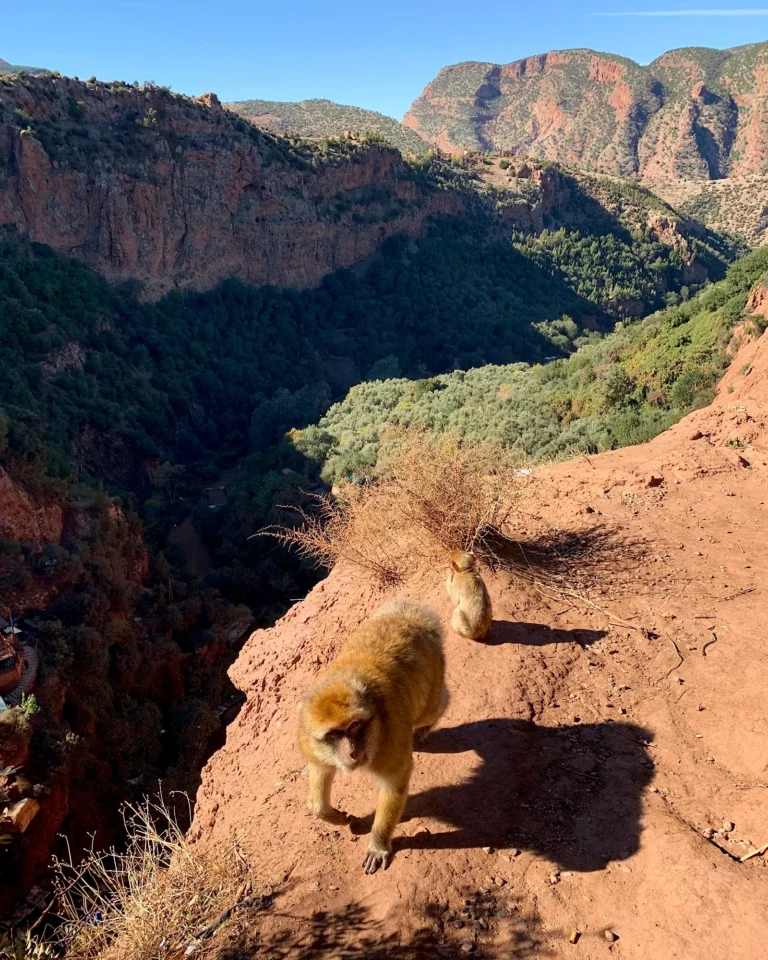
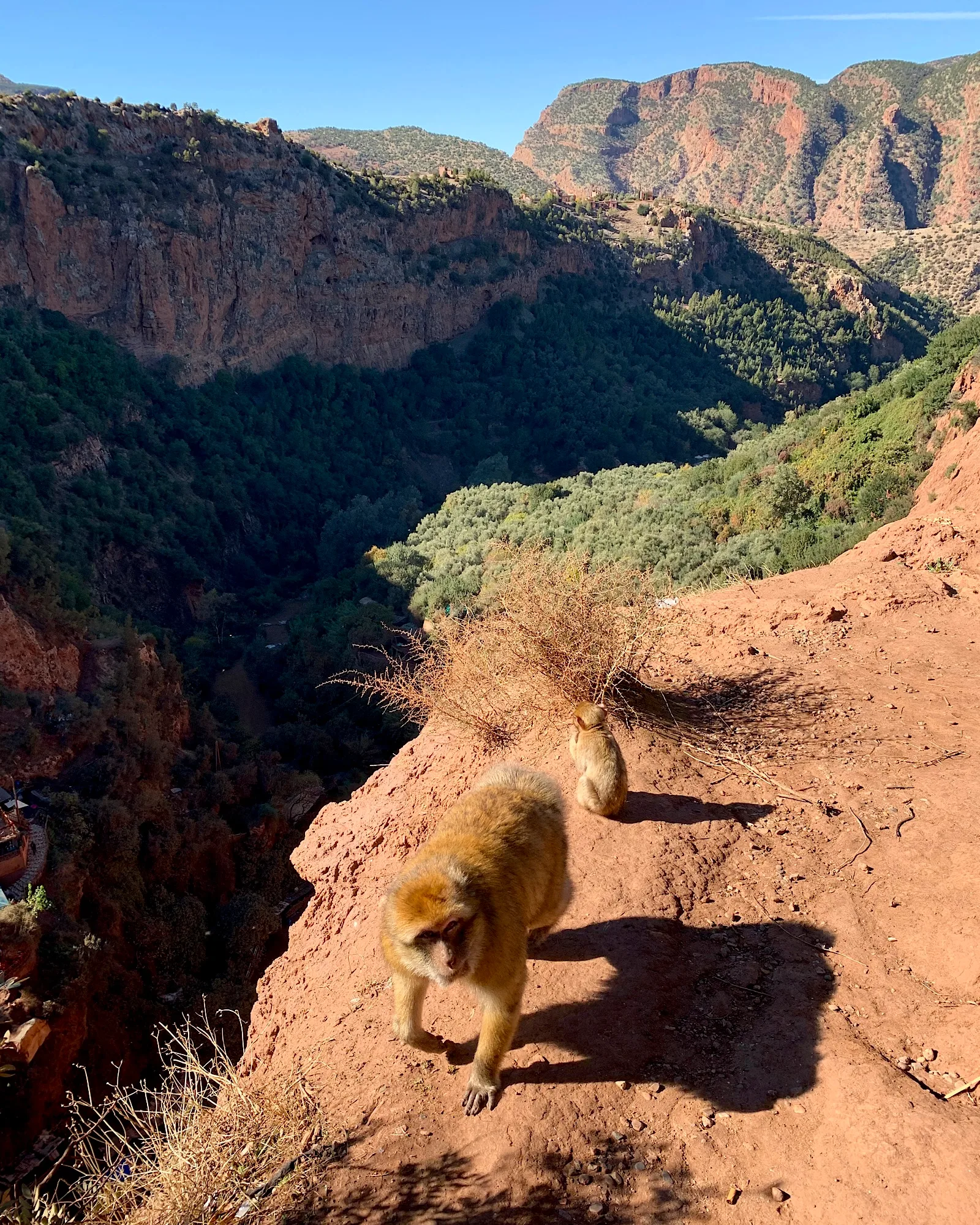
  • Barbary Macaques: Wild monkeys live in the trees around the waterfalls. They are used to tourists and can often be observed from up close (but be careful: they are still wild animals!).
  • Boat Tour: Once at the bottom, you can take small, brightly decorated boats very close to the cascading masses of water – a welcome way to cool off.
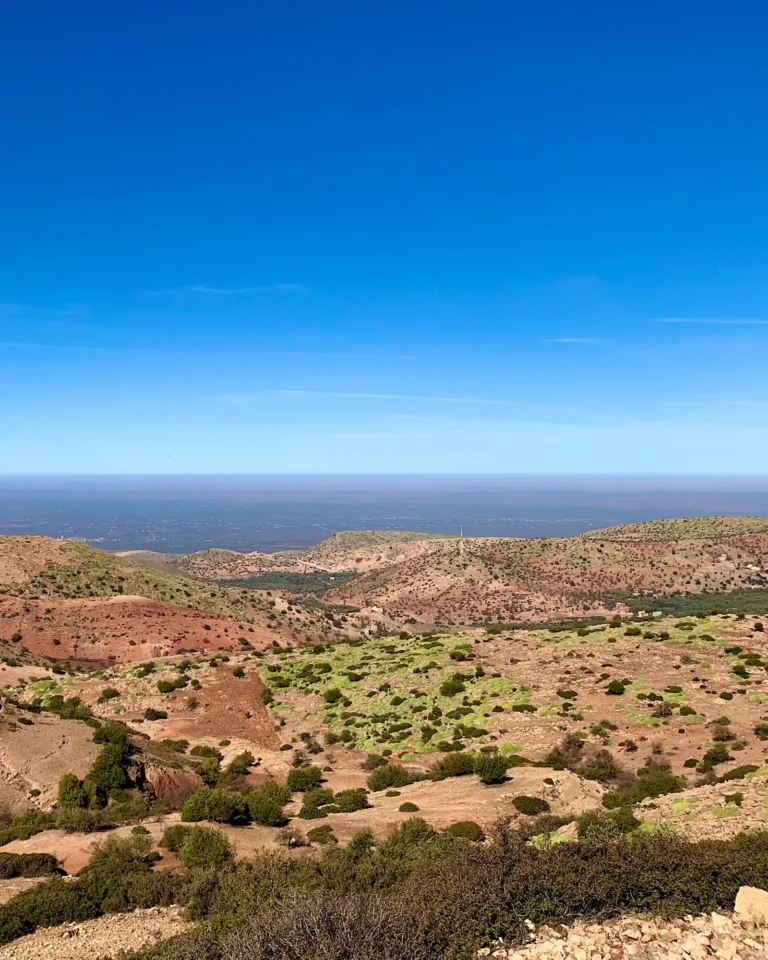
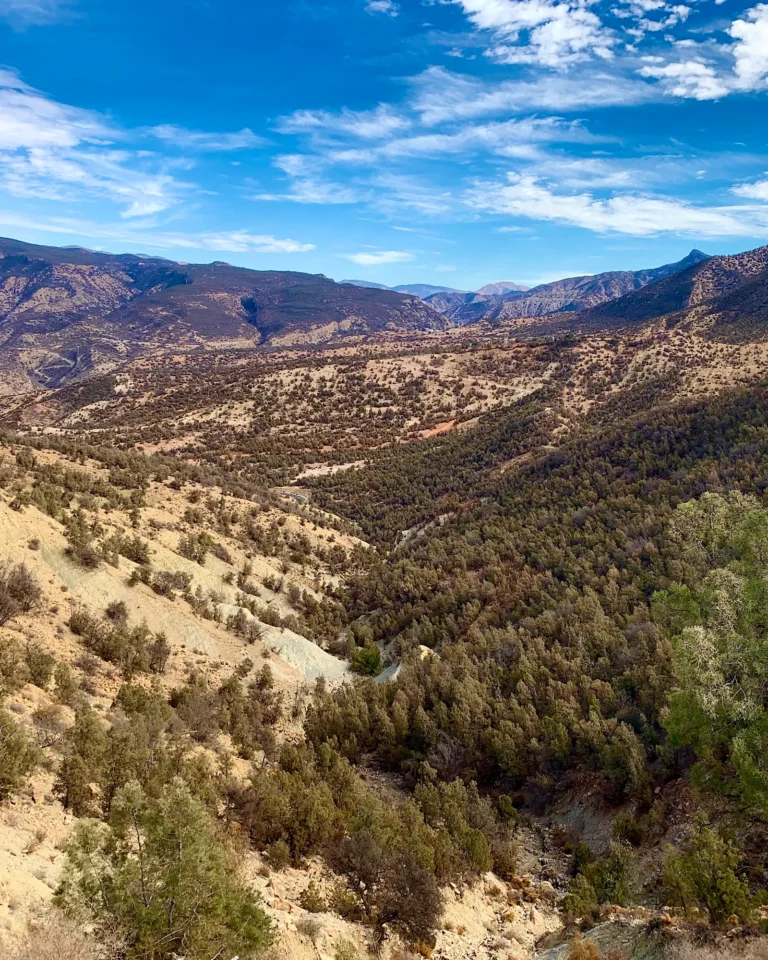
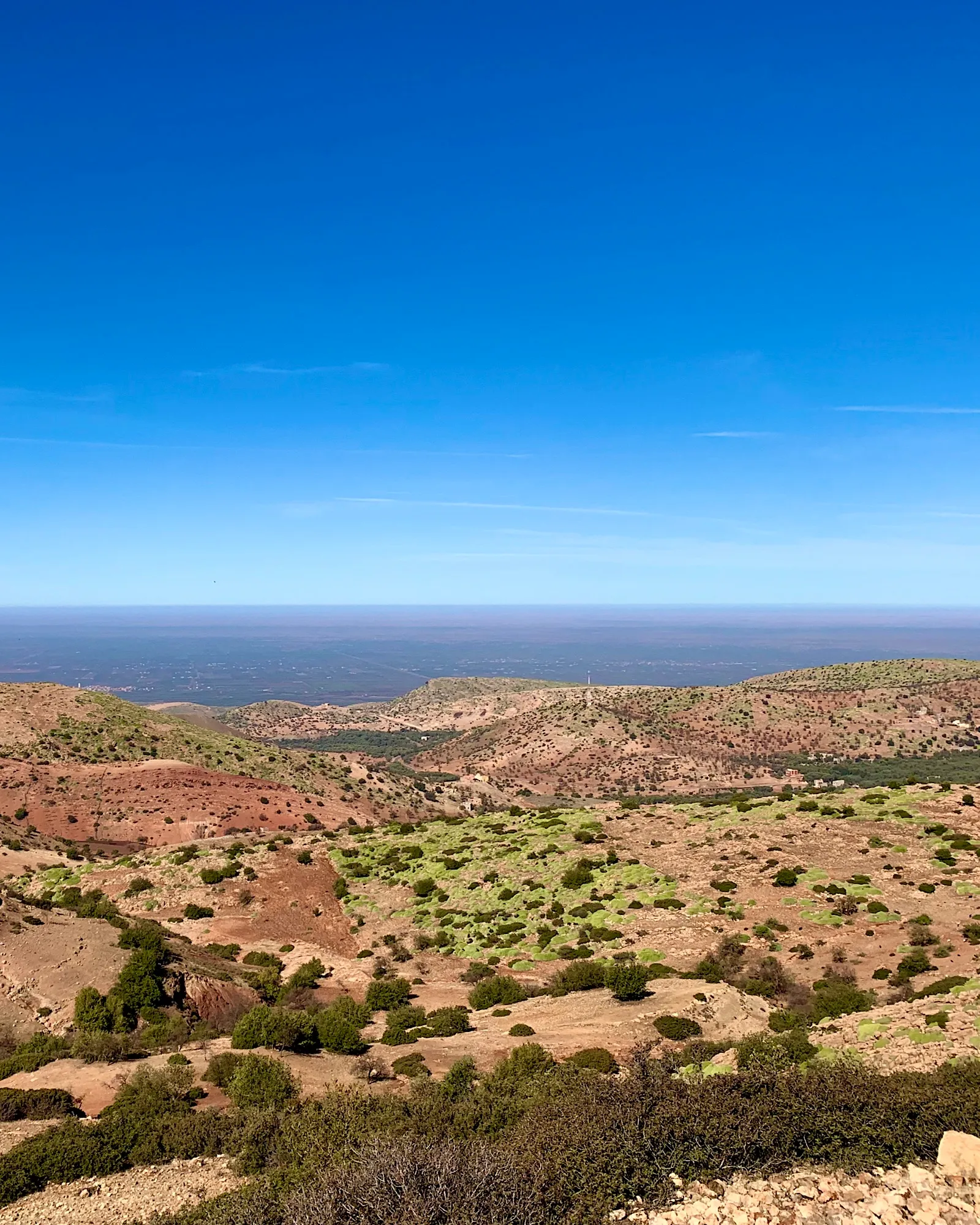
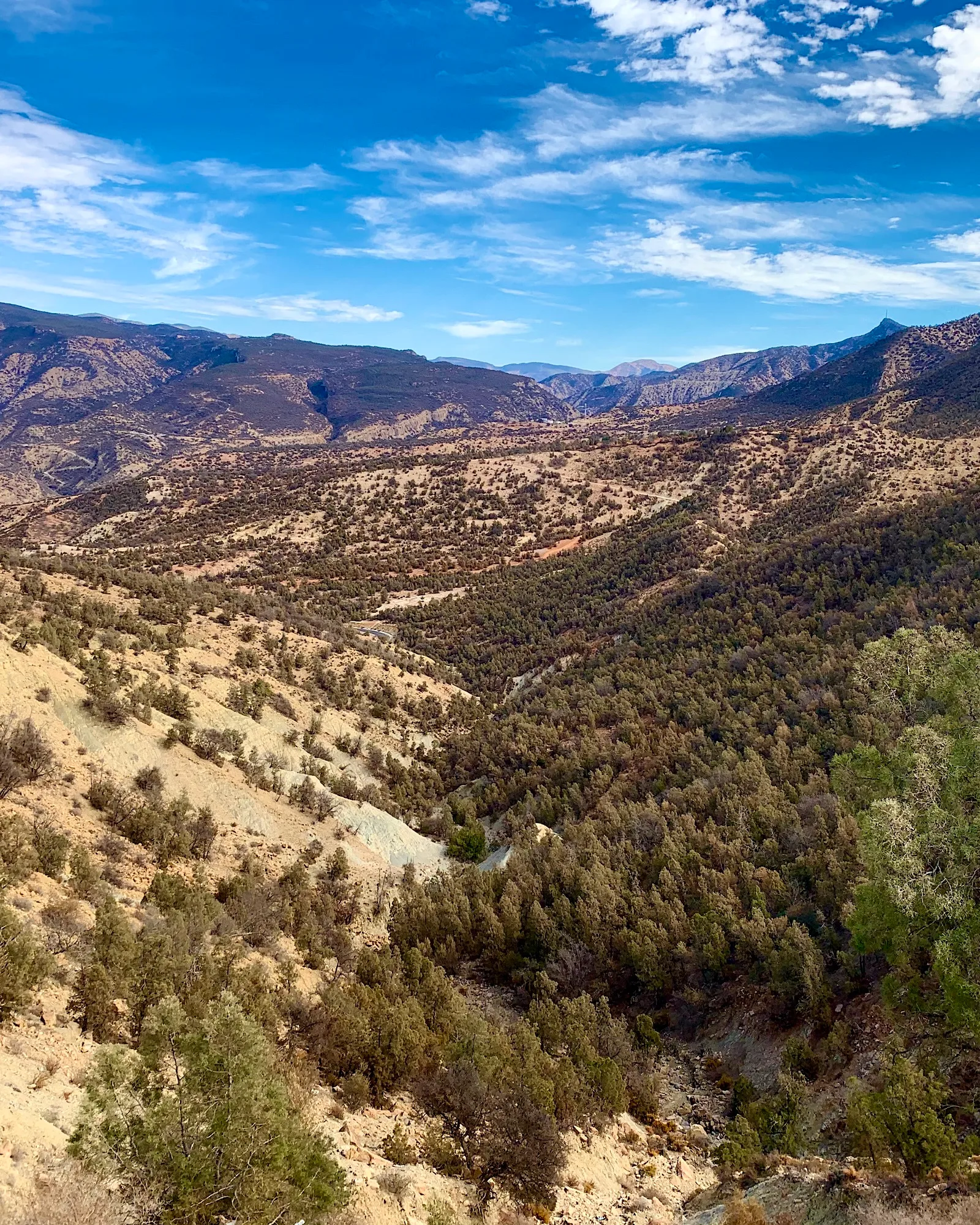
  • The Atlas Mountains: Stop at various viewpoints along the mountain road to marvel at the colorful mountains of the Atlas range and learn a bit about how they were formed.
Tips and Tricks for Ouzoud Falls:
  • Time Management: Plan enough time for the hike. The descent and the subsequent ascent together take about 1 to 2 hours, depending on how many photo stops you make. The path is almost as beautiful as the destination itself, so don’t rush through.
  • Dealing with the “Guides” (Important!): Right at the parking lot or at the beginning of the hiking trails, many locals will likely approach you and claim that you cannot find the way without a guide or that the paths are dangerous.
    The Fact: The paths are well-worn, and it’s virtually impossible to get lost.
    Our Advice: The guides can be very persistent and almost pushy. If you prefer to do the tour on your own, decline politely but firmly: “La shukran” (“No, thank you”). If you do want a guide, be sure to negotiate the price fixed in advance to avoid arguments at the end.
  • The Right Footwear: Even though many tourists are out in flip-flops: the paths can be very slippery and muddy in places due to the mist from the waterfalls. Sturdy footwear or good sneakers make the hike much more relaxed.
  • Dining with a View: Along the way, there are numerous small cafés and restaurants serving tajines right on the slope. There is hardly anything more beautiful than enjoying a traditional Moroccan lunch with a view of the thundering waterfalls.

Day 6–8: Marrakech with Jardin Majorelle and Le Jardin Secret

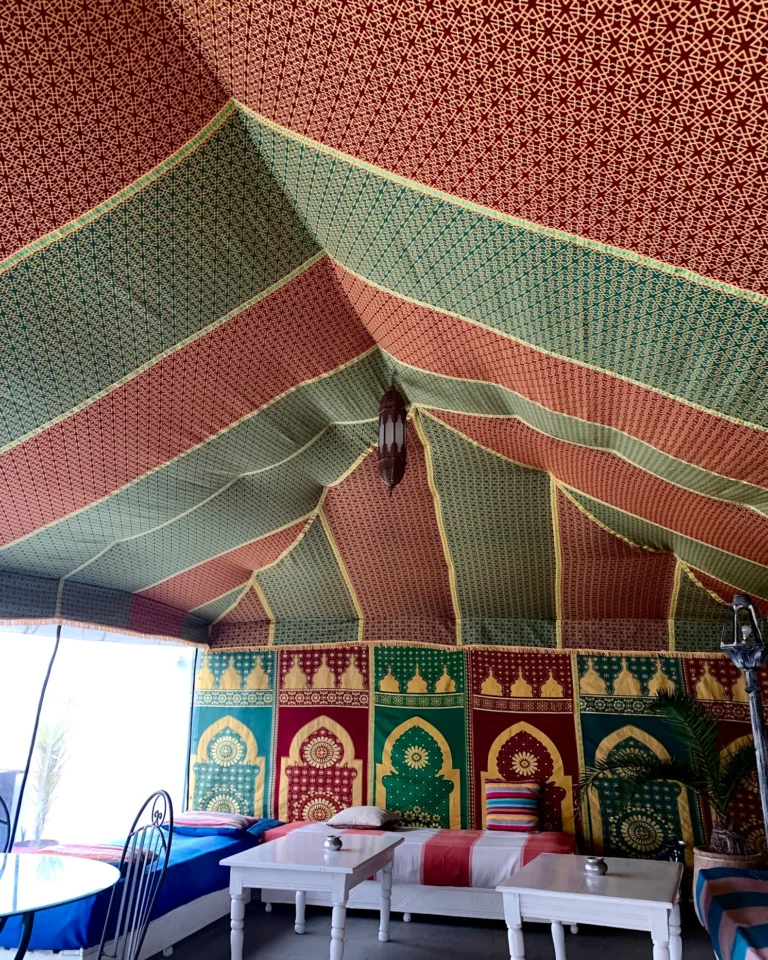
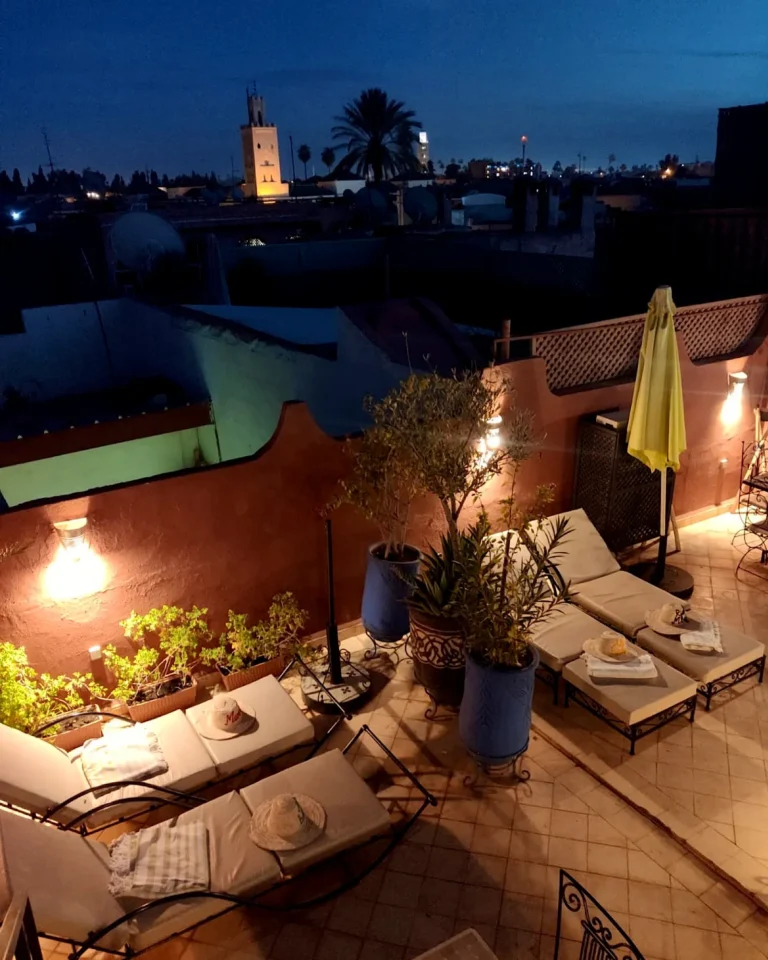
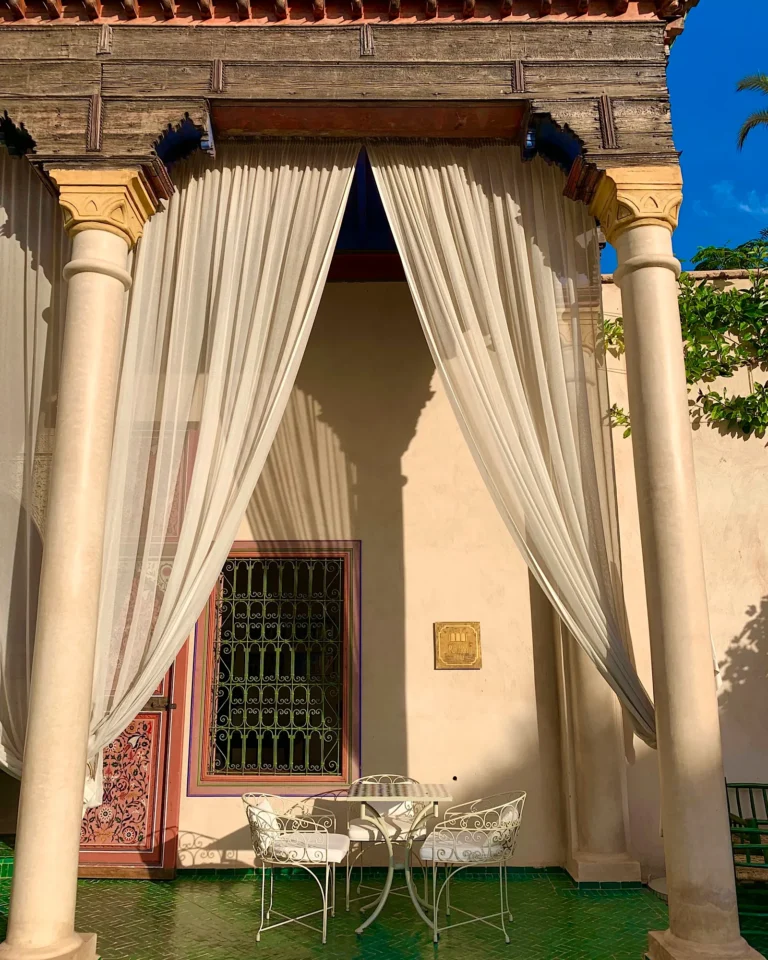
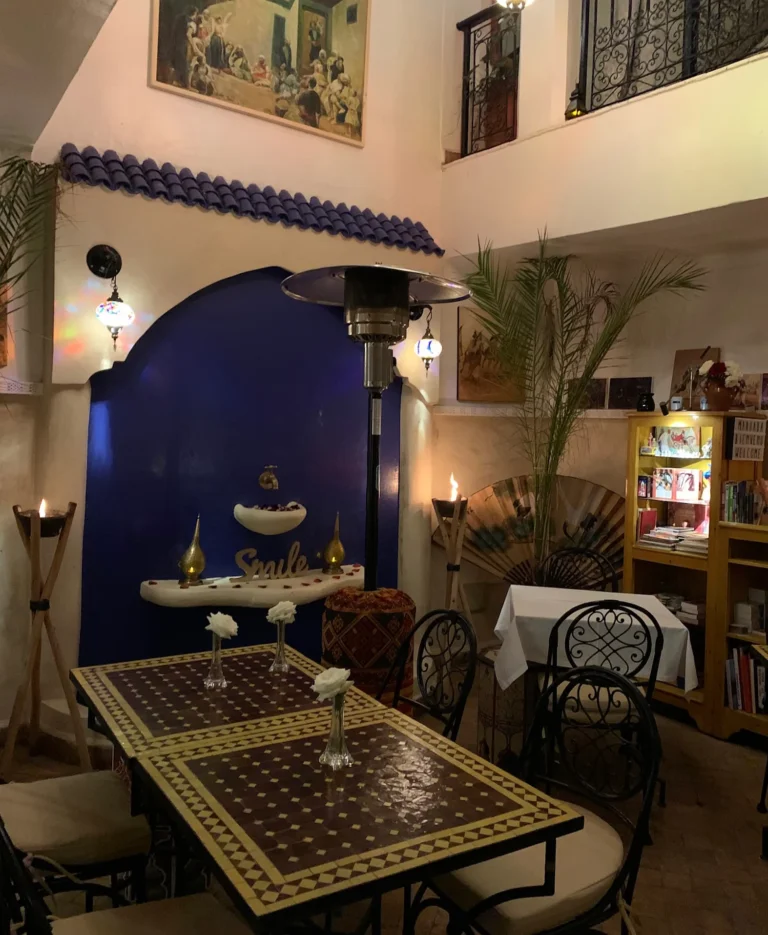
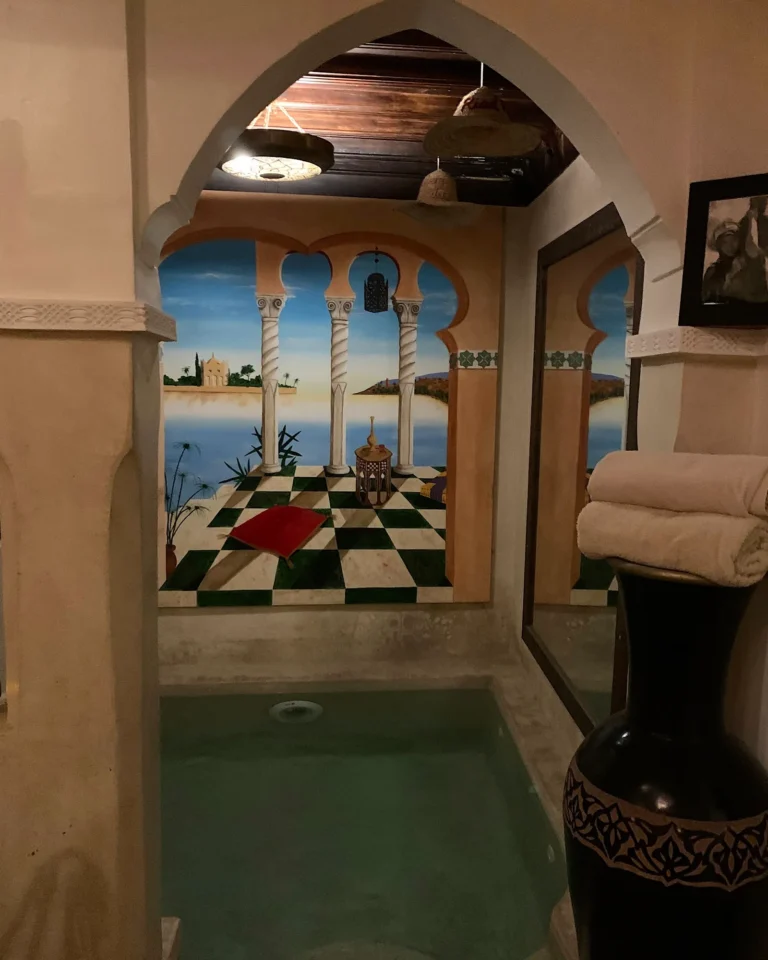
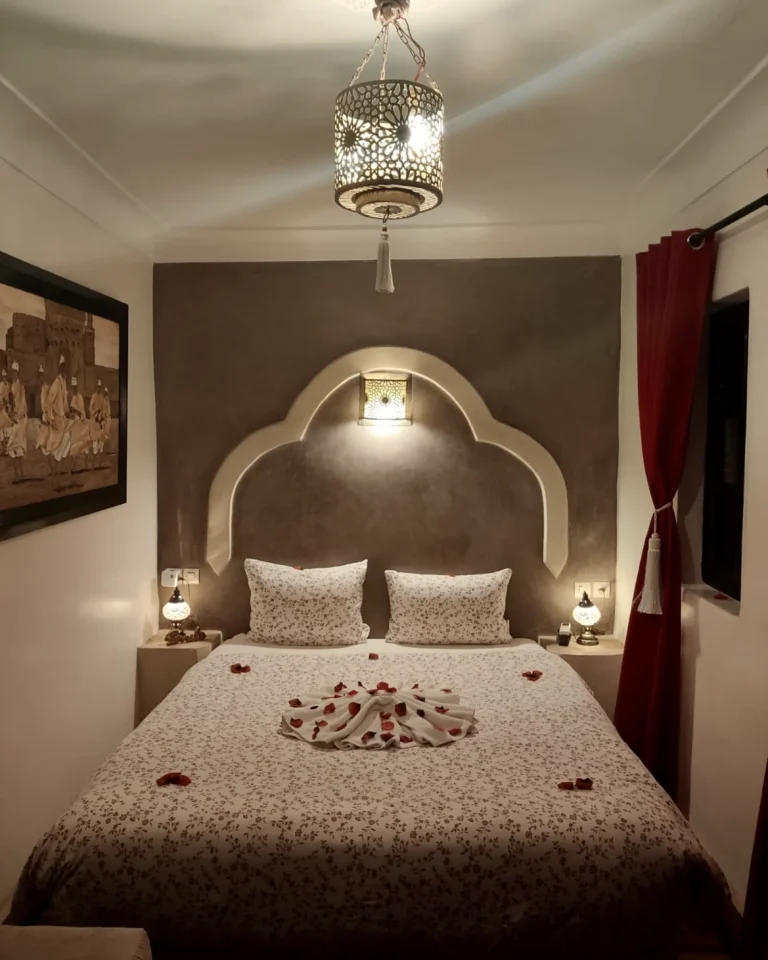
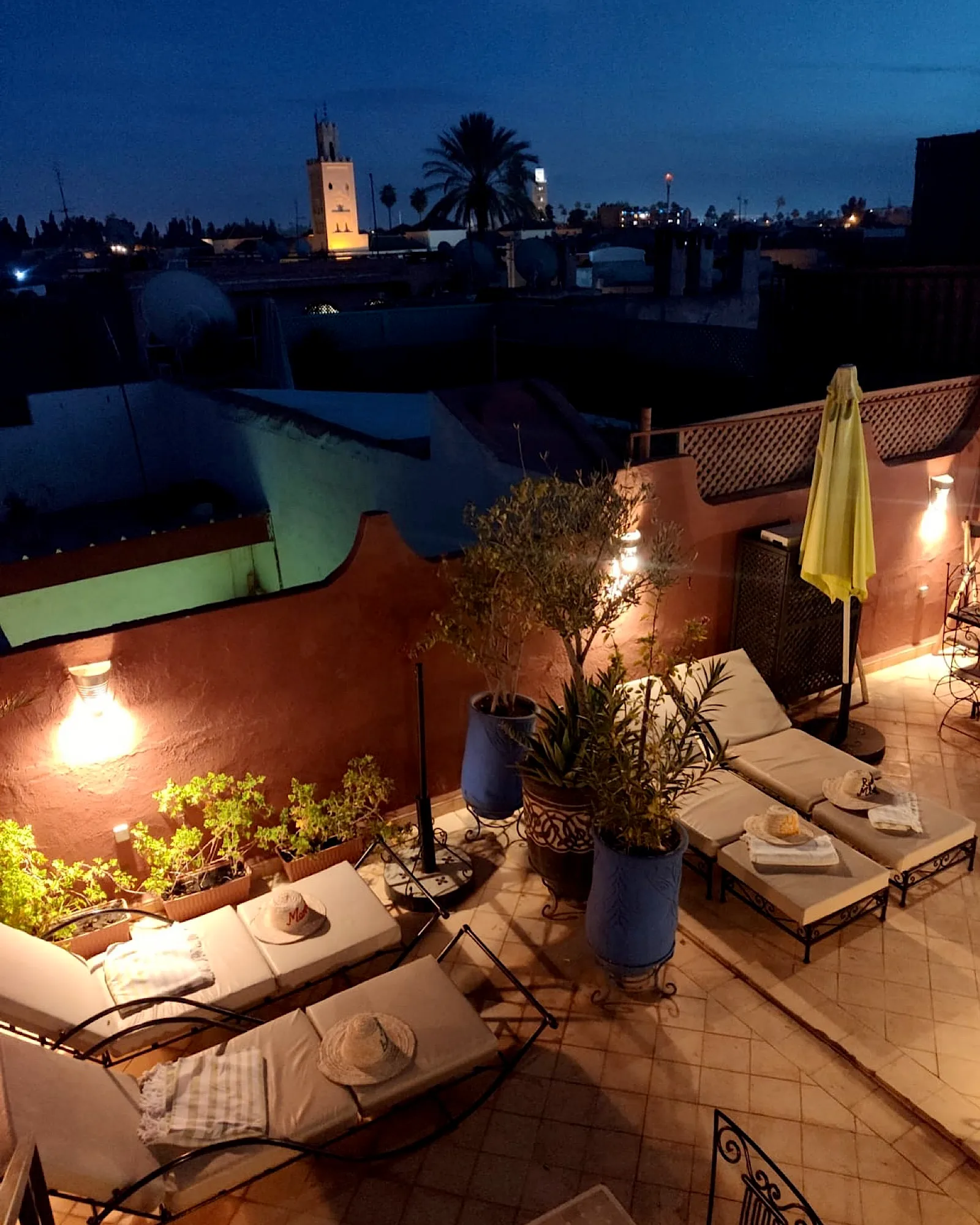
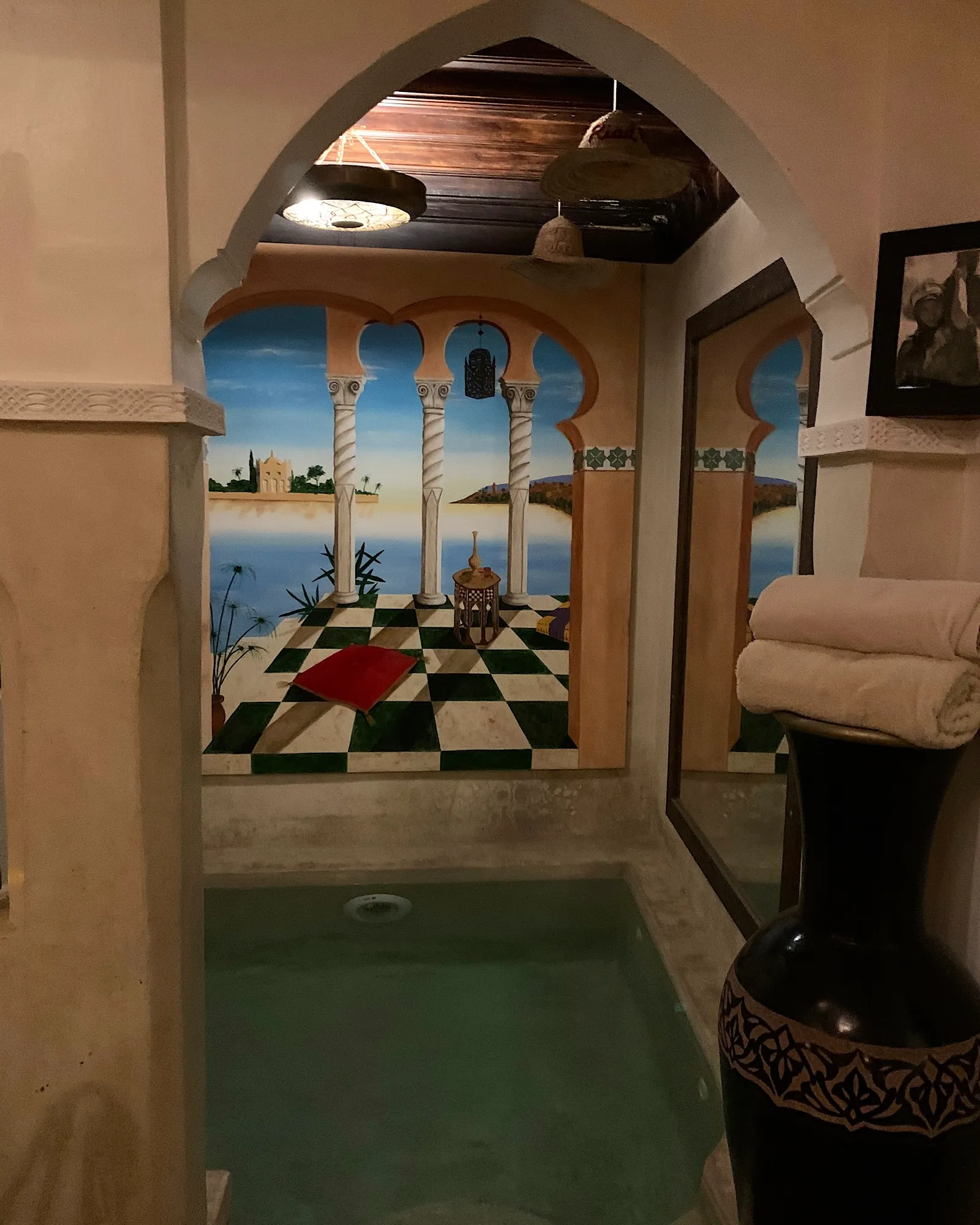
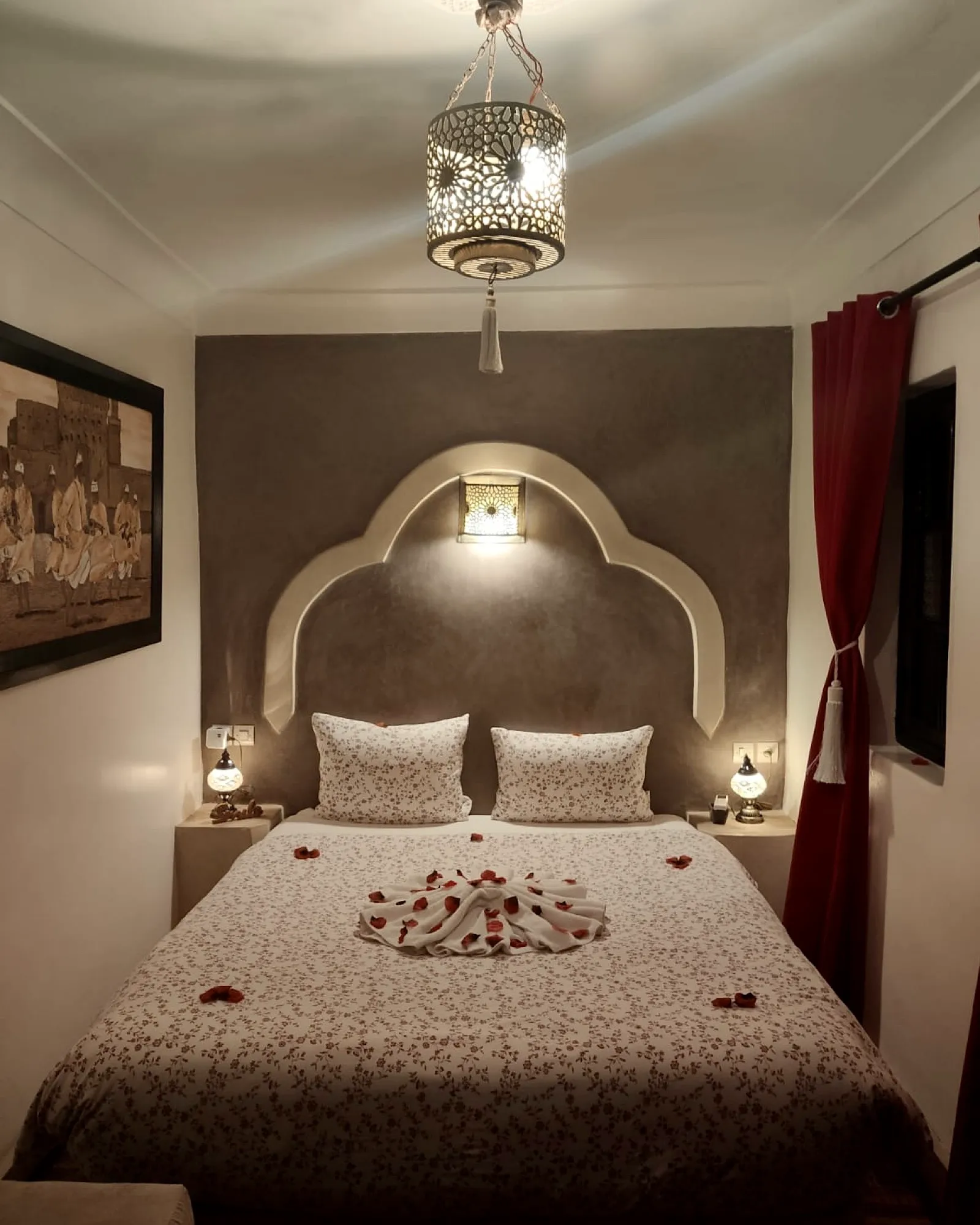
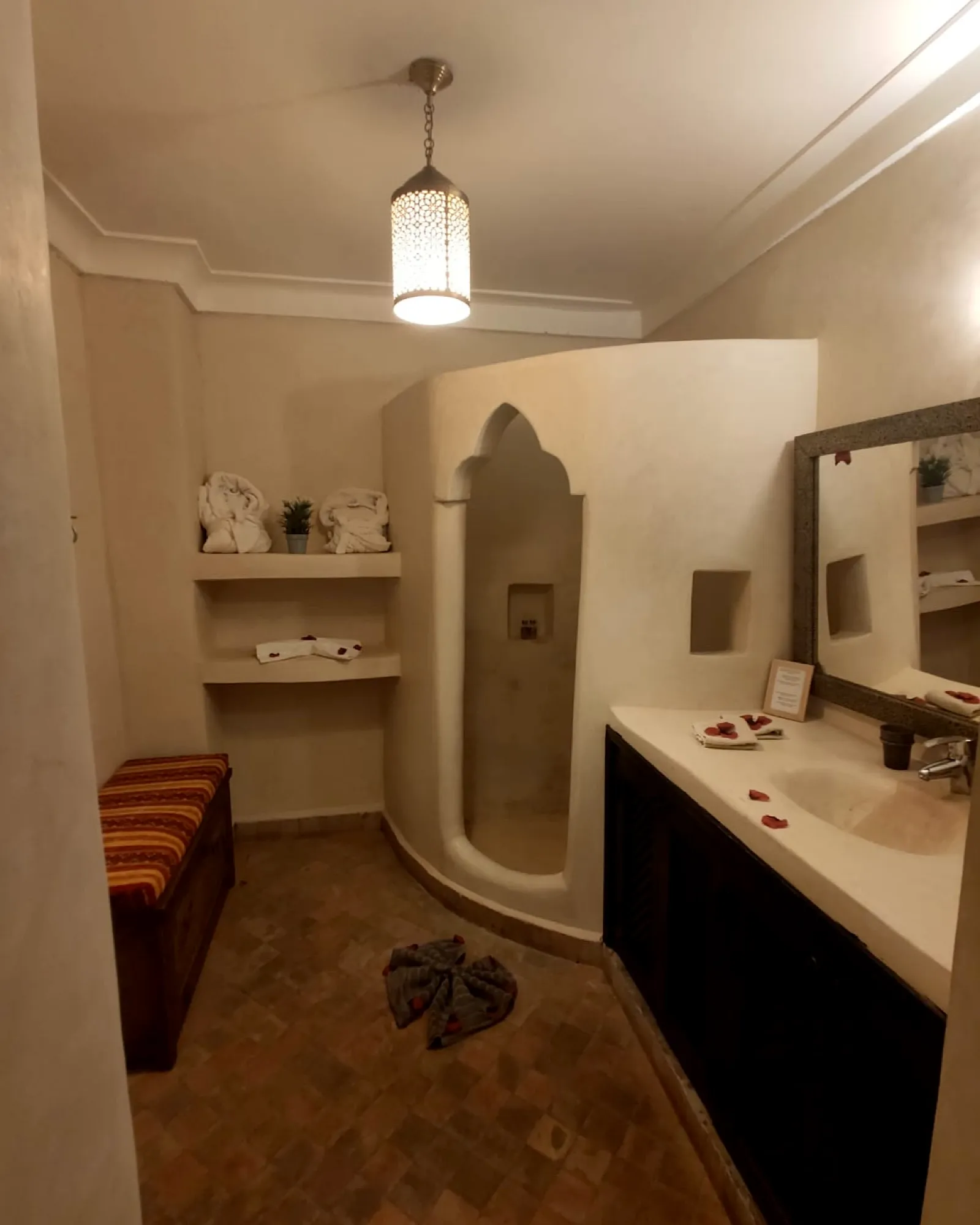
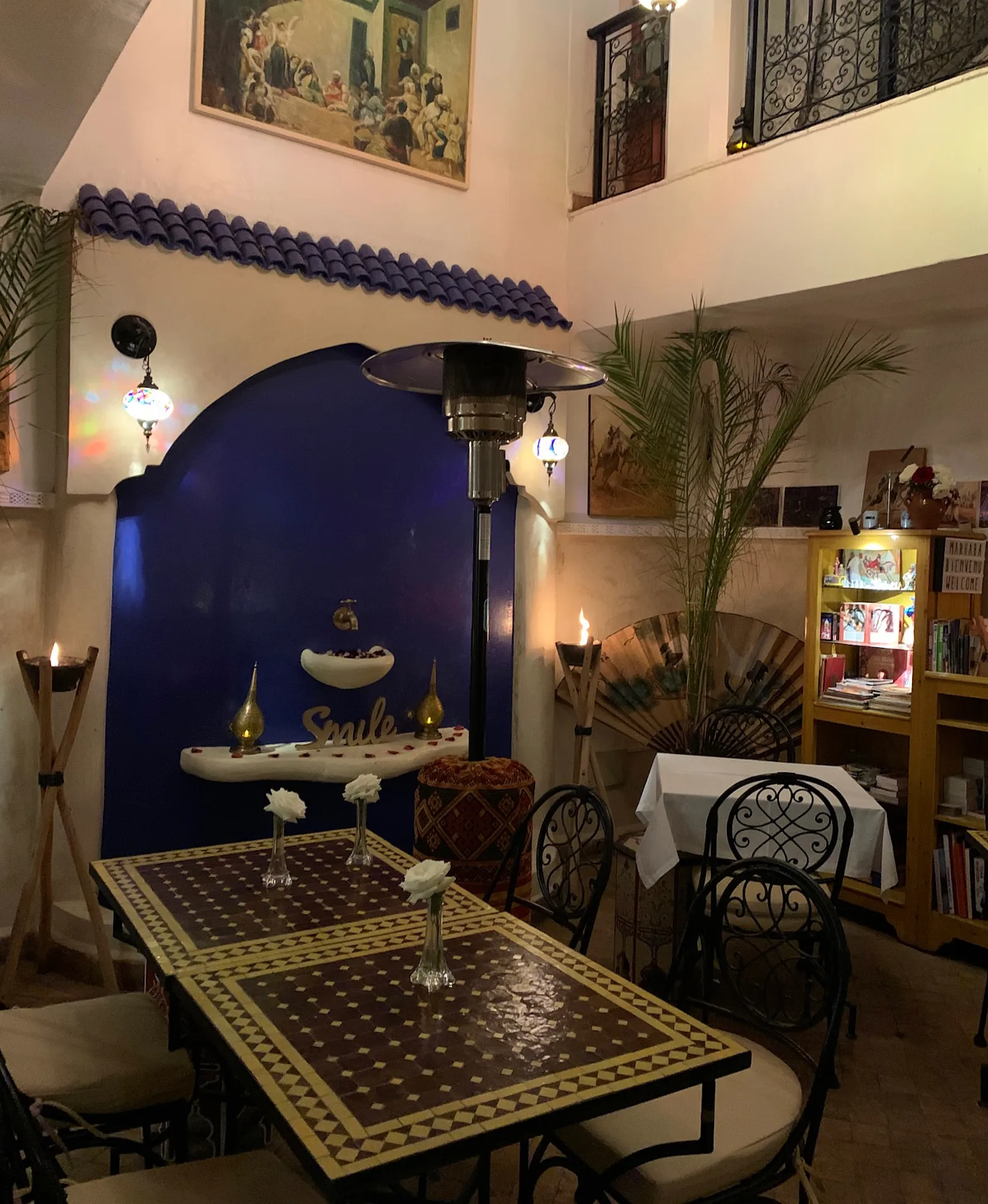
Marrakech, the “Red City” – a rush of colors, scents, and 1001 nights – is an experience for all the senses. It is loud, colorful, and sometimes chaotic, but at the same time full of hidden oases of calm. We stayed at Riad M’Boja (“Chez Ali Baba”) and can highly recommend it to you: a beautiful, traditional haven with a love for detailed design, right in the heart of the bustling Medina. Having breakfast and dinner in the courtyard was the perfect start and end to our days.

What to see and do in Marrakech:
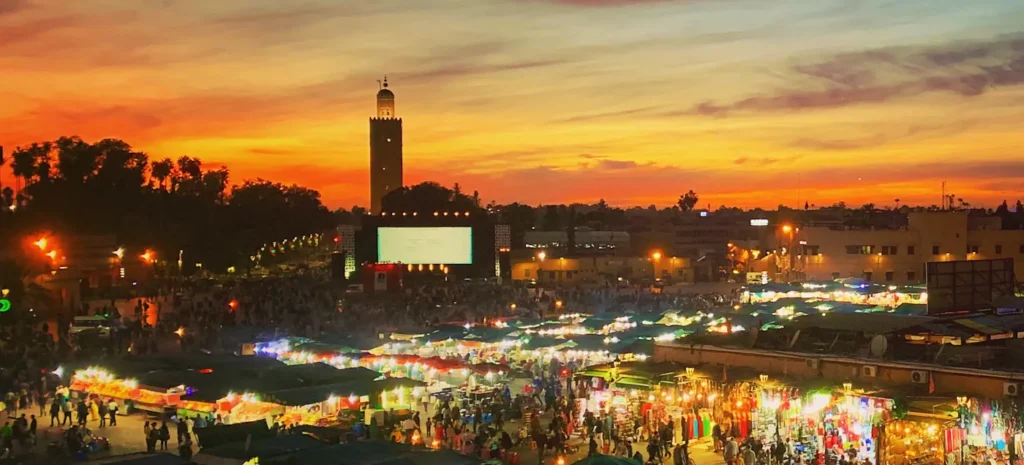
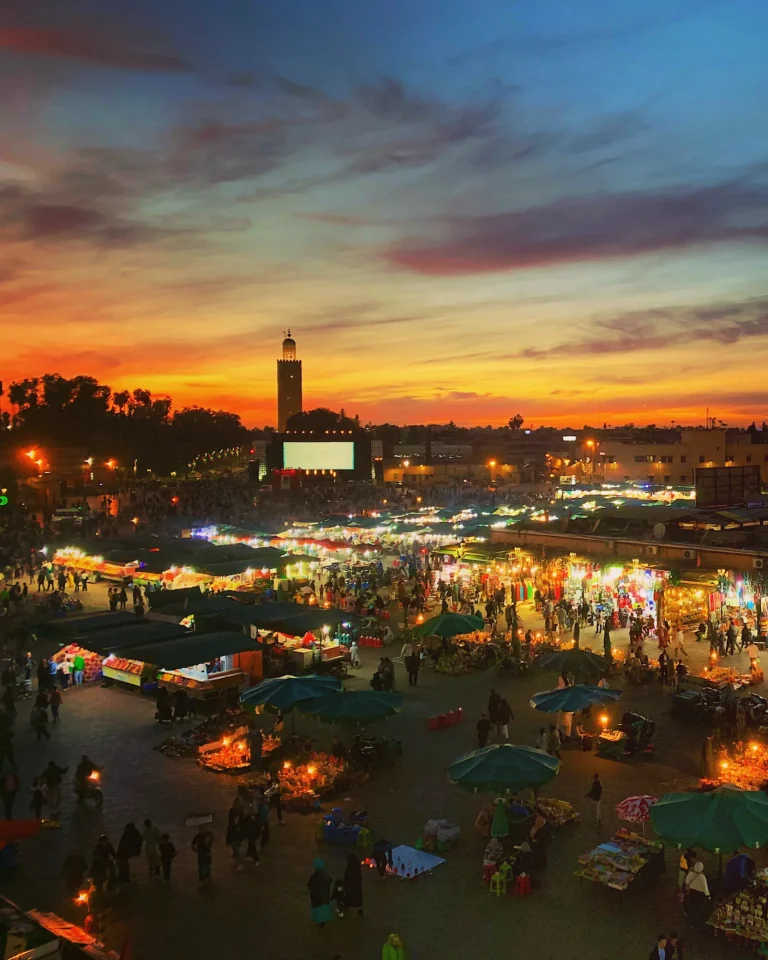
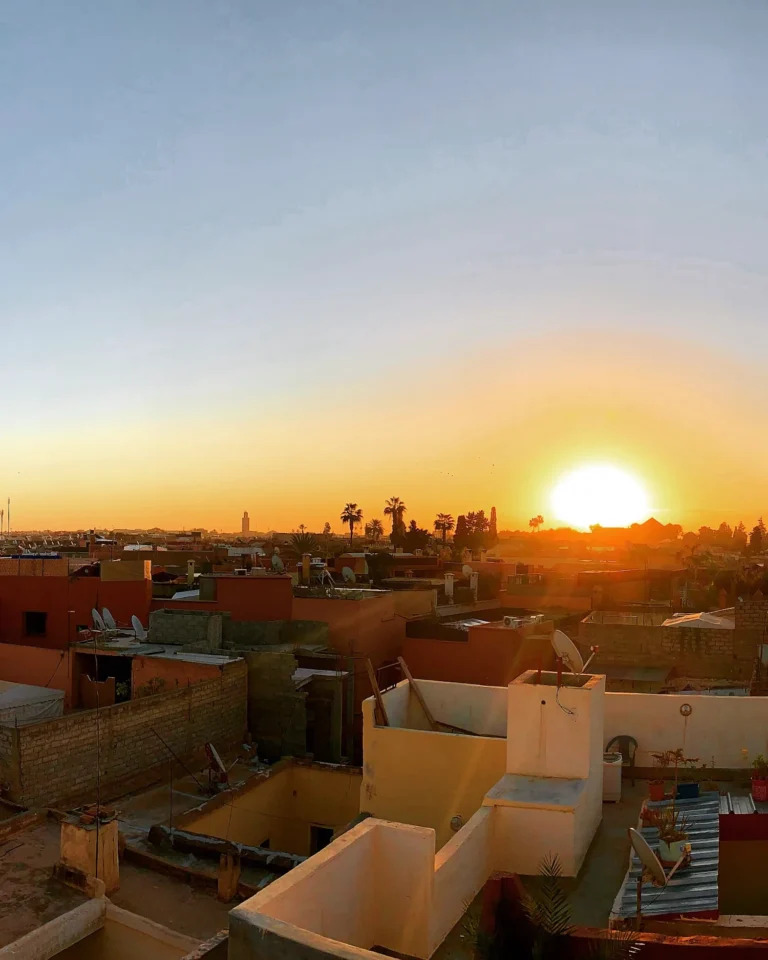
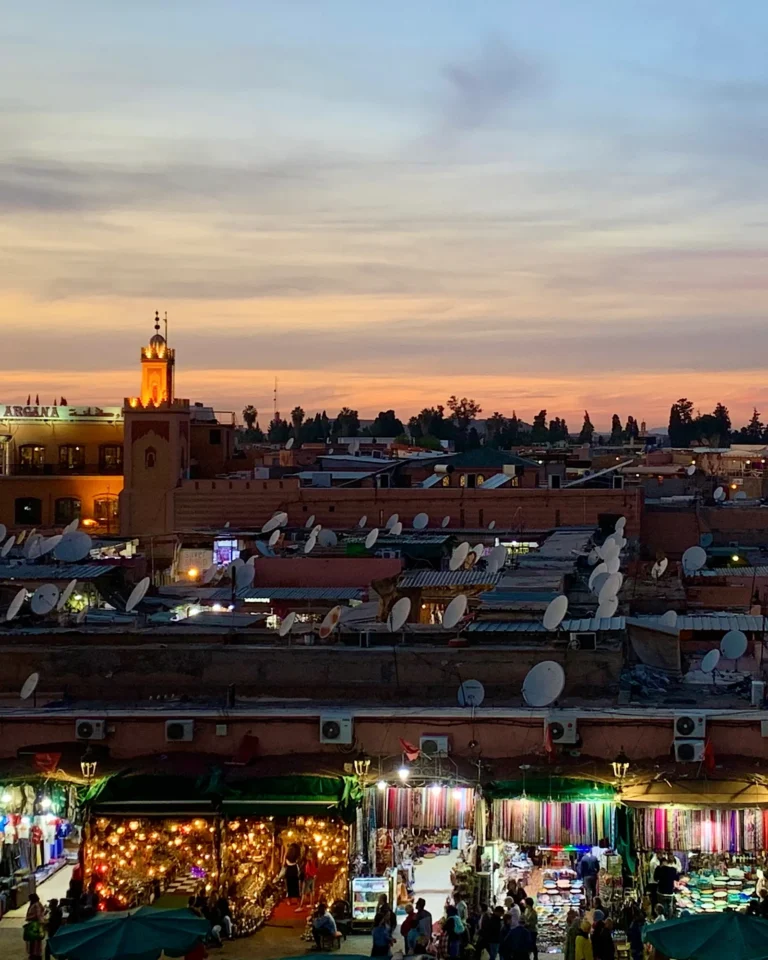
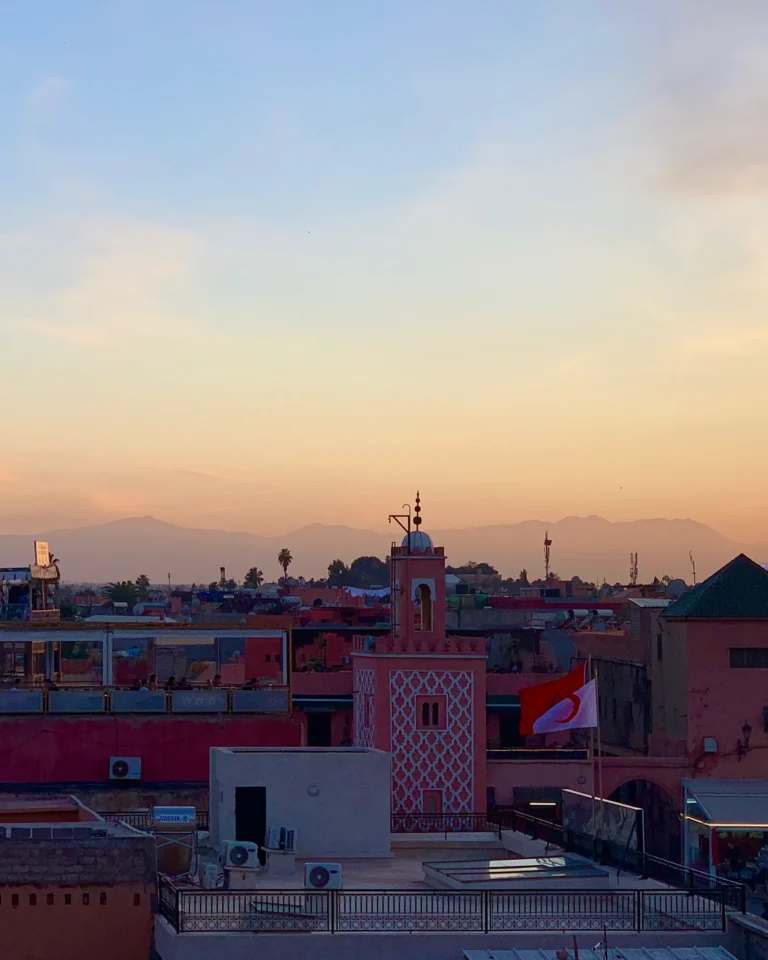
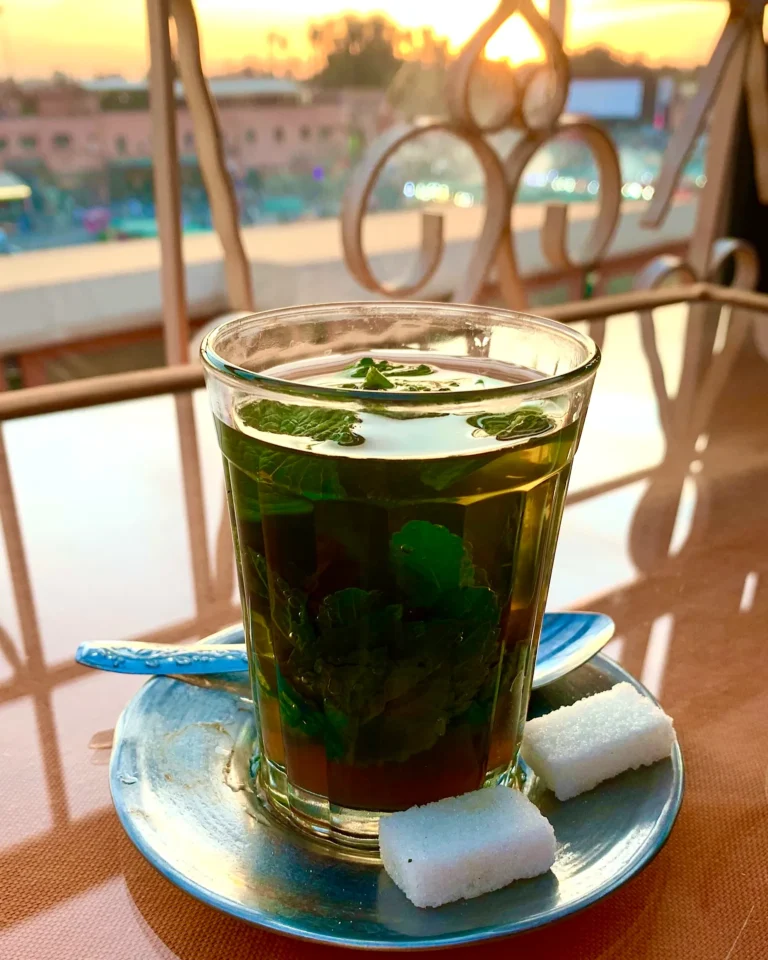
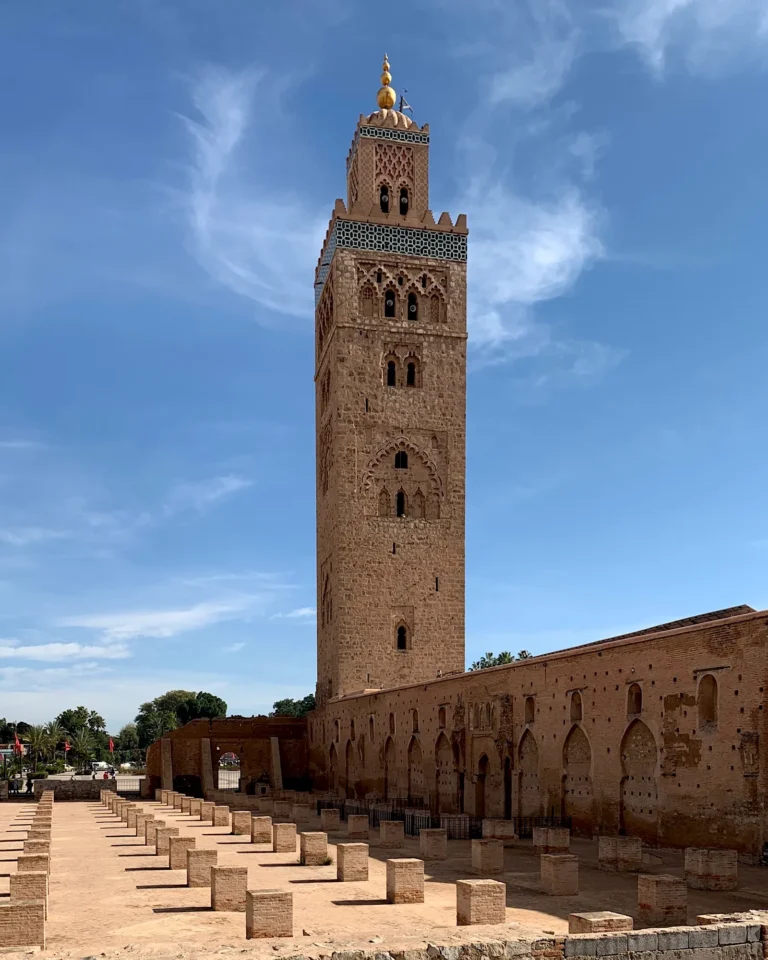
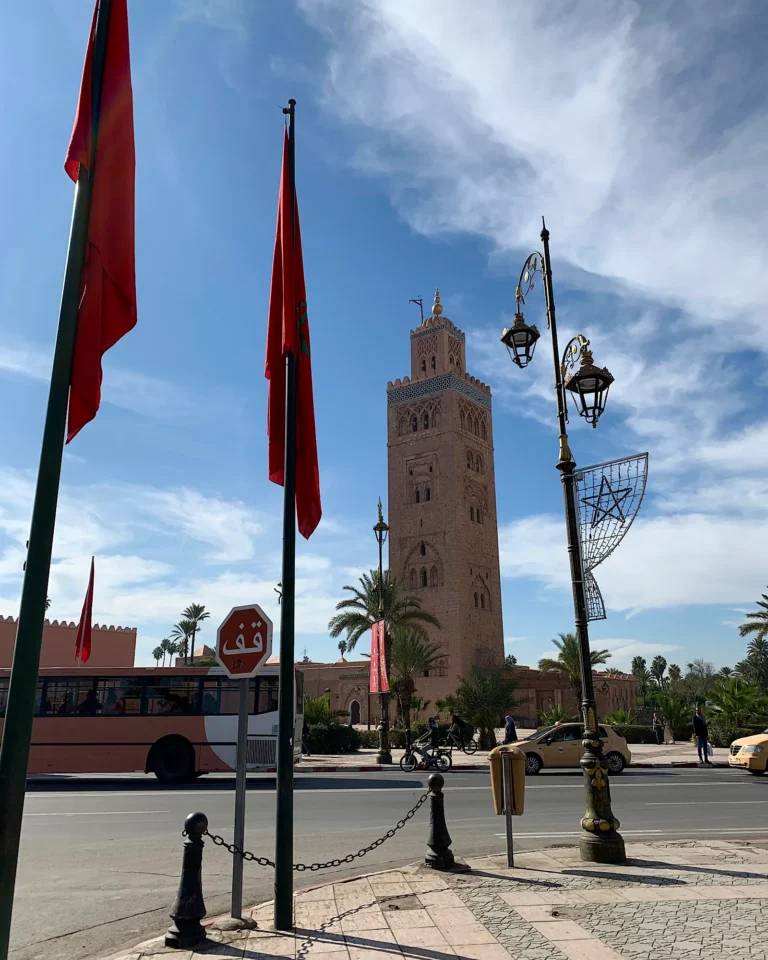
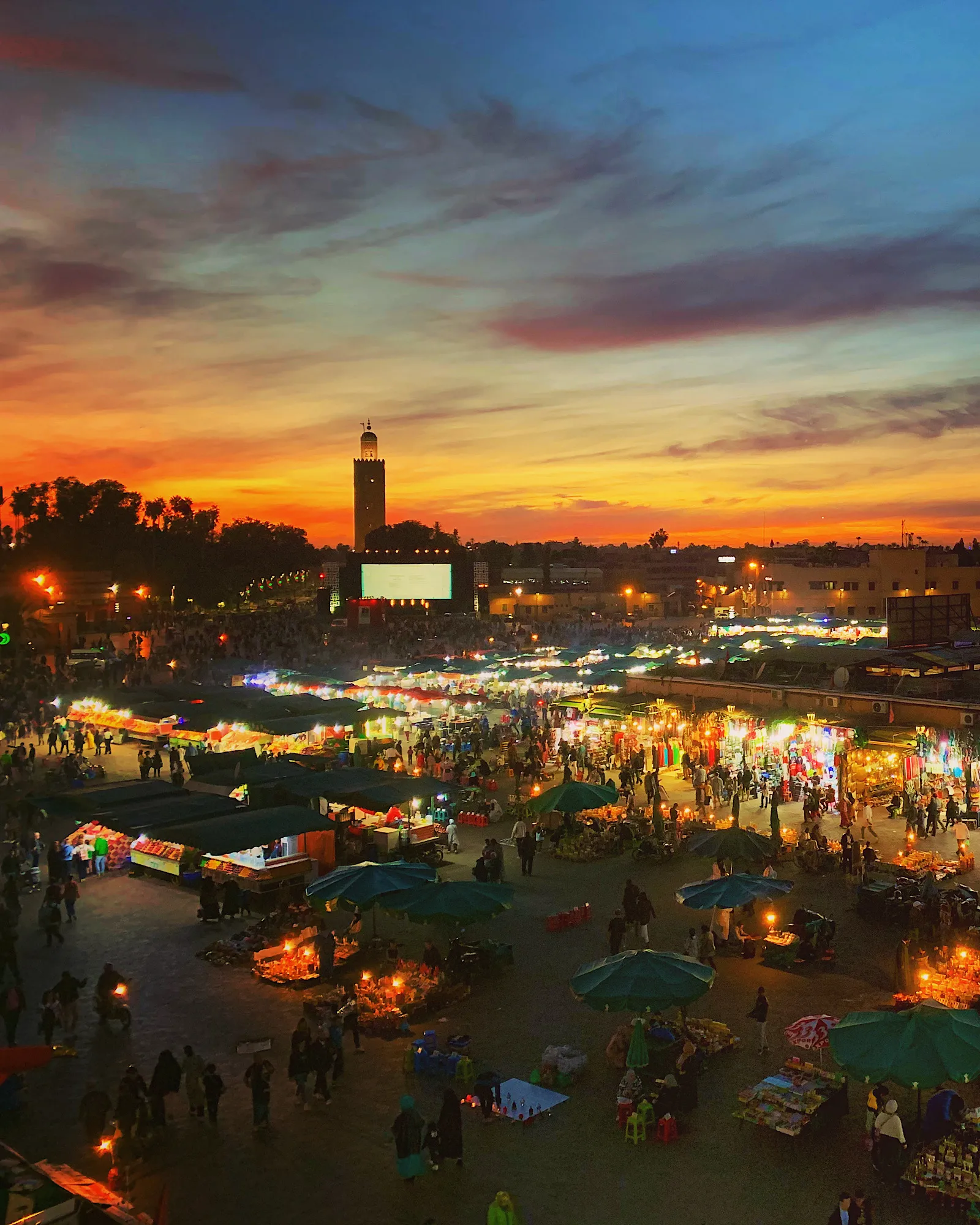
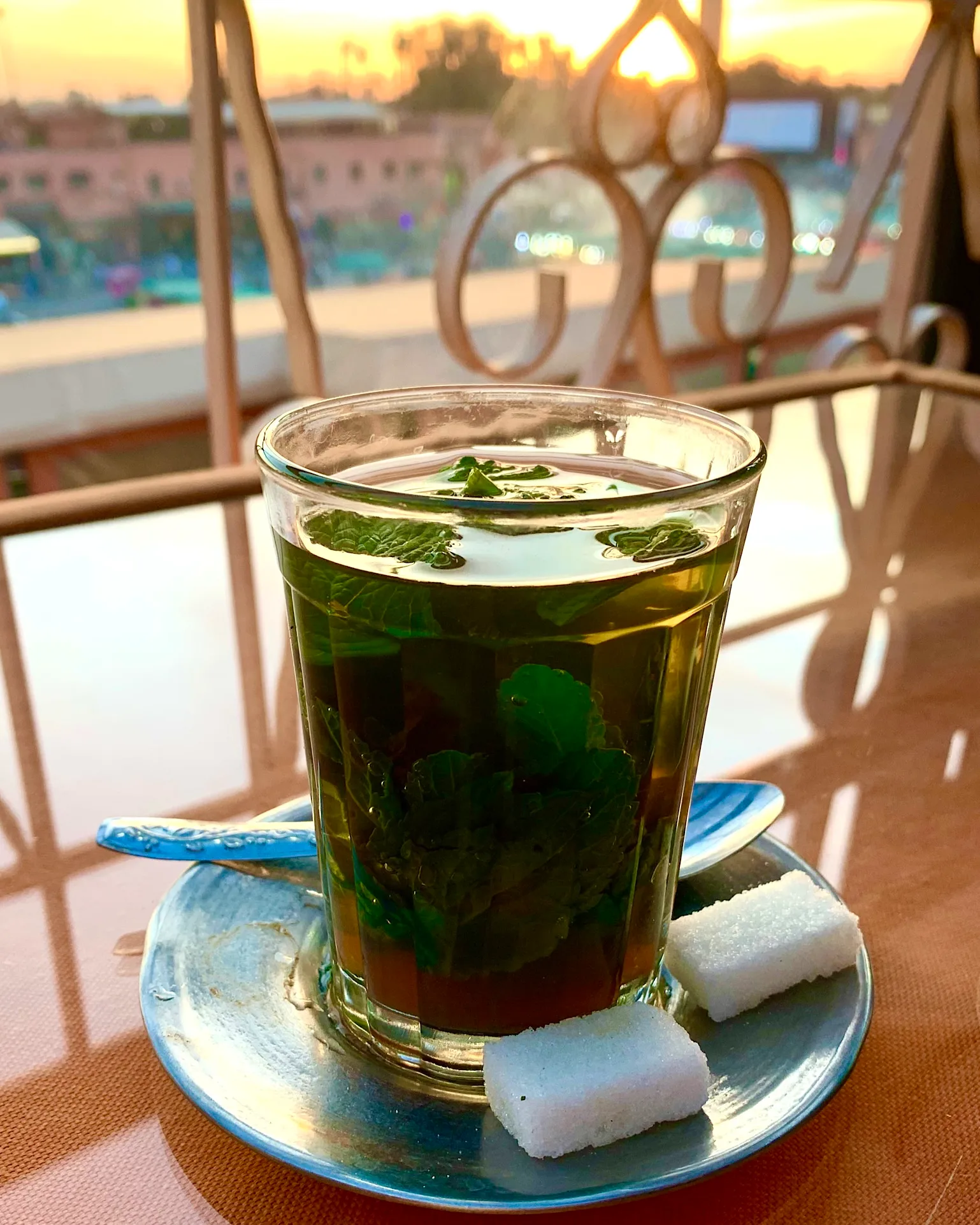
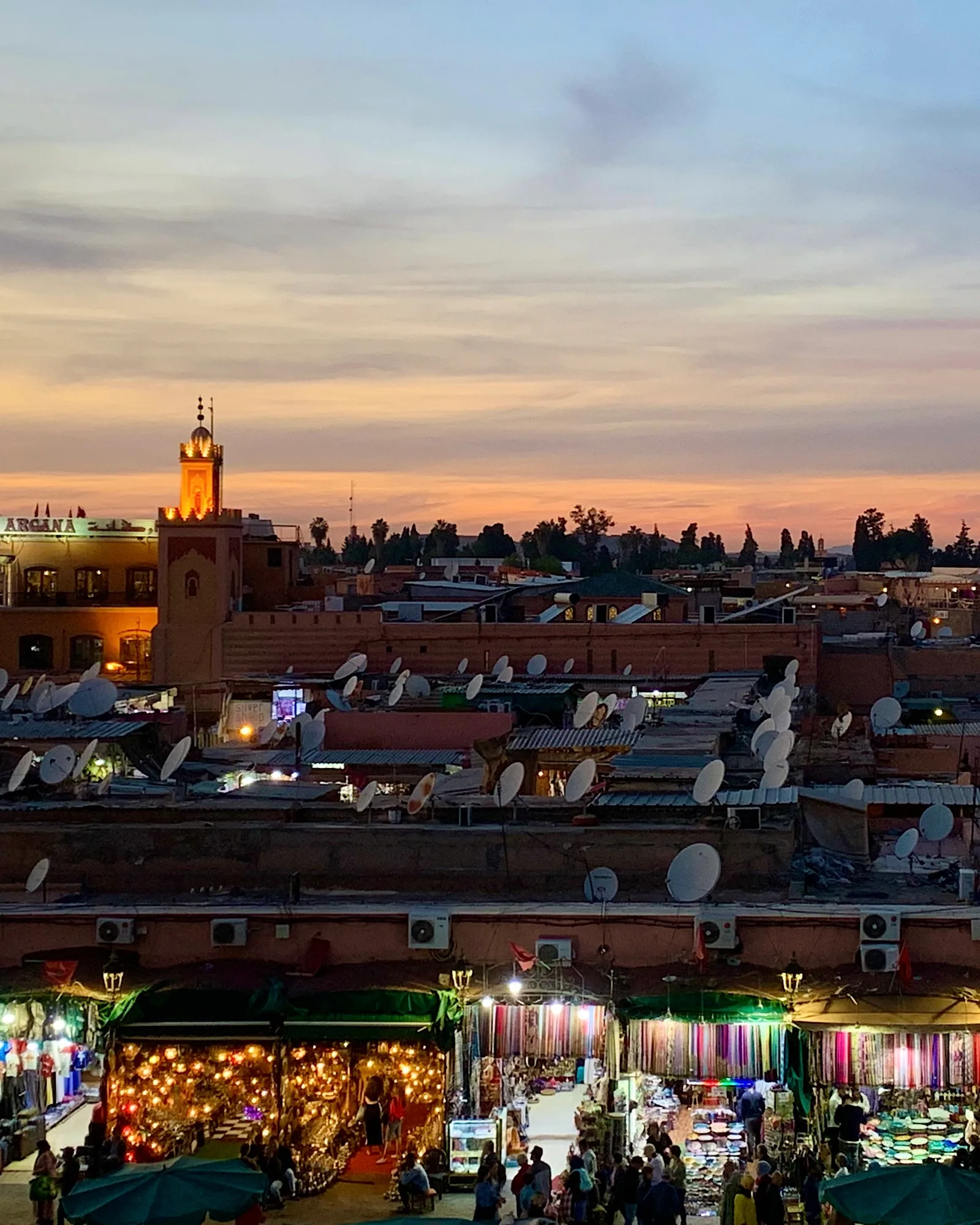
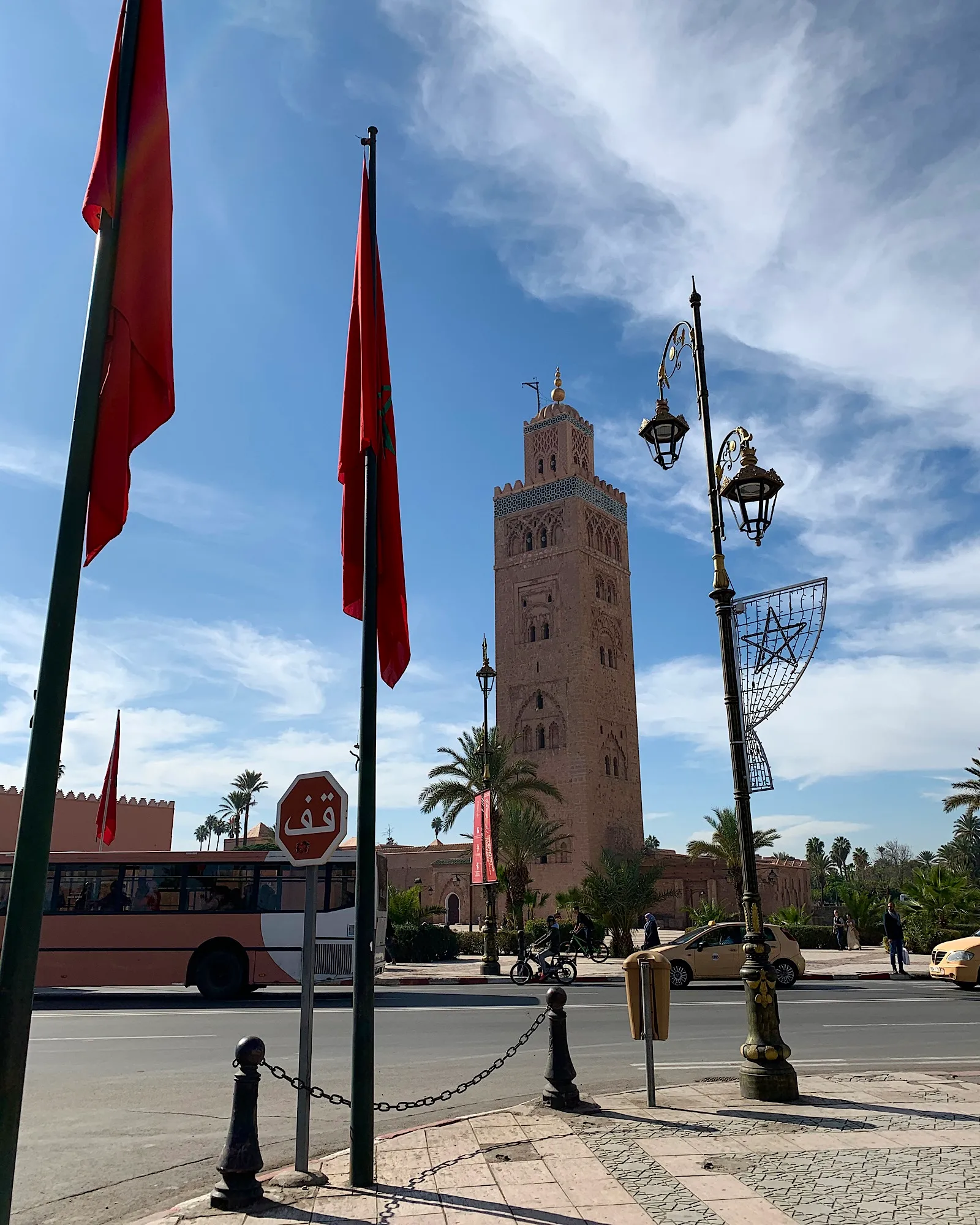
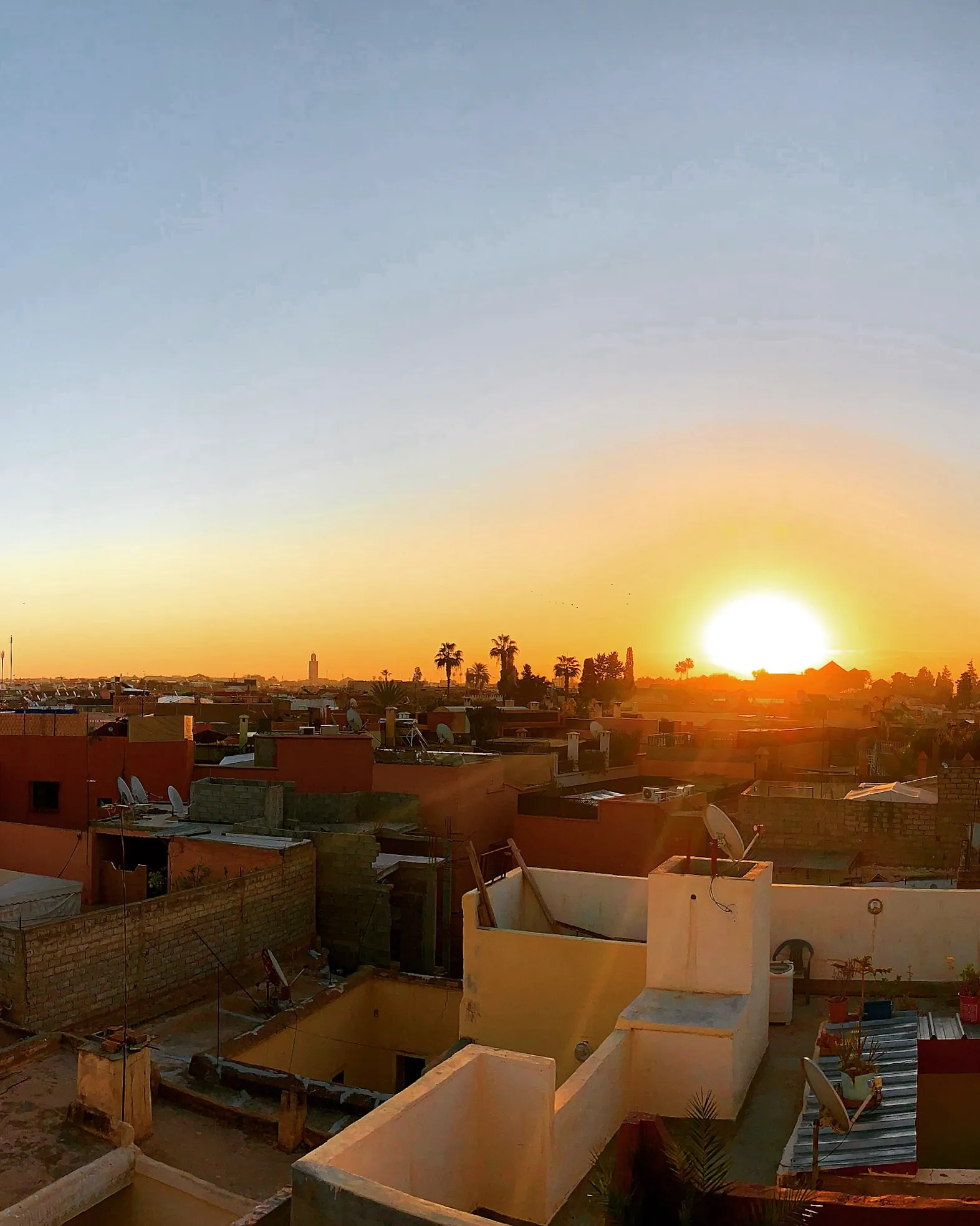
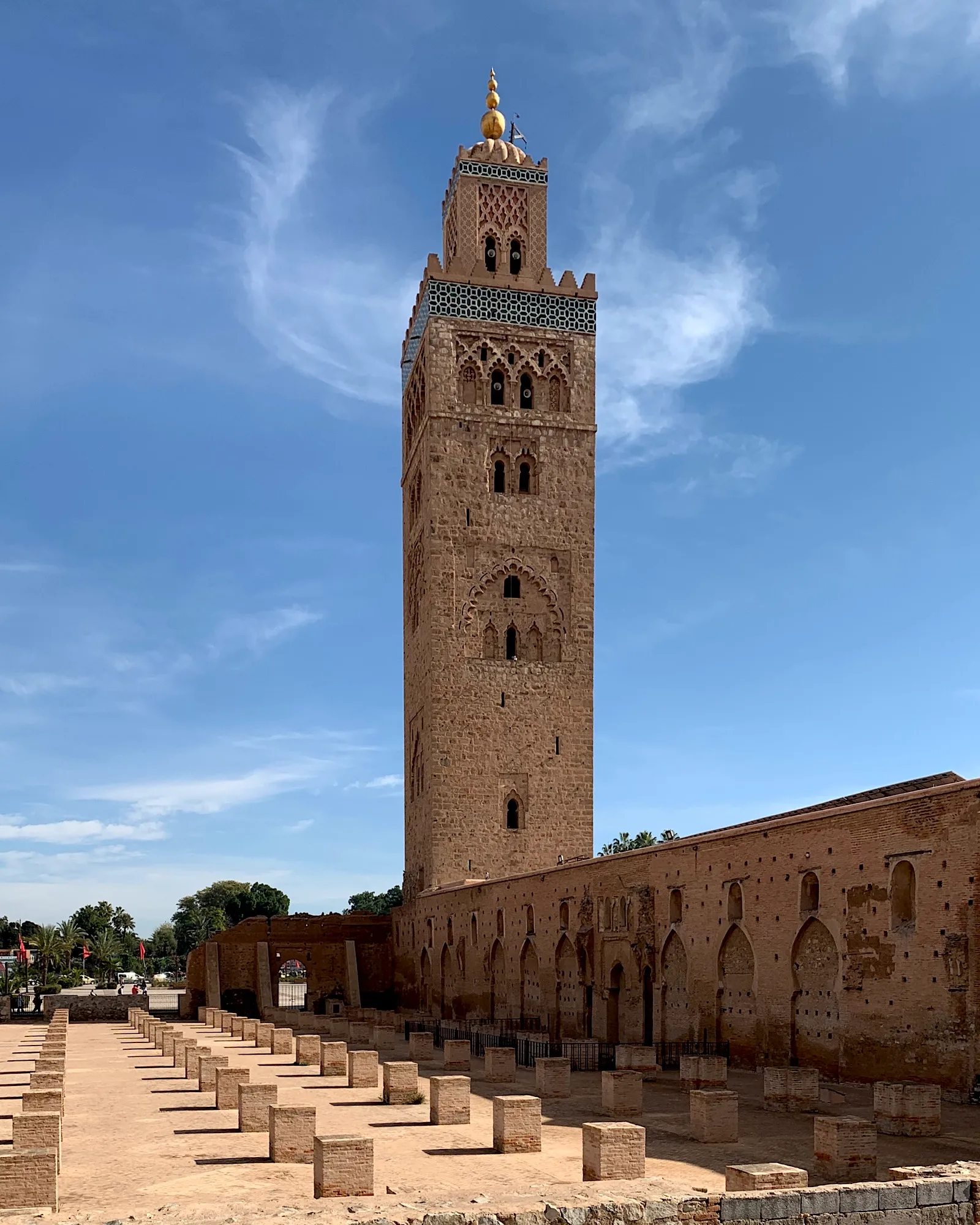
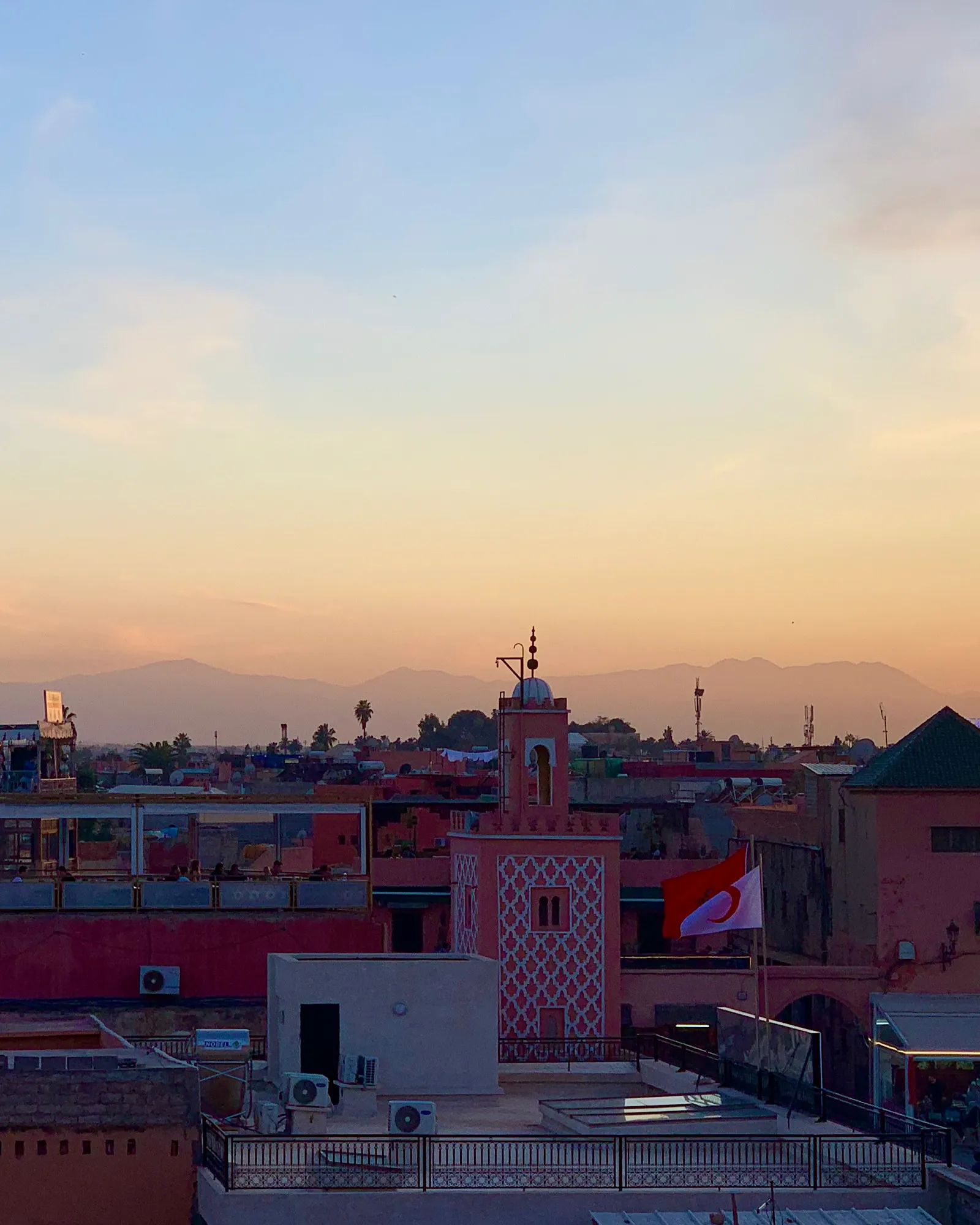
  • Jemaa el-Fna (Square) by day & night: The heart of Marrakech. In the evening, the square transforms into a massive open-air restaurant with countless market stalls. Grab a fresh mint tea on the rooftop terrace of Café de France. From there, you have the ultimate view of the hustle and bustle, the Koutoubia Mosque, and the magical sunset over the city.
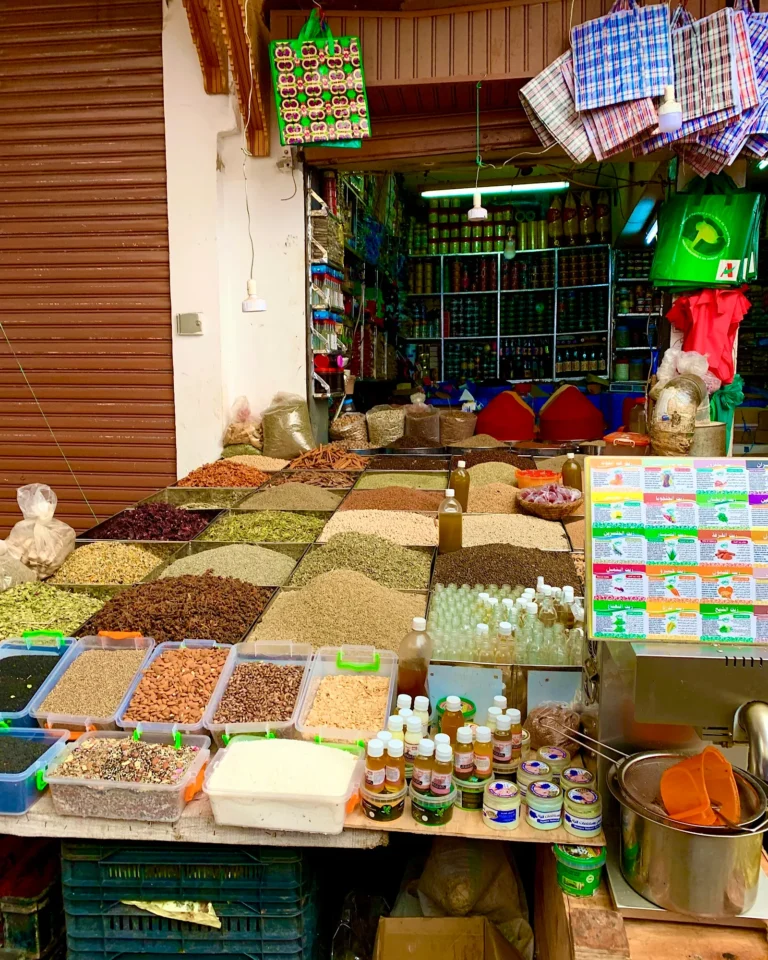
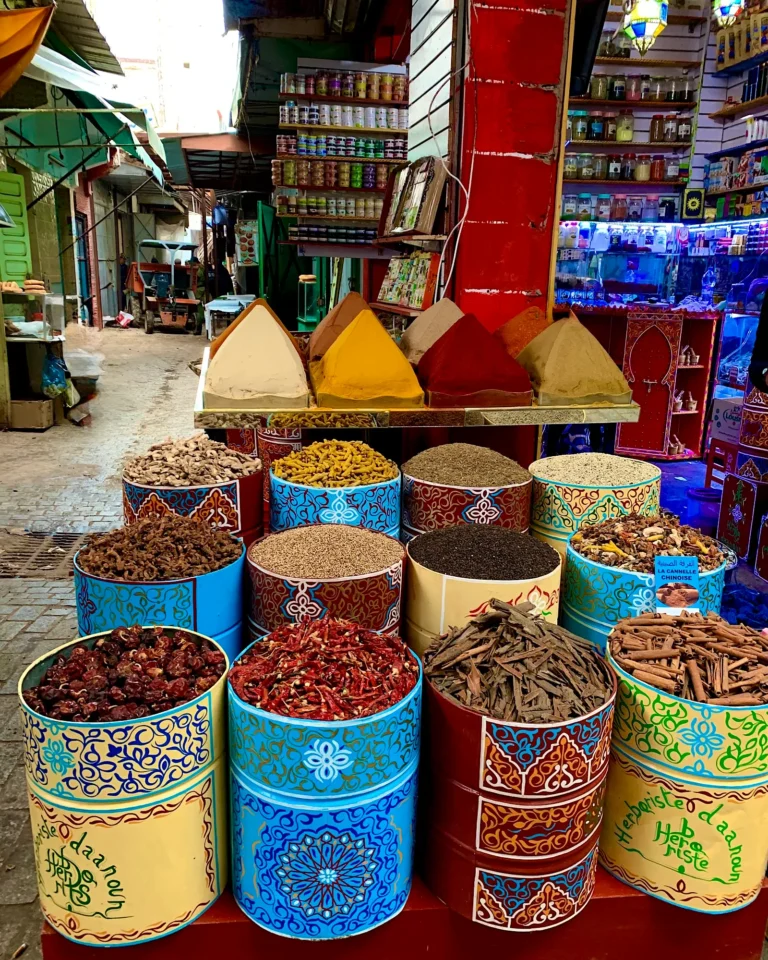
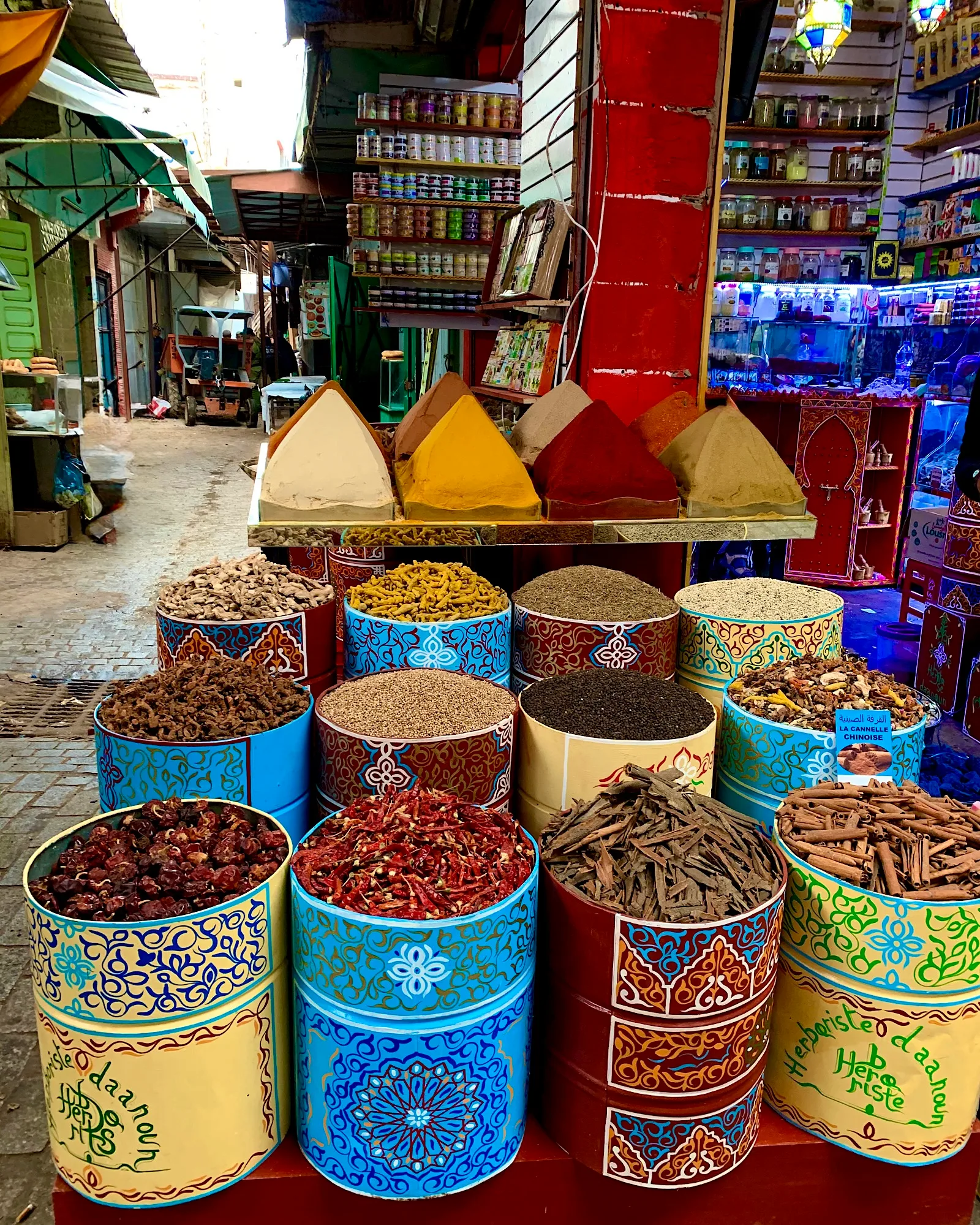
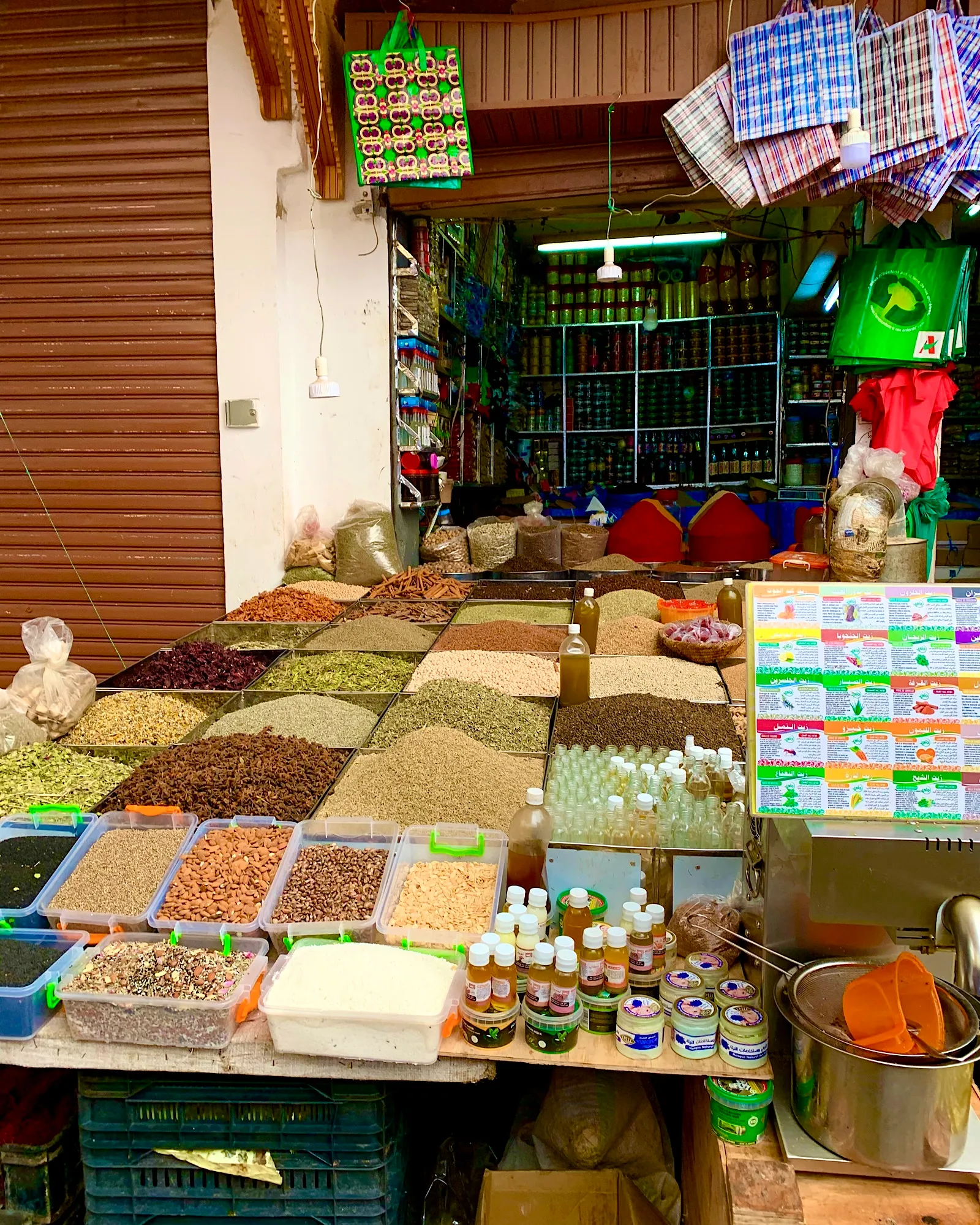
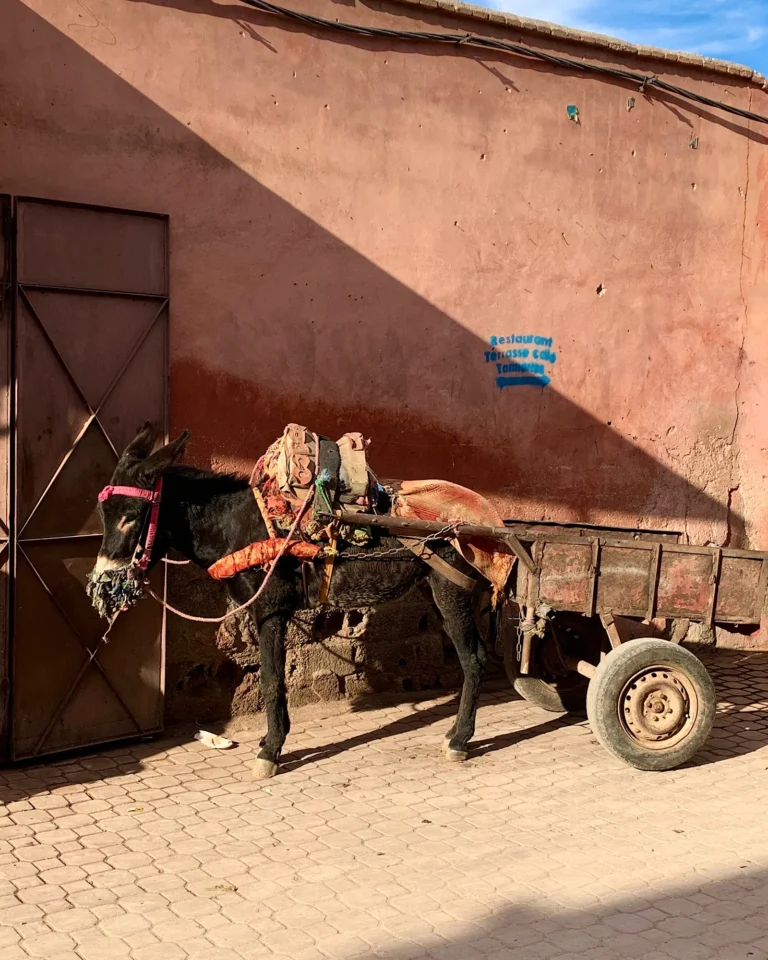
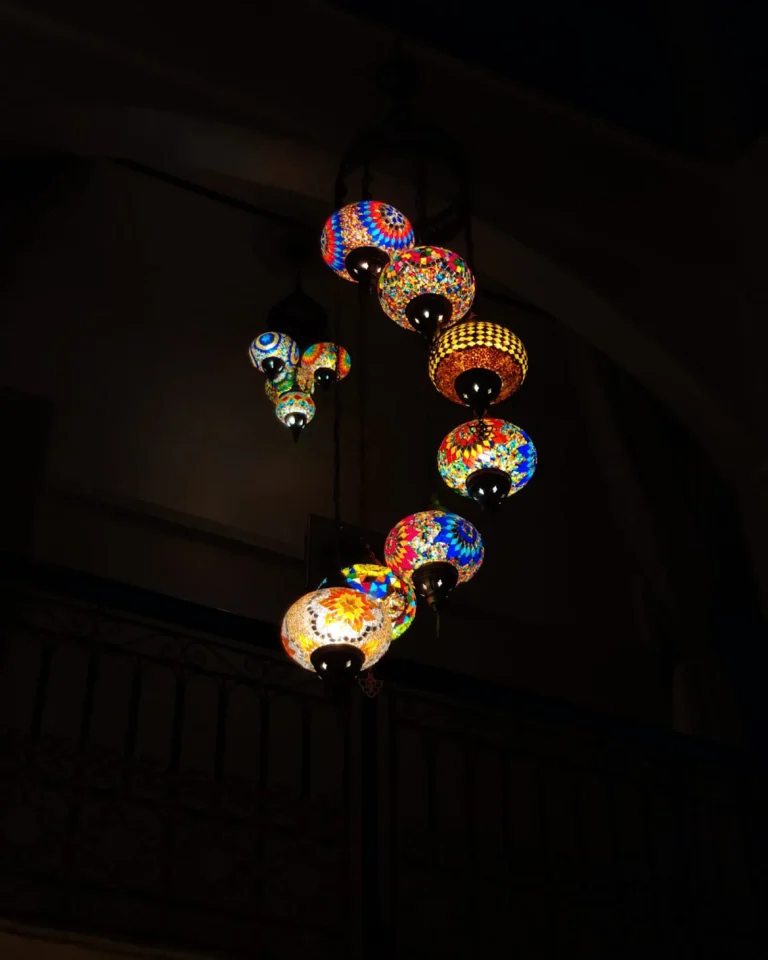
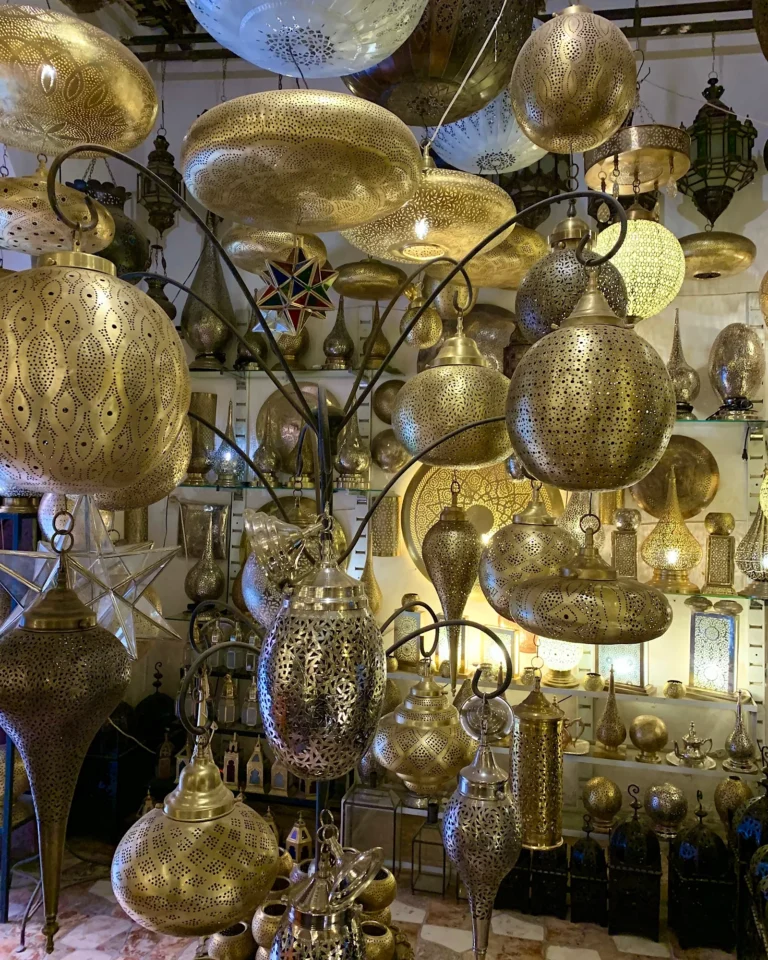
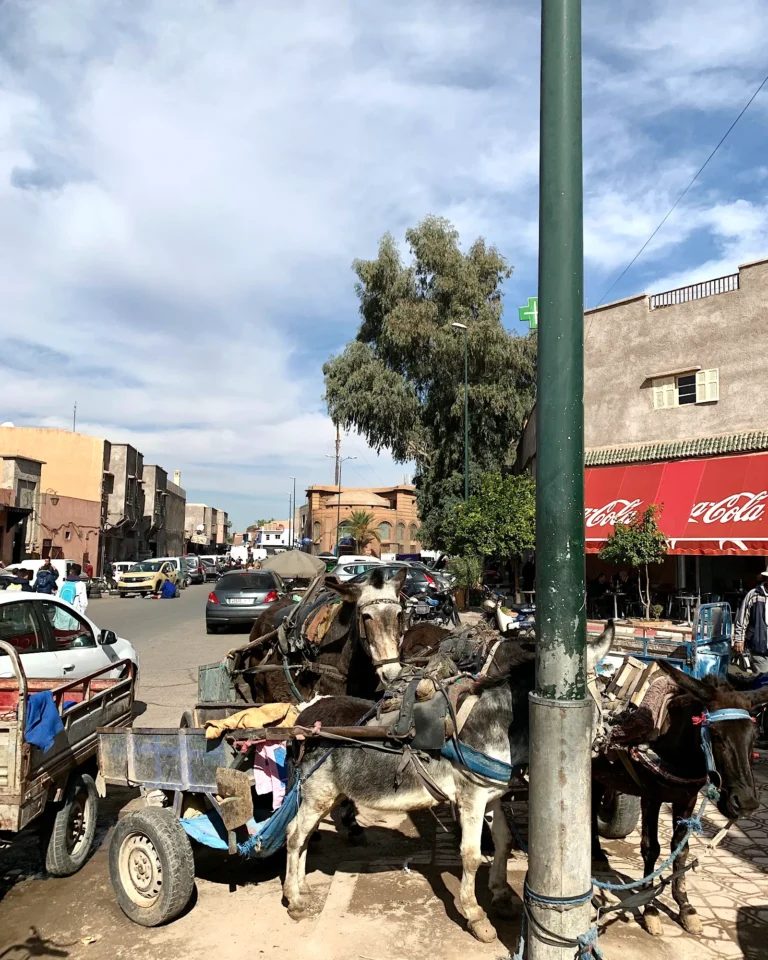
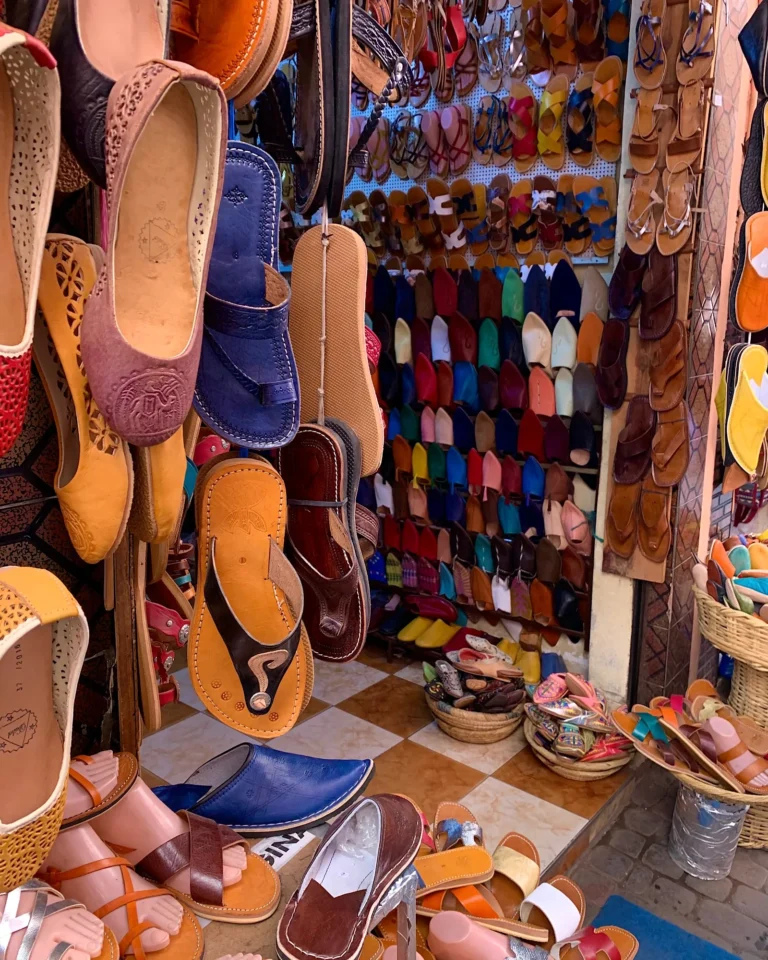
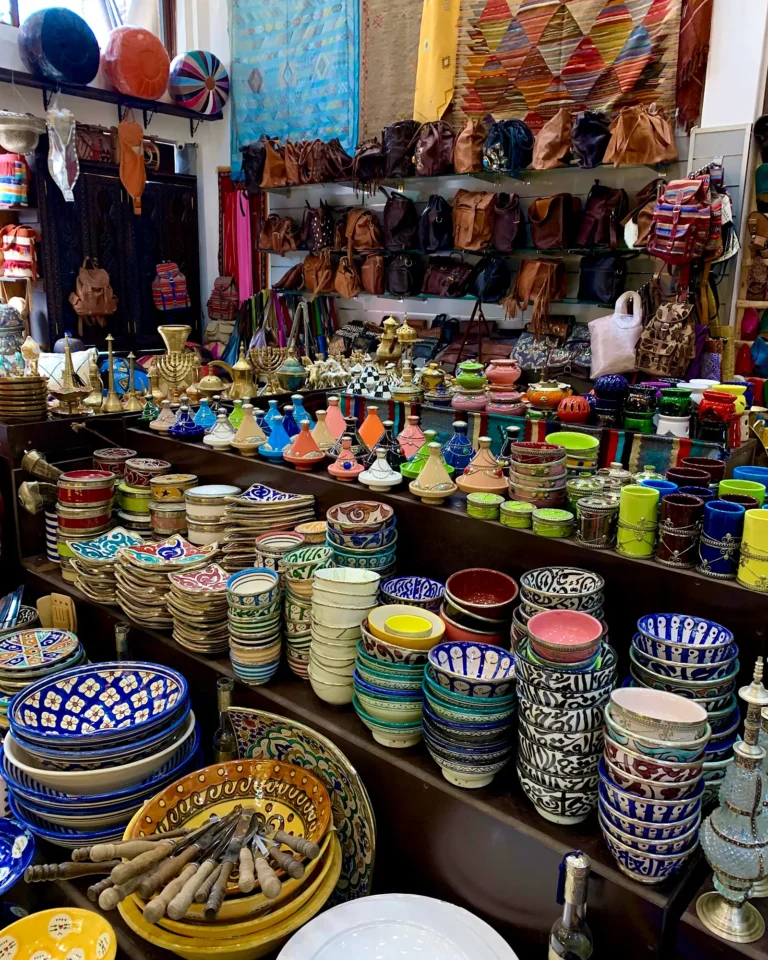
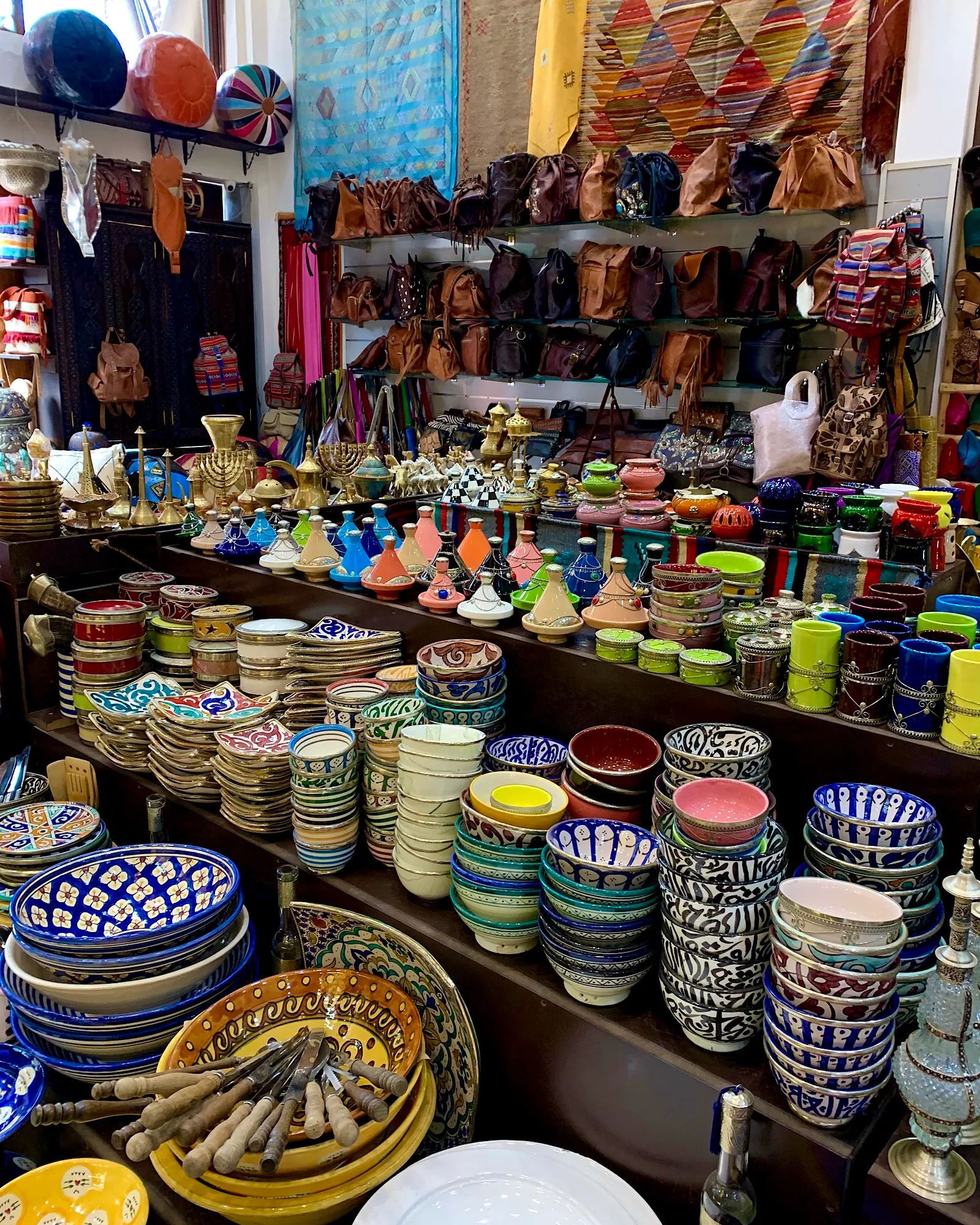
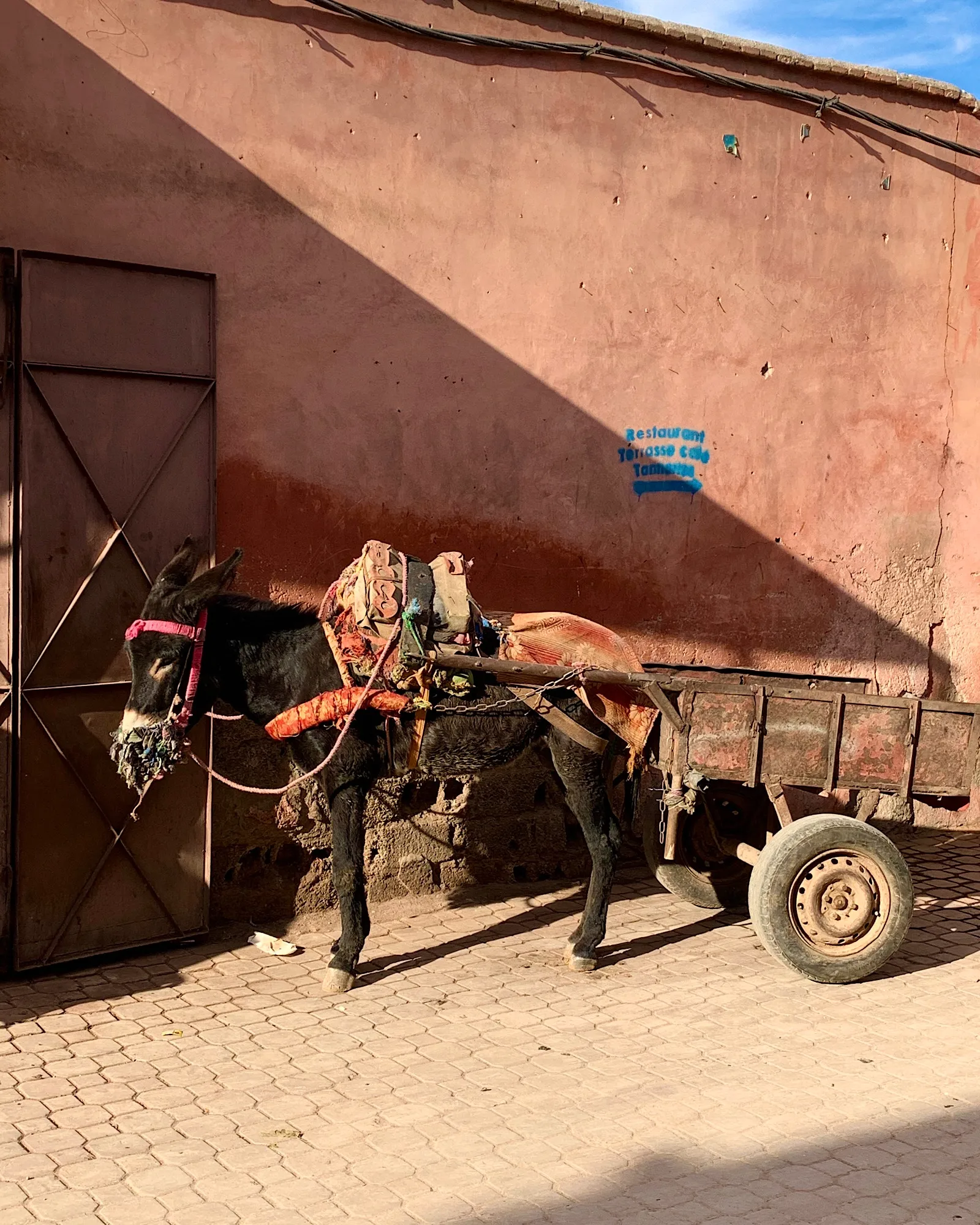
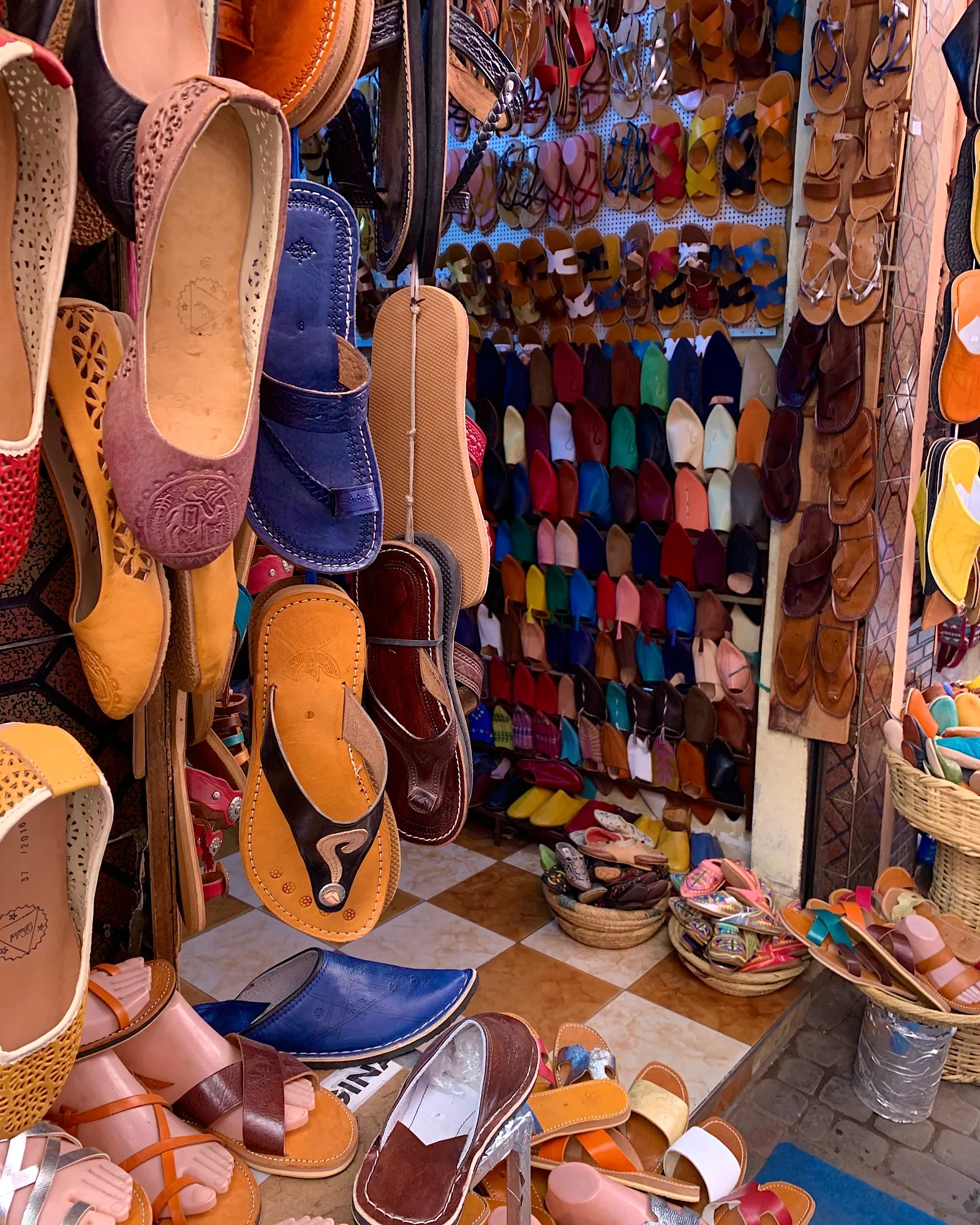
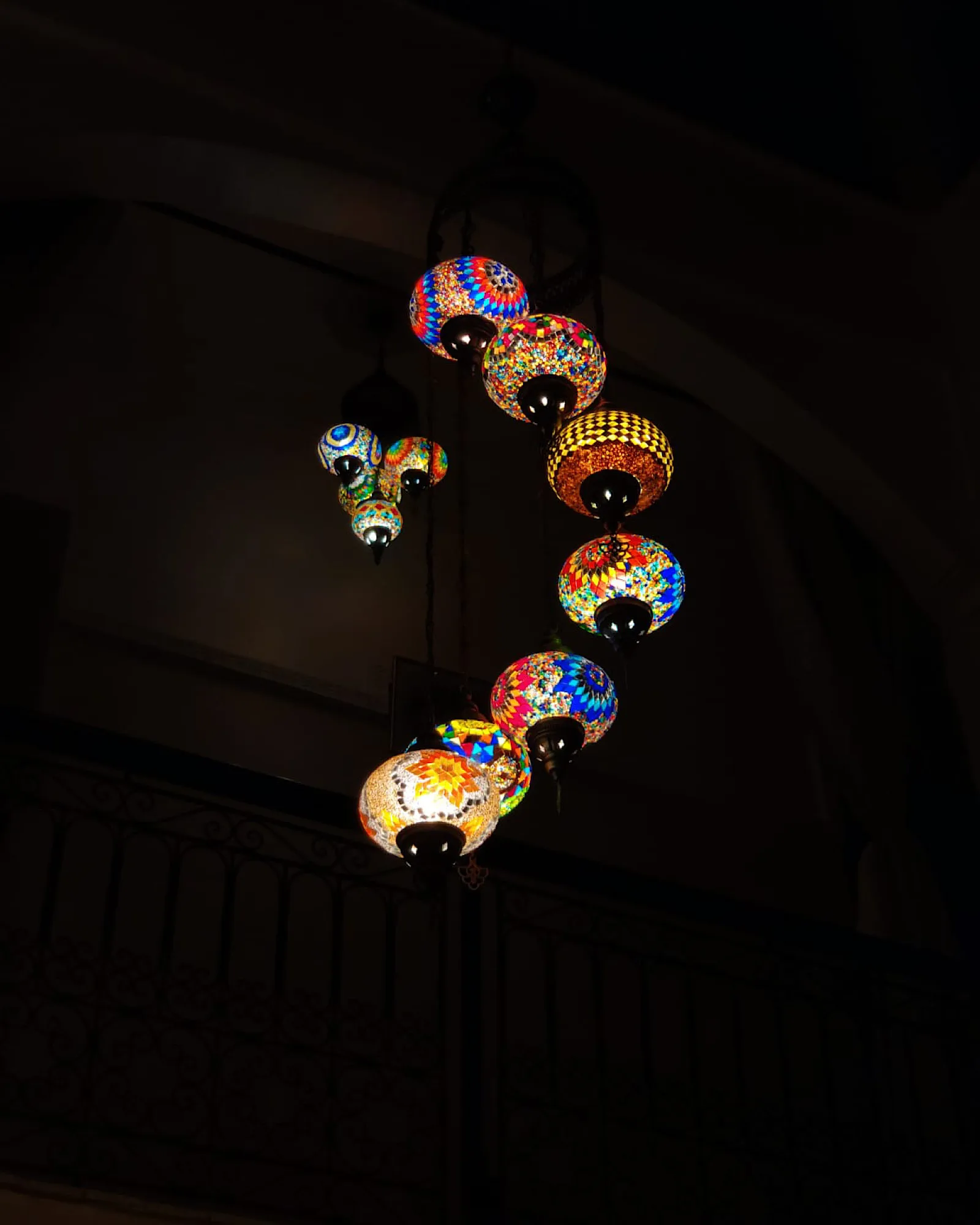
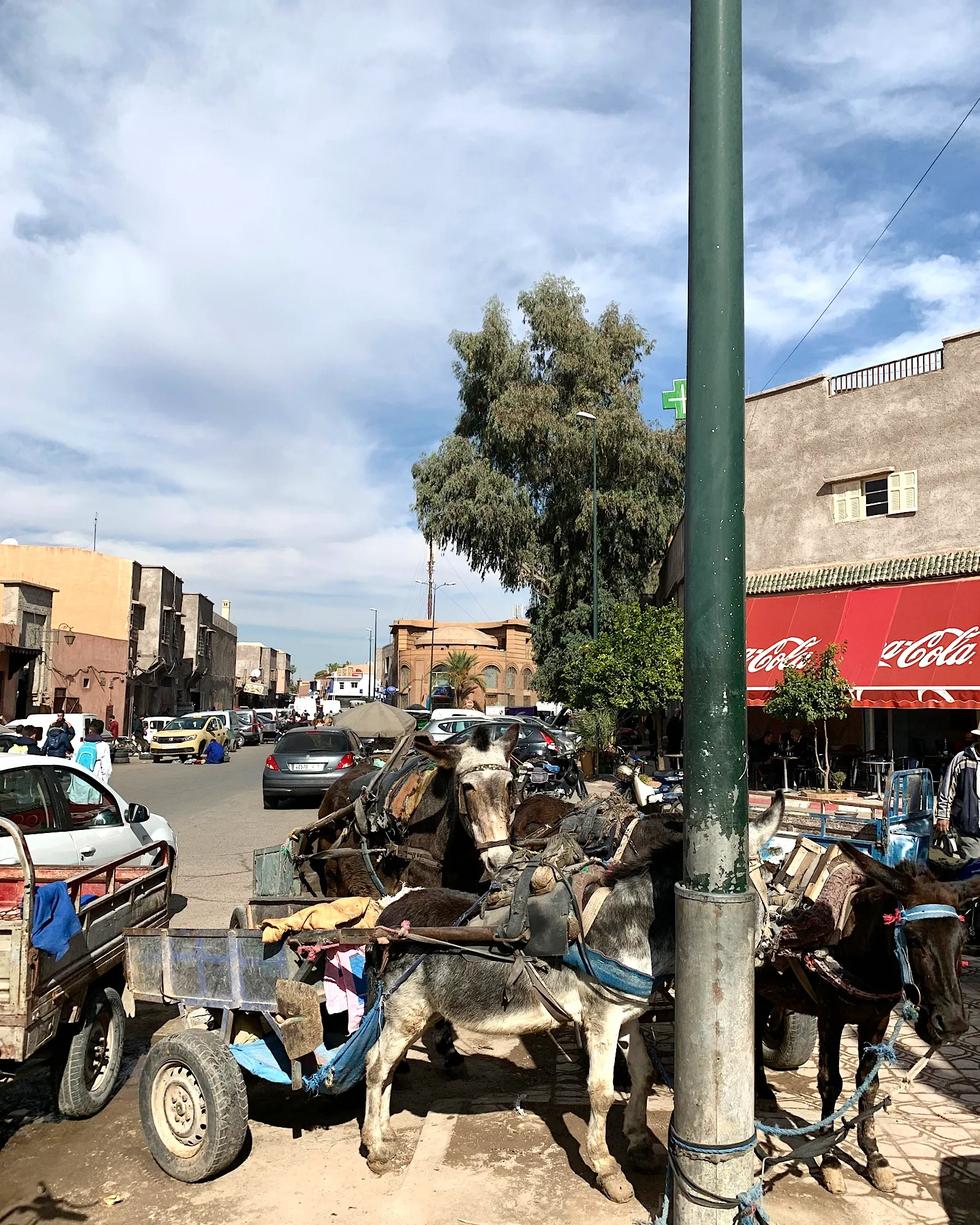
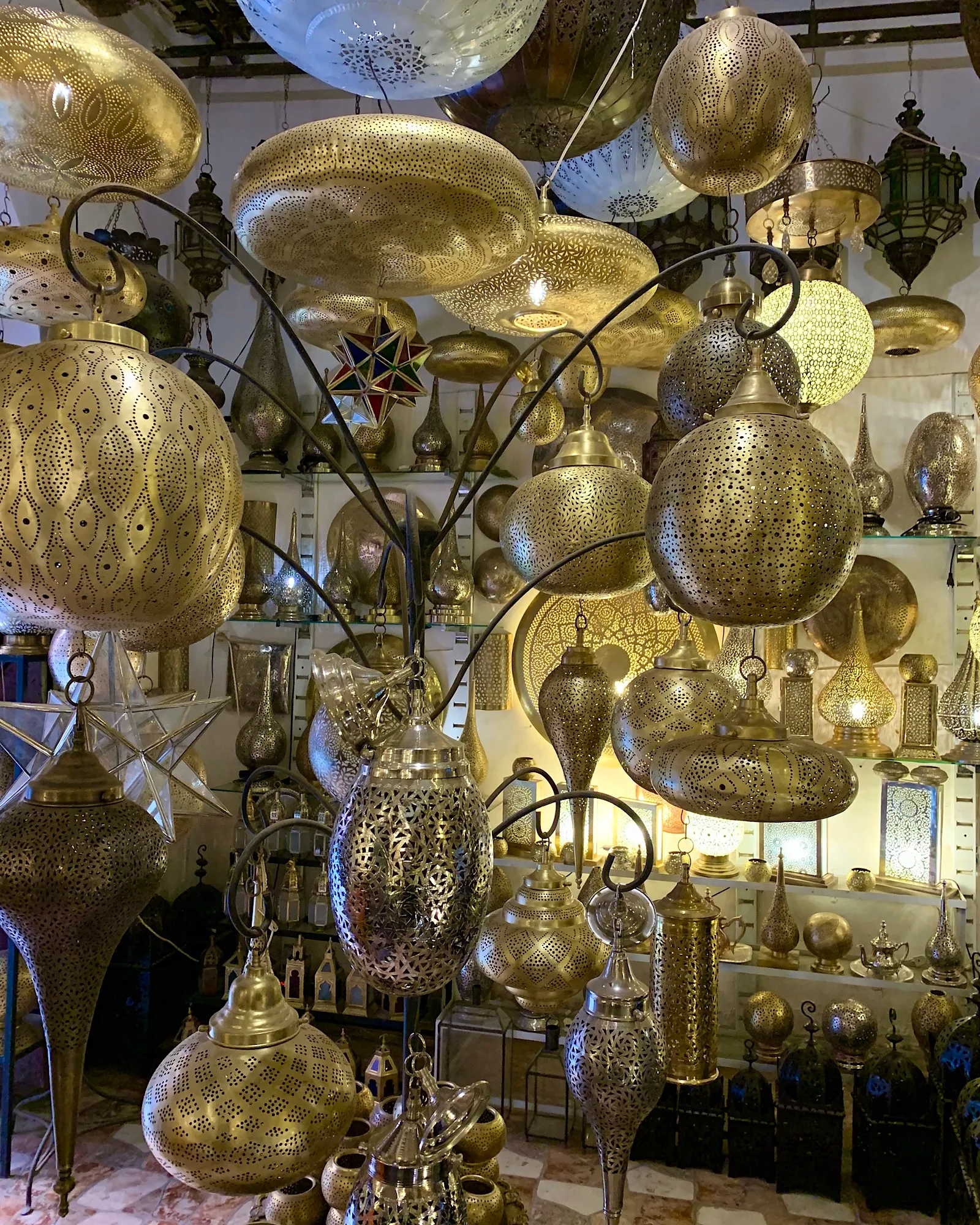
  • Souks (Markets): A walk through the red alleys of the Medina is a must. You will find everything here: handmade lanterns that cast beautiful shadows, colorful painted ceramic tajines, and vibrant leather babouches (slippers). Donkeys with their carts are also still a regular part of the cityscape here.
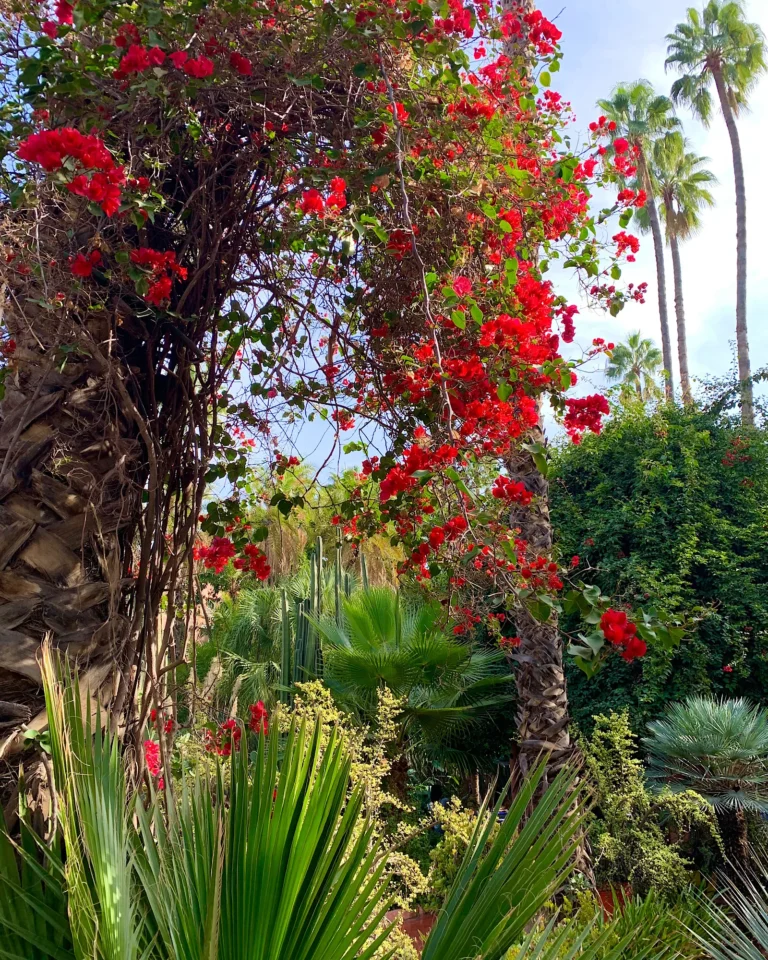
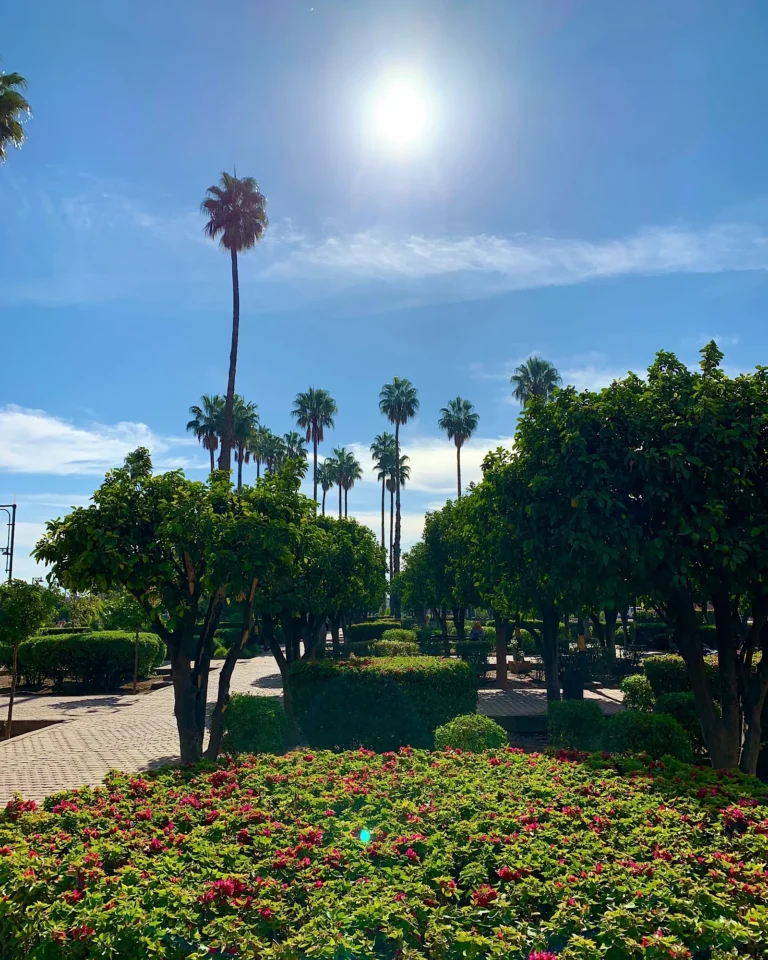
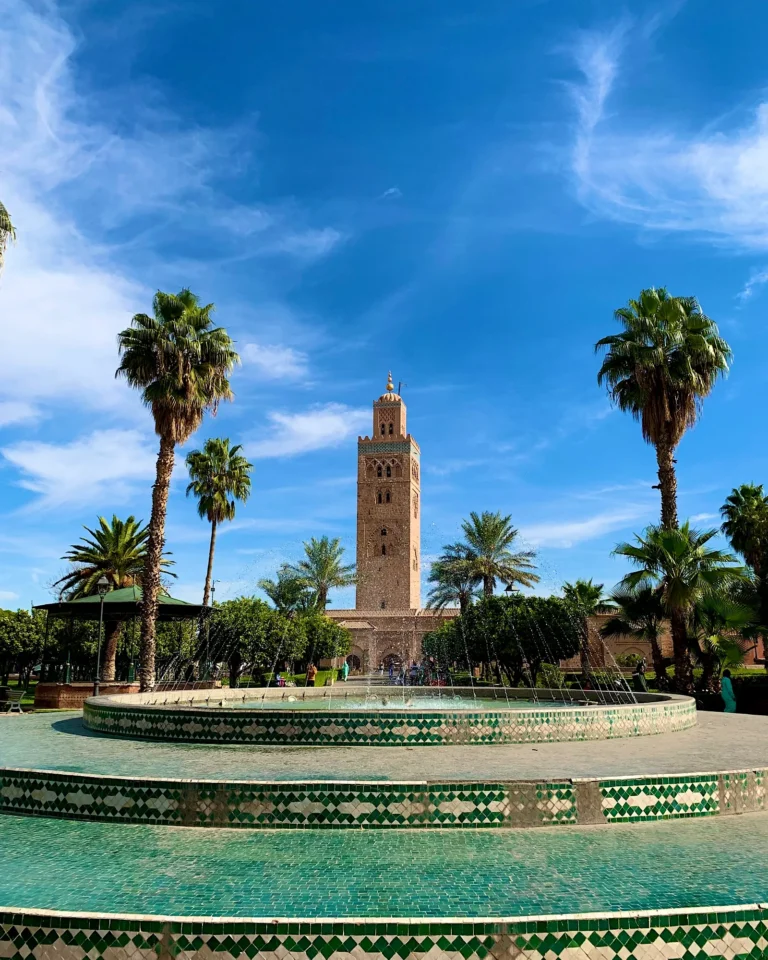
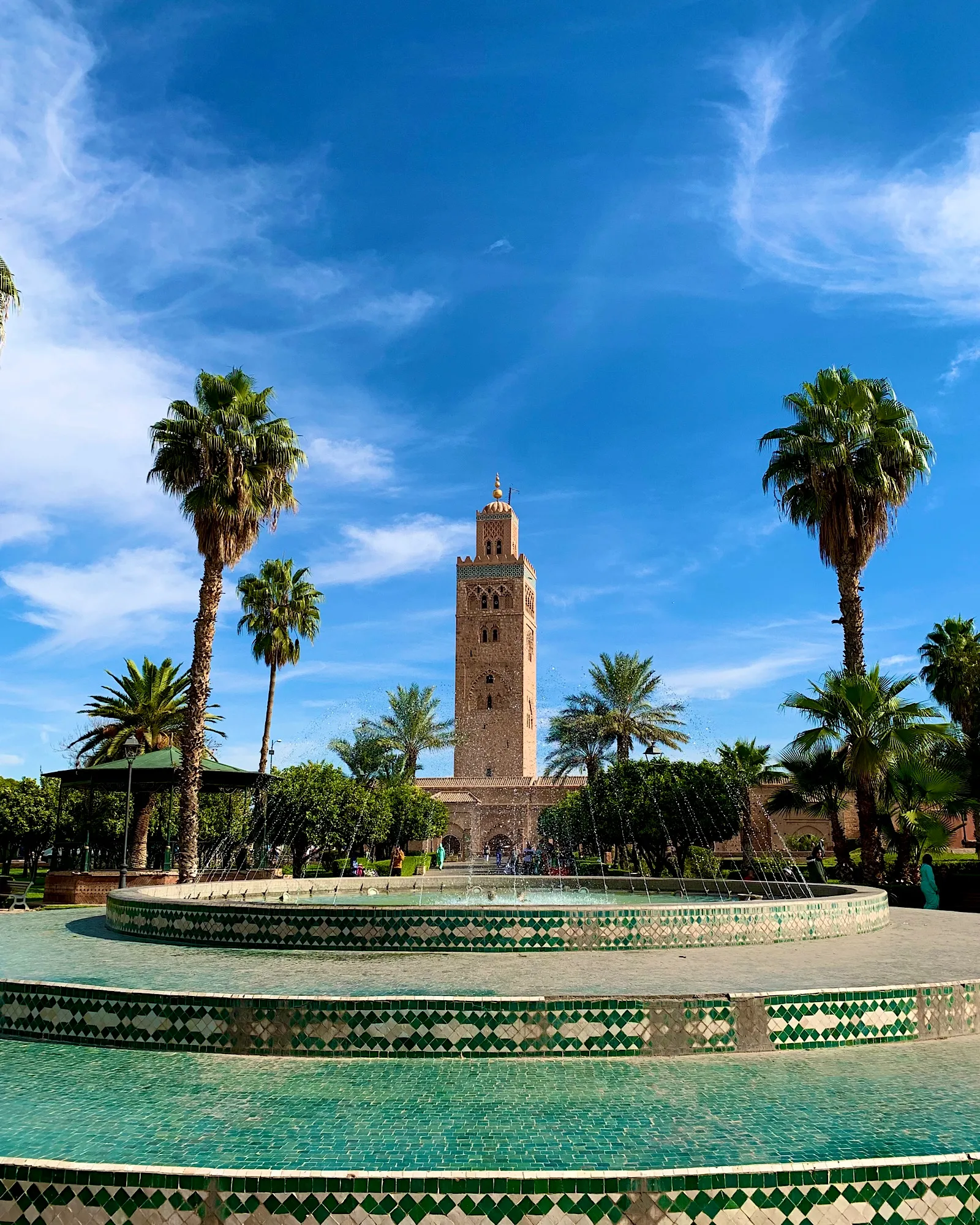
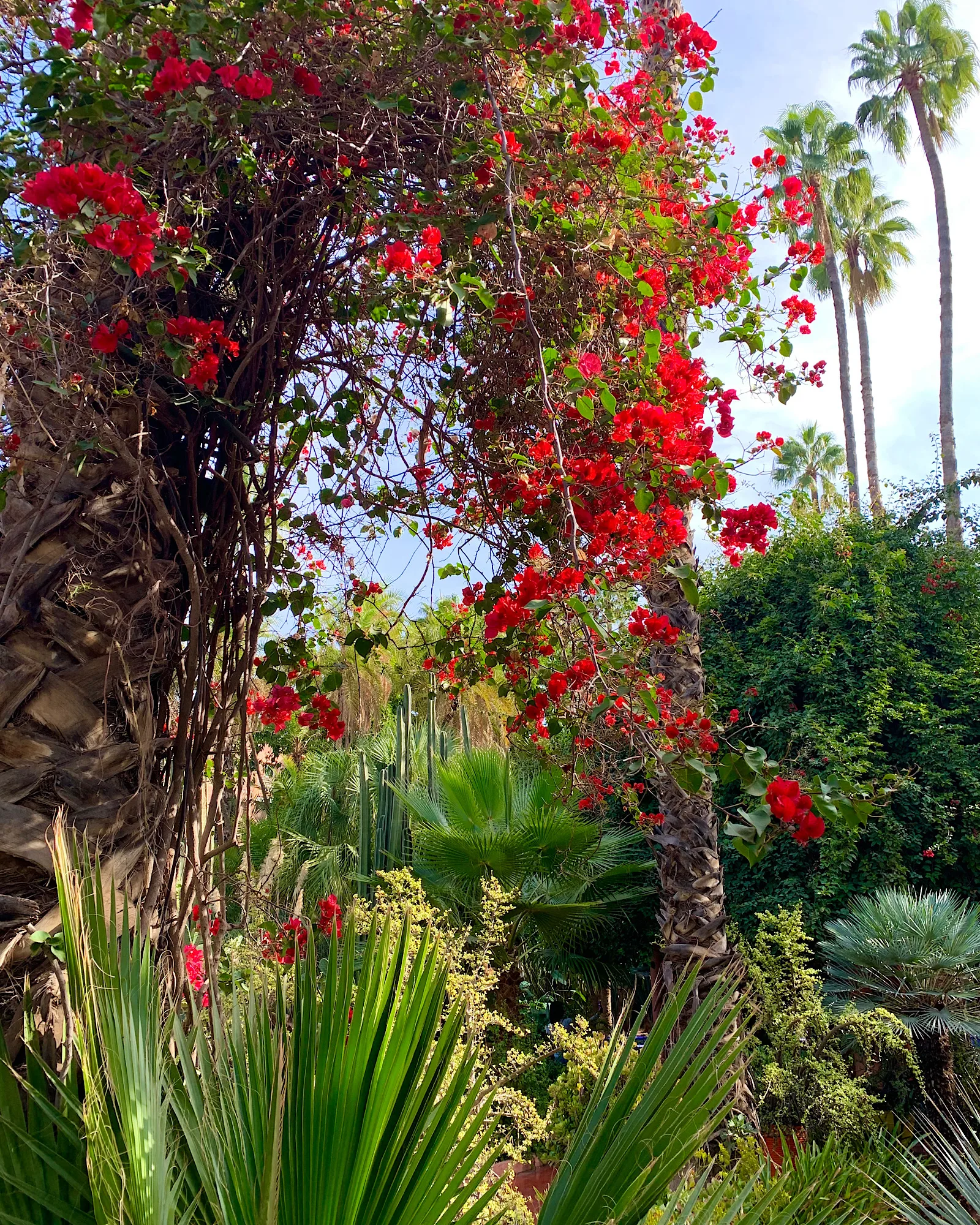
  • Koutoubia Gardens: For a relaxed walk without the pressure to buy anything, the gardens around the city’s landmark, the Koutoubia Mosque, are ideal. The water features and blooming bougainvillea are perfect for a short break.
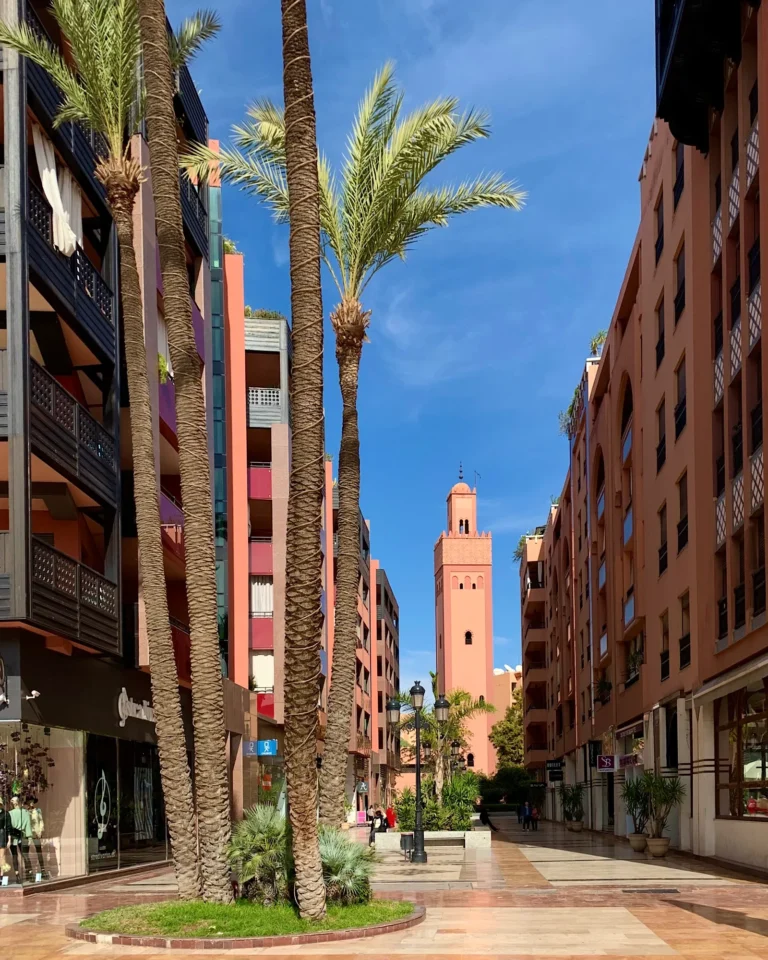
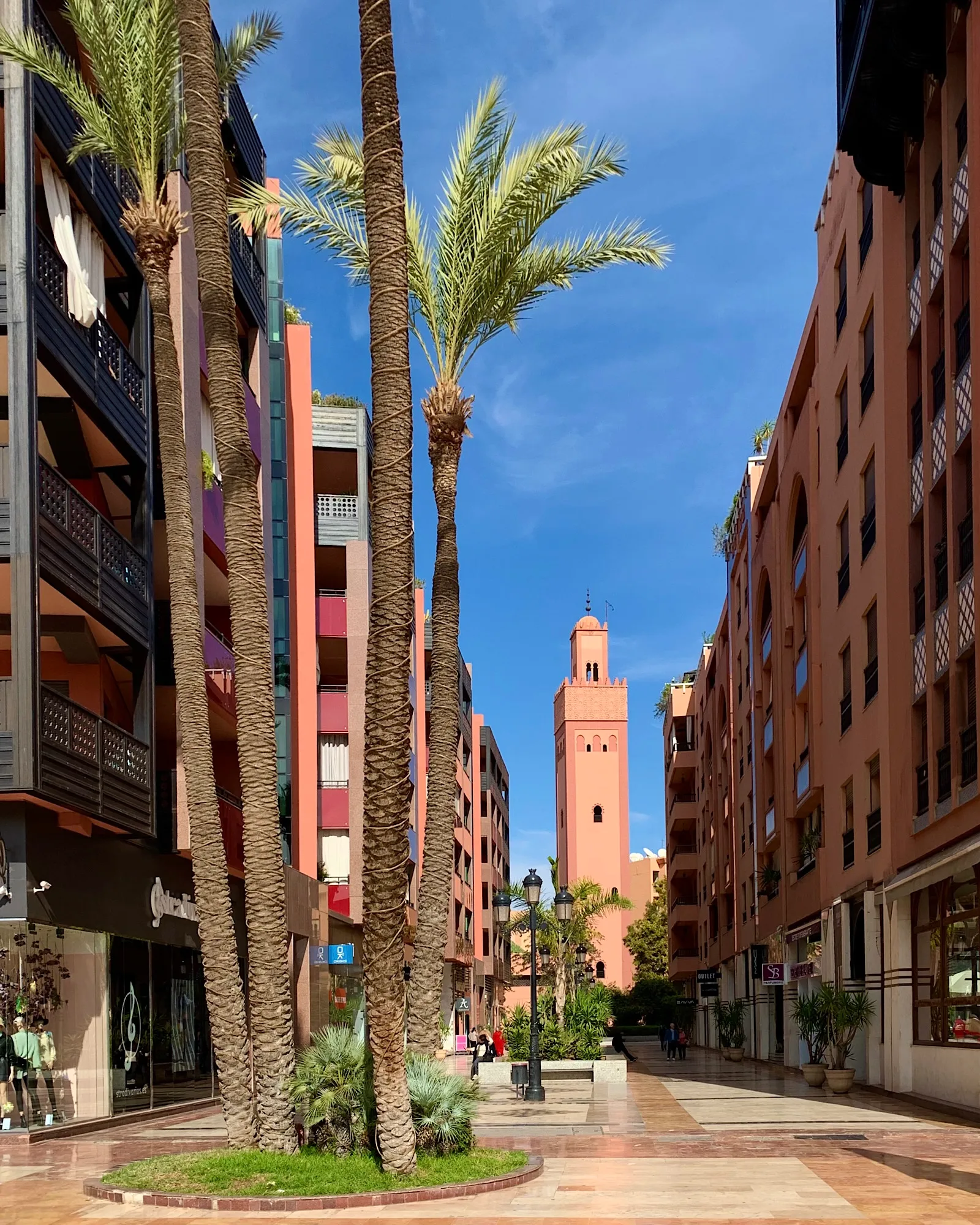
  • Guéliz: If you need a break from the medieval flair of the Medina, head to the modern district of Guéliz. Here, the architecture is modern, and there are chic boutiques and Western-style cafés.
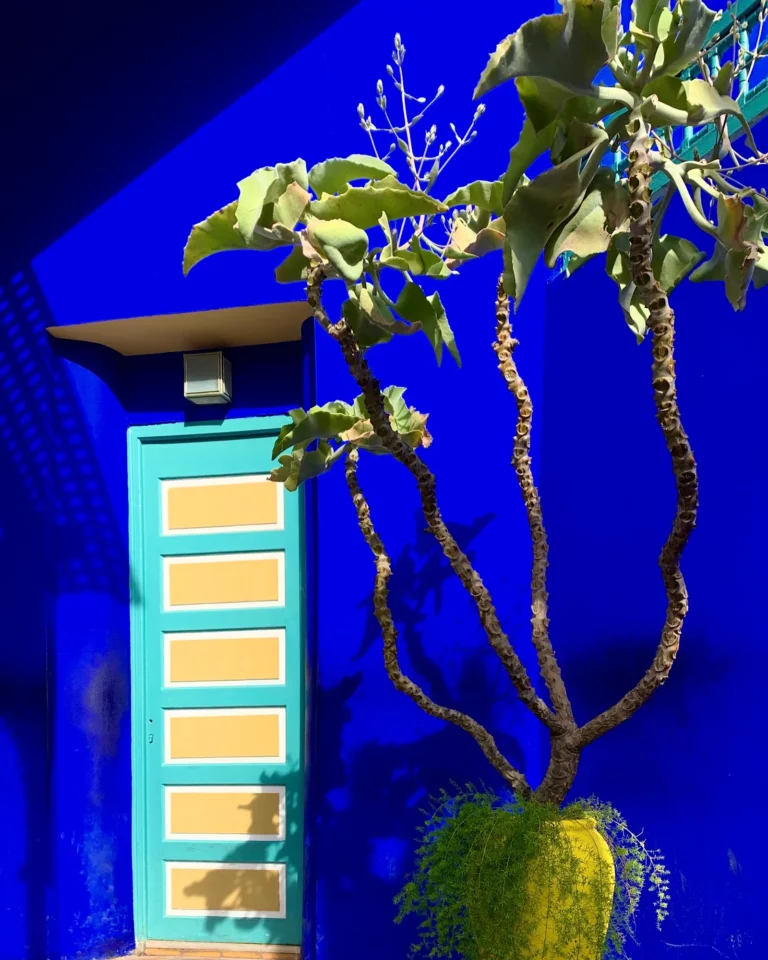
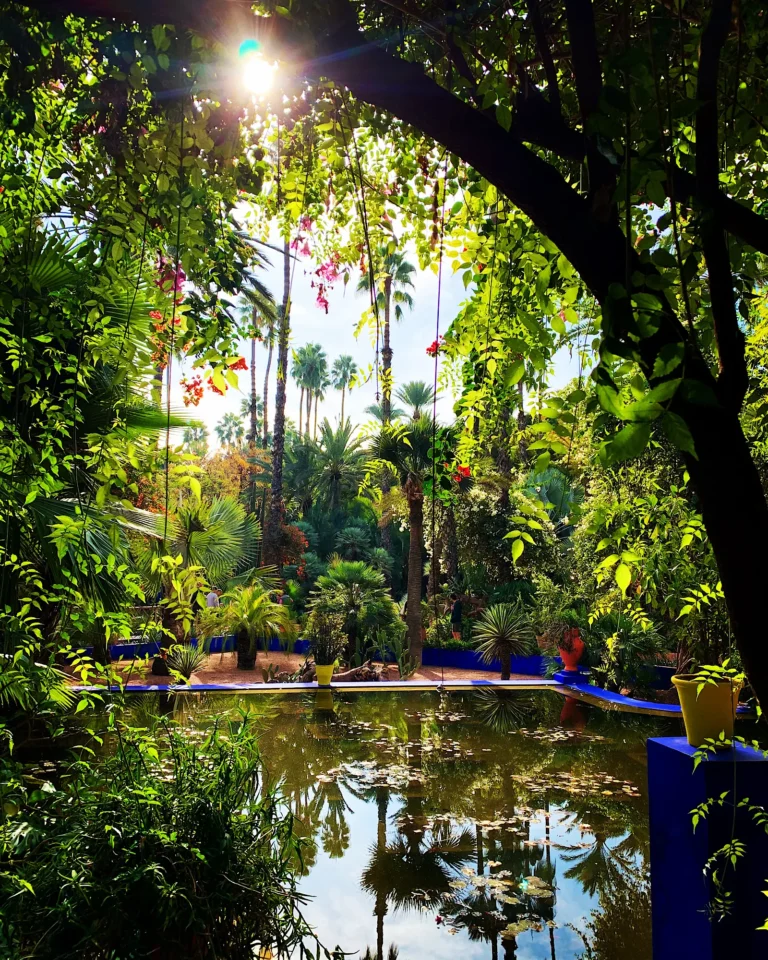
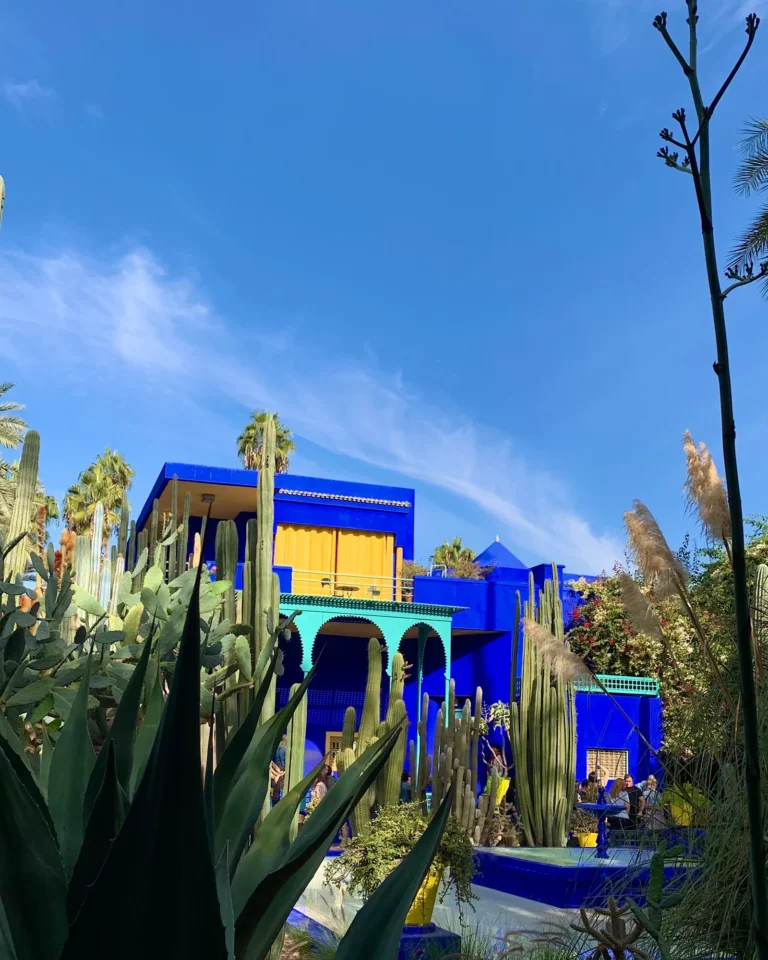
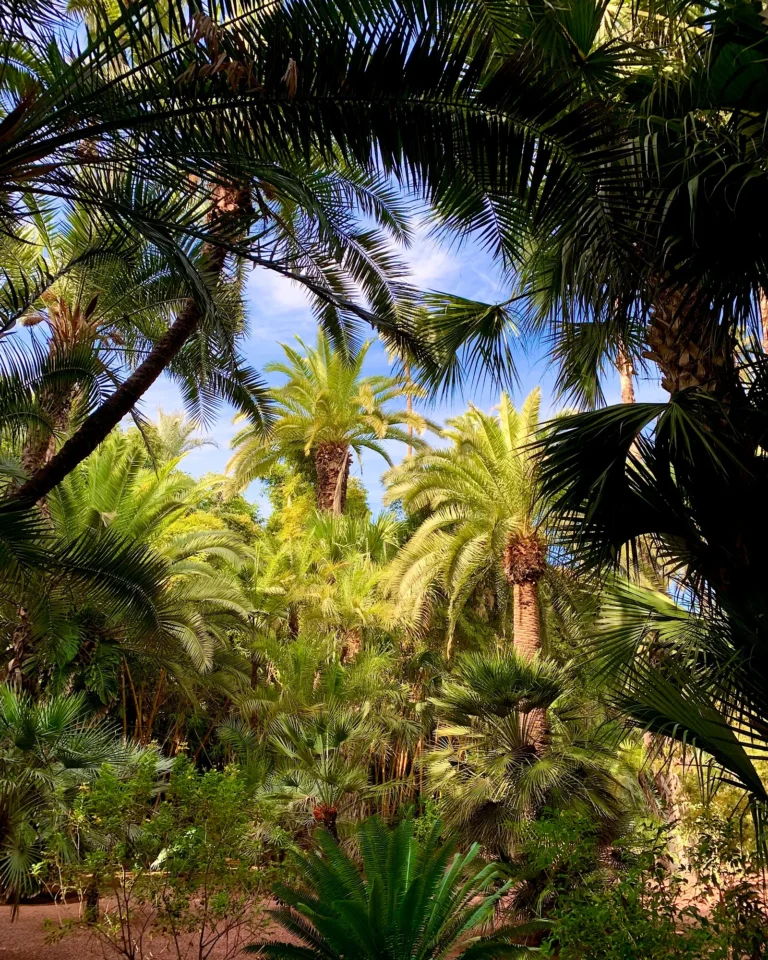
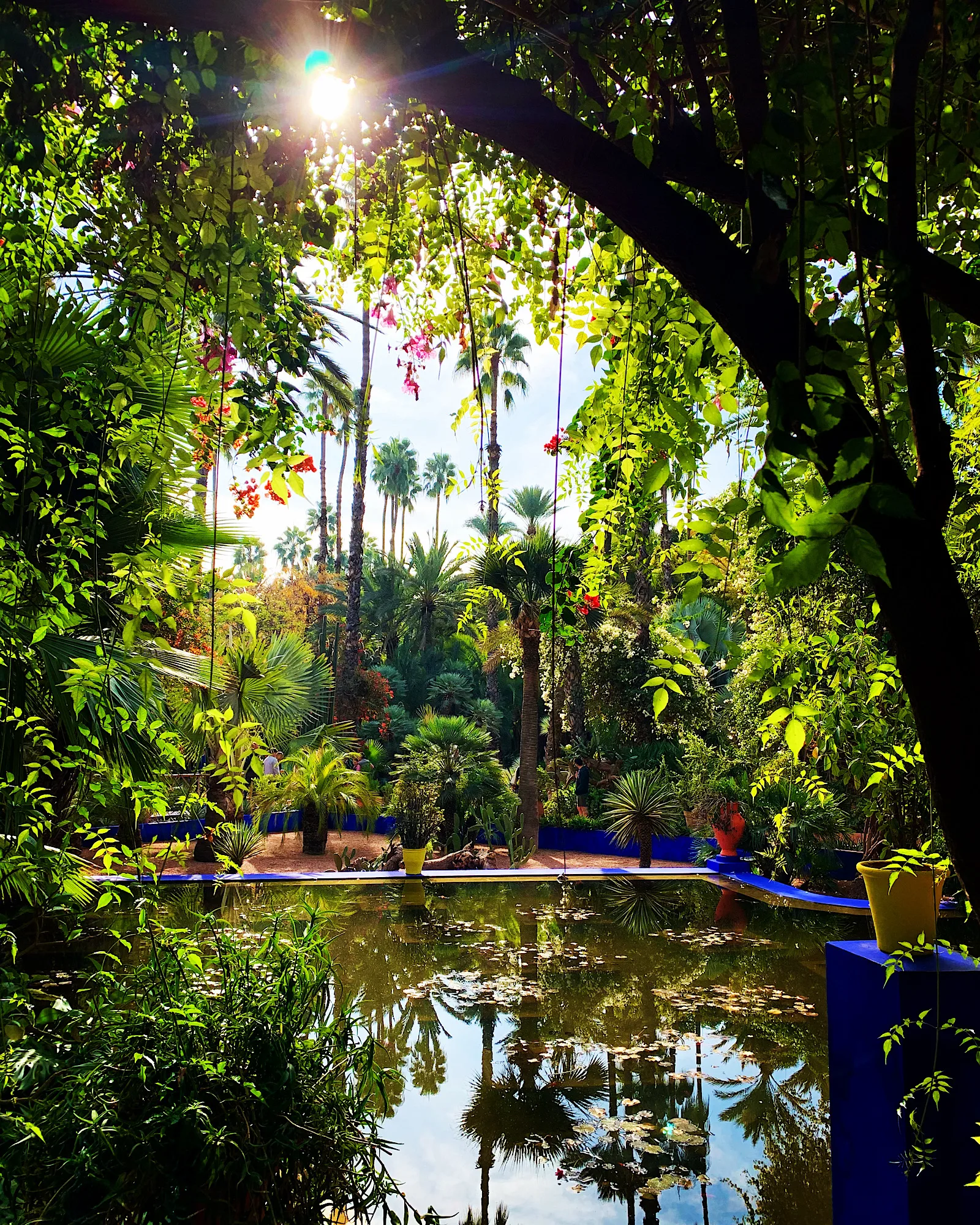
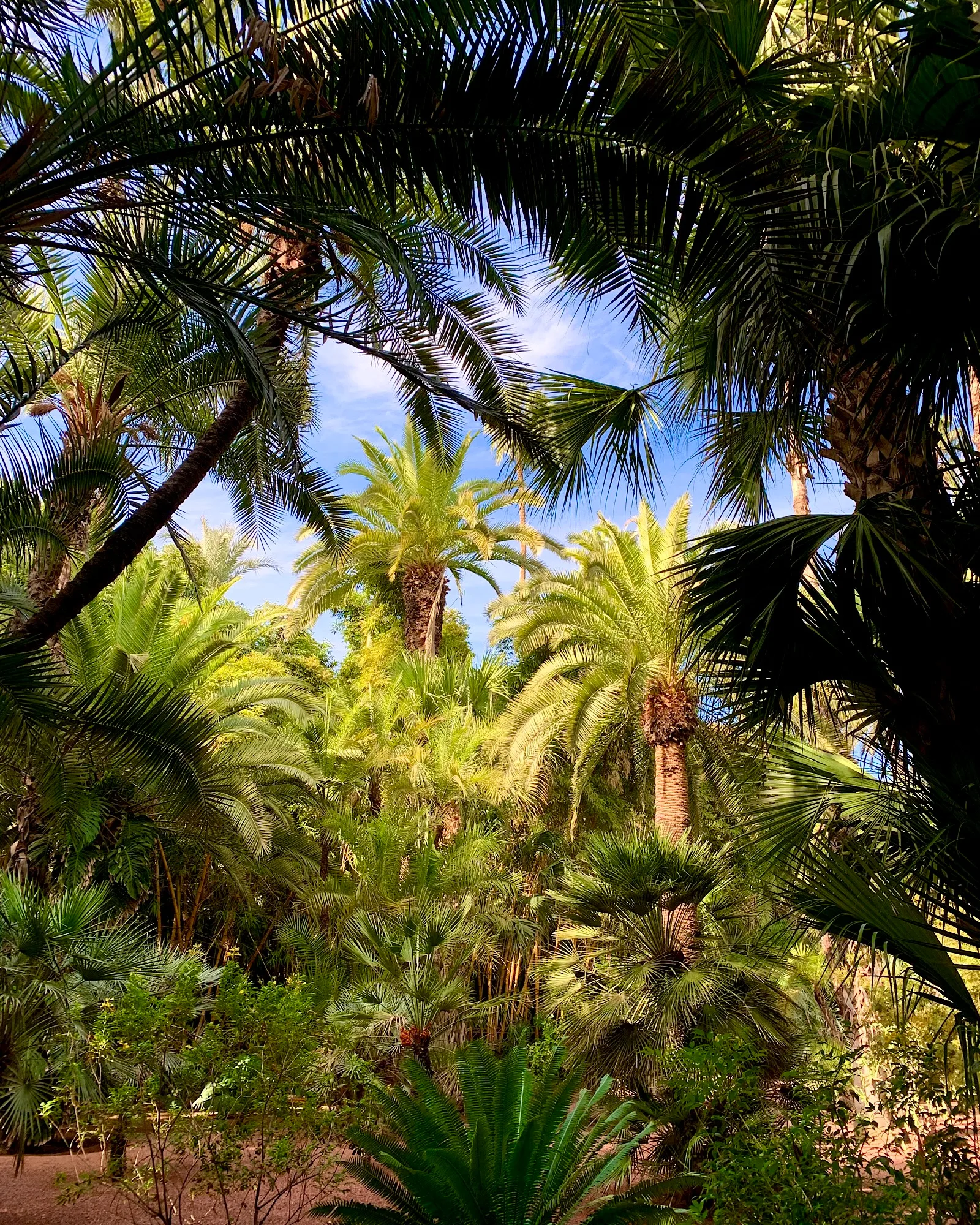
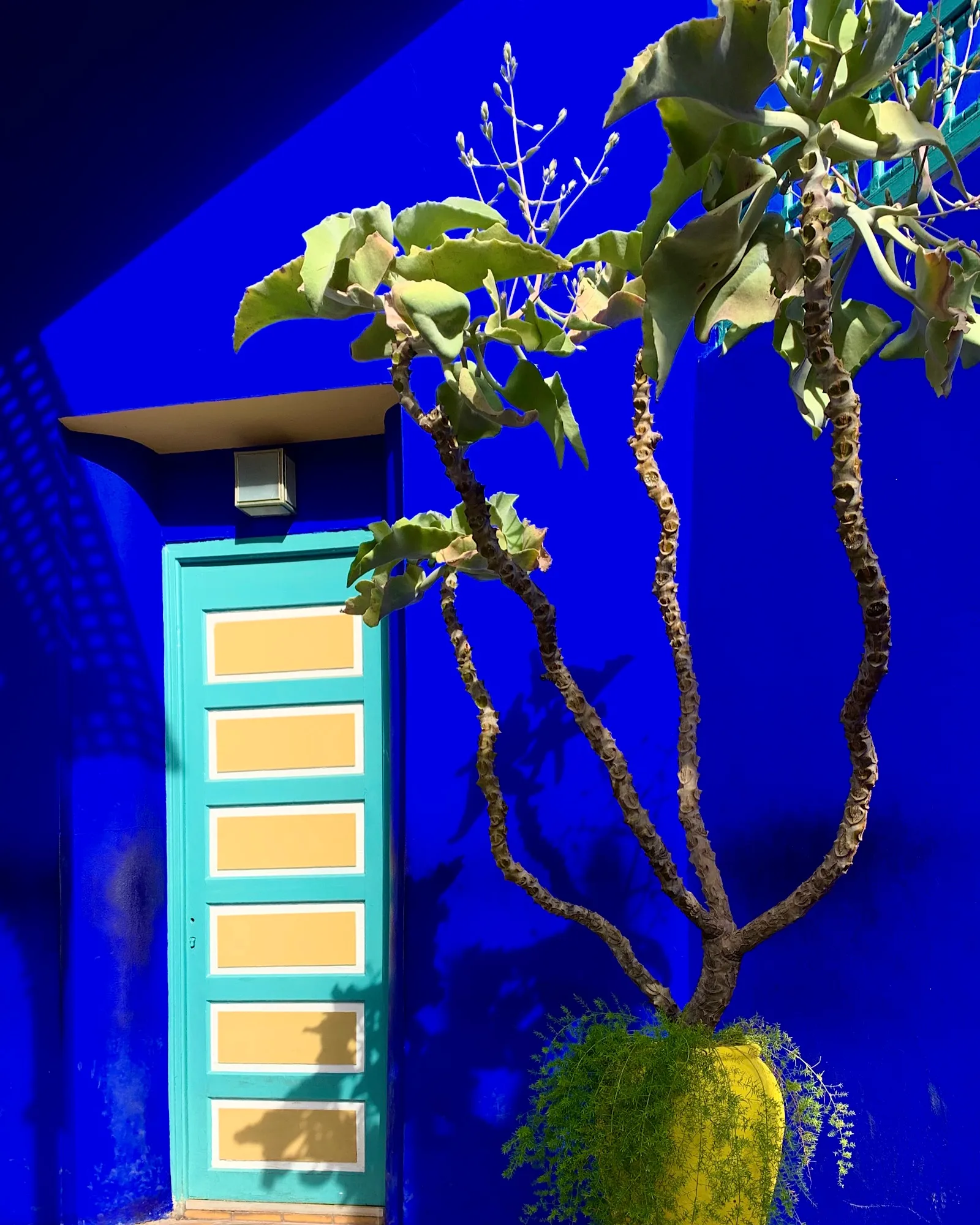
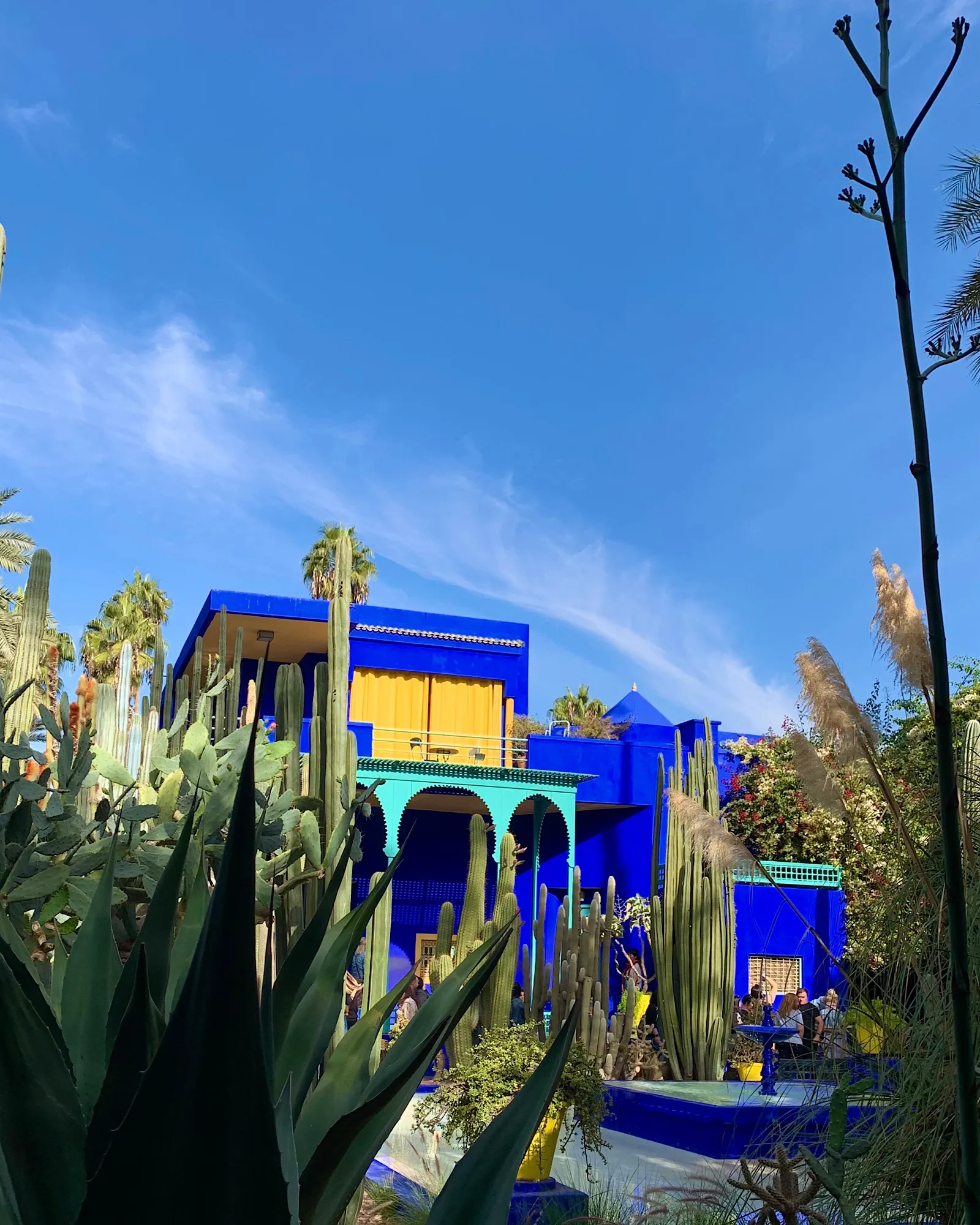
  • Jardin Majorelle: The Jardin Majorelle, with its iconic cobalt blue and yellow architecture, is an absolute photo highlight. The palm trees and water reflections are beautiful, but it is often very crowded.
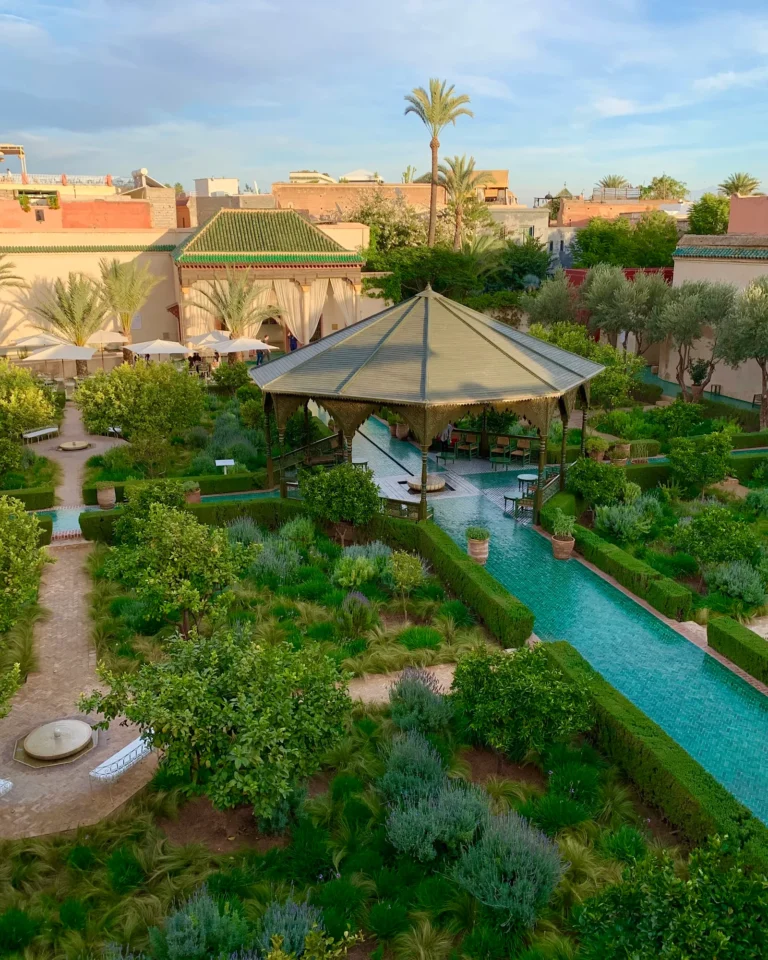
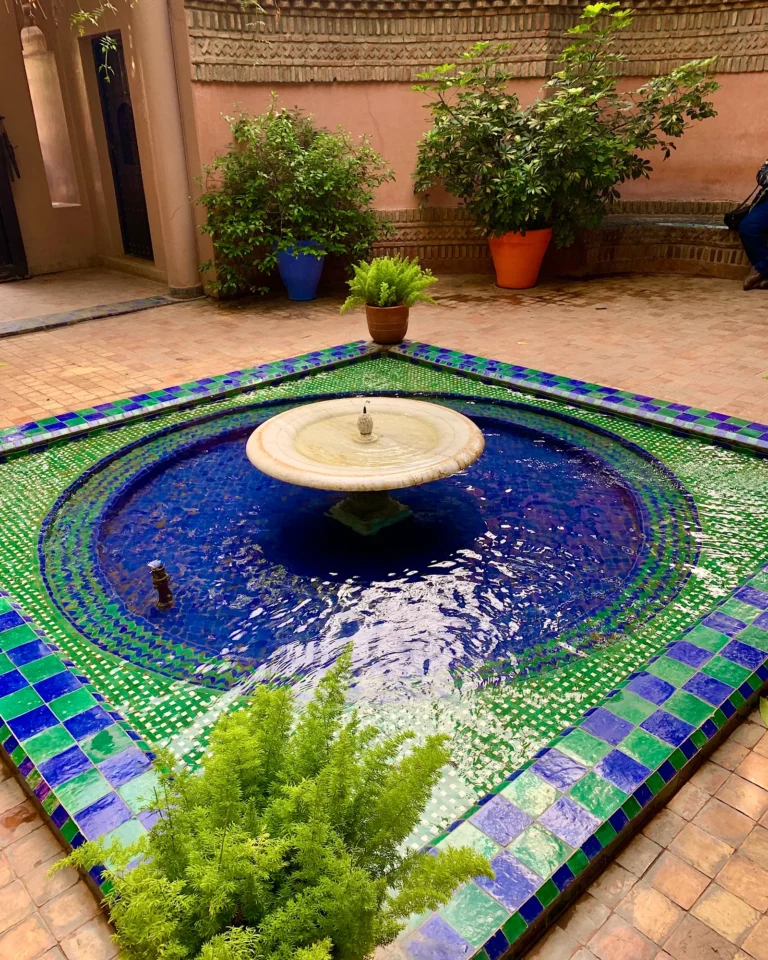
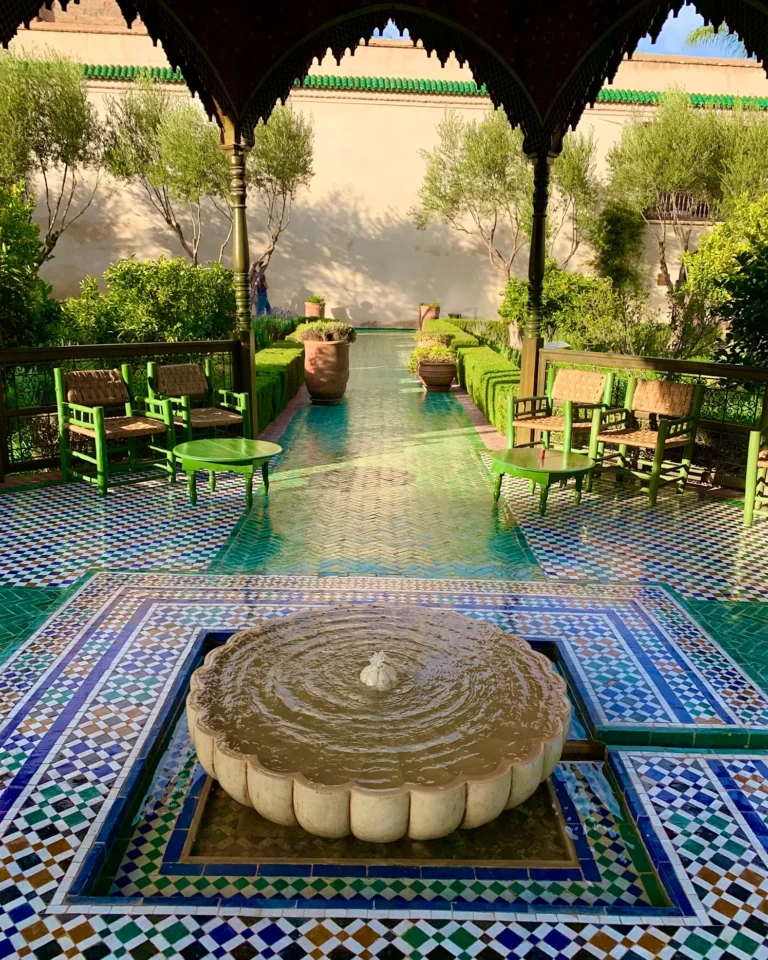
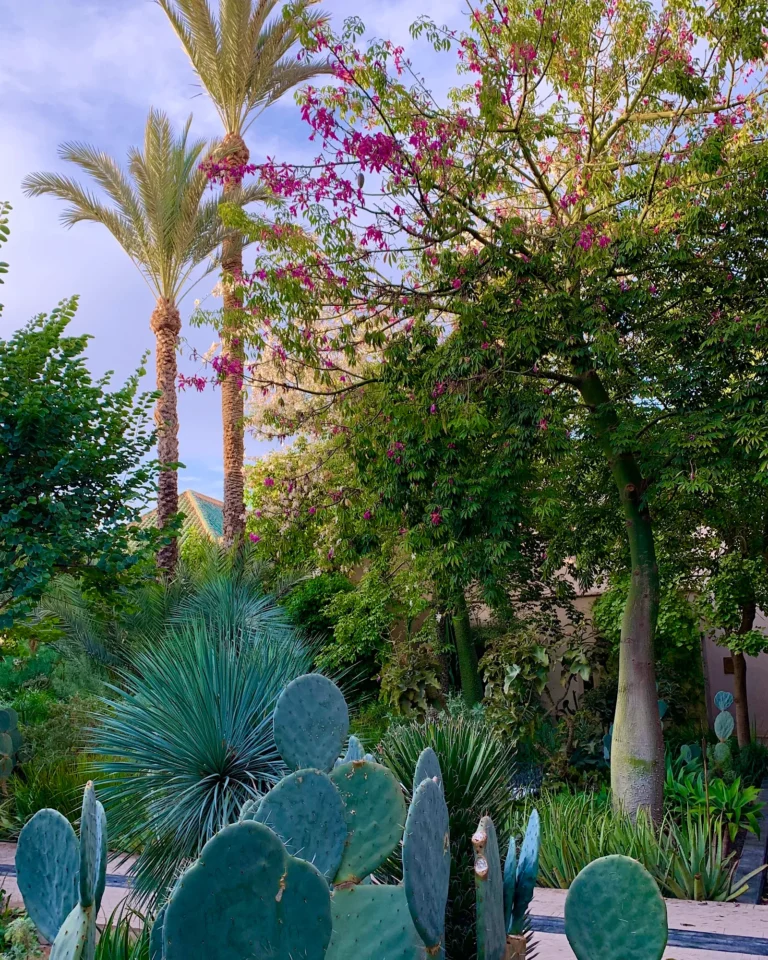
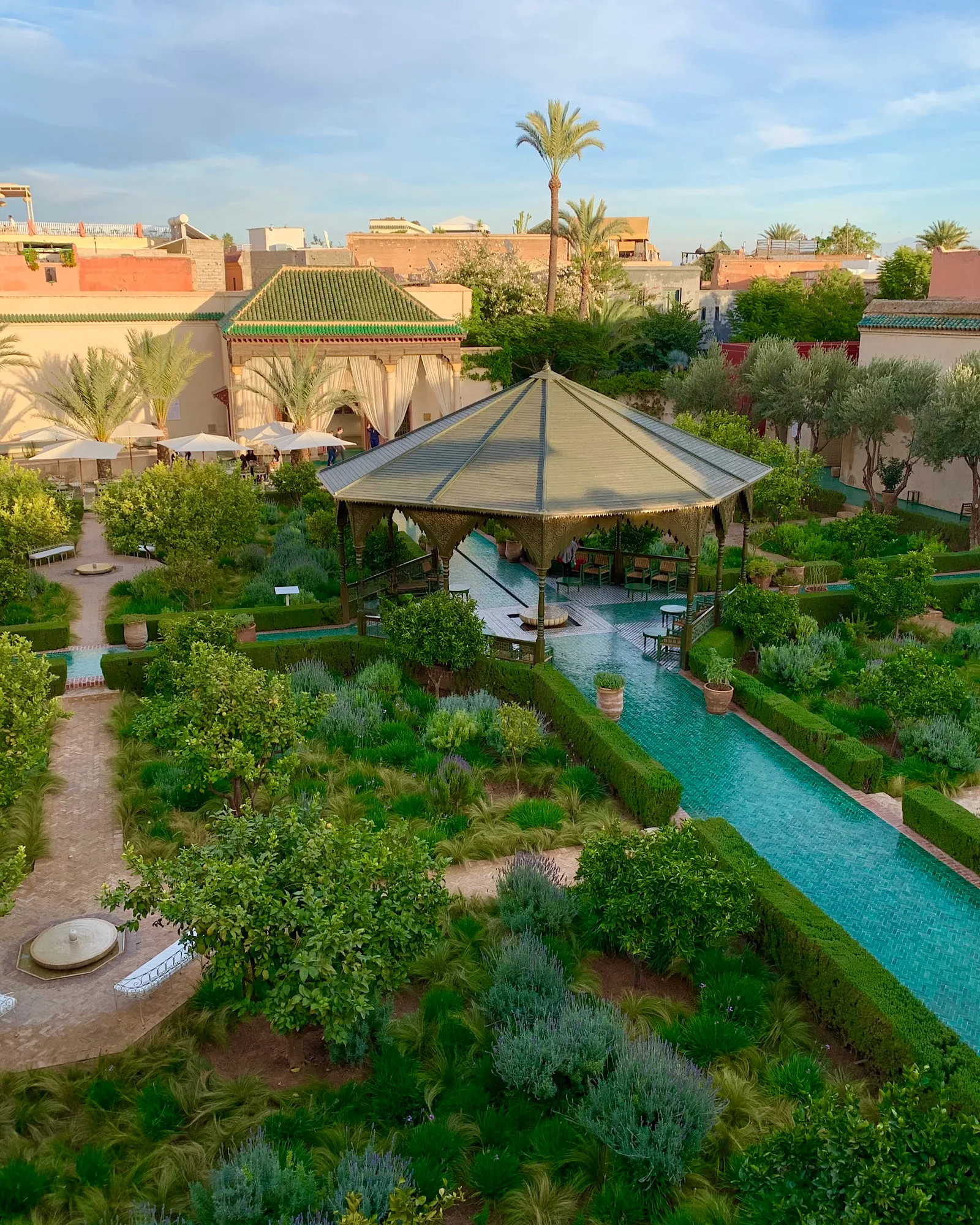
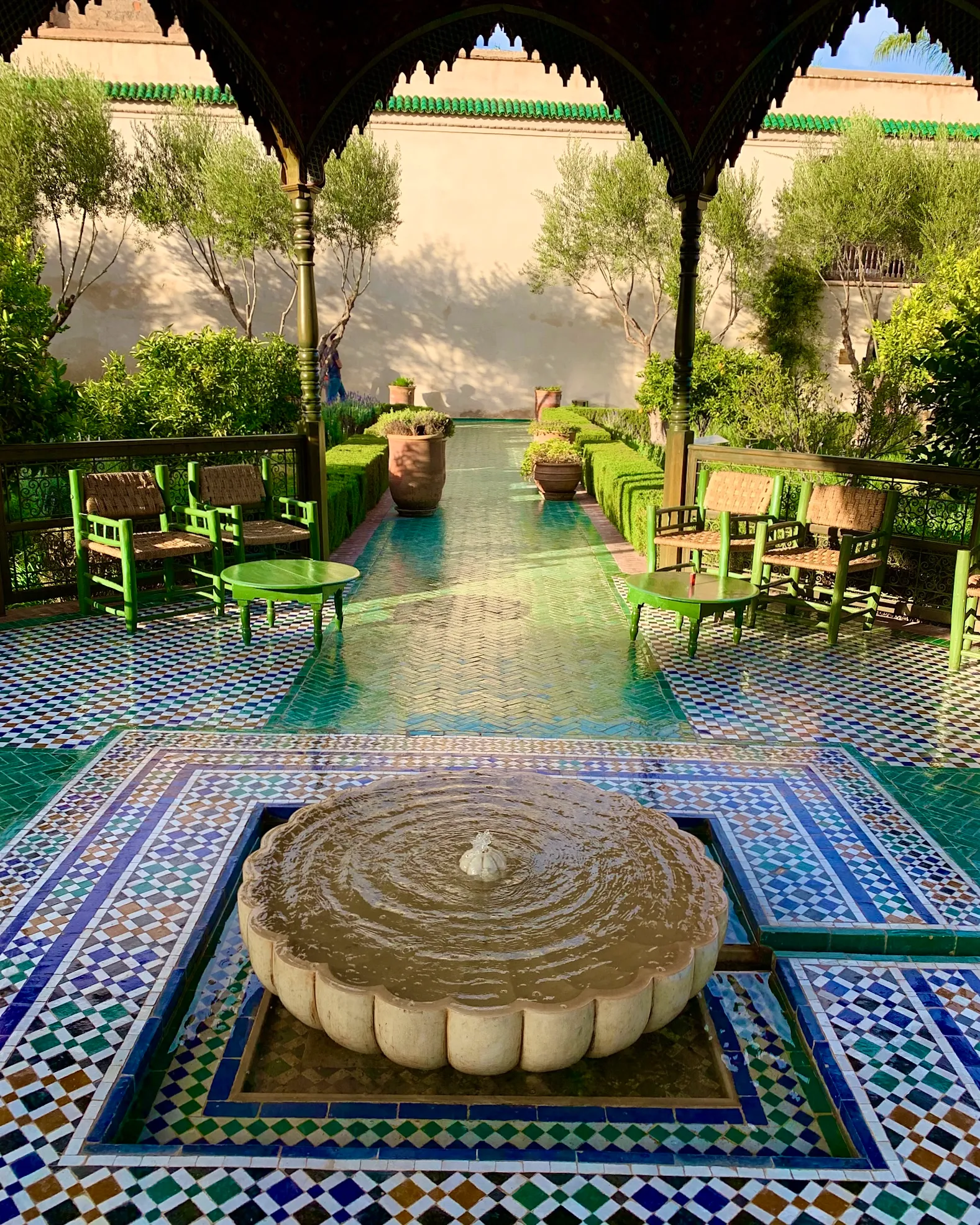
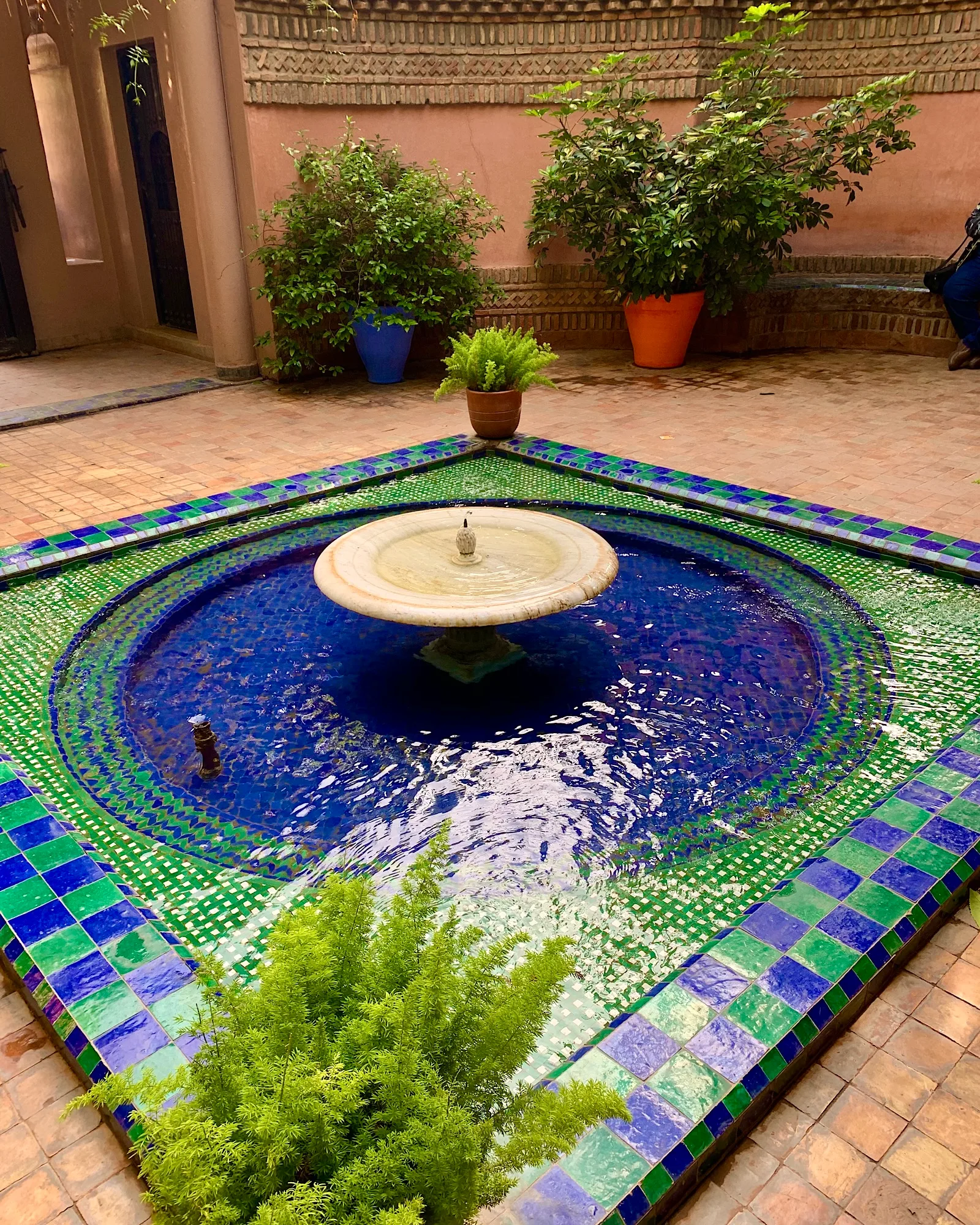
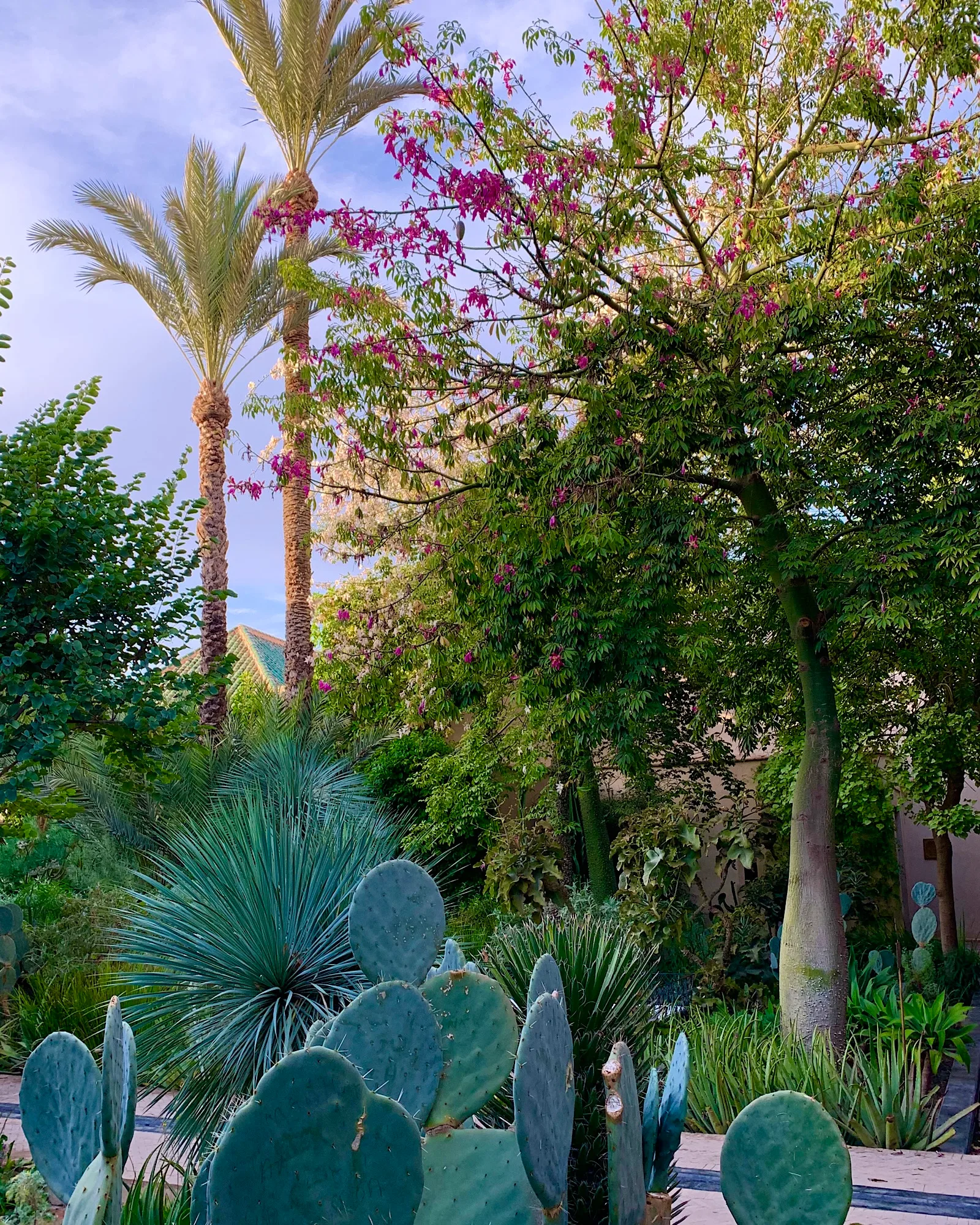
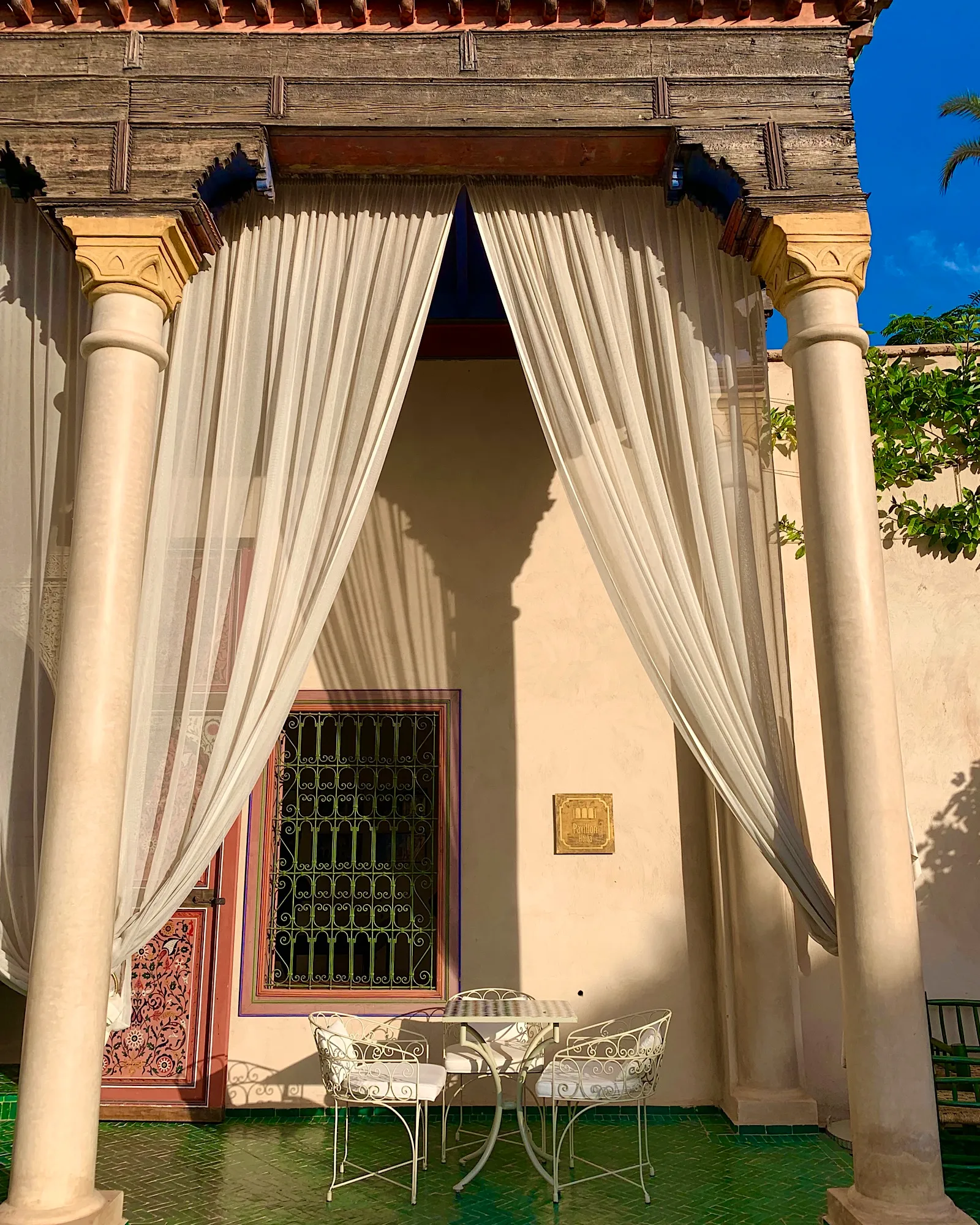
  • Le Jardin Secret: A hidden gem in the middle of the Medina. This garden is often less crowded. The detailed mosaic art and botanical diversity in this “secret garden” offer incredible peace amidst the hustle and bustle.
Tips and Tricks for Marrakech:
  • Animal Performers: Watch out for animal handlers on Jemaa el-Fna! In our opinion, this is the most important tip for the square: don’t let them talk you into anything! Often, people will approach you very quickly and place snakes or monkeys around your neck or on your shoulder for a photo without being asked. Once the animal is on you, they aggressively demand large sums of money. In this case, say “No” politely but very firmly and keep walking immediately. Avoid long eye contact with these vendors.
  • Finding your way in the Medina: The alleys are a labyrinth. Download an offline map (e.g., Google Maps). If someone “helpfully” offers to show you the way, they almost always expect a tip at the end. If you really need help, it’s better to ask a shopkeeper or a woman with children.
  • Negotiating: In the souks, the first price is never the final price. Haggling is a game and part of the culture. Start at about 30–50% of the quoted price and meet in the middle. But: only negotiate if you actually intend to buy.
  • Drinking water: Never drink tap water. Only use sealed bottled water (also recommended for brushing your teeth).
  • Pickpockets: In crowds (especially on Jemaa el-Fna), you should wear your backpack in front or keep your valuables close to your body.
  • Food: Street food in the evening on the square is an experience, but look for places where many locals are eating – that’s where the turnover is high and the food is usually fresh.

Useful Links and Resources:

Day 9–11: Agadir, Paradise Valley, and the Dunes of Tamri

To conclude our trip, we headed south. While Agadir provides the perfect base for relaxing on the „La Côte d’Or,“ we were especially impressed by the excursions in the surrounding area: Paradise Valley and the Dunes of Tamri.

Agadir – Sun, Beach, and the White City by the Atlantic

While places like Marrakech are known for their historical chaos, Agadir is the modern, relaxed face of Morocco. After the severe earthquake of 1960, the city was almost completely rebuilt and now presents itself with wide boulevards, a seemingly endless beach promenade, and excellent tourist infrastructure.

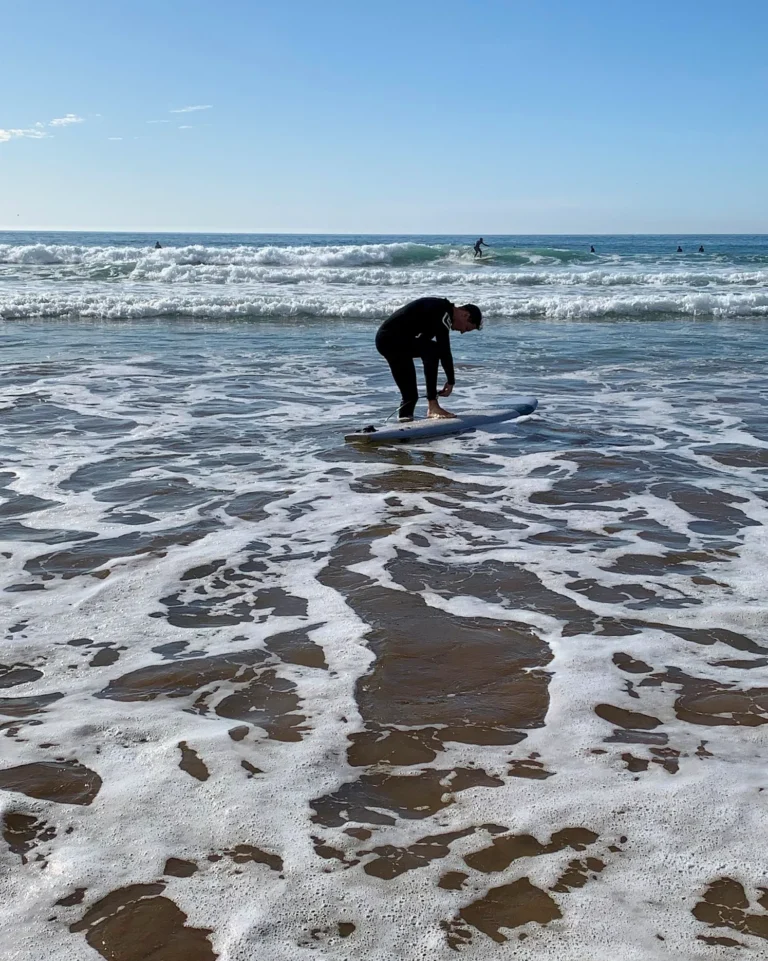
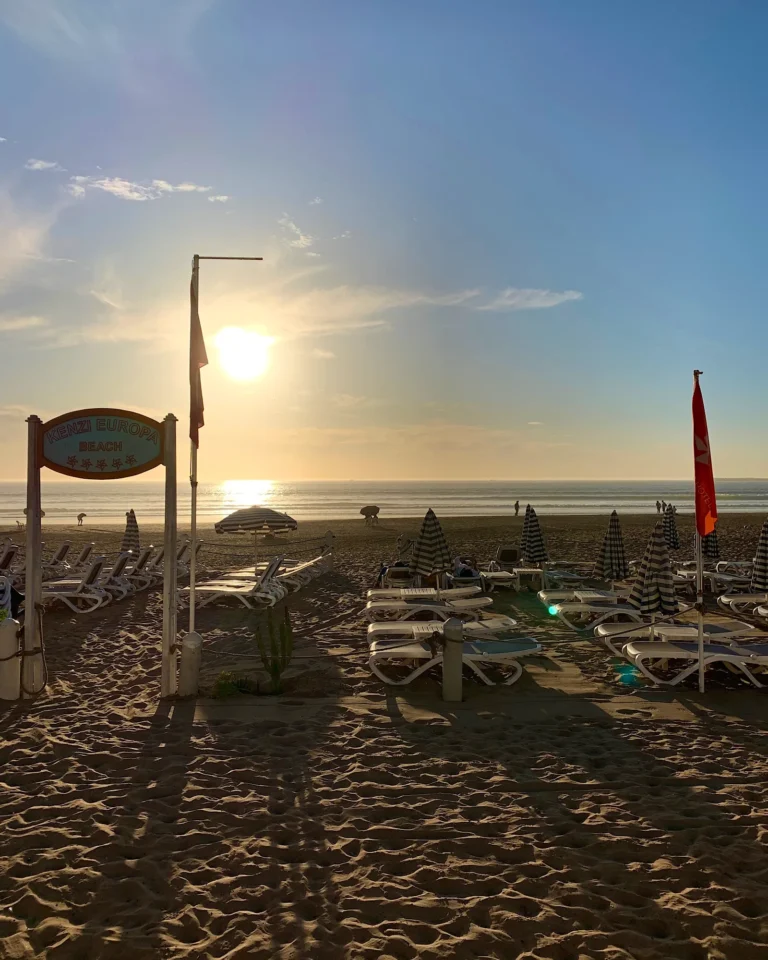
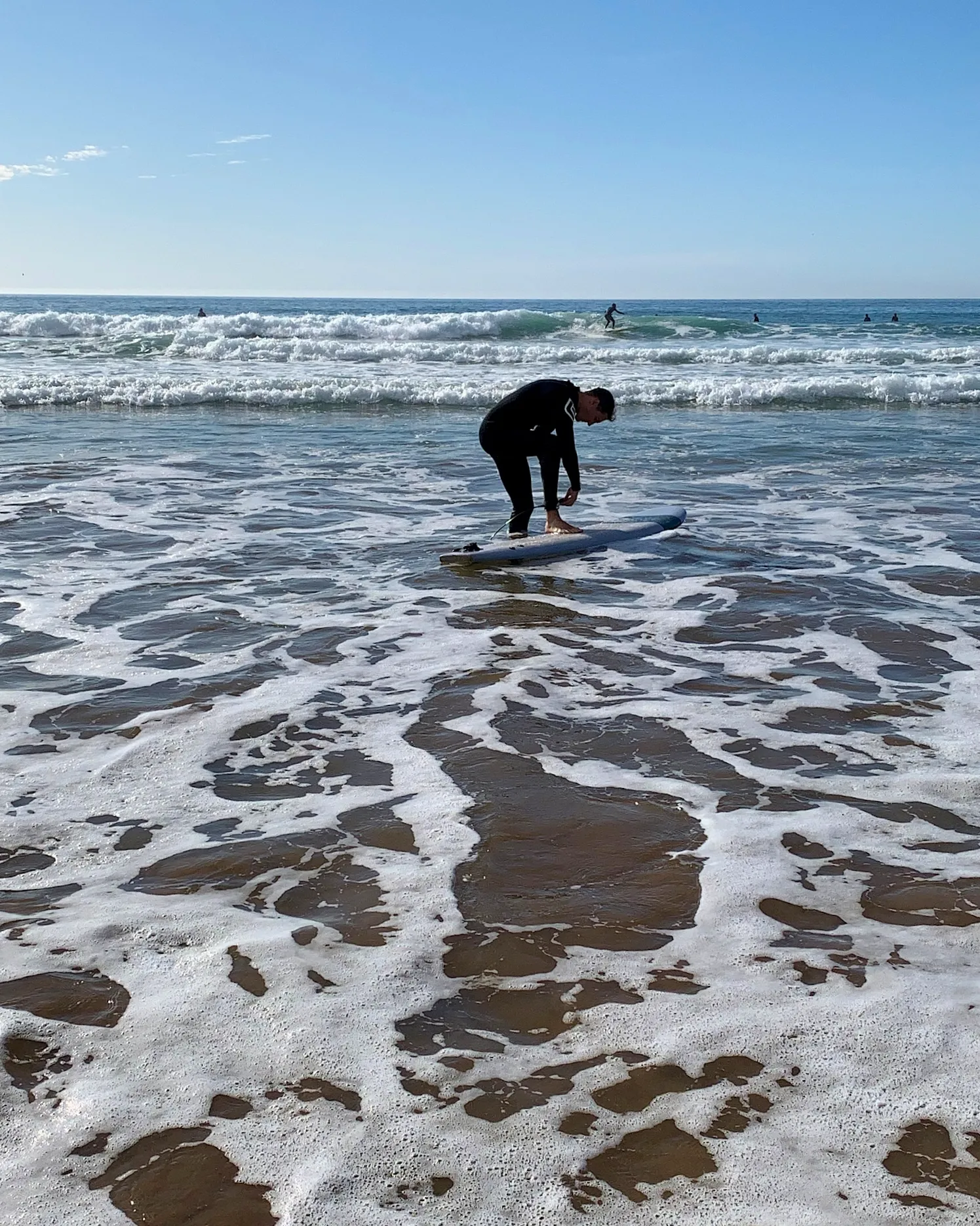
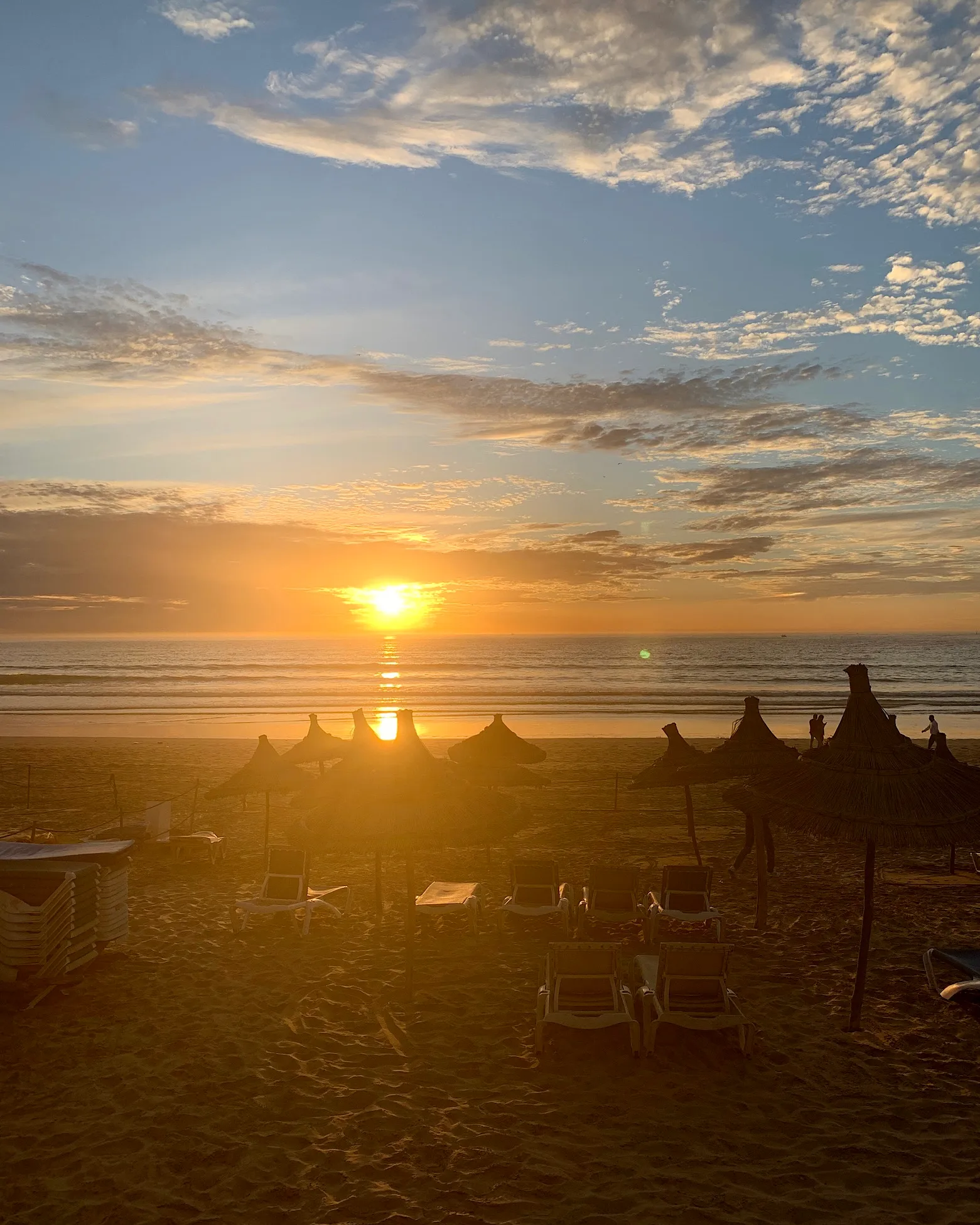
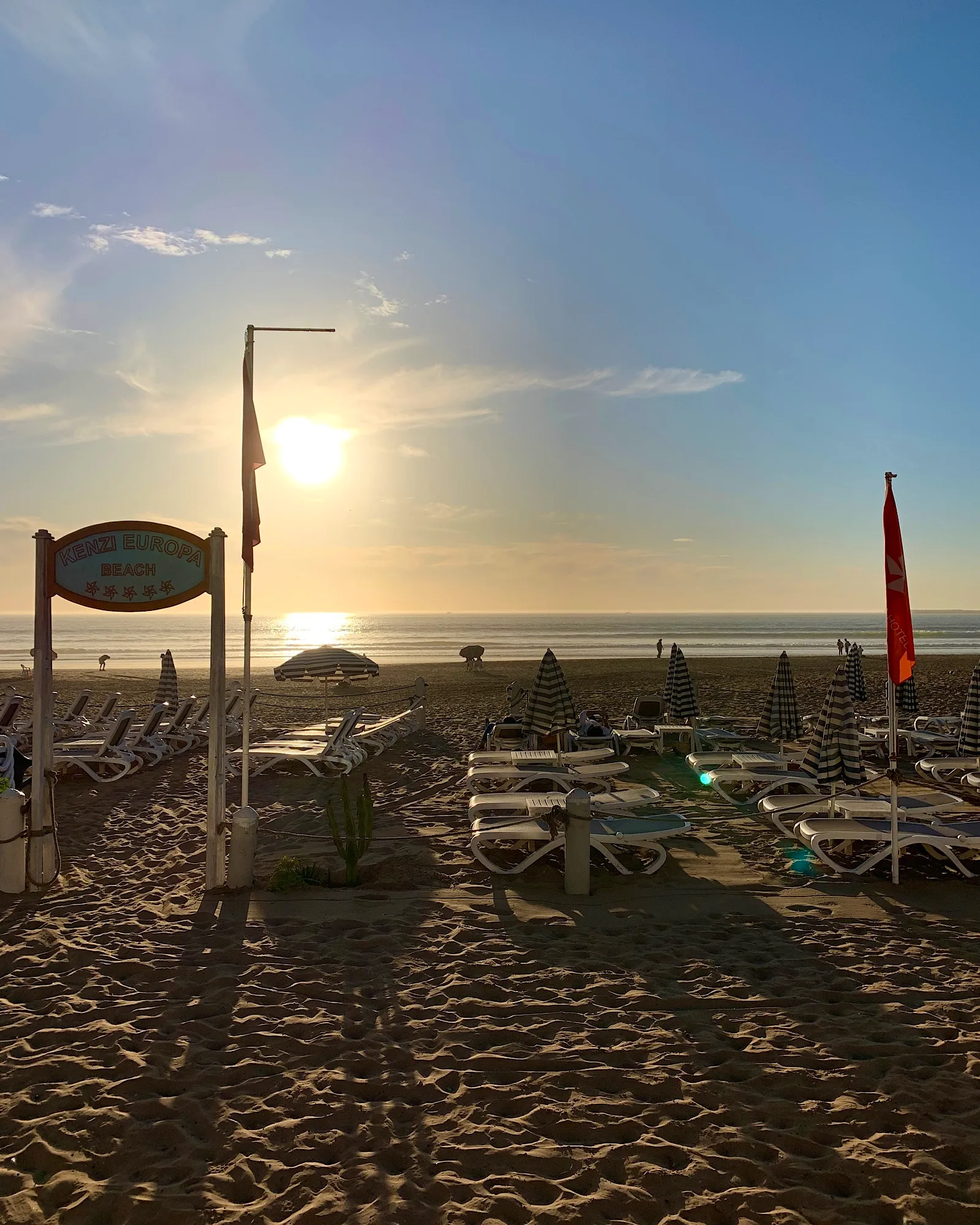
  • La Côte d’Or: Agadir’s golden beach stretches over nine kilometers along the Atlantic and is the heart of the city. It’s the perfect place to unwind, relax in one of the many beach clubs, or try out water sports.
  • View from the Kasbah: For the best panorama, you must head up to the old fortress (Agadir Oufella). Recently, a modern cable car started running directly from the harbor up to the ruins.
  • Souk El Had: The largest market in the region. It is more structured than in Marrakech and perfect for buying high-quality argan oil directly from the region.
  • Fishing Harbor: Visit the fishing harbor for fresh fish straight from the grill – authentic and affordable.
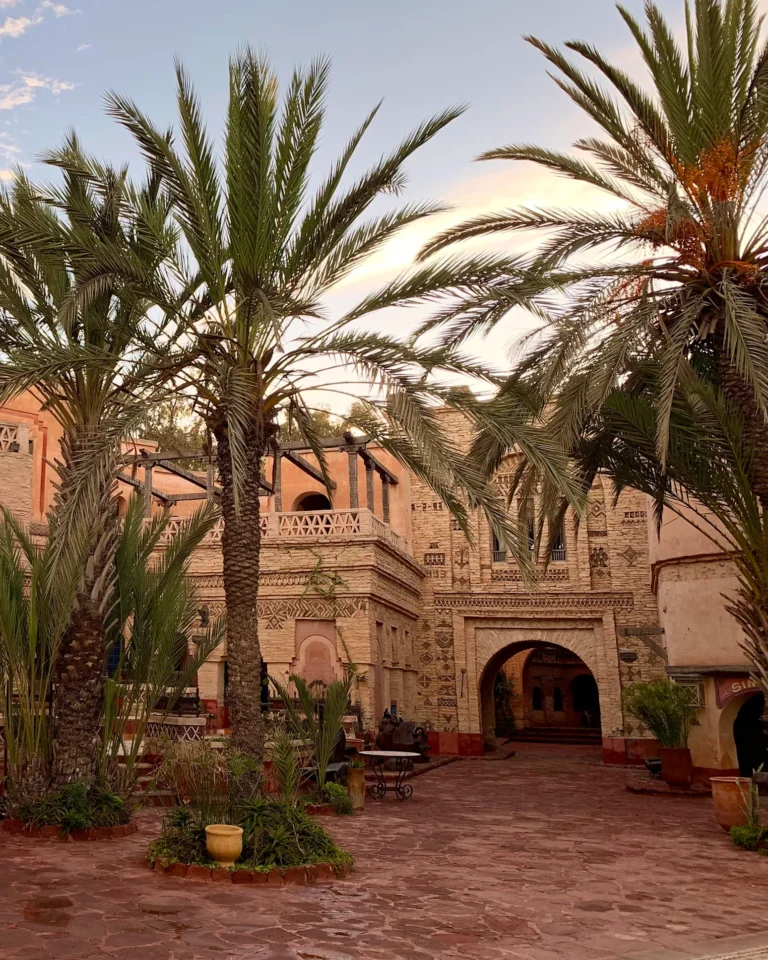
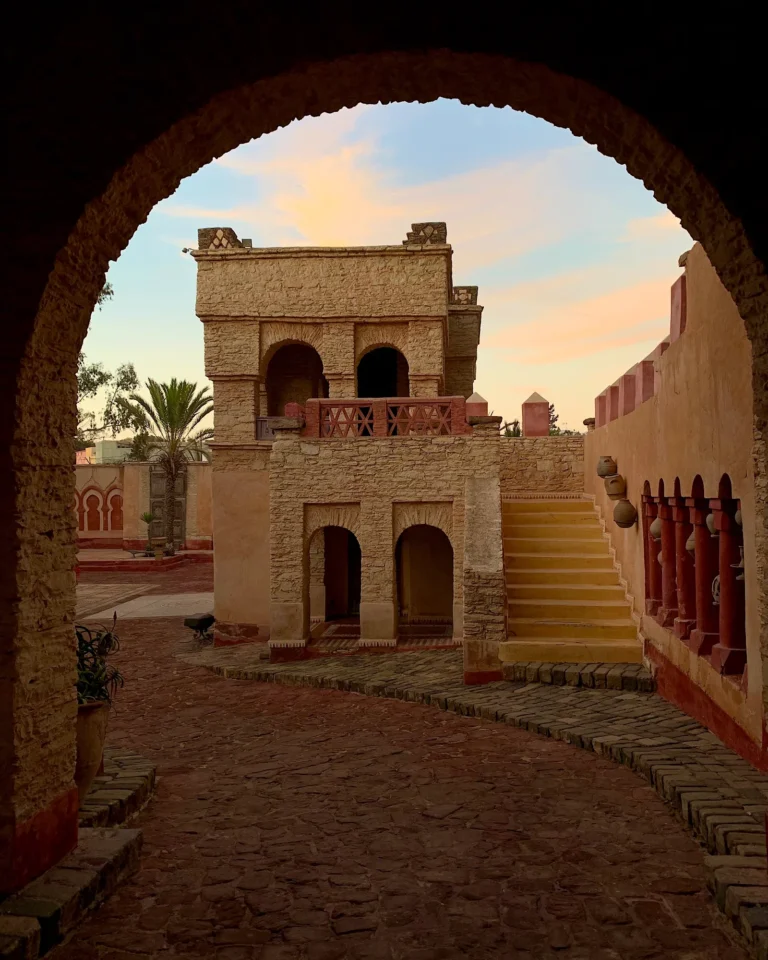
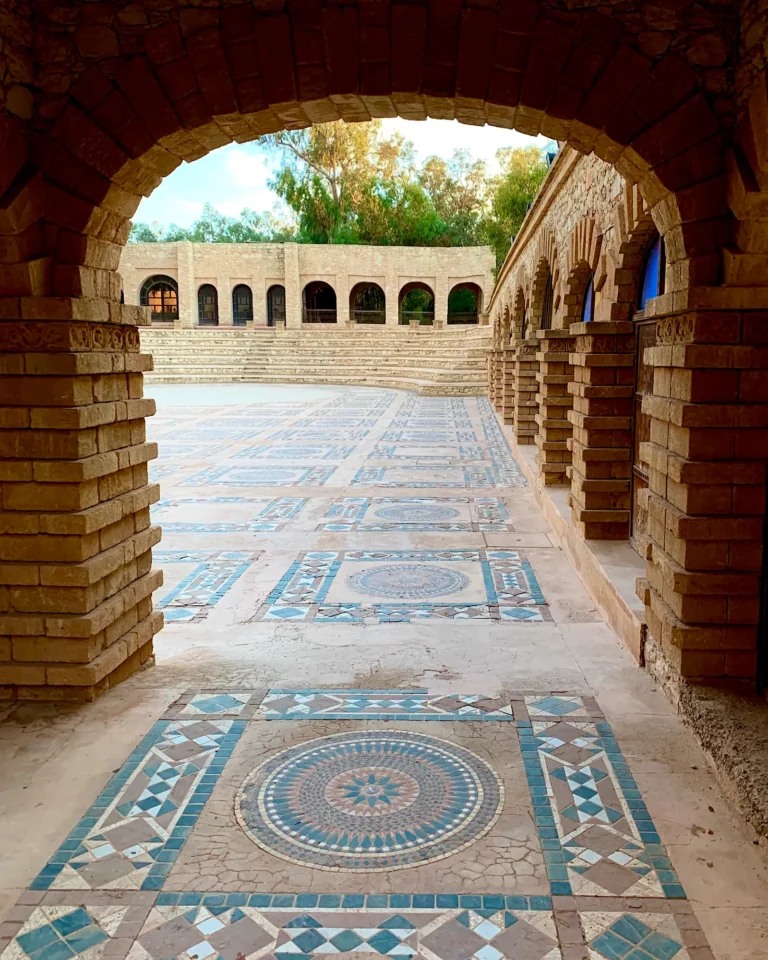
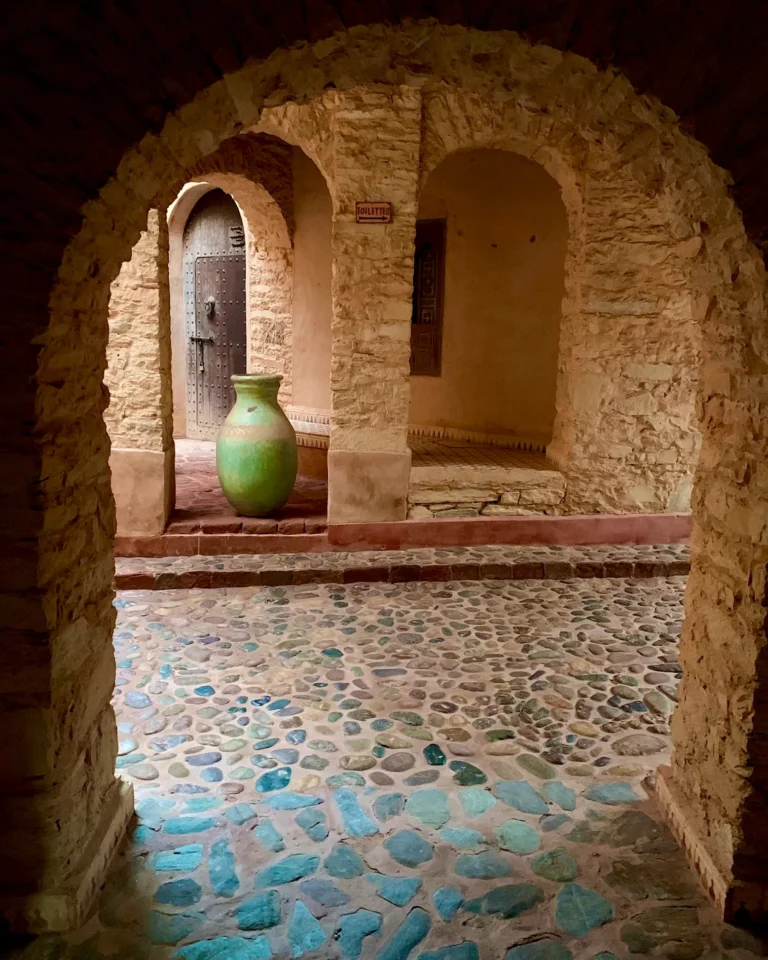
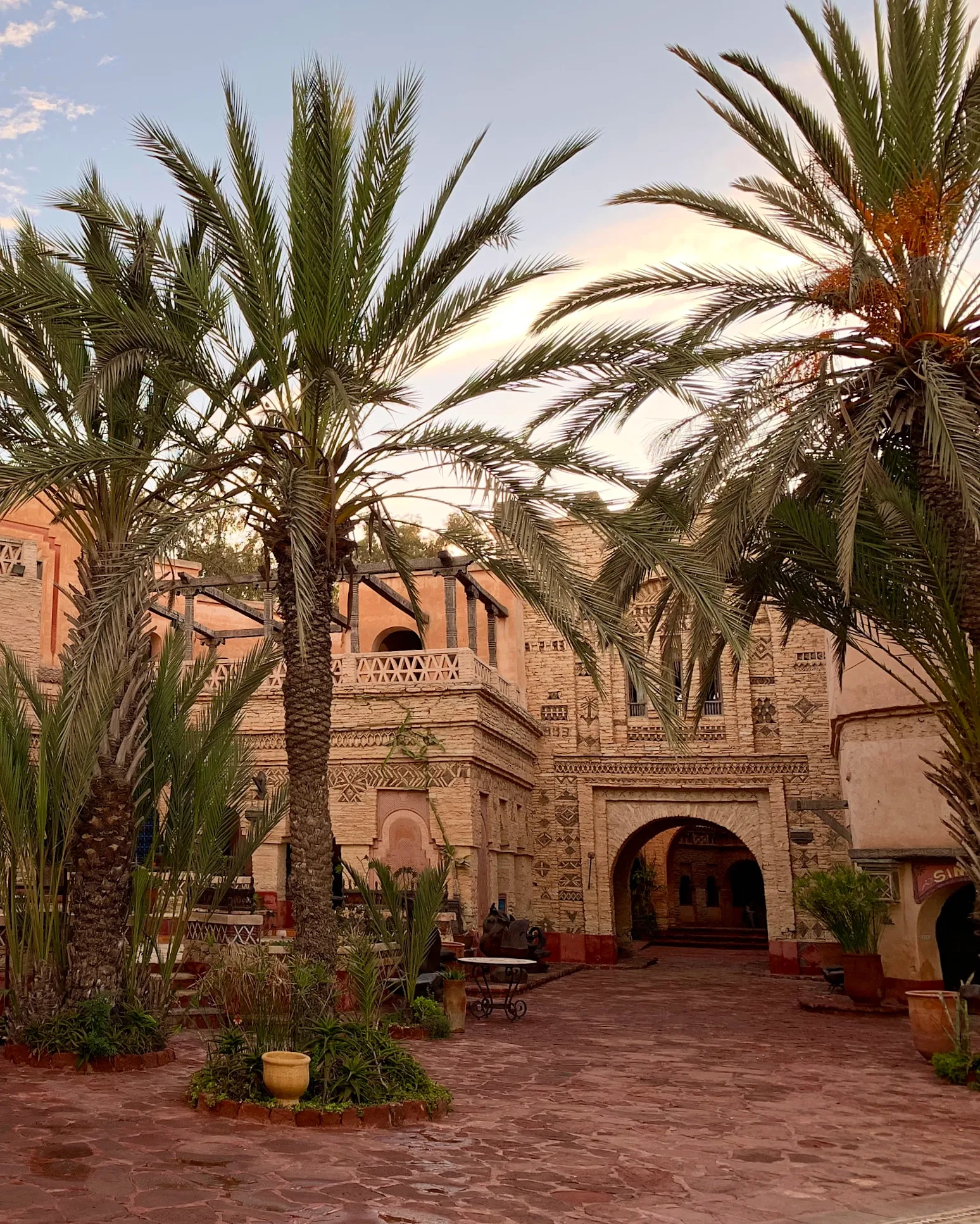
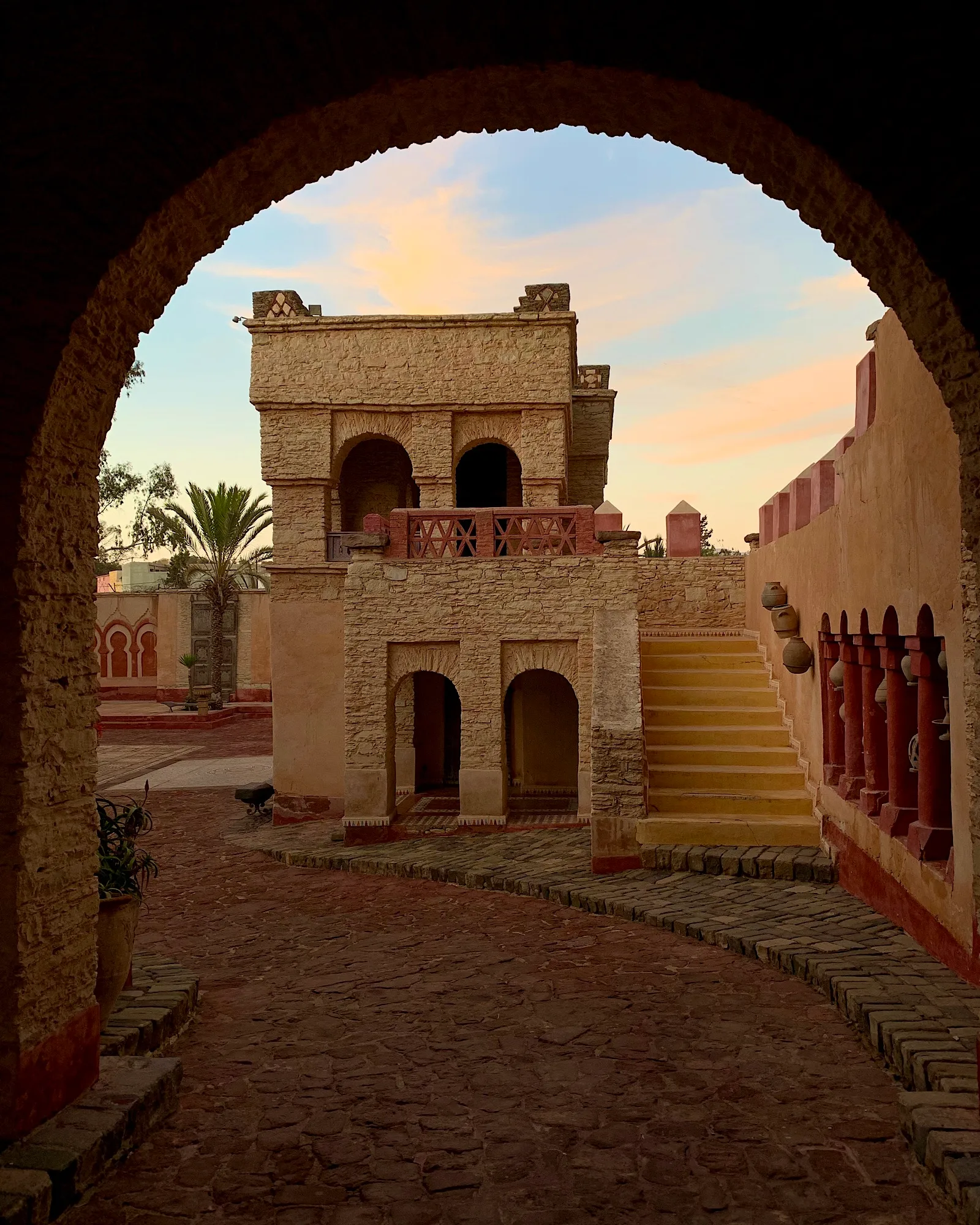
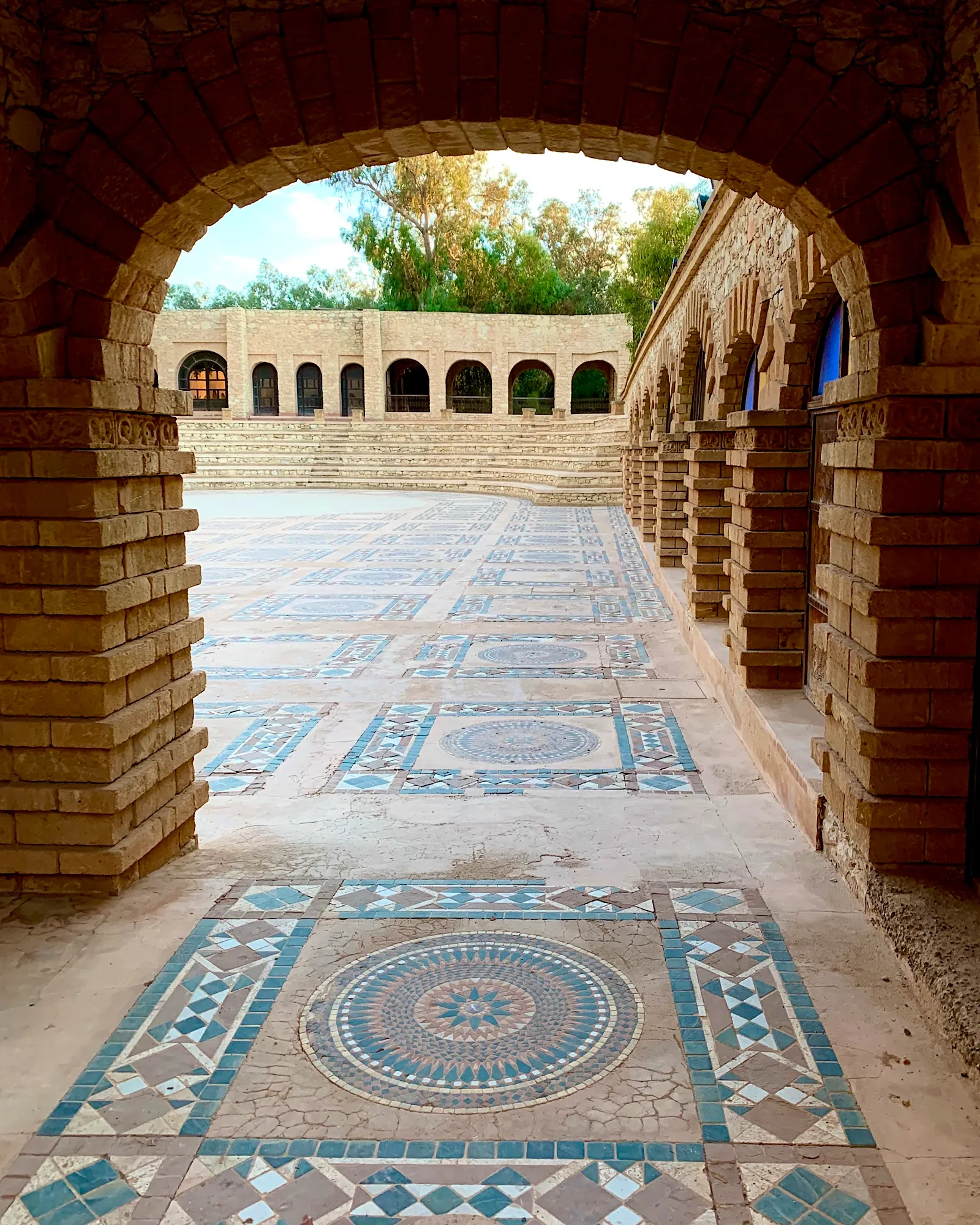
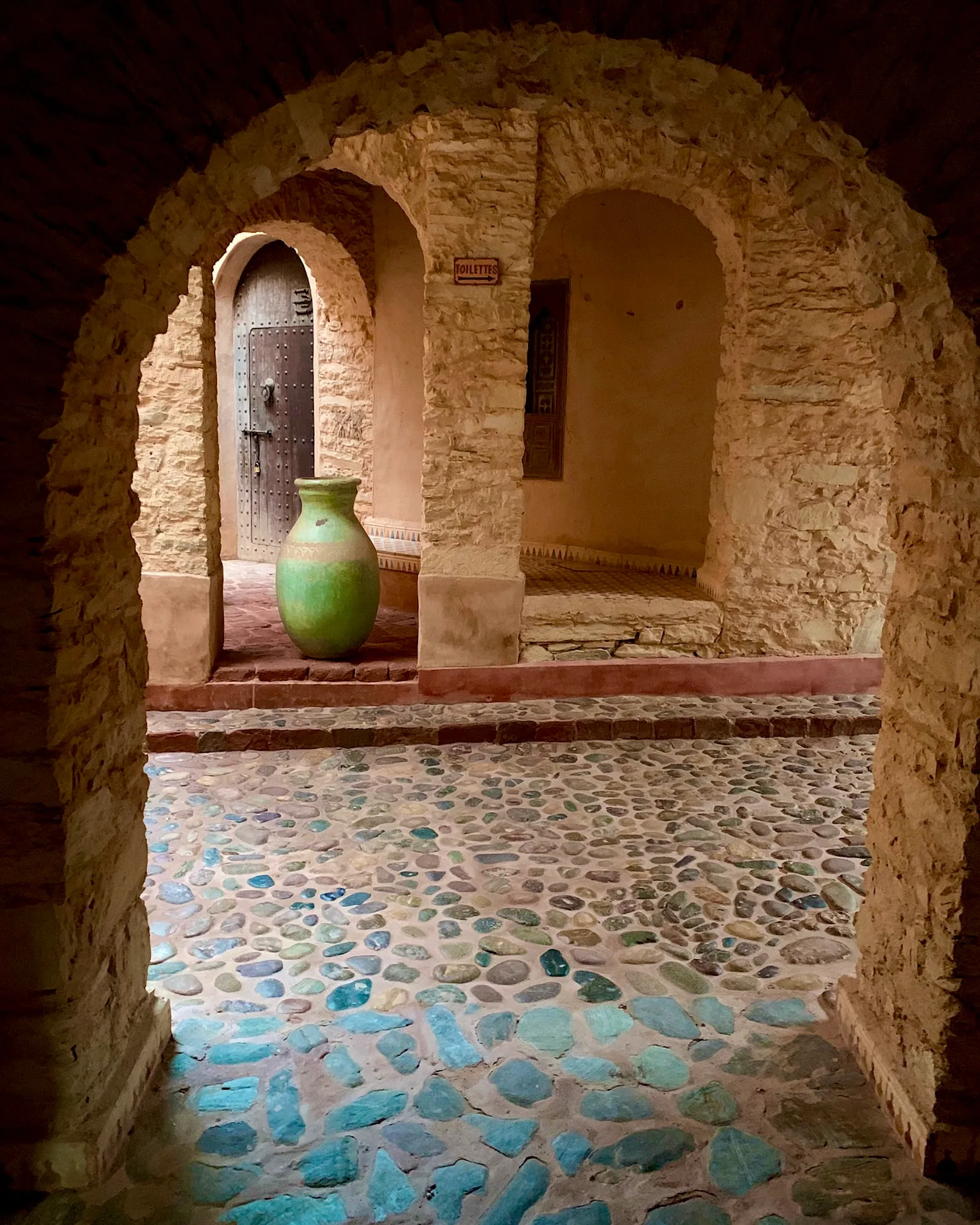
  • Medina d’Agadir (A Hidden Gem): Since the historical old town was destroyed in the 1960 earthquake, Italian architect Coco Polizzi created a new Medina in the 1990s. The complex was built using traditional materials like stone from the Atlas Mountains, clay, and wood. Walking through the winding alleys and under the decorated arches feels like a Moroccan fairy tale. It is much quieter and cleaner than the original medinas in the country. The Medina is located slightly outside the city center in the Ben Sergao district. There is a very nice café inside where you can enjoy a mint tea in peace while admiring the artistic architecture.
Paradise Valley – The Green Oasis in the back country

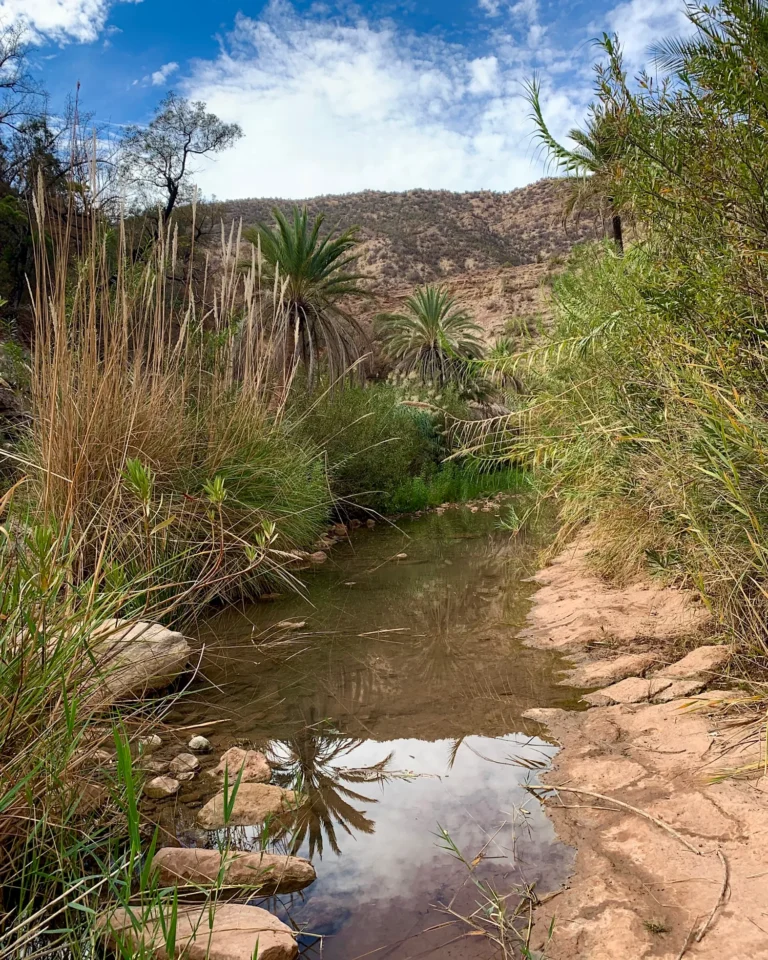
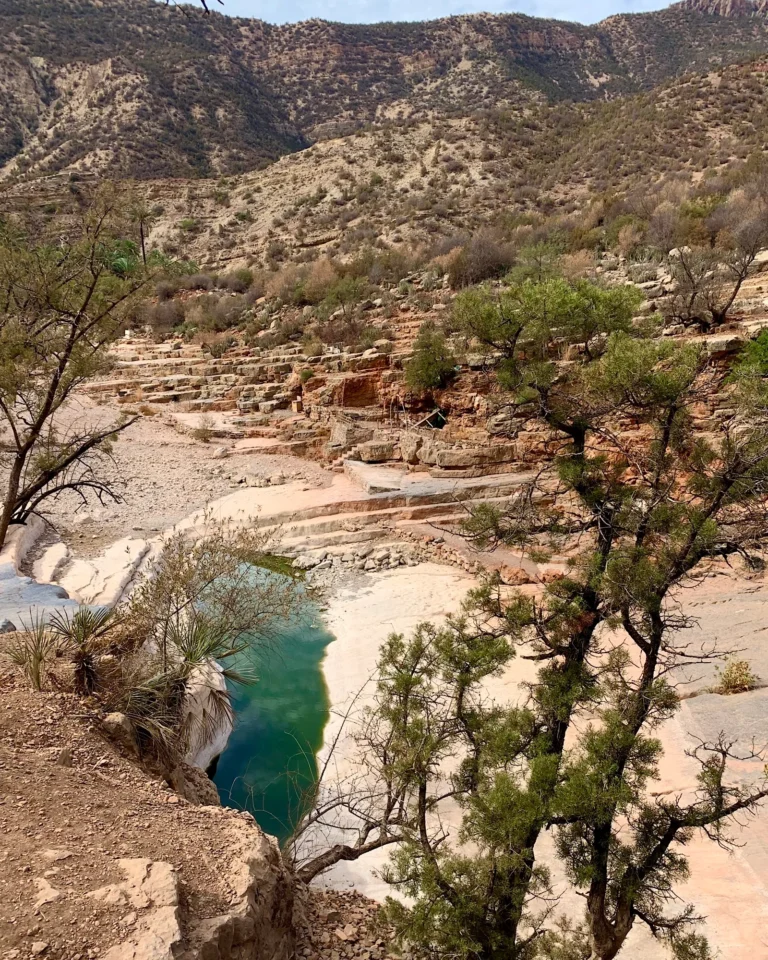
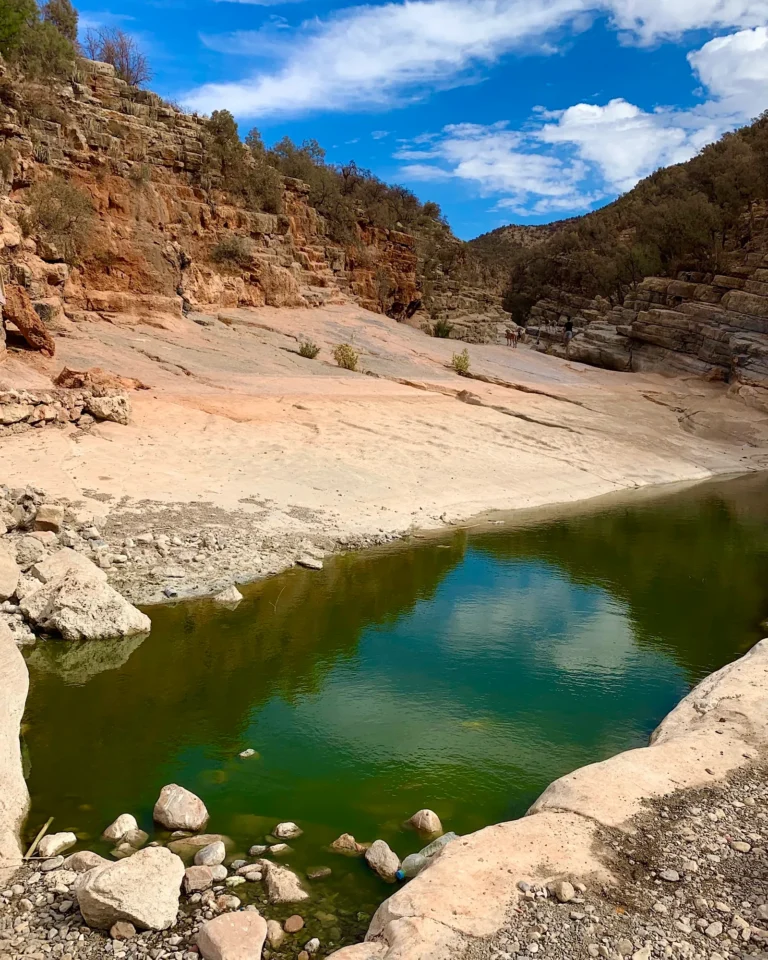
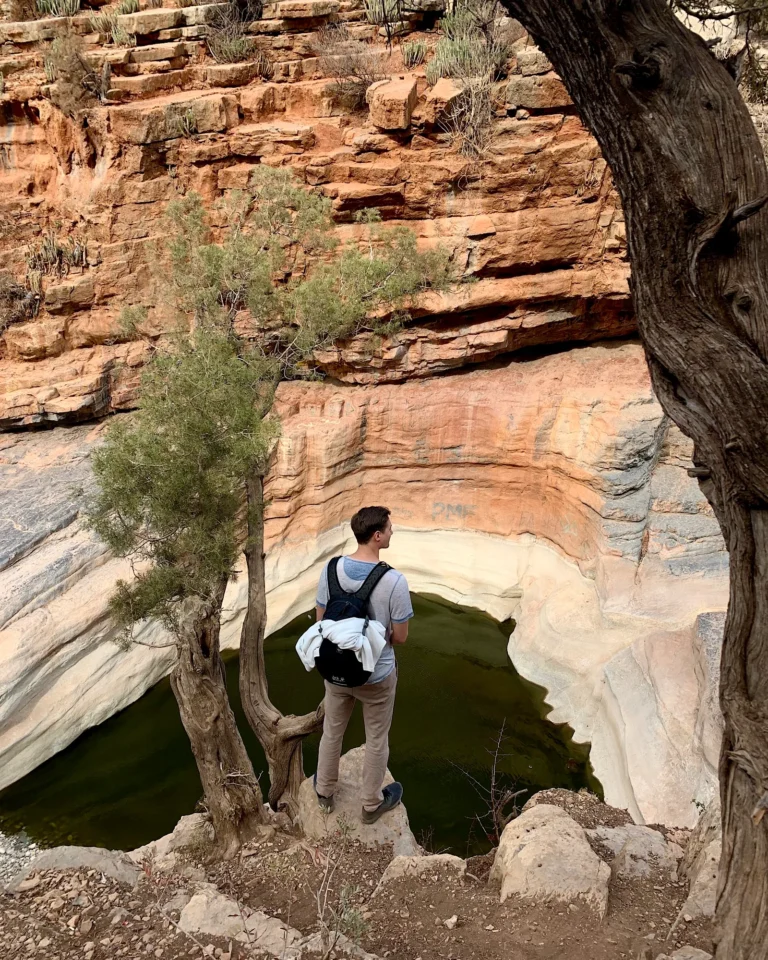
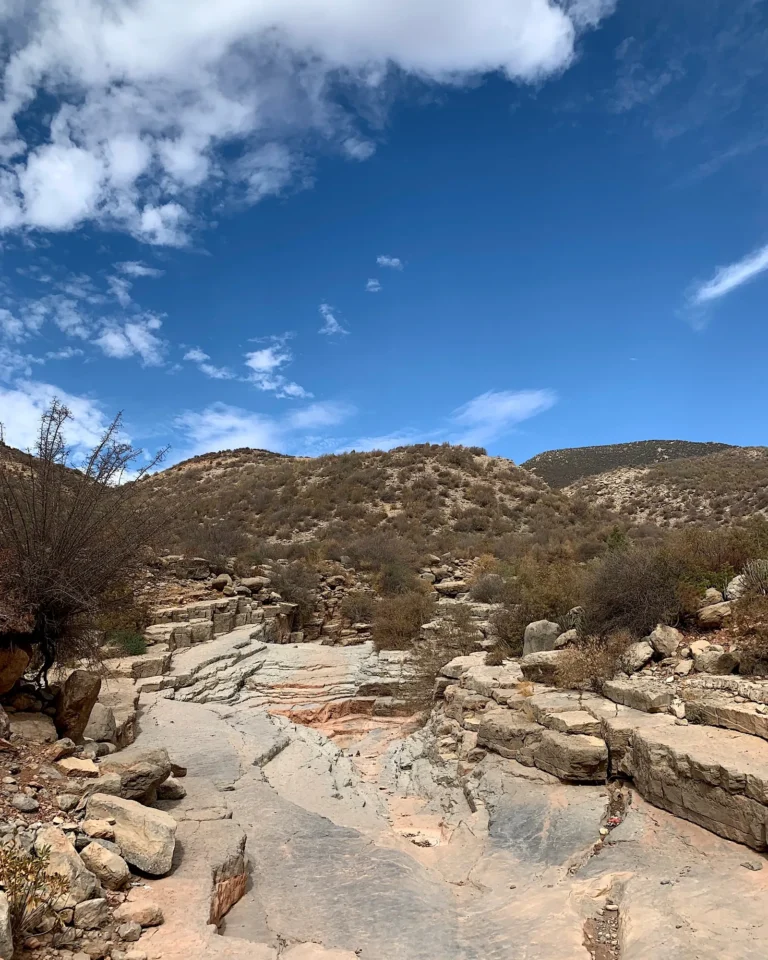
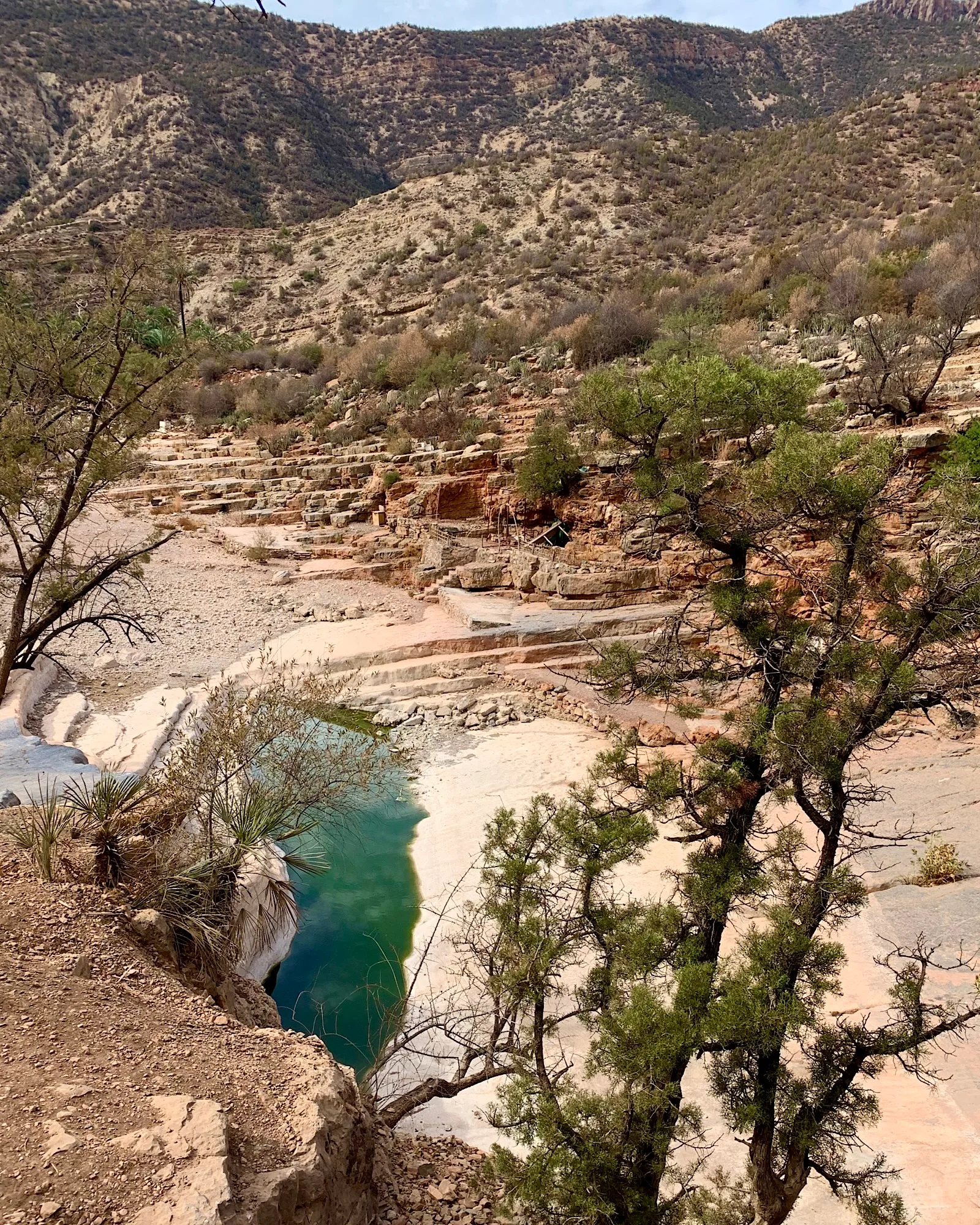
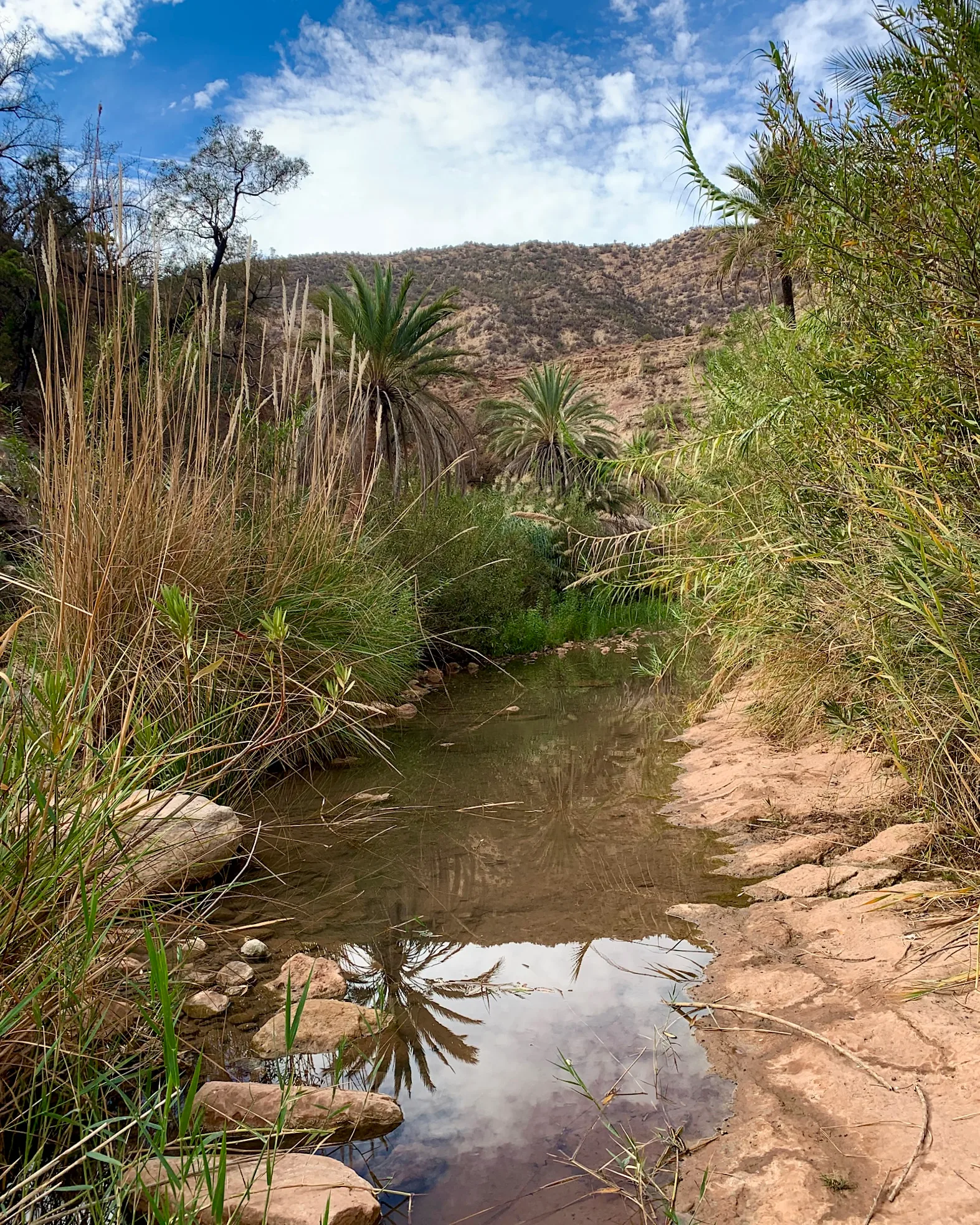
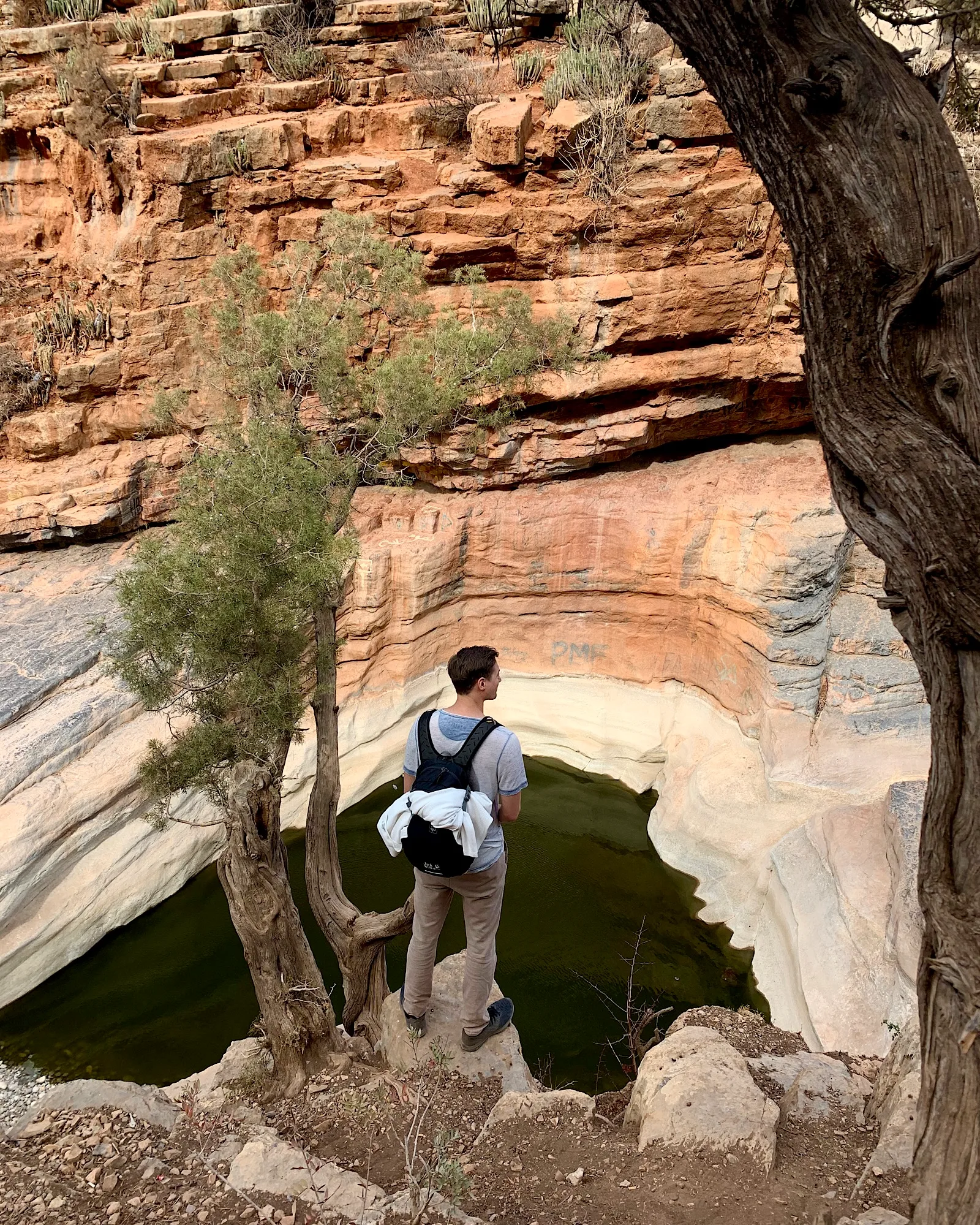
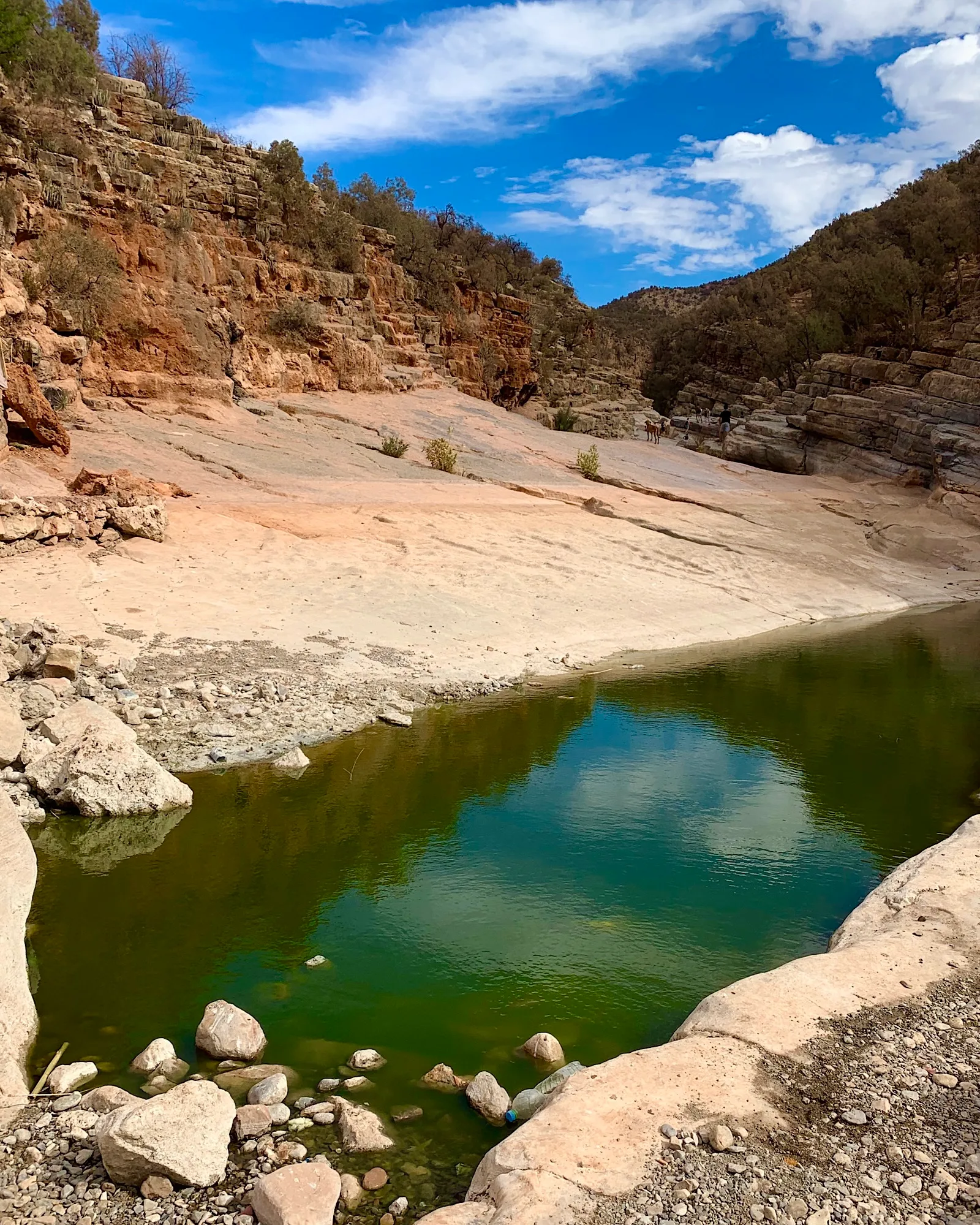
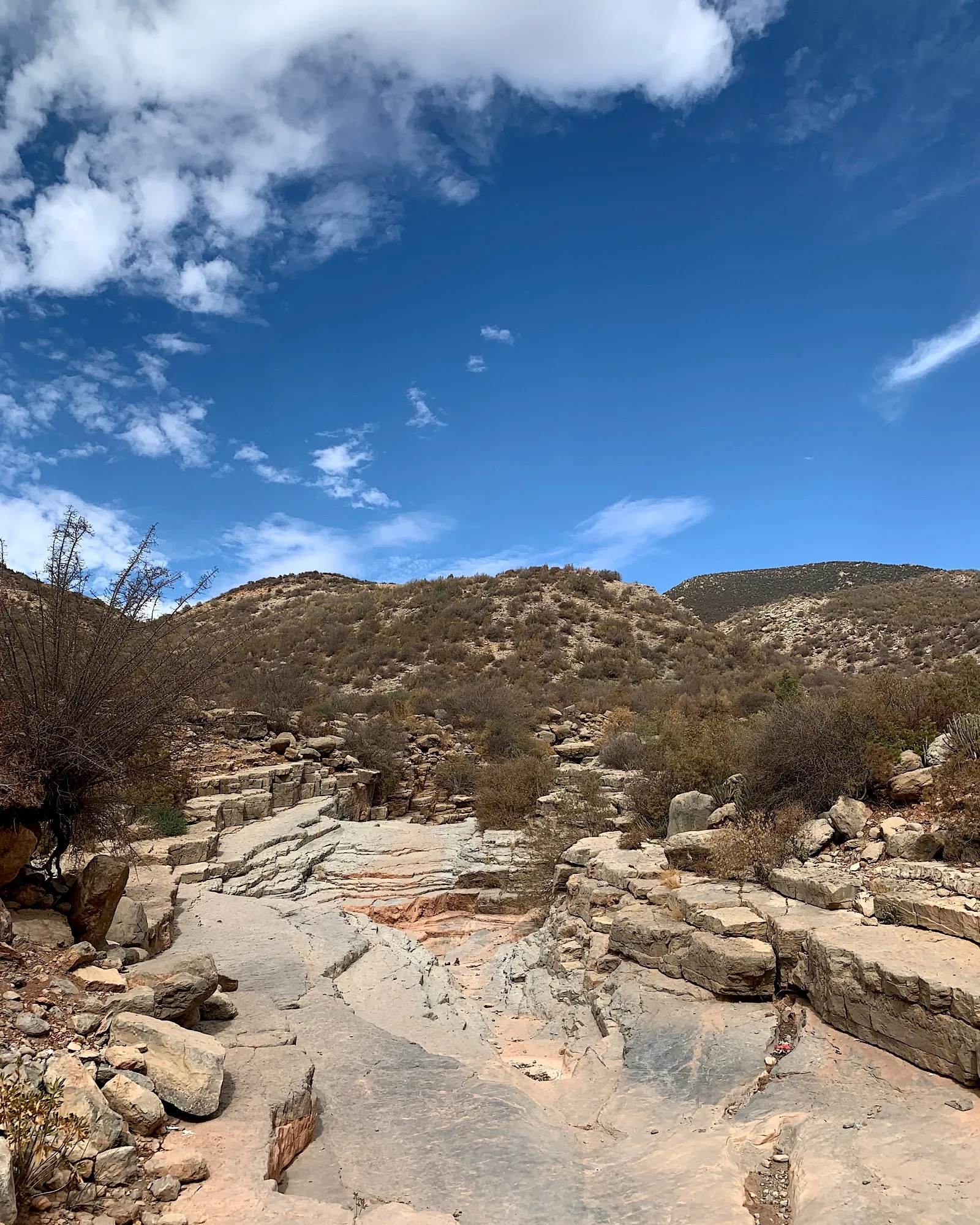
If you want to escape the hustle and bustle of the coast, Paradise Valley in the High Atlas is an absolute must. About 60 kilometers from Agadir, a spectacular gorge with turquoise natural rock pools and giant palm trees awaits you. A dreamlike contrast to the barren mountain landscape.
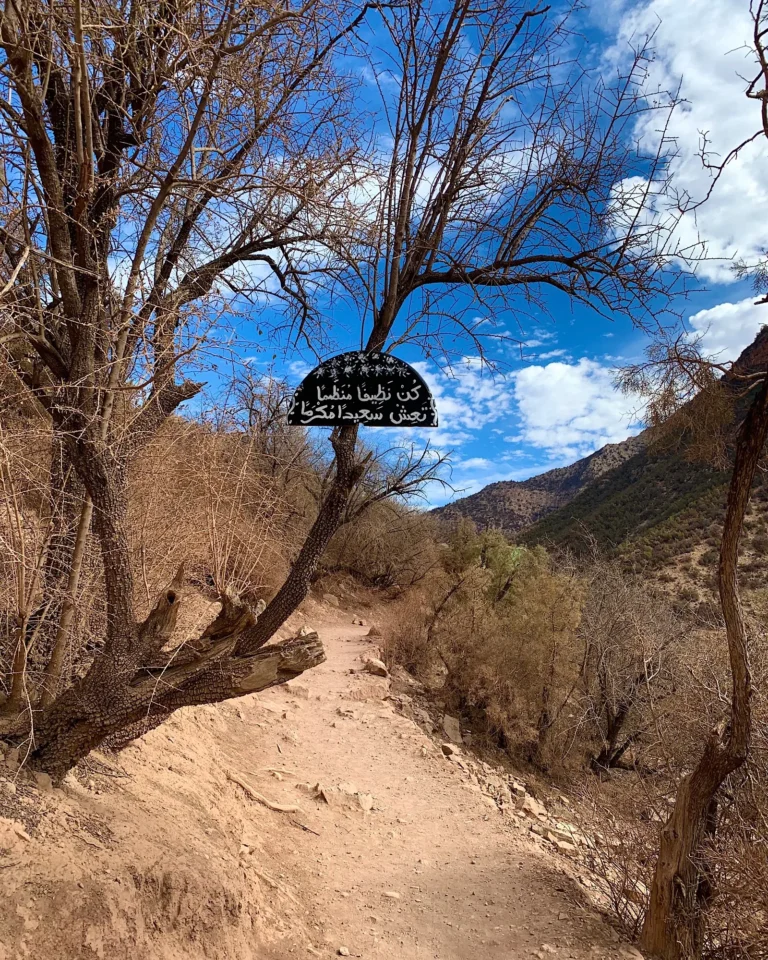
After a 20- to 30-minute hike through the riverbed, you reach the deep pools that invite you for jumping and swimming. It is the perfect place for a day of nature and relaxation.

  • Best time to travel: Spring (February to May), when the waterfalls carry the most water after winter. Unfortunately, the pools were almost empty during our visit.
Dunes of Tamri – Where the Sahara Meets the Atlantic

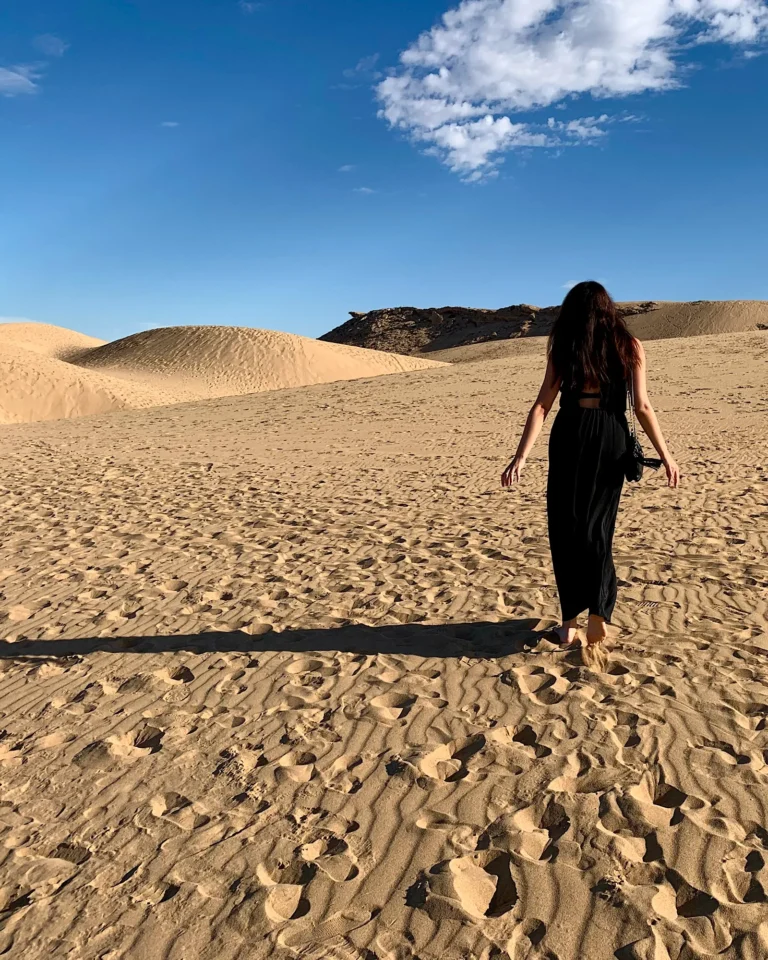
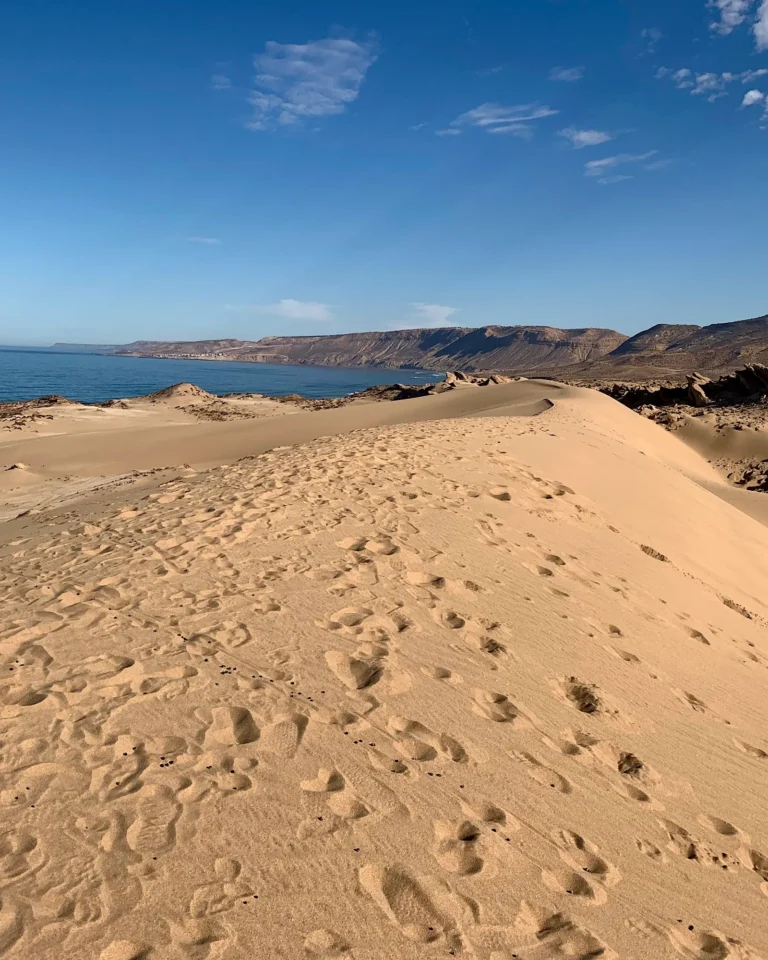
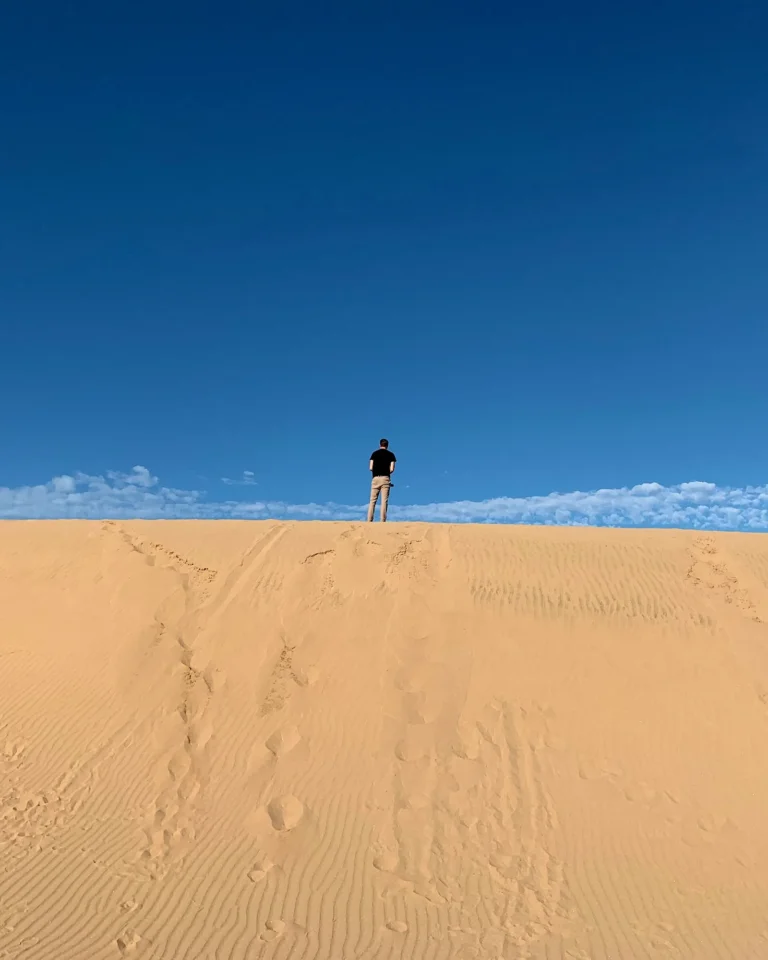
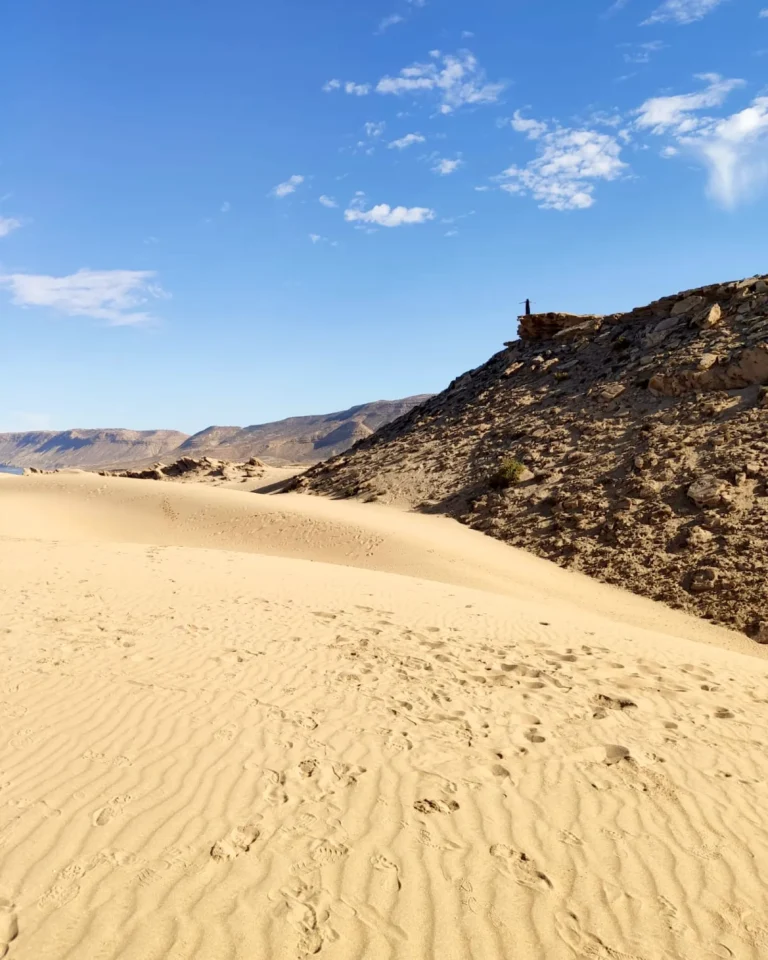
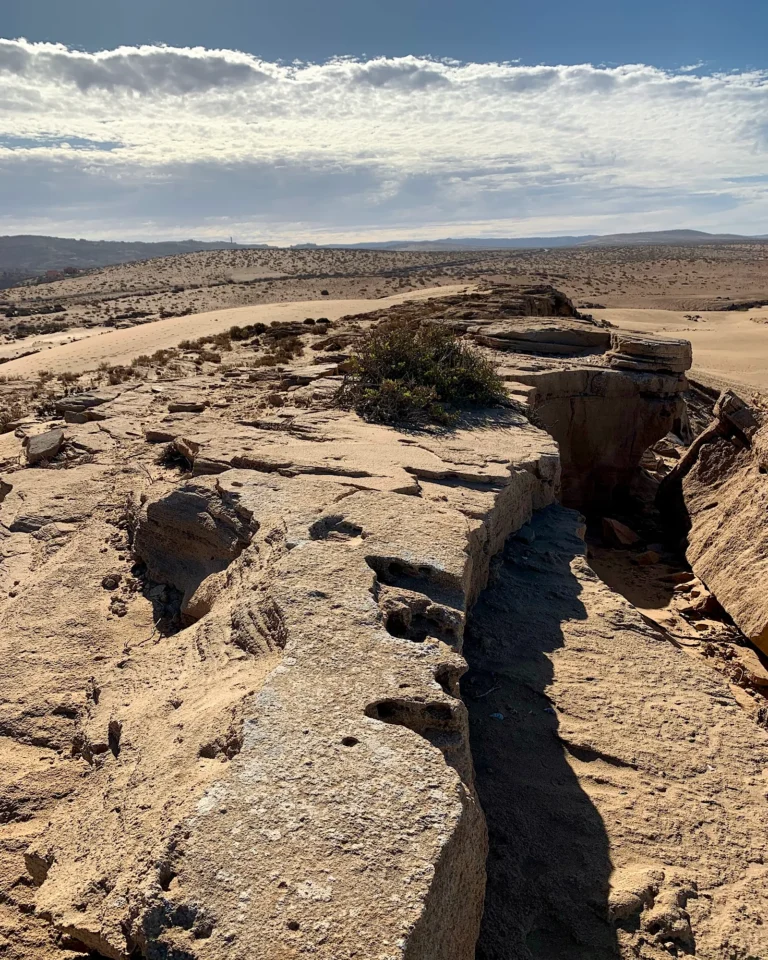
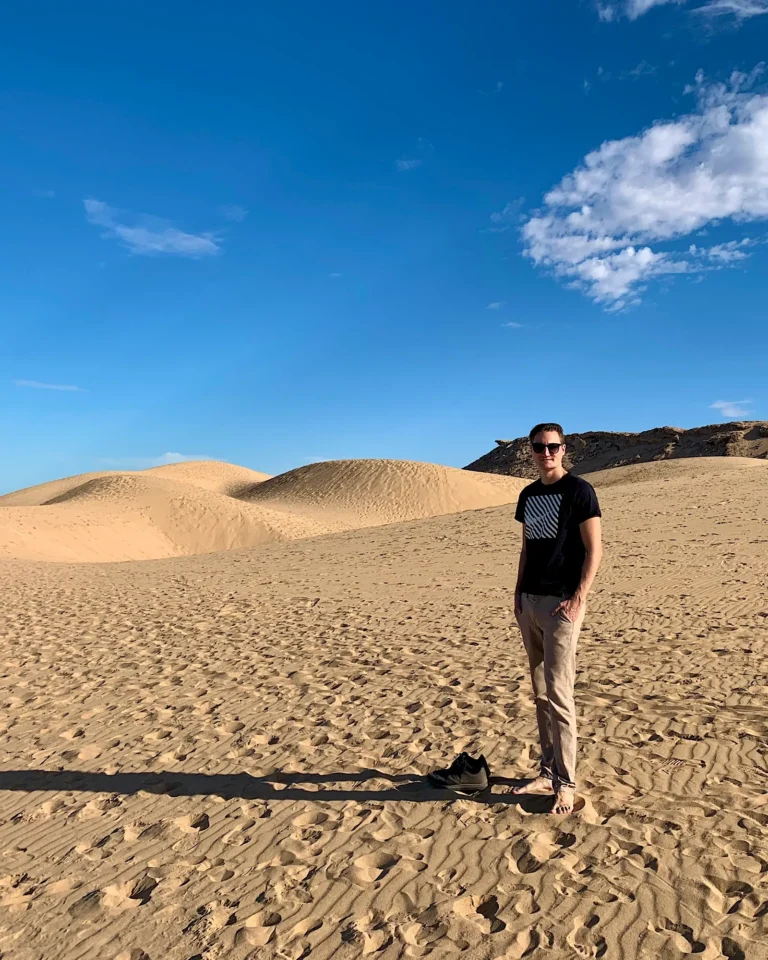
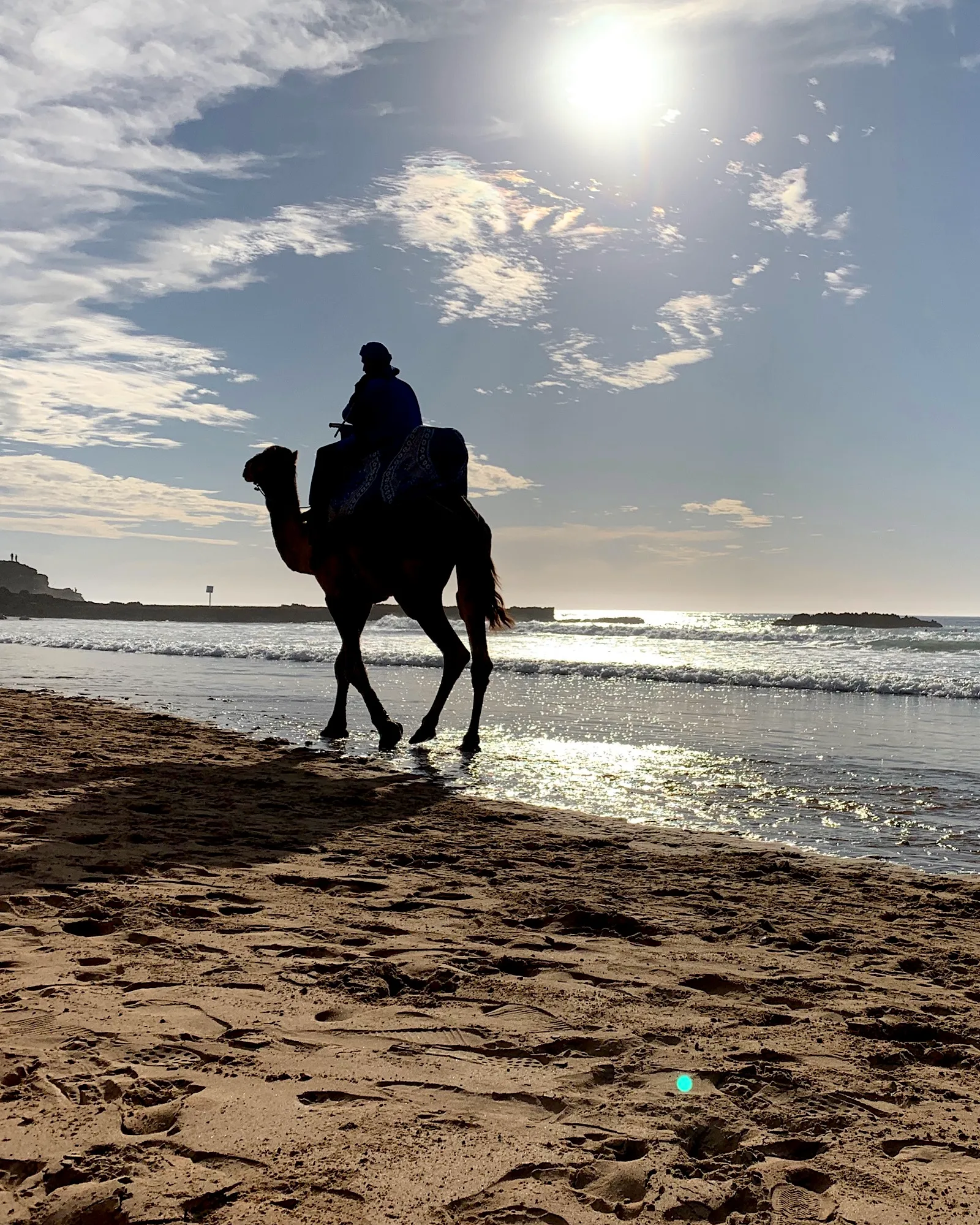
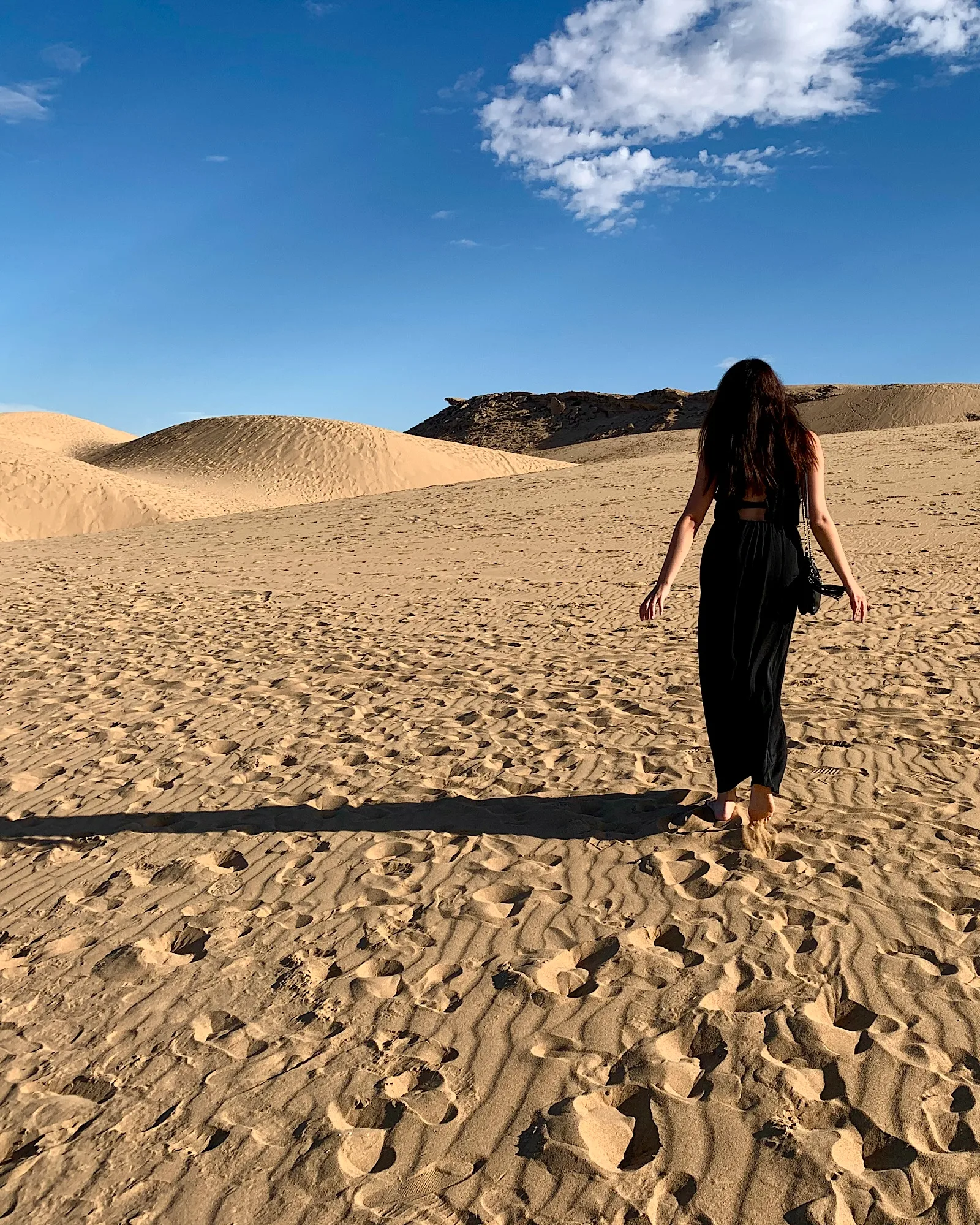
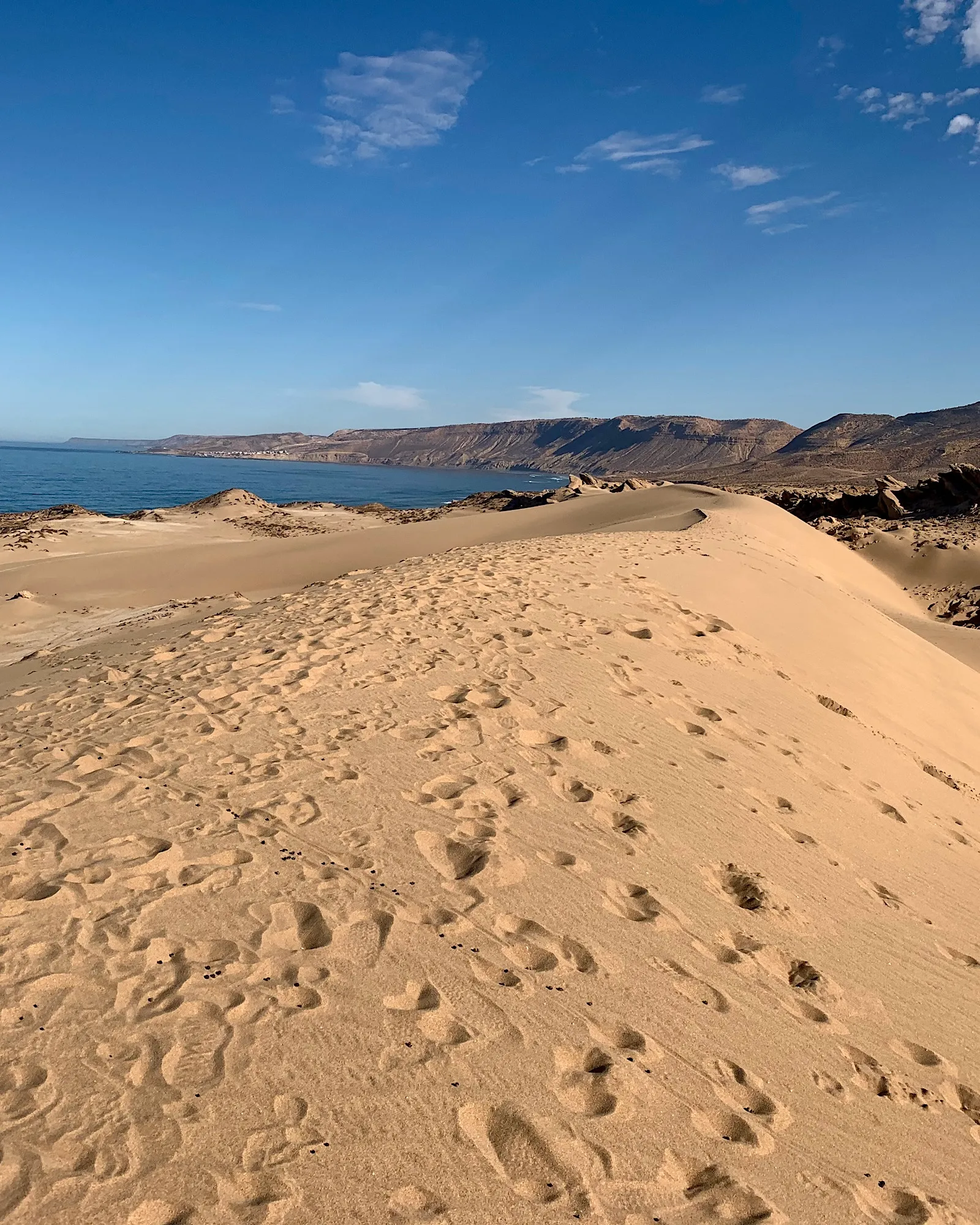
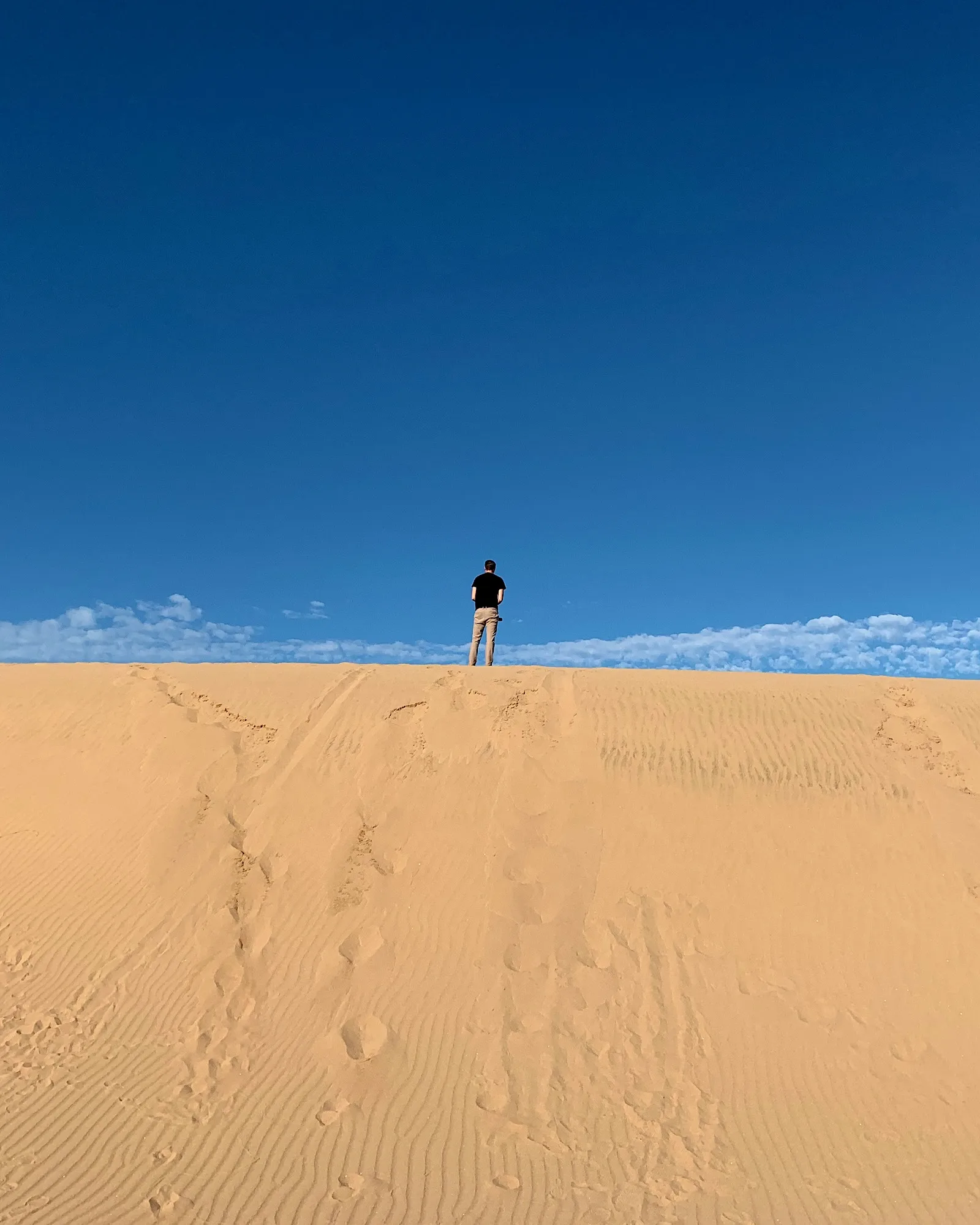
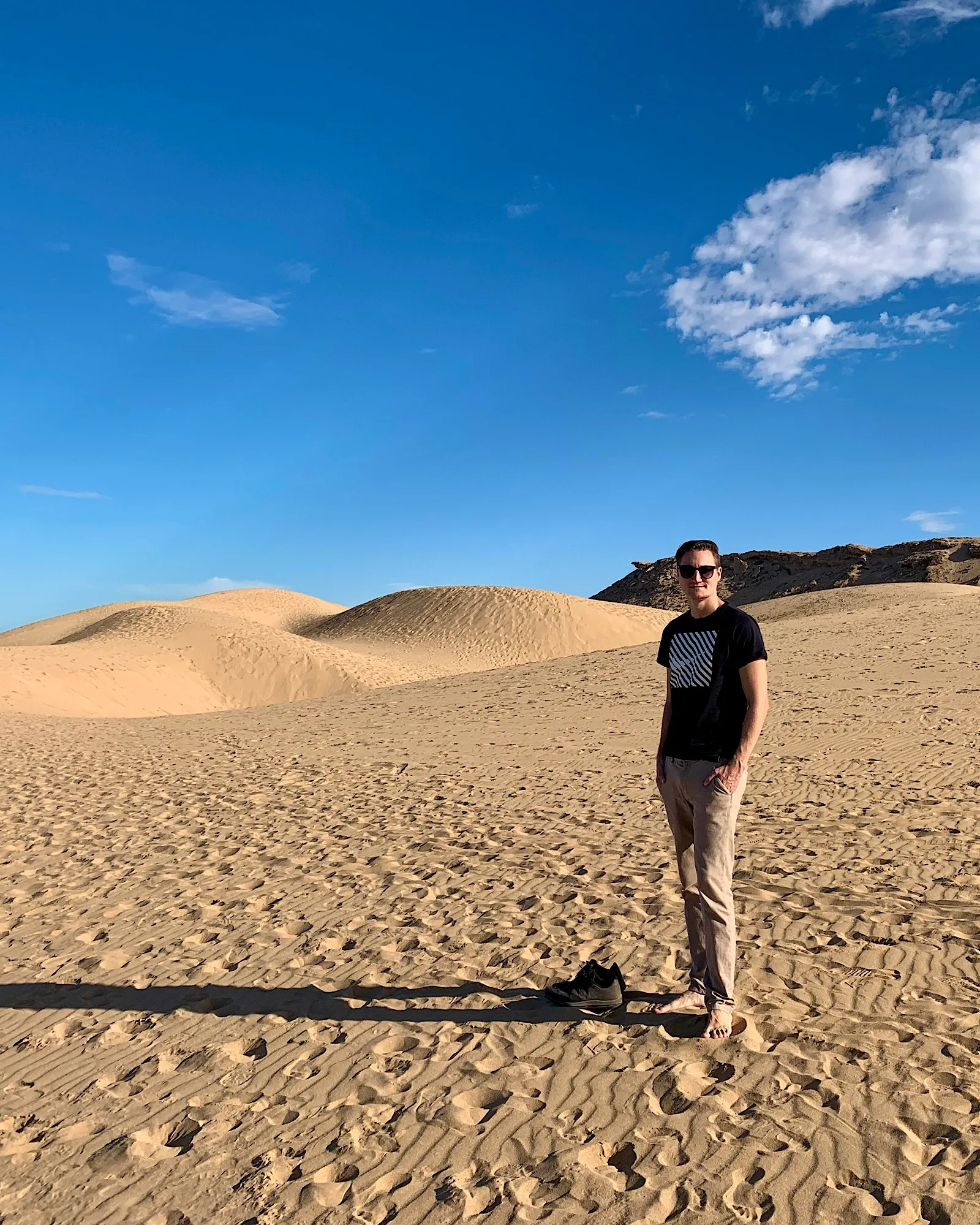
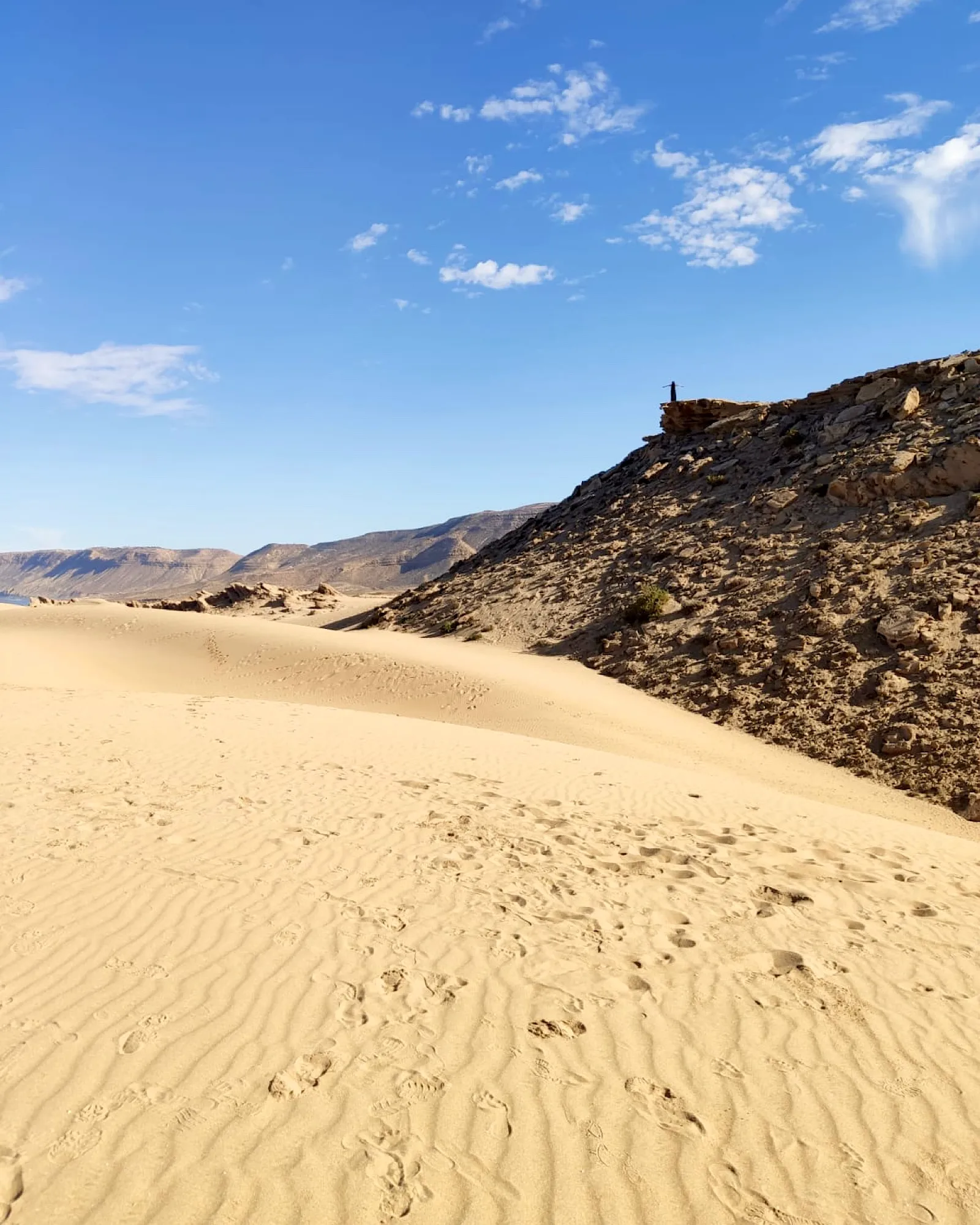
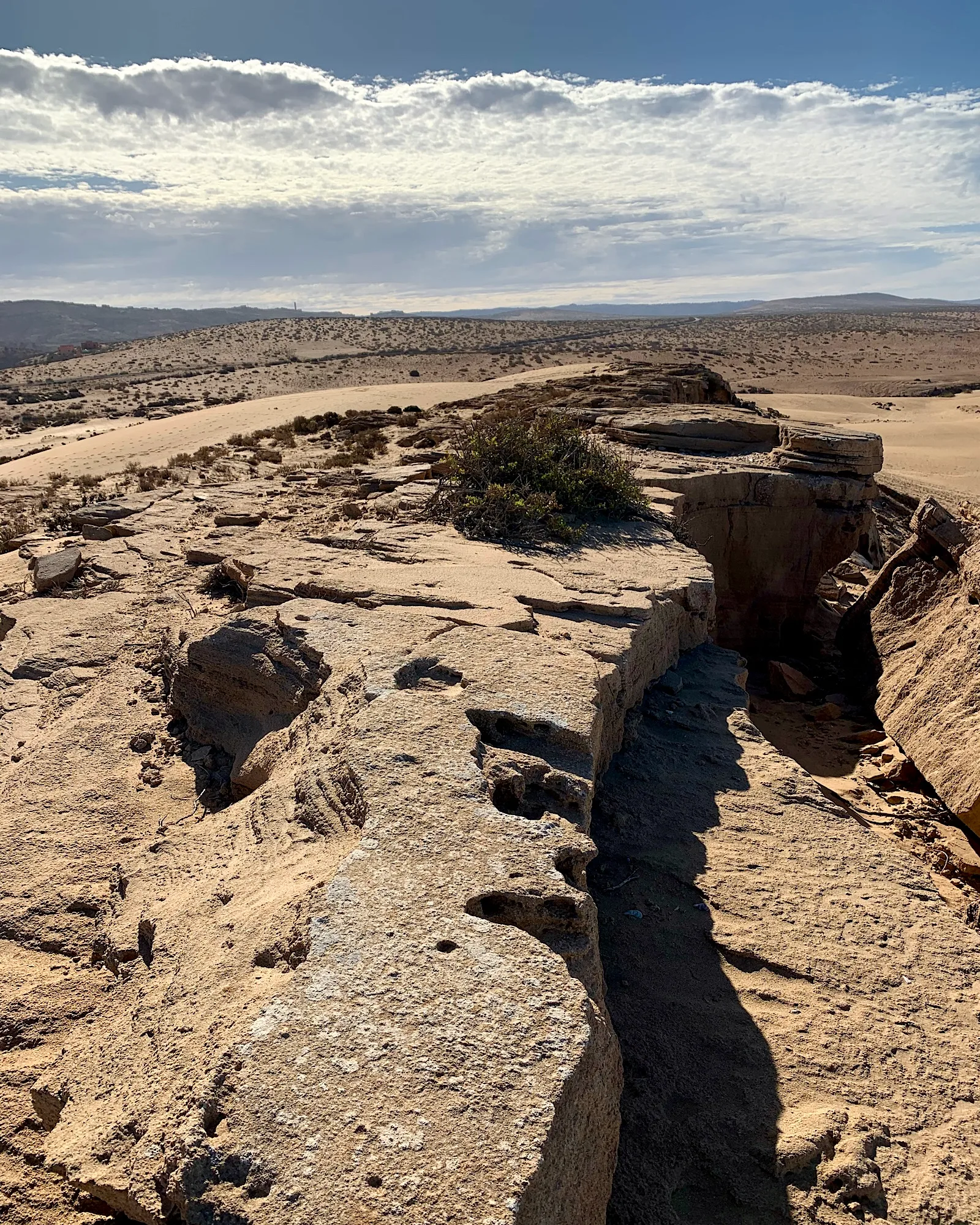
The Dunes of Tamri are a place that leaves you speechless. Located only about 45 minutes north of Taghazout, Tamri offers an almost magical backdrop: massive, golden sand dunes meet the crashing waves of the Atlantic.
Alongside the mosque in Casablanca, this was our second major highlight of the trip. Standing on the crest of a dune, with the vastness of the ocean in front of you and the rugged mountains behind you, feels like the end of the world – pure freedom.

Tips and Tricks for Agadir, Paradise Valley and the Dunes of Tamri:
  • Medina d’Agadir: There is a small entrance fee (approx. 40 Dirham), which is absolutely worth it for the maintenance of the grounds. In the Medina, you will find many small workshops. You can watch artists at work – from wood carvers to mosaic layers.
  • Paradise Valley: Avoid the weekends, as many locals visit then as well. Wear sturdy footwear as the rocks can be slippery and pack enough drinks.
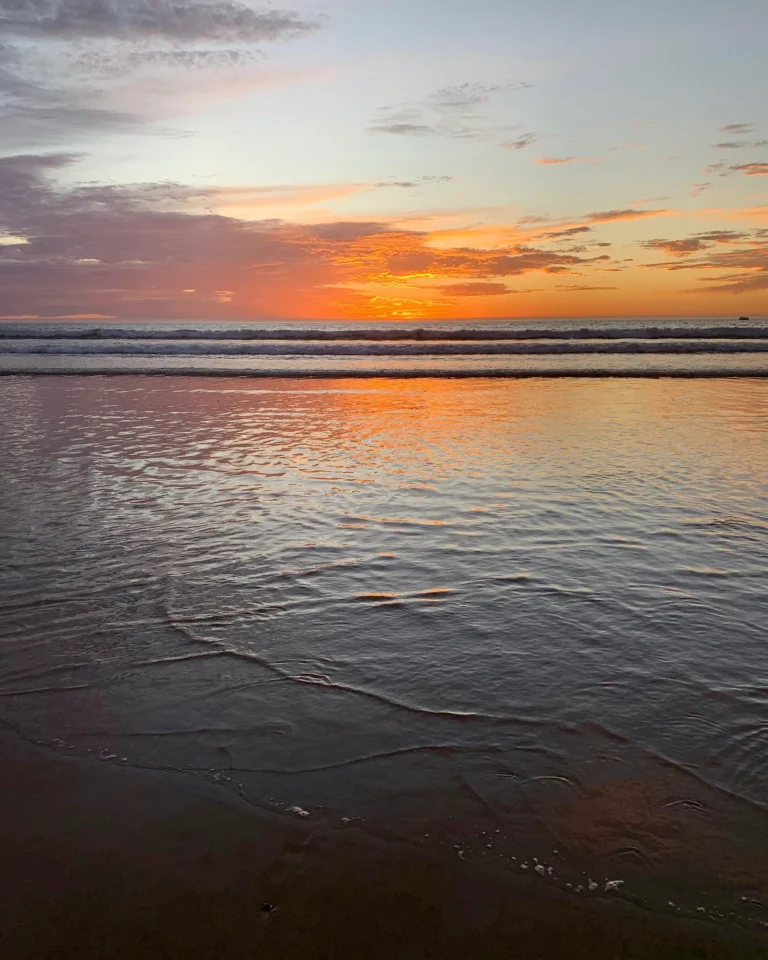
  • Dunes of Tamri: Come for sunset! The glowing orange of the sand in the backlight is an unforgettable experience.
  • Wind protection: The wind can be strong on the coast – sunglasses and a light windbreaker are highly recommended.

Final Thoughts to the South of Morocco

The diversity of our route – from the start in Rabat and Casablanca, through the bustling streets of Marrakech, to the raw nature of the Atlas Mountains – showed us just how multifaceted this country is. It is precisely this mix of coastal comfort and real adventure in the hinterland that made this road trip unforgettable. Morocco is loud, colorful, and sometimes demanding.

Our personal highlights were Casablanca, Marrakech, and the sand dunes of Tamri/Agadir.

Despite all the beauty, one thing must be said: as a tourist in the major centers – especially in Marrakech around the souks, but also at top attractions like the Ouzoud Falls – you need a thick skin. You are often approached or pestered, and almost everyone wants to sell you something or show you the way (for money, of course).
It can be exhausting when someone at every corner tries to talk you into something or claims the path is “closed” just to lure you into a specific shop. Unfortunately, this is part of the reality.

Our tips for handling this: A friendly but firm “La shukran” (“No, thank you”). Stay polite, but keep walking. If you stop or hesitate, you’ve usually already “lost.” It often felt rude to us, but sometimes the best thing to do is not to react to shouts at all. Always remember: if someone shows you the way without being asked or puts something in your hand (like henna or a bracelet), it is almost never free.

Our Travel Advice for your Morocco road trip:
Embrace the chaos and be ready to negotiate. But be prepared for the fact that as a tourist, you are definitely “in demand,” and the locals will try many things to sell you their goods or services.